

The cracks between Trump and Netanyahu have become more pronounced, particularly over energy and leadership targets.
Eric Lob
{
"authors": [
"Jessica Tuchman Mathews",
"Douglas H. Paal"
],
"type": "legacyinthemedia",
"centerAffiliationAll": "dc",
"centers": [
"Carnegie Endowment for International Peace"
],
"collections": [],
"englishNewsletterAll": "asia",
"nonEnglishNewsletterAll": "",
"primaryCenter": "Carnegie Endowment for International Peace",
"programAffiliation": "AP",
"programs": [
"Asia"
],
"projects": [],
"regions": [
"North America",
"United States",
"East Asia",
"China",
"Taiwan"
],
"topics": [
"Foreign Policy"
]
}Source: Getty
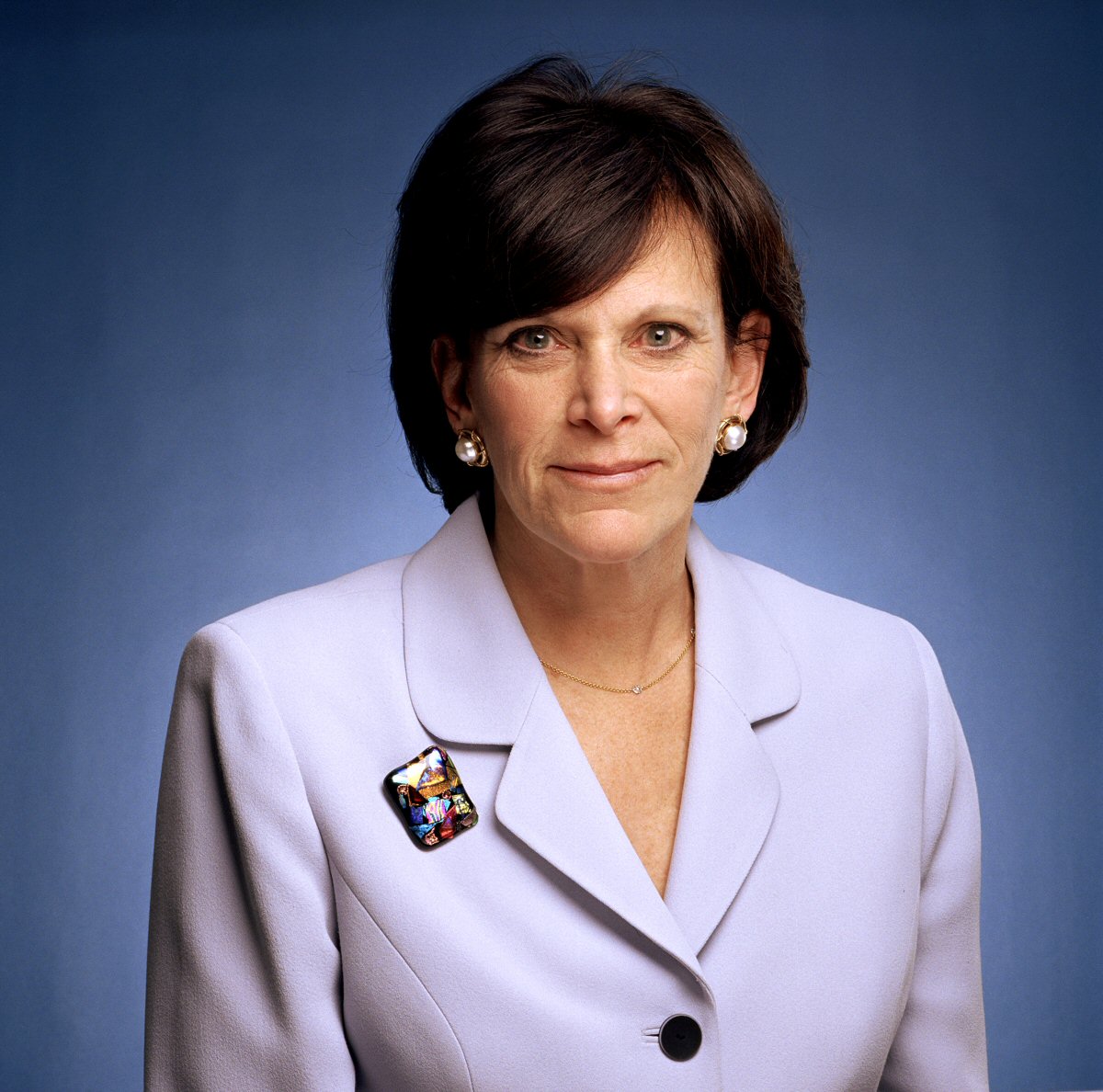
The Sino-American relationship is one of the issues that looms largest as President-elect Obama prepares to assume office in less than two weeks. To asses the developments in that relationship over the last eight years, CCTV sat down with Jessica Mathews, president of the Carnegie Endowment for International Peace, and Douglas Paal, Vice President for Studies.
Source: CCTV's Dialogue

Paal noted that although President Bush came to office as a strong Taiwan supporter, he came to be seen by many as a voice for Beijing because of deteriorating relations between the U.S. and Taiwan during Chen Shui-bian's term. Both Mathews and Paal highlighted Bush's China policy as an exception to his legacy as a unilateralist, noting that the Strategic Economic Dialogue (SED) has paved the way for sustained high-level exchanges and negotiations between the two countries. Mathews predicted that Obama would continue the SED. Paal added that the global financial crisis has illuminated the SED's strategic value, noting China's $586 stimulus package that was intended, at least in part, to mitigate the crisis' impact.
Mathews and Paal emphasized that although neoconservatives held sway over much of Bush's foreign policy approach, they did not have the upper hand as far as China policy was concerned: President Bush regarded China as a country to be engaged.
Distinguished Fellow
Mathews is a distinguished fellow at the Carnegie Endowment for International Peace. She served as Carnegie’s president for 18 years.
Distinguished Fellow, Asia Program
Paal previously served as vice chairman of JPMorgan Chase International and as unofficial U.S. representative to Taiwan as director of the American Institute in Taiwan.
Carnegie does not take institutional positions on public policy issues; the views represented herein are those of the author(s) and do not necessarily reflect the views of Carnegie, its staff, or its trustees.
The cracks between Trump and Netanyahu have become more pronounced, particularly over energy and leadership targets.
Eric Lob
The crisis is not just a story of energy vulnerability. It’s also a complex, high-stakes political challenge.
Darcie Draudt-Véjares
In an interview, Roger Diwan discusses where the global economy may be going in the third week of the U.S.-Israeli war with Iran.
Nur Arafeh
The war in Ukraine is costing Russia its leverage overseas. Across the South Caucasus and Middle East, this presents an opportunity for Europe to pick up the pieces and claim its own sphere of influence.
William Dixon, Maksym Beznosiuk
Backed by a new LDP supermajority, Prime Minister Takaichi aspires to revise Japan’s long-standing security doctrine. Ahead of her visit to Washington, she faces fiscal hurdles for her proposed defense spending while needing to navigate President Trump’s request for naval assets to the Strait of Hormuz.
Harukata Takenaka