

Commentary
The summit may be remembered as a fatal blunder, when Washington, Beijing, and the AI industry collectively chose ceremony over action.
Jeffrey Prescott
{
  "authors": [
    "Stephen I. Schwartz",
    "Deepti Choubey"
  ],
  "type": "other",
  "centerAffiliationAll": "",
  "centers": [
    "Carnegie Endowment for International Peace"
  ],
  "collections": [],
  "englishNewsletterAll": "",
  "nonEnglishNewsletterAll": "",
  "primaryCenter": "Carnegie Endowment for International Peace",
  "programAffiliation": "",
  "programs": [],
  "projects": [],
  "regions": [
    "North America",
    "United States"
  ],
  "topics": [
    "Security",
    "Military",
    "Nuclear Policy"
  ]
}
REQUIRED IMAGE
Total appropriations for nuclear weapons and related programs in fiscal year 2008 were at least $52.4 billion. Of which, only $5.2 billion is spent on preventing the spread of nuclear weapons, weapons materials, technology, and expertise.
What is nuclear security spending?
Nuclear security spending is how much the United States spends to operate, maintain, and upgrade its nuclear arsenal; defend against nuclear attack; prevent the further spread of nuclear weapons, weapons materials, technology, and expertise; manage and clean up the radioactive and toxic waste left over from decades of nuclear weapons production and compensate victims of past production and testing activities; and prepare for the consequences of a nuclear or radiological attack.
How much does the United States spend on nuclear security?
Total appropriations for nuclear weapons and related programs in fiscal year 2008 were at least $52.4 billion. That’s not counting related costs for classified programs, air defense, antisubmarine warfare, and most nuclear weapons-related intelligence programs. Of which, only $5.2 billion is spent on preventing the spread of nuclear weapons, weapons materials, technology, and expertise.

How is the $52.4 billion spent?
Which agencies receive nuclear security dollars and how much?

Stephen I. Schwartz

Former Deputy Director, Nuclear Policy Program
Choubey was previously the director of the Peace and Security Initiative for the Ploughshares Fund. She also worked for Ambassador Nancy Soderberg in the New York office of the International Crisis Group.
Carnegie does not take institutional positions on public policy issues; the views represented herein are those of the author(s) and do not necessarily reflect the views of Carnegie, its staff, or its trustees.
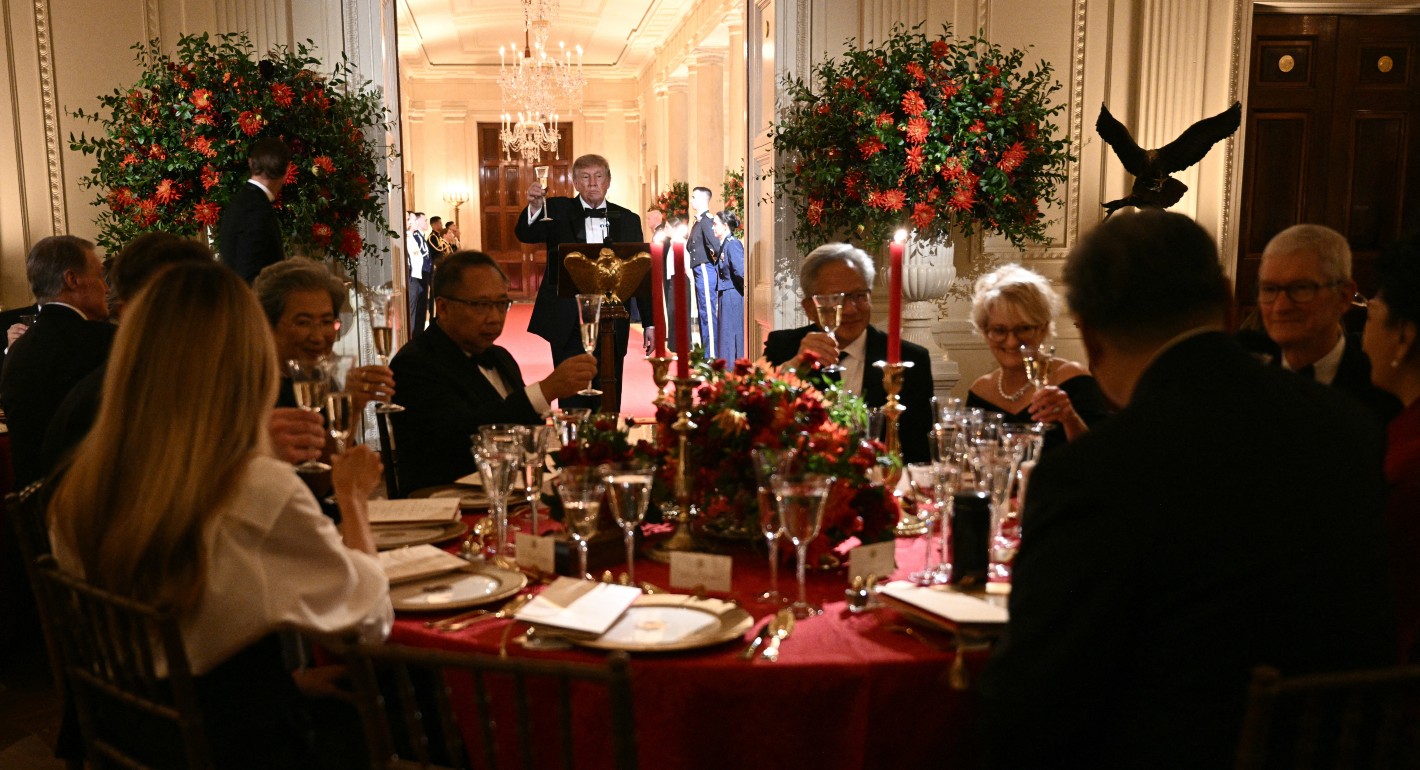
The summit may be remembered as a fatal blunder, when Washington, Beijing, and the AI industry collectively chose ceremony over action.

Jeffrey Prescott

European NATO countries are wrestling with the possibility of U.S. disengagement from the alliance. With the continent’s security increasingly uncertain, governments must restore the credibility of their collective defense.



Hans-Dieter Lucas, Adam Thomson, Pierre Vimont
Soft power on its own is insufficient to meet U.S. national security needs, but hard power also has its limits. Soft power allows for more effective and efficient use of hard power than hard power alone, as it encourages cooperation and compliance which deters the need for hard power.

Sarah Yerkes

A deep dive into the policy ecosystems behind battery development in China, South Korea, Japan, the European Union (including some of its member states), the United States, Canada, and India.



Milo McBride, Herbert Crowther, Darcie Draudt-Véjares, …

In an interview, Ian Lustick and Eli Clifton discuss their new book on why a prominent ally has so much influence in America.

Michael Young