

In The Media
Michele Dunne, Robert Kagan
{
  "authors": [
    "Robert Kagan"
  ],
  "type": "legacyinthemedia",
  "centerAffiliationAll": "",
  "centers": [
    "Carnegie Endowment for International Peace"
  ],
  "collections": [],
  "englishNewsletterAll": "",
  "nonEnglishNewsletterAll": "",
  "primaryCenter": "Carnegie Endowment for International Peace",
  "programAffiliation": "",
  "programs": [],
  "projects": [],
  "regions": [
    "North America",
    "United States"
  ],
  "topics": [
    "Political Reform",
    "Democracy",
    "Security",
    "Military",
    "Foreign Policy"
  ]
}
Source: Getty
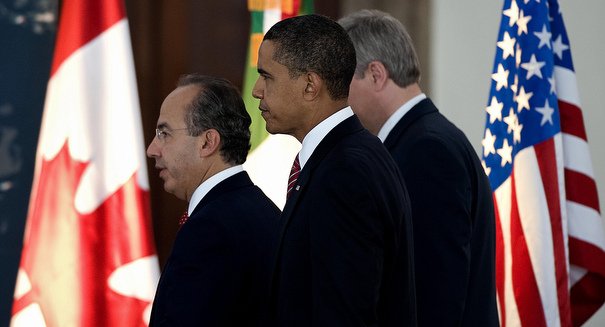
As President Obama’s foreign policy agenda takes shape, selling the pretense of radical change has required some sleight of hand -- and a helpful press corps. In reality, the basic goals and premises of U.S. policy have not shifted.
Source: Washington Post

When it comes to actual policies, however, selling the pretense of radical change has required some sleight of hand -- and a helpful press corps. Thus the New York Times reports a dramatic "shift" in China policy to "rigorous and persistent engagement," as if the previous two administrations had been doing something else for the past decade and a half. Another Times headline trumpeted a new "softer tone on North Korea," based on Secretary of State Hillary Clinton's suggestion that the United States would have a "great openness to working with" Pyongyang -- as soon as it agrees to "verifiable and complete dismantling and denuclearization." Startling.
The media have also reported a dramatic shift in the Obama administration's approach to conducting the Activity Formerly Known as the War on Terror. "Bush's 'War' on Terror Comes to Sudden End," The Post announced on Jan. 23, and subsequent stories have proclaimed a transformation from "hard power" to "soft power," from military action to diplomacy -- even as the Obama administration sends 17,000 troops to Afghanistan, significantly expands Predator drone attacks in Pakistan and agrees to a timetable for drawing down troops in Iraq scarcely distinguishable from what a third Bush administration (with the same defense secretary) might have ordered.
So, too, the administration's insistence on linking proposed missile defense installations in Europe to the "threat" posed by Iran, or its offer to negotiate Russia's acquiescence to this plan and even to share missile defense technology. All this is widely celebrated as new. But Defense Secretary Robert Gates began these negotiations with Moscow more than a year ago. On Iran, the emphasis on carrots, in the form of a global political and economic embrace if Tehran stops pursuing nuclear weapons, and sticks, in the form of international sanctions and isolation if it doesn't, is not exactly novel. Add to this the administration's justifiable hesitancy, campaign rhetoric notwithstanding, to jump into direct, high-level negotiations but to focus instead on mid-level contacts or multilateral meetings on other subjects such as Afghanistan and Iraq, and it's no surprise if Iranian officials wonder what's the big deal.
This is all to the good. So far, President Obama has made generally sound decisions on Afghanistan, Iraq, missile defense and Iran. Along with the language of unclenched fists and reset buttons, the basic goals and premises of U.S. policy have not shifted. If the world views this as a revolution, so much the better. Whatever works.
Yet there is another area where the administration claims to depart from the Bush legacy but really hasn't, and I wish that it would. That is the issue of democracy and human rights. Ever since Clinton's confirmation hearing, where she talked about three D's -- defense, diplomacy and development -- but not a fourth -- democracy -- the press has made much of this allegedly sharp departure from the Bush administration's "freedom agenda." (Vice President Biden's prominent remarks about the fourth D in Munich last month have been ignored because they didn't fit the storyline.) Thus the Times's Peter Baker writes that "Obama appears poised to return to a more traditional American policy of dealing with the world as it is rather than as it might be." Set aside what a funny sentence that is to anyone with even scant knowledge of American history and its traditions -- remember Woodrow Wilson, Franklin Roosevelt, Harry Truman, John Kennedy, Jimmy Carter, Ronald Reagan, Bill Clinton? The more interesting question is whether the Bush administration ever seriously pursued a "freedom agenda."
As my Carnegie colleague and preeminent democracy expert Thomas Carothers points out, the idea that the Bush administration engaged in a massive effort to promote democracy around the world is mostly myth. While every U.S. president for the past three decades has engaged in some degree of democracy promotion, he writes, "the place of democracy in Bush foreign policy was no greater, and in some ways was less, than in the foreign policies of his predecessors." It did provide important support to struggling democracies in Ukraine, Georgia and Lebanon. But Bush ignored the systematic dismantling of democracy in Russia. Like Secretary Clinton, he did not let human rights get in the way of dealing with China. The Bush administration supported Pakistani strongman Pervez Musharraf until the bitter end. It backed away from challenging Egyptian President Hosni Mubarak to hold freer and fairer elections in 2005, and whatever ardor it had about pushing for democracy in the Middle East cooled significantly after the 2006 election of Hamas. Meanwhile, it worked closely with dictators in Kazakhstan, Azerbaijan, Saudi Arabia and the Gulf states. Aside from Iraq and Afghanistan, where its stalwart support for democratic progress was undermined for many years by failed military strategy, it is hard to point to many places where the "freedom agenda" was ever seriously implemented.
The world would be a better and safer place if the Bush administration's policies had more closely matched its rhetoric. But in any case, as Carothers notes, the idea that "a major post-Bush realist corrective is needed represents a serious misreading of the past eight years." It would be ironic, to say the least, if in its desire to distinguish itself from Bush on this issue, the Obama administration wound up replicating Bush. Viva la revolución!
Click here to see this article as it originally appeared in the Washington Post.
Former Senior Associate
Kagan, author of the recent book, The Return of History and the End of Dreams (Knopf 2008), writes a monthly column on world affairs for the Washington Post and is a contributing editor at both the Weekly Standard and the New Republic.
Recent Work

Michele Dunne, Robert Kagan
Robert Kagan, Michele Dunne
Carnegie does not take institutional positions on public policy issues; the views represented herein are those of the author(s) and do not necessarily reflect the views of Carnegie, its staff, or its trustees.

An overwhelming victory by a far-right-wing party in a small state in eastern Germany will have major repercussions for Chancellor Friedrich Merz’s coalition.

Judy Dempsey

Congress needs to step up and make EXIM a low-carbon financing powerhouse.
Jesse Young
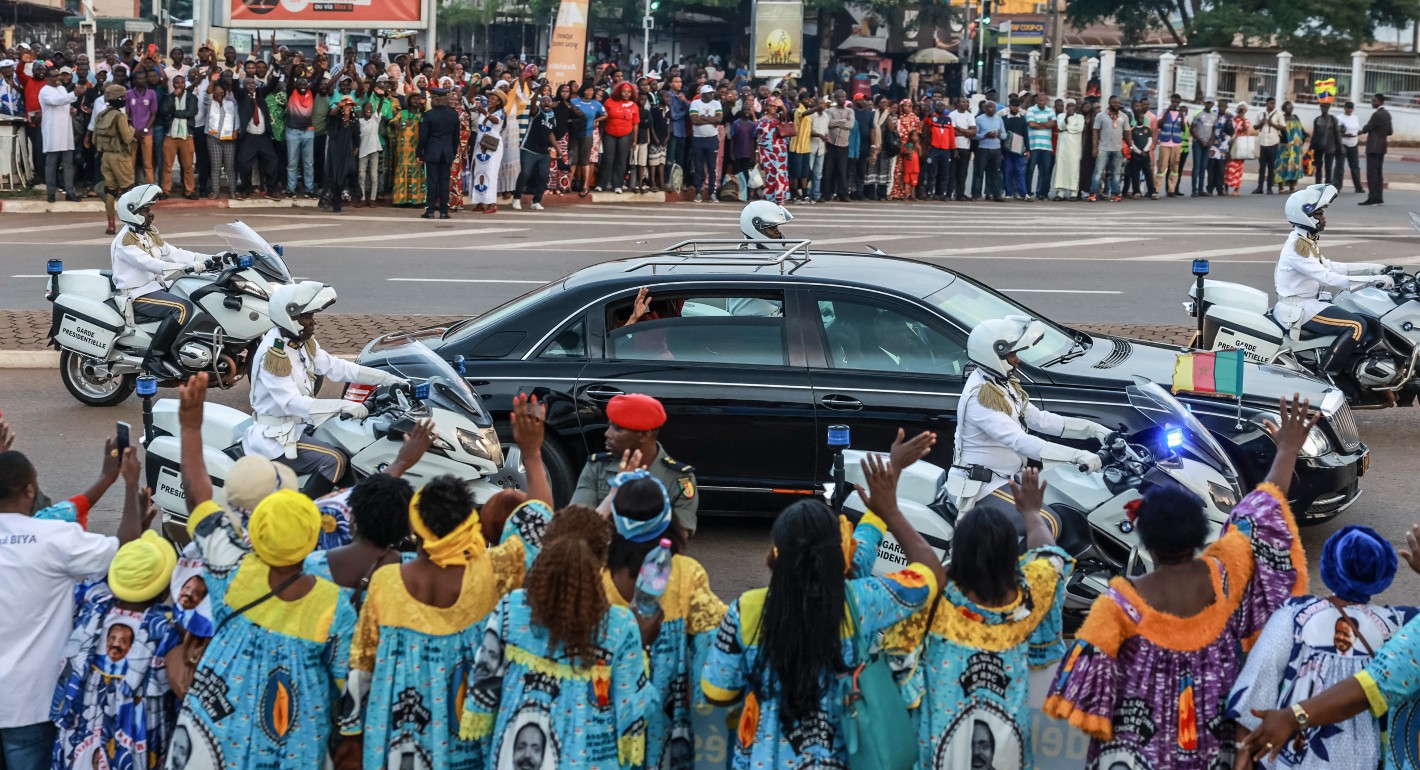
The ninety-three-year-old Biya’s absence and refusal to name a vice president threaten to upend domestic and regional stability.

Lesley Anne Warner

With the growth in points of friction between the great powers, organizations like the SCO will continue to play a role in the strategic adaptation of the smaller powers caught between them.

Temur Umarov
Amid celebrations of bilateral ties was a deeper focus on stability in the Middle East.

Amr Hamzawy