

Article
Dr. Albert Keidel
{
  "authors": [
    "Albert Keidel"
  ],
  "type": "legacyinthemedia",
  "centerAffiliationAll": "dc",
  "centers": [
    "Carnegie Endowment for International Peace"
  ],
  "collections": [],
  "englishNewsletterAll": "asia",
  "nonEnglishNewsletterAll": "",
  "primaryCenter": "Carnegie Endowment for International Peace",
  "programAffiliation": "AP",
  "programs": [
    "Asia"
  ],
  "projects": [],
  "regions": [
    "North America",
    "United States",
    "East Asia",
    "China"
  ],
  "topics": [
    "Economy",
    "Foreign Policy"
  ]
}
Source: Getty
In light of the Obama administration's forecast that the government will borrow $3.7 trillion in the next two years, there are growing concerns over the willingness and ability of global investors to finance American debt.
Source: Diane Rehm Show

Keidel noted that several years ago the dollar weakened relative to other currencies because other economies seemed reasonably healthy. With the rapid decline in the global economy, investors now recognize that the dollar is the safest currency in uncertain times. Despite short-term difficulties, he noted, the U.S. economy is still the largest and most sophisticated in the world, and its government has a long track record of responsible financial and fiscal policies to avoid the kind of inflation that damages investor confidence. Hence, foreign and domestic investors have increased their purchases of U.S. dollar denominated instruments, especially U.S. Treasury bonds.
History suggests that the only effective time to reduce a country’s debt is during a period of healthy economic growth, as the United States did in the late 1990s. If, as many experts argue, today's recession is worse than a common “every-ten-year” decline, Keidel explains that reducing budget deficits by constraining spending would be a misplaced priority. In such circumstances, failure to spend smartly and decisively to turn around the global economy will amount to "inter-generational theft." Cutting deficits now and failing to achieve a lasting recovery would burden the next generation with years of stagnant growth, unpaid debt, and reduced opportunities.
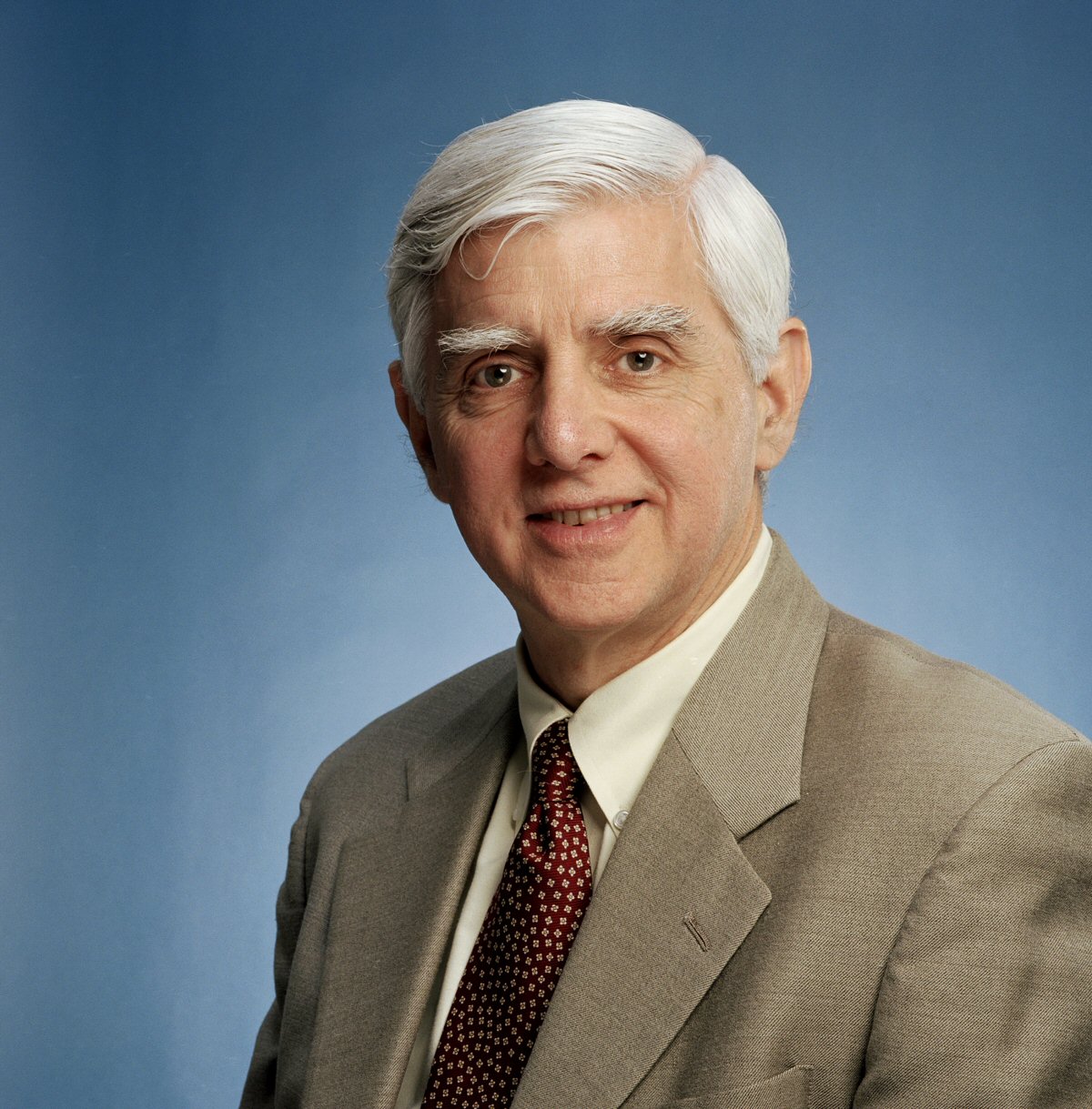
Former Senior Associate, China Program
Keidel served as acting director and deputy director for the Office of East Asian Nations at the U.S. Department of the Treasury. Before joining Treasury in 2001, he covered economic trends, system reforms, poverty, and country risk as a senior economist in the World Bank office in Beijing.
Recent Work
Dr. Albert Keidel
Dr. Albert Keidel
Carnegie does not take institutional positions on public policy issues; the views represented herein are those of the author(s) and do not necessarily reflect the views of Carnegie, its staff, or its trustees.

The books, podcasts, and films that explain the world it made.

Andrew Leber

U.S. trading partners in Asia are closely watching the dispute for signs of how it may affect their own interests.

Barbara Weisel

The aftermath of the Ceuta crisis shows Europe has drawn the wrong lessons. Rather than doubling down on failed migration policies, the EU needs to address the underlying roots of such episodes.

Richard Youngs
By abandoning past U.S. pro-democracy policies and adopting several lines of pro-autocratic action, the Trump administration has fundamentally repositioned the United States vis-à-vis democracy in the world.

Thomas Carothers

Chinese strategists are once again debating whether American power is declining and whether U.S. hegemony is experiencing irreversible decay.
Wu Xinbo