


The use of technology to mobilize Russians to vote—a system tied to the relative material well-being of the electorate, its high dependence on the state, and a far-reaching system of digital control—is breaking down.
Andrey Pertsev
{
"authors": [
"Uri Dadush",
"Lauren Falcão"
],
"type": "other",
"centerAffiliationAll": "",
"centers": [
"Carnegie Endowment for International Peace"
],
"collections": [],
"englishNewsletterAll": "",
"nonEnglishNewsletterAll": "",
"primaryCenter": "Carnegie Endowment for International Peace",
"programAffiliation": "",
"programs": [],
"projects": [],
"regions": [
"Bahrain",
"Kuwait",
"Qatar",
"Saudi Arabia",
"United Arab Emirates",
"North America"
],
"topics": [
"Political Reform",
"Economy",
"Trade"
]
}Source: Getty
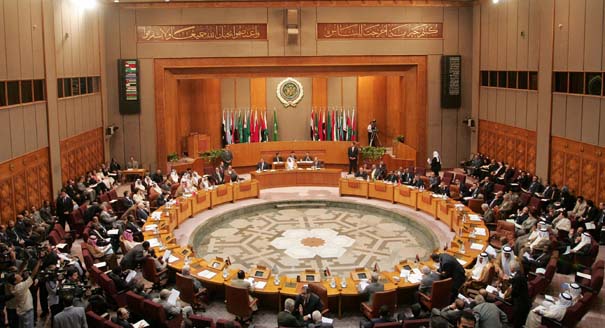
The economic success of Gulf regional integration depends on increased cooperation within the service sector and improved administrative capacity in GCC countries.
The Gulf Cooperation Council (GCC) represents one of the oldest and most ambitious regional trading agreements. Its member states—Saudi Arabia, Bahrain, Kuwait, Oman, Qatar, and the United Arab Emirates—account for some 40 percent of world oil reserves.
The Gulf Cooperation Council's (GCC) ability to fulfill its role as driver of economic growth in the region would be enhanced by the following action points:
Former Senior Associate, International Economics Program
Dadush was a senior associate at the Carnegie Endowment for International Peace. He focuses on trends in the global economy and is currently tracking developments in the eurozone crisis.
Lauren Falcão
Former Junior Fellow, Trade, Equity, and Development Program
Carnegie does not take institutional positions on public policy issues; the views represented herein are those of the author(s) and do not necessarily reflect the views of Carnegie, its staff, or its trustees.
The use of technology to mobilize Russians to vote—a system tied to the relative material well-being of the electorate, its high dependence on the state, and a far-reaching system of digital control—is breaking down.
Andrey Pertsev
The pace of change in the global economy suggests that the IMF and World Bank could be ambitious as they review their debt sustainability framework.
C. Randall Henning
As discussions about settlement and elections move from speculation to preparation, Kyiv will have to manage not only the battlefield, but also the terms of political transition. The thaw will not resolve underlying tensions; it will only expose them more clearly.
Balázs Jarábik
Despite considerable challenges, the CPTPP countries and the EU recognize the need for collective action.
Barbara Weisel
Donald Trump’s trade protectionism has provoked a remarkable range of appeals to history, but none fully captures the nature of Trumpian protectionism, even if there are echoes from the past in different aspects of its content.
Eric Helleiner










