

Commentary
As the U.S. stumbles in its war with Iran, we are likely to see an acceleration of its disengagement from the region.
Michael Young
{
  "authors": [
    "Rachel Chan"
  ],
  "type": "legacyinthemedia",
  "centerAffiliationAll": "dc",
  "centers": [
    "Carnegie Endowment for International Peace"
  ],
  "collections": [],
  "englishNewsletterAll": "asia",
  "nonEnglishNewsletterAll": "",
  "primaryCenter": "Carnegie Endowment for International Peace",
  "programAffiliation": "AP",
  "programs": [
    "Asia"
  ],
  "projects": [],
  "regions": [
    "North America",
    "United States",
    "East Asia",
    "China",
    "Taiwan"
  ],
  "topics": [
    "Foreign Policy"
  ]
}
REQUIRED IMAGE
The triangular relationship between the United States, Taiwan, and China is likely to continue on a stable trajectory as all sides try to avoid unnecessary friction and emphasize cooperation.
Source: Central News Agency

The proposition was reinforced by last year's election of a Taiwan administration that seeks to eschew unnecessary friction with China and seek areas of cooperation with Beijing, according to Paal.
He said Taiwan has at least two and a half years to seek success with its approach, and Beijing still appears willing to cooperate, though always with a wary eye to the downside risks.
Paal, who is now vice president for studies at the Carnegie Endowment for International Peace, said at the seminar titled Taipei- Washington-Beijing Relations under the Ma and Obama Administrations" that both China and the U.S. are also likely to continue their current tactics.
He said China's direction, economically and otherwise, appears to enjoy what passes for a consensus on the mainland, while the U.S., under the new Obama administration, is actively seeking to accentuate the positive with Beijing.
Obama has identified the financial crisis, climate change, and non-proliferation as his key themes and has been seeking and initially obtaining Chinese cooperation in these areas, he added.
Paal also argued that Obama would undoubtedly like to see Taiwan shoulder an appropriate share of the burden of its own necessary defense.
"Indications are that his (Obama's) administration will assess Taiwan's requests with an eye to the actual situation rather than just the statements of China's leaders," Paal said.
"The friction that could result should be manageable within the broader positive context in U.S.-China relations, and in Taiwan's own efforts to avoid clumsily treading on sensitivities and to seek common interests," he added.
In the long term, Paal said whether the U.S., Taiwan, and China will change their strategic courses will depend on three factors that include the ability of the Ma Ying-jeou administration to demonstrate to Taiwan's voters that his policies are worth continuing.
The other two factors are China's avoidance of a domestic crisis, driven by factors such as a financial collapse, a failure to stimulate domestic consumption, or an embarrassing international setback; and America's readjustment of its economic trajectory from a capital importing to a capital exporting country, the downsizing of its international exposure to conflict, and fiscal responsibility, he added.
"These are significant threats, if now remote, to the positive sum game the triangular relationship has entered. The emergence of a significant change in any one of them will have a negative impact on the other two," Paal said.
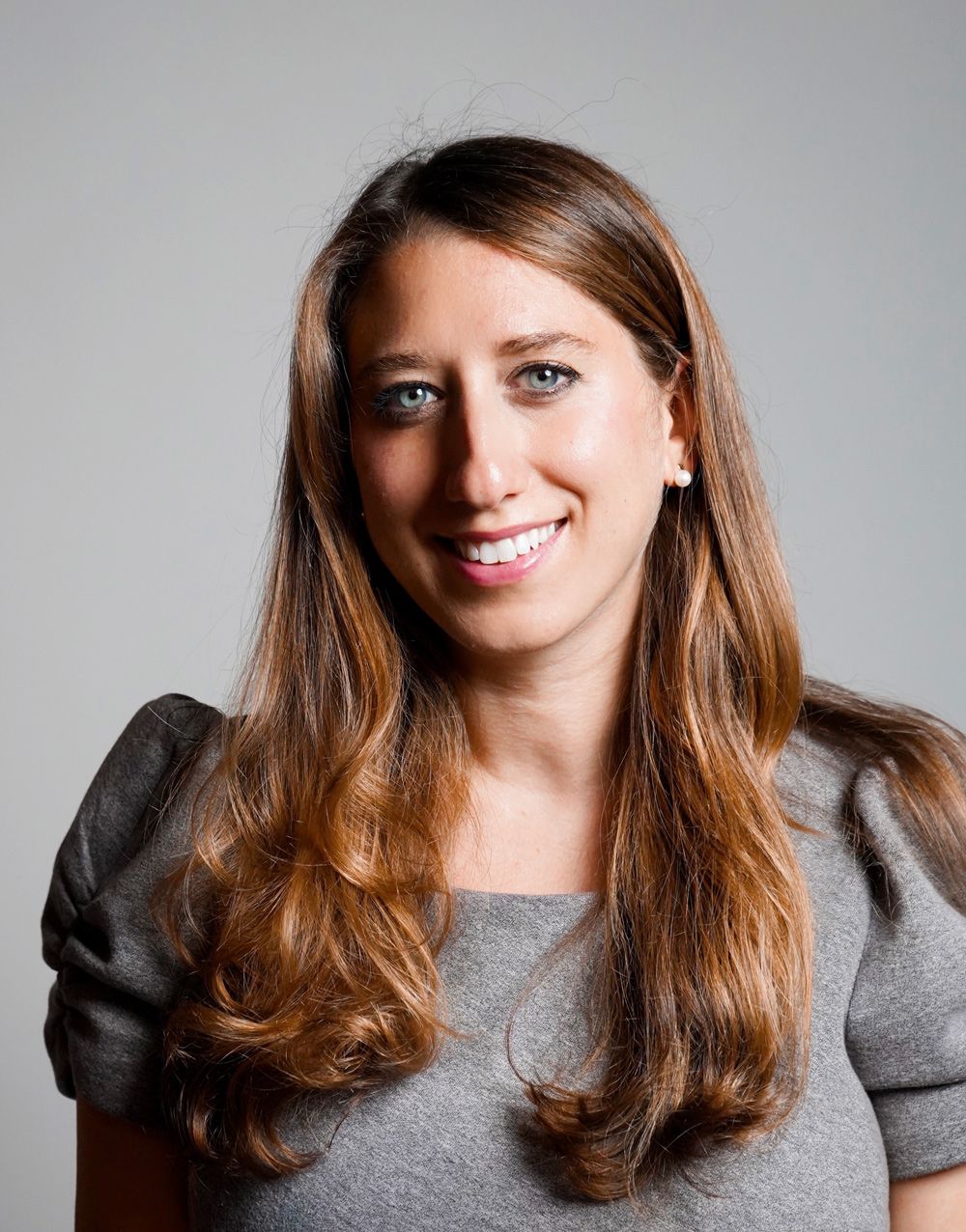
Rachel Chan
Carnegie does not take institutional positions on public policy issues; the views represented herein are those of the author(s) and do not necessarily reflect the views of Carnegie, its staff, or its trustees.

As the U.S. stumbles in its war with Iran, we are likely to see an acceleration of its disengagement from the region.

Michael Young
Why governance of rapidly evolving technology will be distributed and complex.


Stewart Patrick, Scott Singer
It should address the shortcomings of previous crisis communication efforts and adapt to the demands of frontier AI.

Lucy Luo
Washington’s decision to support some UN functions while letting others wither is pulling the organization apart at the seams.
Stewart Patrick, Theodore Zaritsky
While there are notable demographic, economic, and geographic divides over AI, there is also substantial alignment between Republicans and Democrats.


Ian Klaus, Mark Baldassare, Rachel George, …