

Paper
Policy proposals on sovereign debt must both match the scale of the challenge and be implementable within existing political constraints.
David McNair
{
  "authors": [],
  "type": "pressRelease",
  "centerAffiliationAll": "",
  "centers": [
    "Carnegie Endowment for International Peace"
  ],
  "collections": [],
  "englishNewsletterAll": "",
  "nonEnglishNewsletterAll": "",
  "primaryCenter": "Carnegie Endowment for International Peace",
  "programAffiliation": "",
  "programs": [],
  "projects": [],
  "regions": [
    "South America",
    "North America"
  ],
  "topics": [
    "Economy"
  ]
}
REQUIRED IMAGE
The global financial crisis was a result of failures in both the market and state—markets created financial turmoil and regulatory agencies failed to detect risks and correct imbalances. As Latin American countries emerge from the crisis, both the market and state are needed to ensure sustainable growth.
WASHINGTON, Nov 11—The global financial crisis was a result of failures in both the market and state—markets created financial turmoil and regulatory agencies failed to detect risks and correct imbalances. As Latin American countries emerge from the crisis, both the market and state are needed to ensure sustainable growth, says a new paper by Alejandro Foxley, former foreign and finance minister of Chile.
Analyzing the successes and mistakes of economic policies over the past twenty years, Foxley makes recommendations for Latin America to achieve development that creates fewer inequalities and increases the capacity for innovation.
Recommendations
“As they emerge from the most recent crisis, Latin American economies need both—more market and more state. More market will enable them to exploit new opportunities through bilateral or multilateral trade agreements, and expand public-private partnerships,” writes Foxley. “A more intelligent state, acting as a catalyst for development, could encourage creativity and foster entrepreneurship.”
###
NOTES
Carnegie does not take institutional positions on public policy issues; the views represented herein are those of the author(s) and do not necessarily reflect the views of Carnegie, its staff, or its trustees.

Policy proposals on sovereign debt must both match the scale of the challenge and be implementable within existing political constraints.
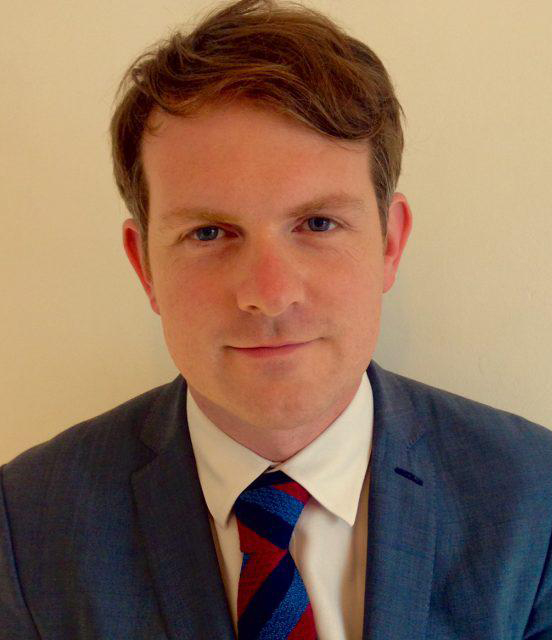
David McNair

For every ruble allocated to social policy, health, and education in 2027, double that amount is earmarked for the army, the police, and the security services.

Alexandra Prokopenko

The European Commissioner for Trade is headed to China. But after President Xi’s bridge-building visit to Washington, can a more isolated EU overcome Beijing’s stranglehold on critical raw materials? Who will blink first?

Rym Momtaz, ed.

The domestic impacts of how long it is taking to end the war in Ukraine have pushed the French electorate to the political extremes and compromised the country’s diplomatic capacity.
Rym Momtaz

The Plaza Accord was not an externally imposed punishment of Japan but part of a broader restructuring that Japanese economists and policymakers themselves recognized was necessary. Its effects were undermined, however, when Tokyo responded to the resulting slowdown with policies that exacerbated investment, credit expansion, and the very imbalances the adjustment was intended to resolve.

Michael Pettis