

Article
Marina Ottaway, Omar Hossino
{
  "authors": [
    "Marina Ottaway"
  ],
  "type": "other",
  "centerAffiliationAll": "dc",
  "centers": [
    "Carnegie Endowment for International Peace",
    "Malcolm H. Kerr Carnegie Middle East Center",
    "Carnegie Russia Eurasia Center"
  ],
  "collections": [],
  "englishNewsletterAll": "menaTransitions",
  "nonEnglishNewsletterAll": "",
  "primaryCenter": "Malcolm H. Kerr Carnegie Middle East Center",
  "programAffiliation": "MEP",
  "programs": [
    "Middle East"
  ],
  "projects": [],
  "regions": [
    "Middle East",
    "North Africa",
    "Egypt",
    "Gulf",
    "Levant",
    "Maghreb",
    "North America",
    "United States"
  ],
  "topics": [
    "Political Reform",
    "Democracy",
    "Foreign Policy"
  ]
}
Source: Getty
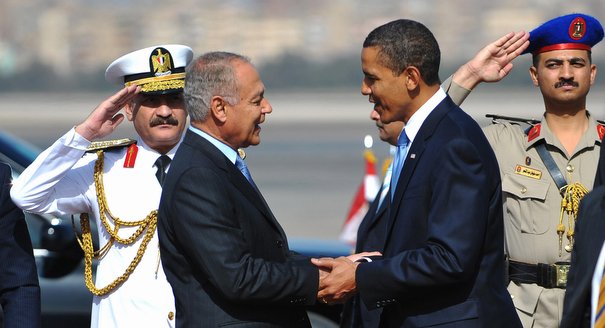
The Obama administration must engage in a new type of dialogue with the Middle East, one modeled after the process used to improve relations with the Soviet bloc, if it wants to have any chance of impacting political reform in the region.
President Obama is under pressure to relaunch the political reform agenda in the Middle East, but low U.S. credibility and the region’s political stagnation leave little hope that typical methods will be successful. The last time a U.S. administration faced a similar situation with such unfavorable circumstances for advancing political reform was over 30 years ago during the height of the Cold War.
To have a chance at impacting political reform in the Middle East under the present circumstances, the Obama administration should open a dialogue with governments in the region, modeled on the Helsinki process that was used to improve relations with the Soviet bloc. The United States must be willing to discuss the universal principles that should underlie its own Middle East policy if they want to engage Arab countries in a discussion of the principles they should respect.
If the Obama administration wants to embark on a new policy of promoting political reform, it must understand certain realities:
“There is, of course, a much easier way for the Obama administration to show that the United States still cares about political reform in the Middle East, one that would not require the United States to adjust its own policies,” writes Ottaway. “It could go back to exhorting Arab governments to change; it could launch new initiatives on women’s rights or education; it could even become more daring and enter into a dialogue with Islamist parties. Given the conditions that exist in the Arab world now, such steps would make little difference and do nothing to restore the United States’ much-eroded credibility on the subject of democracy and political reform.”
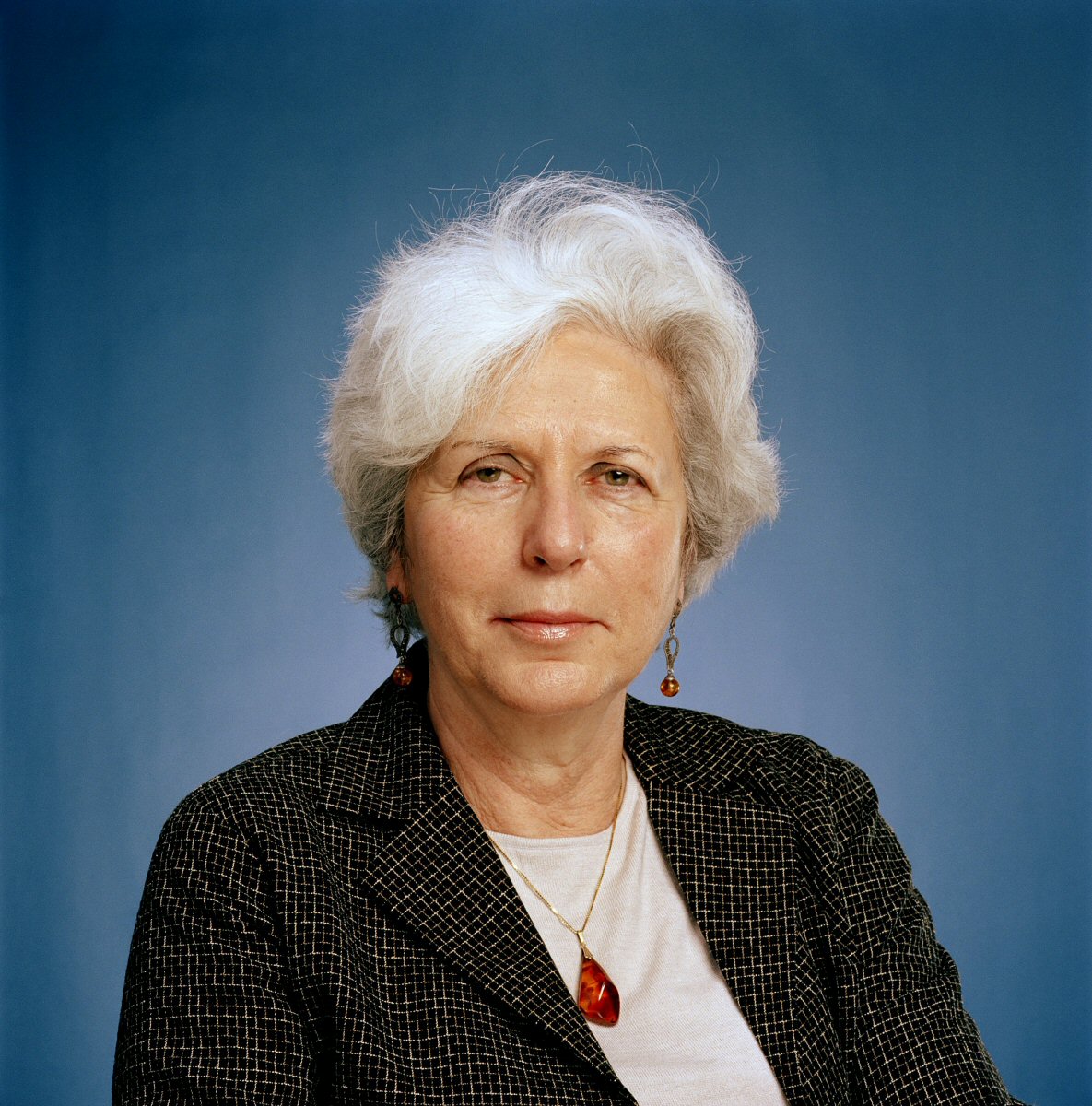
Former Senior Associate, Middle East Program
Before joining the Endowment, Ottaway carried out research in Africa and in the Middle East for many years and taught at the University of Addis Ababa, the University of Zambia, the American University in Cairo, and the University of the Witwatersrand in South Africa.
Recent Work
Marina Ottaway, Omar Hossino
Marina Ottaway
Carnegie does not take institutional positions on public policy issues; the views represented herein are those of the author(s) and do not necessarily reflect the views of Carnegie, its staff, or its trustees.

The books, podcasts, and films that explain the world it made.

Andrew Leber

U.S. trading partners in Asia are closely watching the dispute for signs of how it may affect their own interests.

Barbara Weisel

The aftermath of the Ceuta crisis shows Europe has drawn the wrong lessons. Rather than doubling down on failed migration policies, the EU needs to address the underlying roots of such episodes.

Richard Youngs
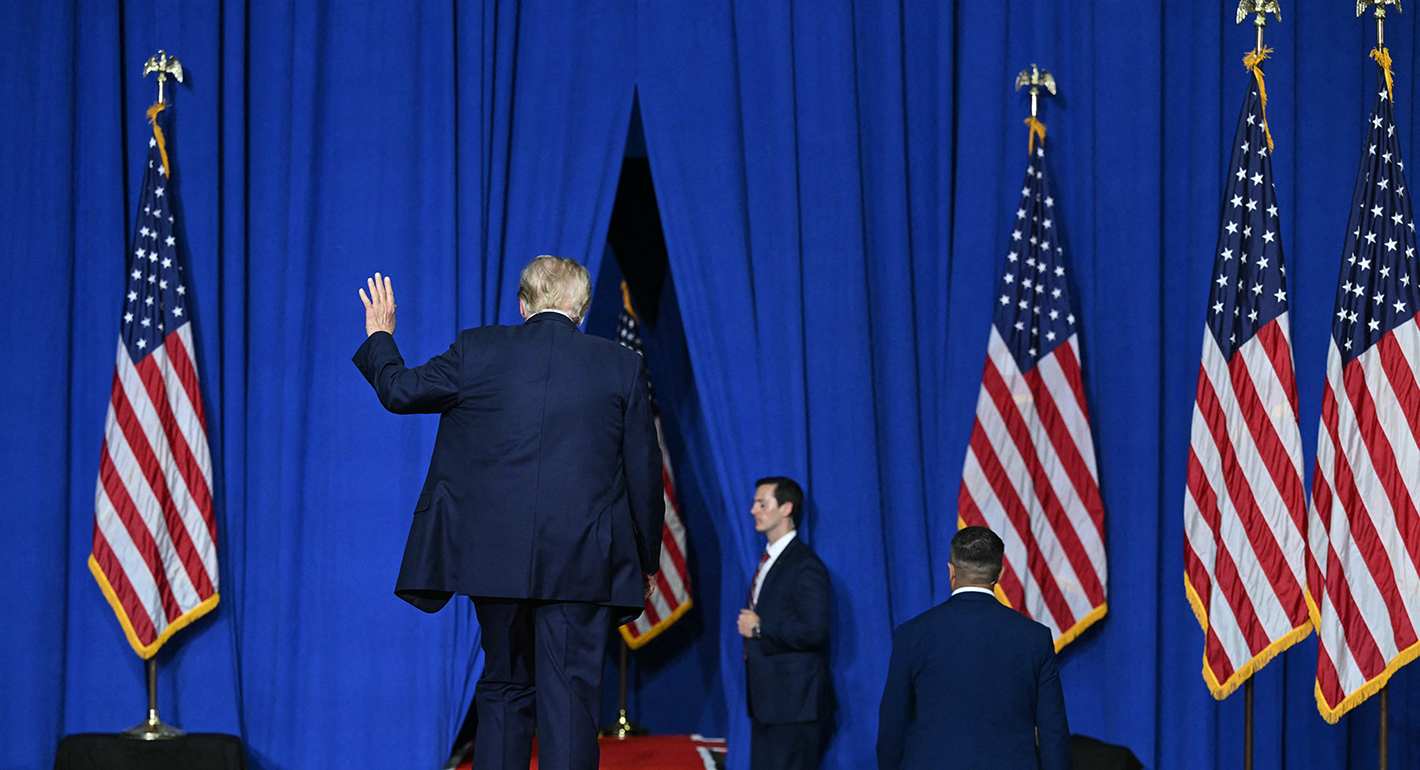
By abandoning past U.S. pro-democracy policies and adopting several lines of pro-autocratic action, the Trump administration has fundamentally repositioned the United States vis-à-vis democracy in the world.

Thomas Carothers
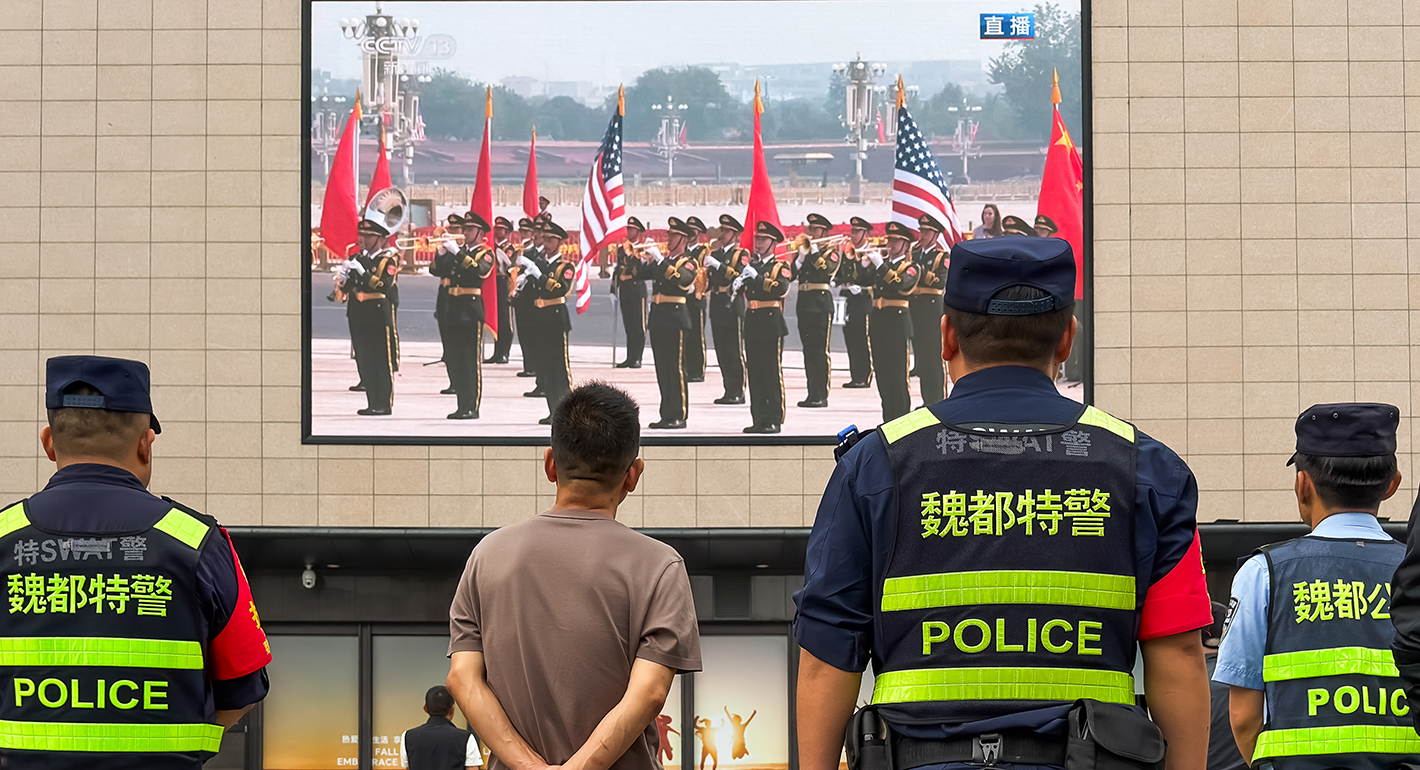
Chinese strategists are once again debating whether American power is declining and whether U.S. hegemony is experiencing irreversible decay.
Wu Xinbo