

Other
Taiya M. Smith
{
  "authors": [
    "Taiya M. Smith"
  ],
  "type": "legacyinthemedia",
  "centerAffiliationAll": "dc",
  "centers": [
    "Carnegie Endowment for International Peace"
  ],
  "collections": [],
  "englishNewsletterAll": "ctw",
  "nonEnglishNewsletterAll": "",
  "primaryCenter": "Carnegie Endowment for International Peace",
  "programAffiliation": "SCP",
  "programs": [
    "Sustainability, Climate, and Geopolitics"
  ],
  "projects": [],
  "regions": [
    "North America",
    "United States",
    "South Asia",
    "India",
    "East Asia",
    "China"
  ],
  "topics": [
    "Climate Change",
    "Foreign Policy"
  ]
}
Source: Getty
India, China, and the United States have all made important political commitments at the climate-change negotiations in Denmark, but more work remains to be done before a legally binding agreement for developed and developing nations might be reached.
Source: Zeenews.com

In an exclusive interview with Kamna Arora of Zeenews.com, an expert on climate policy, Taiya M Smith, discusses the ongoing UN talks and significance of India’s pledge towards achieving a political accord in Copenhagen.
Taiya M Smith is a senior associate in Energy and Climate Program, Carnegie Endowment for International Peace.
Kamna: Indian Prime Minister Manmohan Singh is seeking a legally binding substantive outcome at the Copenhagen if it is accompanied by an equitable burden-sharing paradigm. Will his stand help achieve something substantial in Denmark?
Smith: The Indian commitment is an important step towards achieving a political agreement in Copenhagen. However, few countries are in a position to reach a legally-binding agreement, and as many of the issues around long-term contributions are outstanding, it might not be in the favour of developing countries to reach a binding agreement yet. A political agreement is a powerful step forward so long as it is accompanied with a timeline for when a legally binding agreement can be reached.
Kamna: Should any agreement in Copenhagen take into account that some nations contributed to the initial global pollution stock much more than others?
Smith: Any agreement will distinguish between industrialised and developing countries. It is important that the agreement recognises developing countries’ need to continue to grow their economies and for industrial countries to continue to keep their economies strong. However, there needs to be pressure on both developed and developing countries to ensure that they develop new ways to power their economies in a sustainable manner.
Kamna: How can the formation of a world governance body help in monitoring carbon emissions?
Smith: There are a number of options for how to monitor whether countries are fulfilling their obligations to reduce greenhouse gas emissions. One of them is to establish an international body that would allow countries to monitor each other through a dispute reconciliation mechanism, such as the way the WTO operates. This could turn out to be one of the most effective ways to ensure both that China develops a strong internal system and that the international community has the ability to engage with China on the data that it issues. For such a system to work, China would have to be willing to report all its data to the management organisation, not just those figures associated with internationally funded projects.
Kamna: Are global leaders serious enough to counter climate threat?
Smith: Some are, and most importantly, the biggest emitters are serious. With the US and China both taking a very serious position, and now India also choosing a position, we are in a much better position to tackle this issue than ever before. US President (Barack) Obama is very serious about this issue as is Senator (John) Kerry. Their joint leadership in Copenhagen should prove pivotal for the negotiations.
Kamna: Copenhagen meeting is a historic meeting. Comment.
Smith: This will be the largest COP (the 15th Conference of the Parties) in history. What this means is that countries have come to the conclusion that climate change is real and that we must act jointly to ensure we manage this threat. At the same time, the stakes are high and every country is looking for the best economic deal that it can get out of the negotiations.
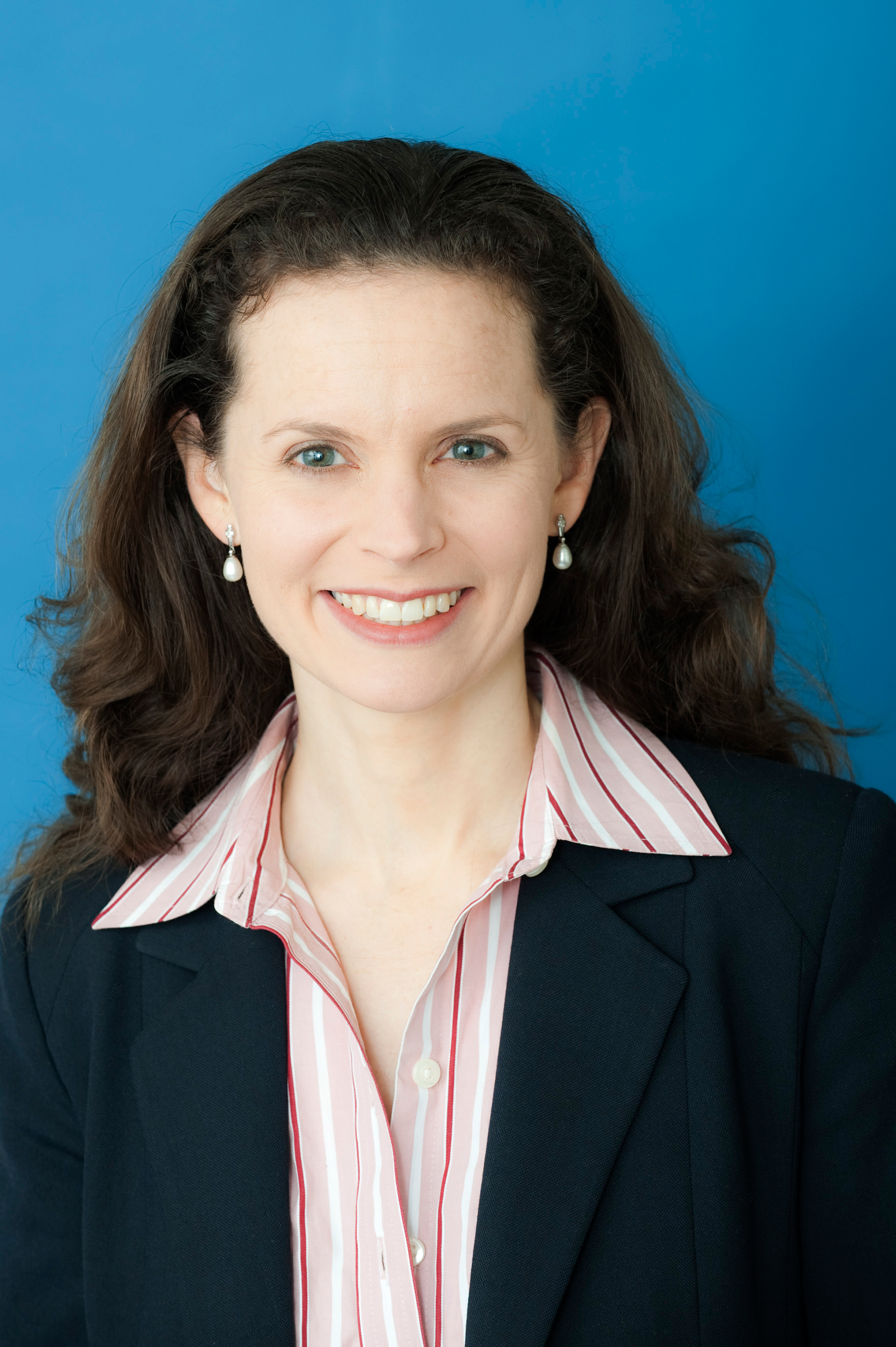
Former Senior Associate, Energy and Climate Program, Asia Program
Smith has spent the last decade working in international negotiations. Most recently, she served as a member of Secretary Hank Paulson’s senior management team from 2006 to 2009 as the deputy chief of staff and executive secretary for the U.S. Department of the Treasury.
Recent Work
Uri Dadush, Vera Eidelman, Taiya M. Smith
Carnegie does not take institutional positions on public policy issues; the views represented herein are those of the author(s) and do not necessarily reflect the views of Carnegie, its staff, or its trustees.

It should address the shortcomings of previous crisis communication efforts and adapt to the demands of frontier AI.

Lucy Luo

Washington’s decision to support some UN functions while letting others wither is pulling the organization apart at the seams.

Stewart Patrick, Theodore Zaritsky

While there are notable demographic, economic, and geographic divides over AI, there is also substantial alignment between Republicans and Democrats.


Ian Klaus, Mark Baldassare, Rachel George, …

Are Germany’s economic, industrial, and political struggles becoming a liability for the EU’s ability to rise to the geopolitical moment?

Rym Momtaz, ed.

China’s police training infrastructure construction projects provide benefits to recipient countries, promote China’s image as a major global security provider, and are likely to reinforce alignment between Beijing’s security priorities and those of countries in the Global South.


Cameron Waltz, Sheena Chestnut Greitens, Kim Nguyen, …