

Article
Uri Dadush, Vera Eidelman, Taiya M. Smith
{
  "authors": [
    "Taiya M. Smith"
  ],
  "type": "other",
  "centerAffiliationAll": "dc",
  "centers": [
    "Carnegie Endowment for International Peace",
    "Carnegie Europe"
  ],
  "collections": [],
  "englishNewsletterAll": "asia",
  "nonEnglishNewsletterAll": "",
  "primaryCenter": "Carnegie Endowment for International Peace",
  "programAffiliation": "AP",
  "programs": [
    "Asia"
  ],
  "projects": [],
  "regions": [
    "North America",
    "United States",
    "East Asia",
    "China",
    "Asia"
  ],
  "topics": [
    "Foreign Policy"
  ]
}
Source: Getty
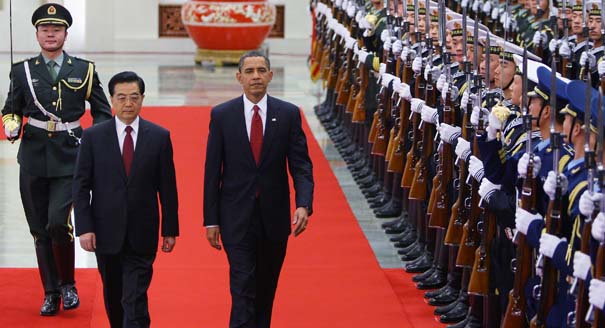
While the United States and China—the world’s two largest economies—are becoming increasingly interdependent, there is a growing risk of misunderstanding or even clashes. The two powers need a dialogue to provide strategic vision to their relationship.
While the United States and China—the world’s two largest economies—are becoming increasingly interdependent, there is a growing risk of misunderstanding or even clashes. In a new paper, Taiya Smith says the two powers need a dialogue to provide strategic vision to their relationship.
Smith, who led the U.S.-China Strategic Economic Dialogue for Treasury Secretary Paulson, draws on examples from her experience to analyze the recent history of strategic dialogues and recommends steps for Washington and Beijing to take to improve the broader bilateral relationship.
“What the U.S.-China relationship needs is a truly strategic discussion to steer a critically important, yet increasingly complex, bilateral relationship while still managing the time-sensitive issues of the day,” writes Smith.

Former Senior Associate, Energy and Climate Program, Asia Program
Smith has spent the last decade working in international negotiations. Most recently, she served as a member of Secretary Hank Paulson’s senior management team from 2006 to 2009 as the deputy chief of staff and executive secretary for the U.S. Department of the Treasury.
Recent Work
Uri Dadush, Vera Eidelman, Taiya M. Smith
William Chandler, Taiya M. Smith
Carnegie does not take institutional positions on public policy issues; the views represented herein are those of the author(s) and do not necessarily reflect the views of Carnegie, its staff, or its trustees.
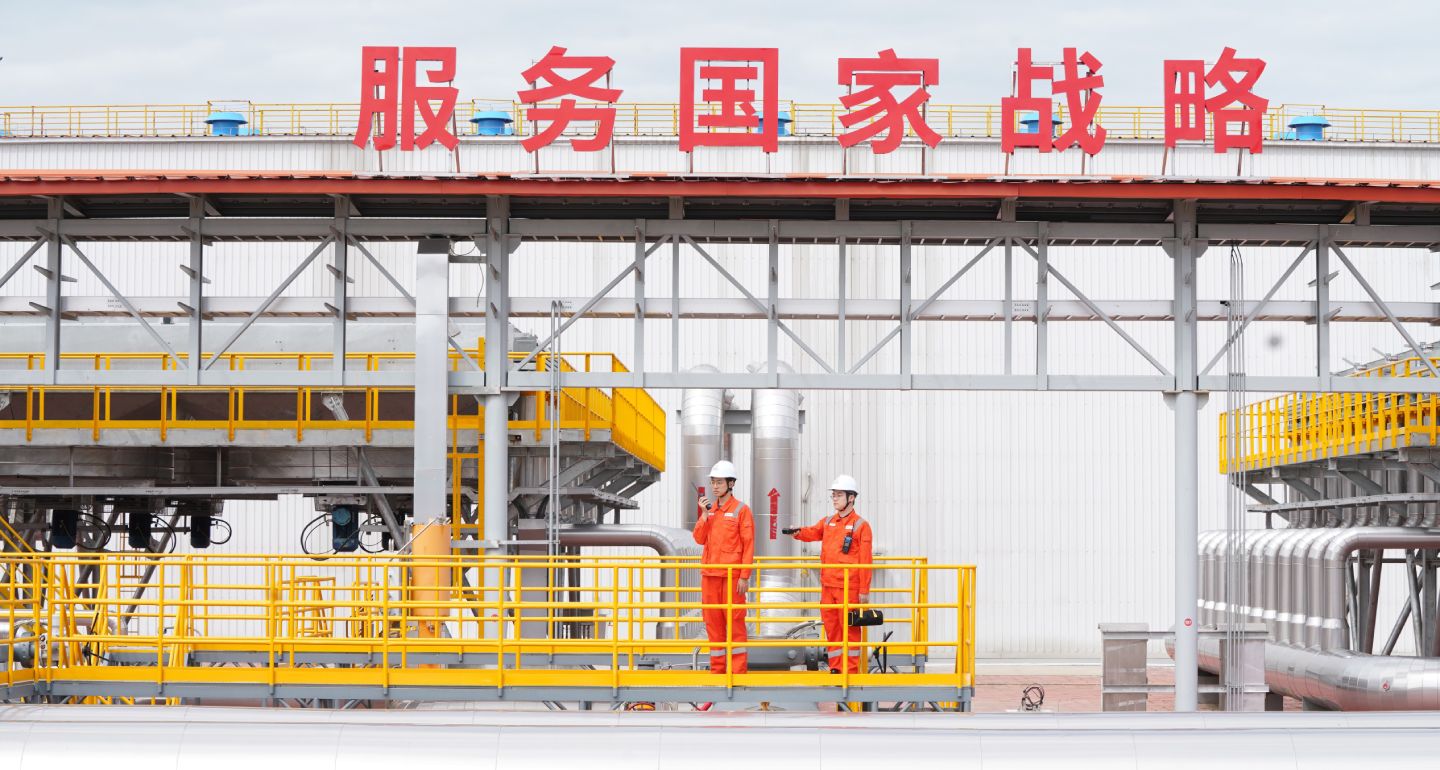
A leak of Russian gas price data helps establish that China is paying Russia far less than Central Asian countries and Gazprom’s former European customers.

Sergey Vakulenko

China’s political future will be shaped between now and next October. As the Communist Party enters its intense “campaign season” to prepare for a major political transition in 2027, reading Beijing's actions and responses may become more difficult as domestic politics weigh on its behavior more than usual.

Damien Ma

The EU can impose sanctions but struggles to enforce them without the United States. With Washington increasingly disinterested in backing European interests, the bloc must now fend for itself.


Nicu Popescu, Tiago Antunes
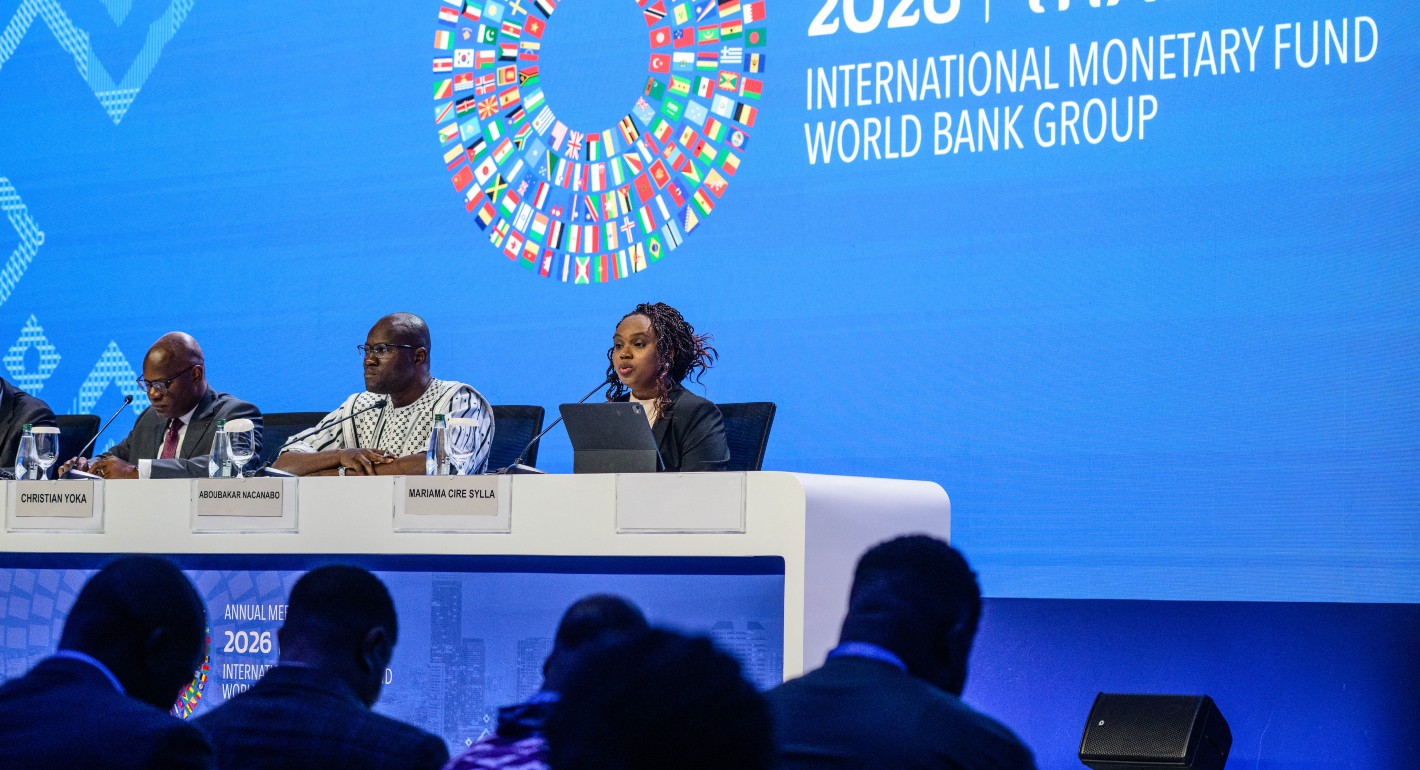
Global and rising powers will need to engage with Africa’s priorities and agency in order to secure the continent’s increasingly attractive partnerships.
Fonteh Akum

Rubio’s recent visit brought welcome attention, but more capital requires governance changes that may be a hard sell for regional governments.

Jennifer B. Murtazashvili