

Q&A
Christopher Boucek
{
  "authors": [
    "Christopher Boucek"
  ],
  "type": "legacyinthemedia",
  "centerAffiliationAll": "dc",
  "centers": [
    "Carnegie Endowment for International Peace"
  ],
  "collections": [],
  "englishNewsletterAll": "menaTransitions",
  "nonEnglishNewsletterAll": "",
  "primaryCenter": "Carnegie Endowment for International Peace",
  "programAffiliation": "MEP",
  "programs": [
    "Middle East"
  ],
  "projects": [],
  "regions": [
    "Middle East",
    "Yemen"
  ],
  "topics": [
    "Security",
    "Foreign Policy"
  ]
}
Source: Getty
Given the multi-faceted challenges facing Yemen, resources for fighting al-Qaeda are scarce. The international community must assist Yemen not only in short term counterterrorism initiatives, but also in crucial long term development assistance.
Source: CBS News
The failed Christmas day attack has brought increasing tension to Yemen. While the United States and the international community are focusing on the threat from al-Qaeda in the Arab Peninsula, the Yemeni military is facing a secessionist movement in the south and battling Houthi rebels in the north. In some sense, the Yemeni government and the United States have divergent goals, because, “as long as the Yemeni military is engaged in fighting a civil war, they aren’t engaged in fighting al-Qaeda,” notes Christopher Boucek. Ultimately, the United States and Yemen must work together “to address long term issues like education and the economy,” and not just short term counterterrorism activities, to ensure Yemen’s security and stability.

Former Associate, Middle East Program
Boucek was an associate in the Carnegie Middle East Program where his research focused on security challenges in the Arabian Peninsula and Northern Africa.
Recent Work
Christopher Boucek

Christopher Boucek, Karim Sadjadpour
Carnegie does not take institutional positions on public policy issues; the views represented herein are those of the author(s) and do not necessarily reflect the views of Carnegie, its staff, or its trustees.

This piece argues that the present Indian strategy, based on opportunistic diversification and utilization of limited strategic reserves, remains inadequate when confronting supply disruptions. It evaluates India’s options in the short, medium, and long terms.

Vrinda Sahai

Its reinstatement should be celebrated, but it retains some major shortcomings.

Leonardo Martinez-Diaz
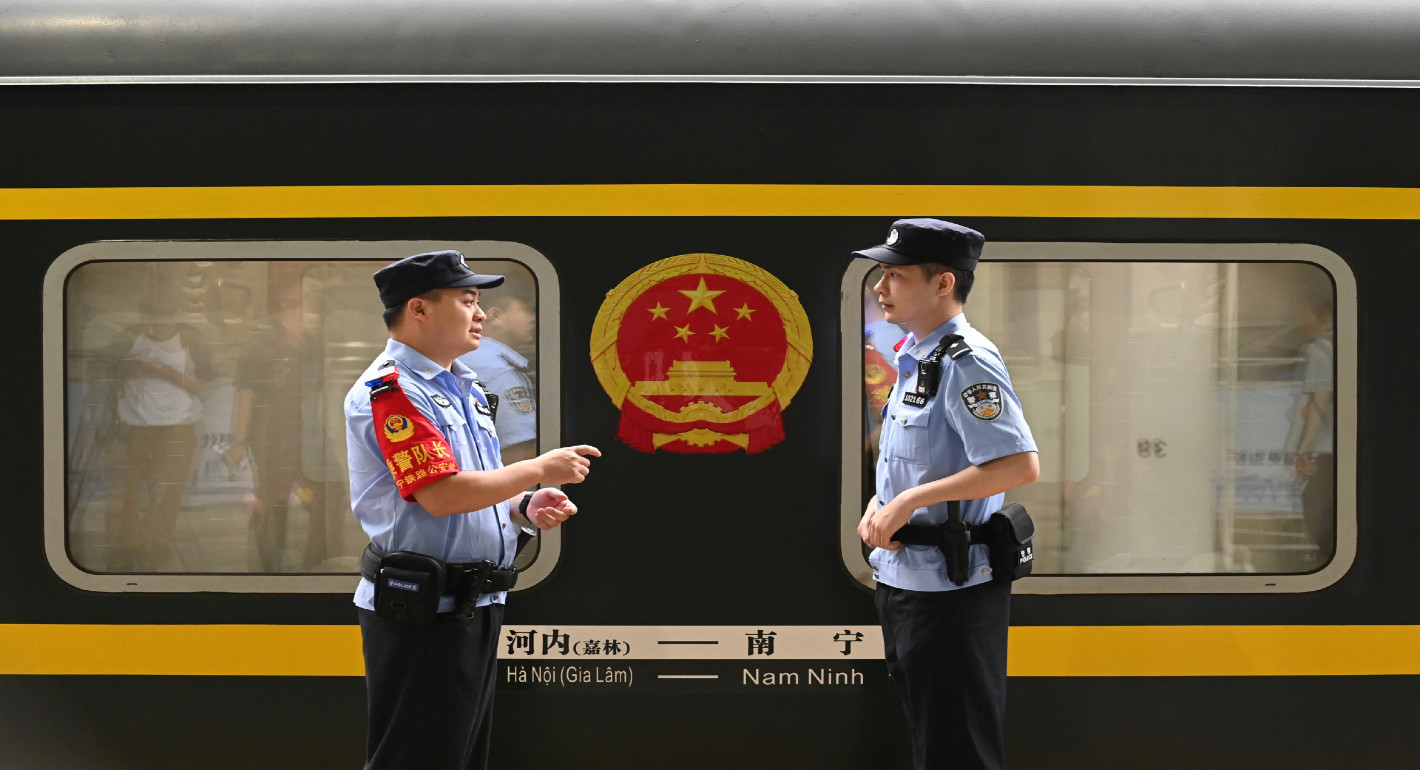
Despite long-standing differences, China and Vietnam are reinforcing common ground for collaboration, especially in public security. This internal security–centered diplomacy offers a strengthened road map for how China moves forward with Southeast Asia.
Sophie Zhuang
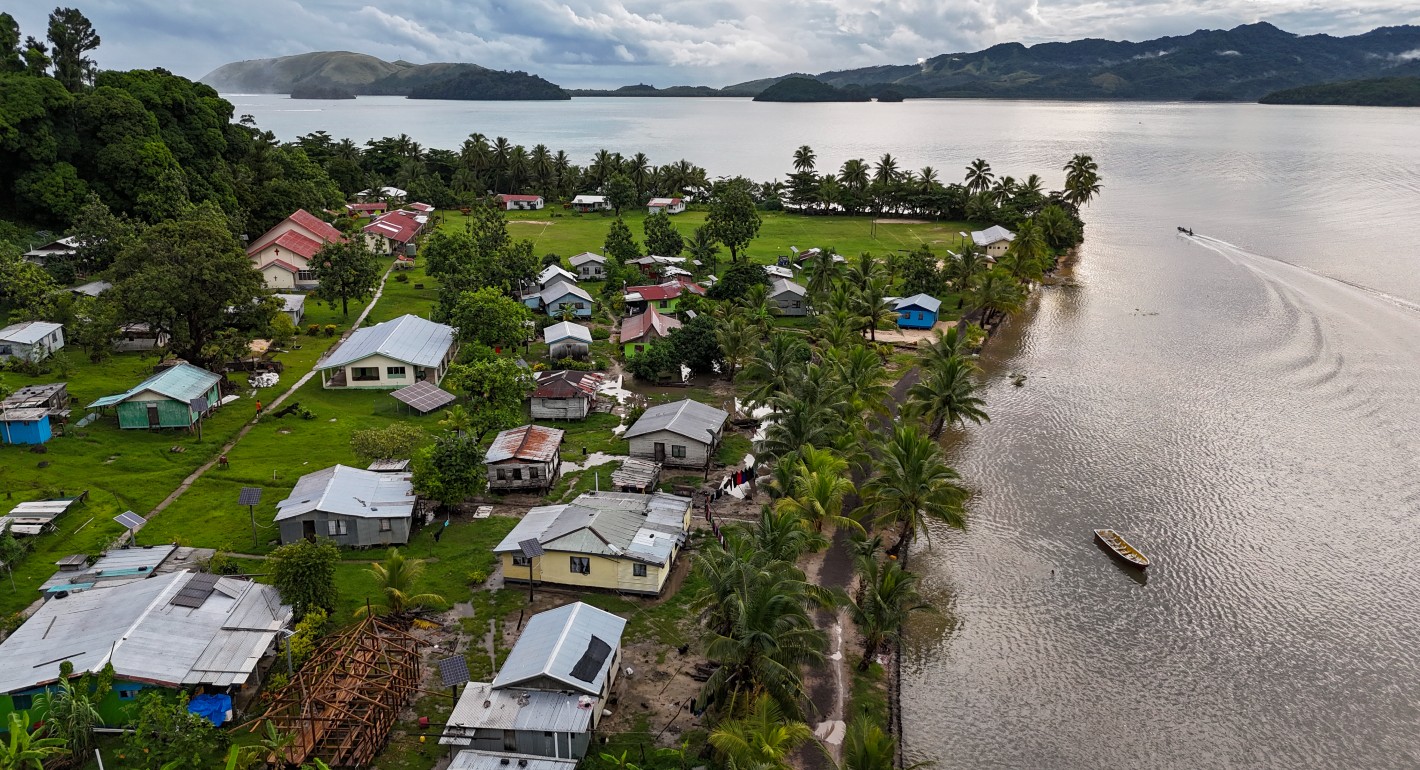
Climate mobility interventions can vary, but they all present opportunities to unlock transformative results that mitigate costs associated with inaction.

Alejandro Martin Rodriguez

Four Middle East experts analyze the region’s reactions and next steps.



Amr Hamzawy, Andrew Leber, Eric Lob, …