

Q&A
Suzanne Maloney, Aaron David Miller, Karim Sadjadpour
{
  "authors": [
    "Karim Sadjadpour"
  ],
  "type": "legacyinthemedia",
  "centerAffiliationAll": "dc",
  "centers": [
    "Carnegie Endowment for International Peace"
  ],
  "collections": [],
  "englishNewsletterAll": "menaTransitions",
  "nonEnglishNewsletterAll": "",
  "primaryCenter": "Carnegie Endowment for International Peace",
  "programAffiliation": "MEP",
  "programs": [
    "Middle East"
  ],
  "projects": [],
  "regions": [
    "Middle East",
    "Iran"
  ],
  "topics": [
    "Political Reform"
  ]
}
Source: Getty
While the Iranian regime succeeded in preventing large scale demonstrations on February 11 by shutting down many of the mechanisms used by the opposition to communicate and mobilize, the movement remains vibrant and robust.
Source: MSNBC's Andrea Mitchell Reports
In spite of high expectations for opposition protests on the 31st anniversary of the establishment of the Islamic Republic, the Iranian regime was able to prevent significant demonstrations. The protesters weren’t able to mobilize as they had previously, because the regime “turned the off switch on the internet” and “people were not able to communicate,” according to Karim Sadjadpour. Yet the regime’s attempt to shut down communications mechanisms and bus in counter-demonstrators were still not able to fully stop the opposition.
Some have labeled the small protests a sign of weakness in the ranks of the opposition. Sadjadpour explains that “counting heads is not a good barometer to gauge popular opinion. I am very confident that if the people were allowed to freely assemble we would see as many as 5 million people marching in Tehran and millions of others around the country.” In the initial weeks following the June 12 presidential election, many detractors of the opposition speculated the movement would fizzle out. Yet, despite the draconian measures of the regime, “the amount of people that under the green movement umbrella has only increased.”

Senior Fellow, Middle East Program
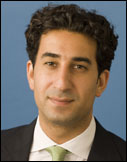
Karim Sadjadpour is a senior fellow at the Carnegie Endowment for International Peace, where he focuses on Iran and U.S. foreign policy toward the Middle East.
Recent Work


Suzanne Maloney, Aaron David Miller, Karim Sadjadpour

Aaron David Miller, Karim Sadjadpour, Robin Wright
Carnegie does not take institutional positions on public policy issues; the views represented herein are those of the author(s) and do not necessarily reflect the views of Carnegie, its staff, or its trustees.

China’s political future will be shaped between now and next October. As the Communist Party enters its intense “campaign season” to prepare for a major political transition in 2027, reading Beijing's actions and responses may become more difficult as domestic politics weigh on its behavior more than usual.

Damien Ma
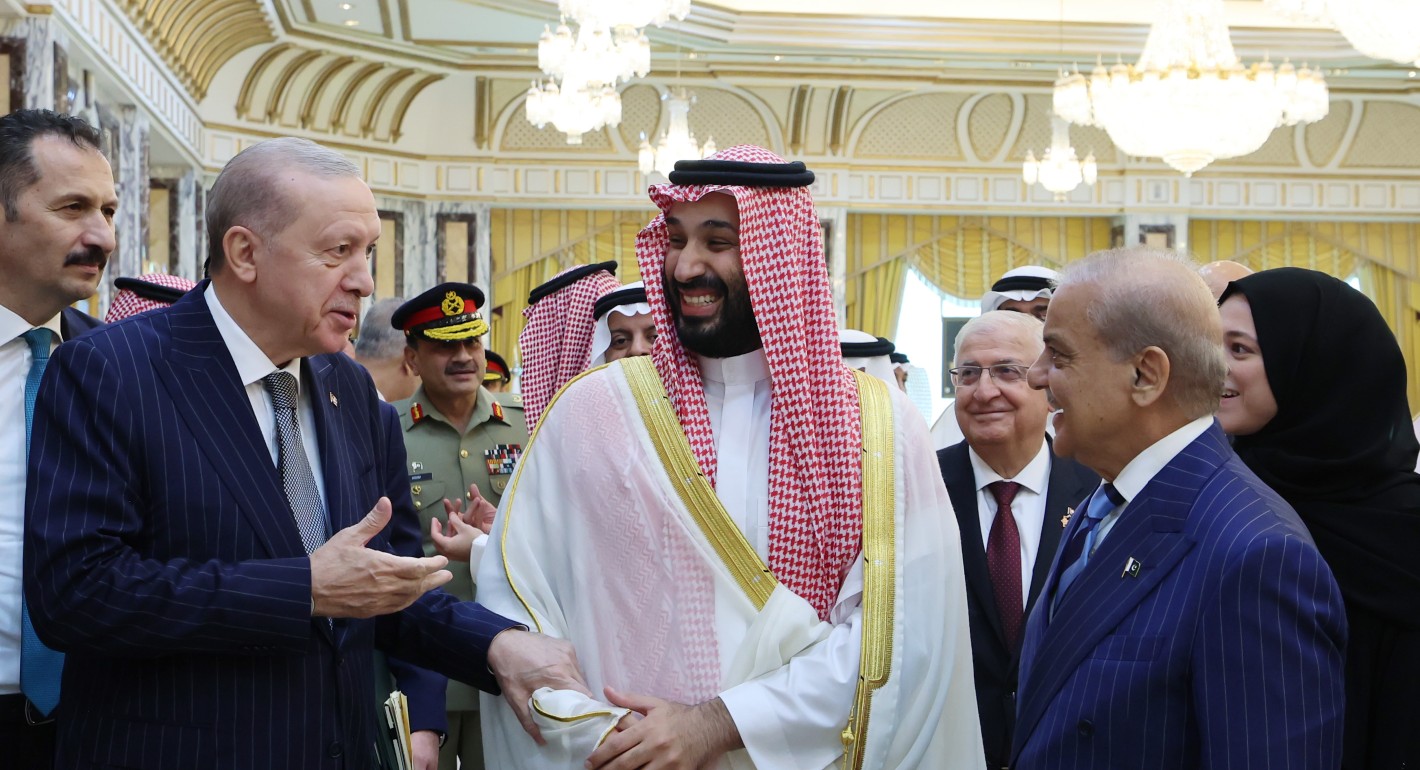
Why Pakistan, Saudi Arabia, and Turkey are joining forces on regional security.


Alper Coşkun, Amr Hamzawy
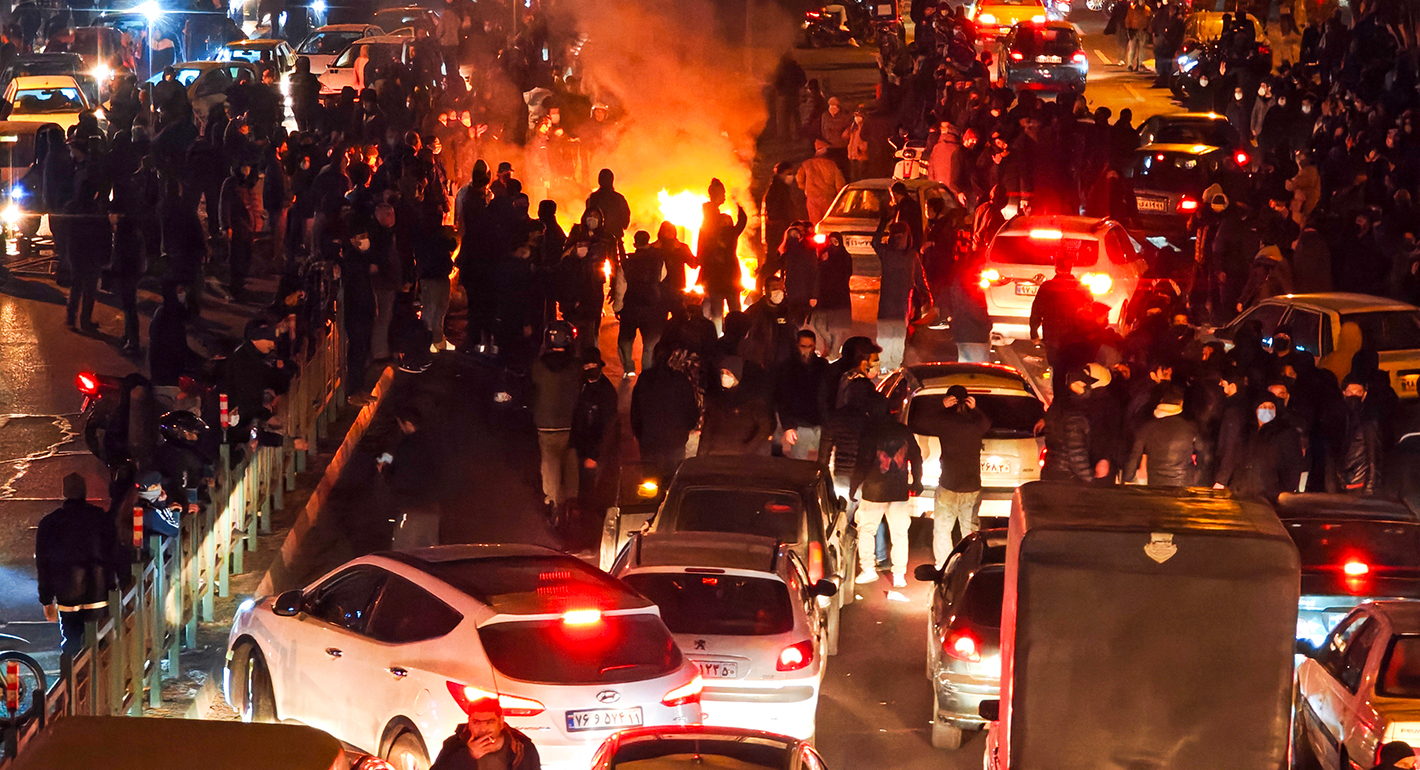
Protests in Iran follow a similar pattern: Economic grievances turn into political protests that spread nationwide. But increased state repression has begun to shift the arrangement.

Eric Lob
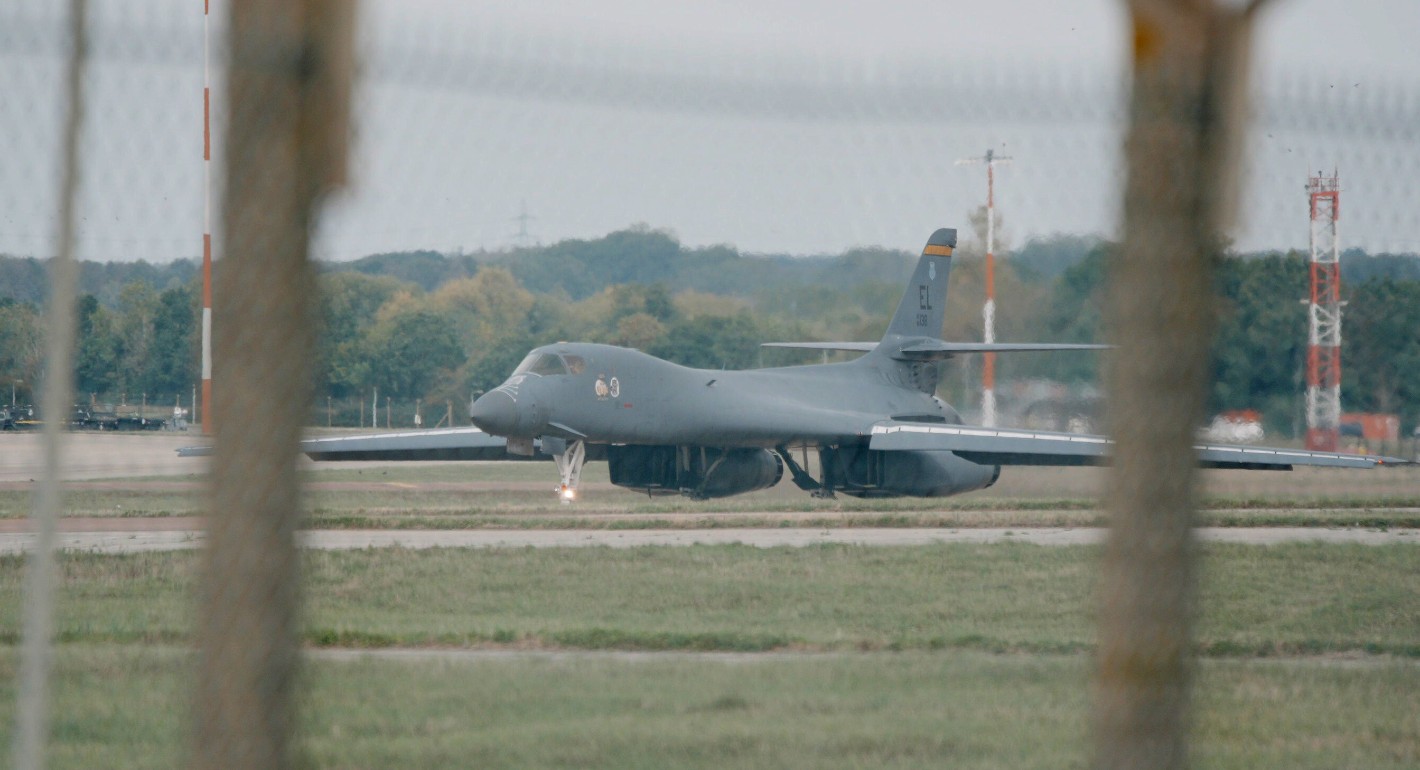
It signals a new era of tech diffusion and warfare.

Steve Feldstein

Putin’s conservative staffing policies and search for ever greater control have cemented parliament’s transformation into a bureaucratic appendage of the executive branch.

Andrey Pertsev