

Paper
George Perkovich
{
  "authors": [
    "George Perkovich"
  ],
  "type": "other",
  "centerAffiliationAll": "dc",
  "centers": [
    "Carnegie Endowment for International Peace",
    "Carnegie Europe",
    "Carnegie Russia Eurasia Center"
  ],
  "collections": [
    "U.S. Nuclear Policy"
  ],
  "englishNewsletterAll": "ctw",
  "nonEnglishNewsletterAll": "",
  "primaryCenter": "Carnegie Endowment for International Peace",
  "programAffiliation": "NPP",
  "programs": [
    "Nuclear Policy"
  ],
  "projects": [
    "Eurasia in Transition"
  ],
  "regions": [
    "North America",
    "United States"
  ],
  "topics": [
    "Nuclear Policy"
  ]
}
Source: Getty
President Obama should assess whether any other leaders of major countries are seriously prepared to pursue a nuclear-weapon-free world. If some are, he should invite them to join him in detailing a ten-year action plan to minimize the dangers posed by fissile materials and maximize the potential of peaceful nuclear energy.
A year ago in Prague President Obama declared America’s commitment to seeking a world free of nuclear weapons. Obama's vision has been misinterpreted by the right and the left and, more importantly, key countries have not done enough to help achieve progress, concludes a new paper by George Perkovich that analyzes, country by country, reactions to Obama’s nuclear agenda.
The landmark speech presented an agenda for nuclear disarmament, nonproliferation, and counterterrorism. Upcoming events—the results of the Nuclear Posture Review, the Nuclear Security Summit in Washington, the Non-Proliferation Treaty (NPT) Review Conference in New York, and the ratification of the new START treaty between the United States and Russia—will show whether other leaders in the United States and around the world are willing to join Obama.
We have a "a talented president ready to lead a long-term campaign to remove the existential threats posed by nuclear weapons, but as yet lacking sufficient colleagues and followers to make it happen," writes Perkovich. "To get from here to there—from today’s world to one without nuclear weapons—requires a collection of leaders willing to do the unglamorous, complicated work of strengthening cooperation and rules one year at a time."

Japan Chair for a World Without Nuclear Weapons, Senior Fellow
George Perkovich is the Japan Chair for a World Without Nuclear Weapons and a senior fellow in the Carnegie Endowment for International Peace’s Nuclear Policy Program. He works primarily on nuclear deterrence, nonproliferation, and disarmament issues.
Recent Work
George Perkovich
George Perkovich
Carnegie does not take institutional positions on public policy issues; the views represented herein are those of the author(s) and do not necessarily reflect the views of Carnegie, its staff, or its trustees.

The acknowledgment has sparked fears of a new arms race with China and Russia.

Chris O’Meara
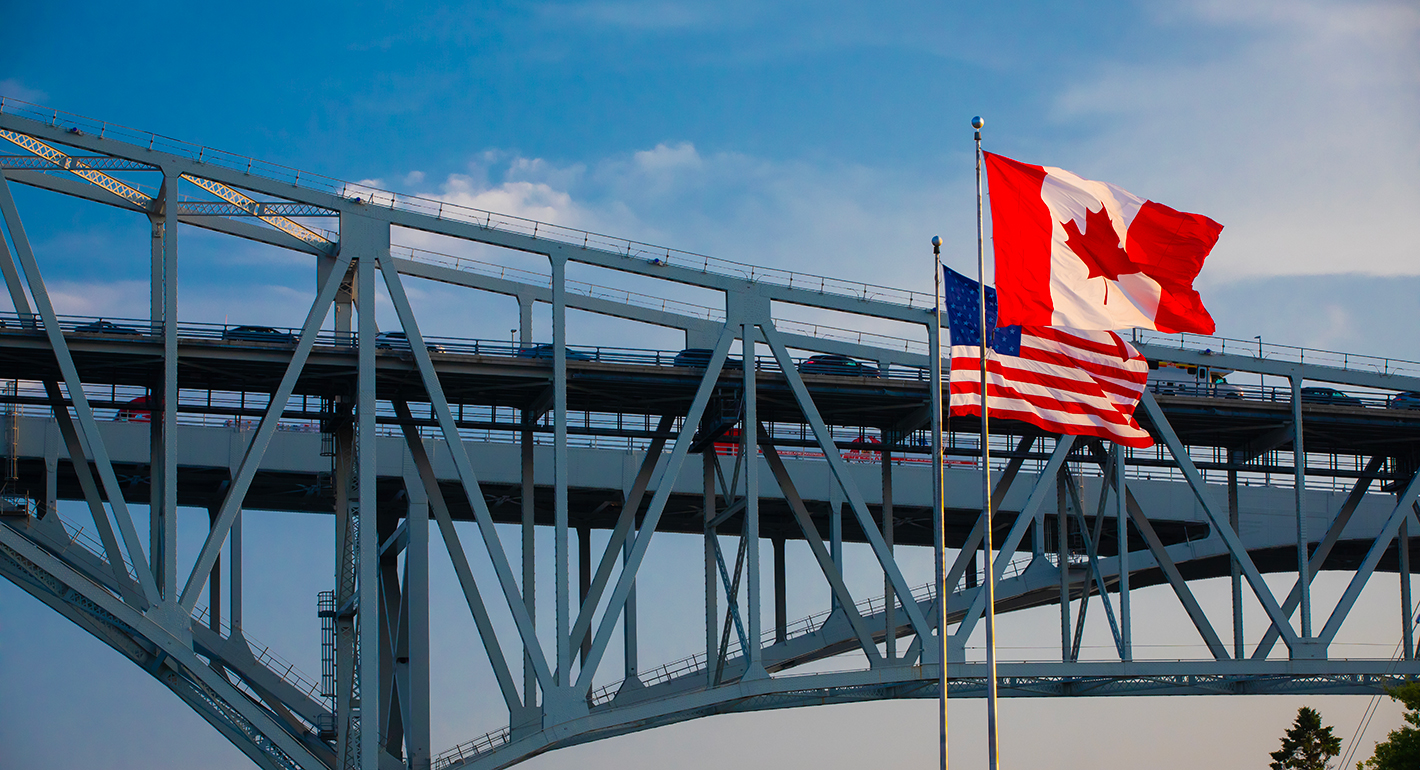
Smaller powers cannot go it alone, but Canadian history shows that integration with the United States will not always be benign.
Paul Samson
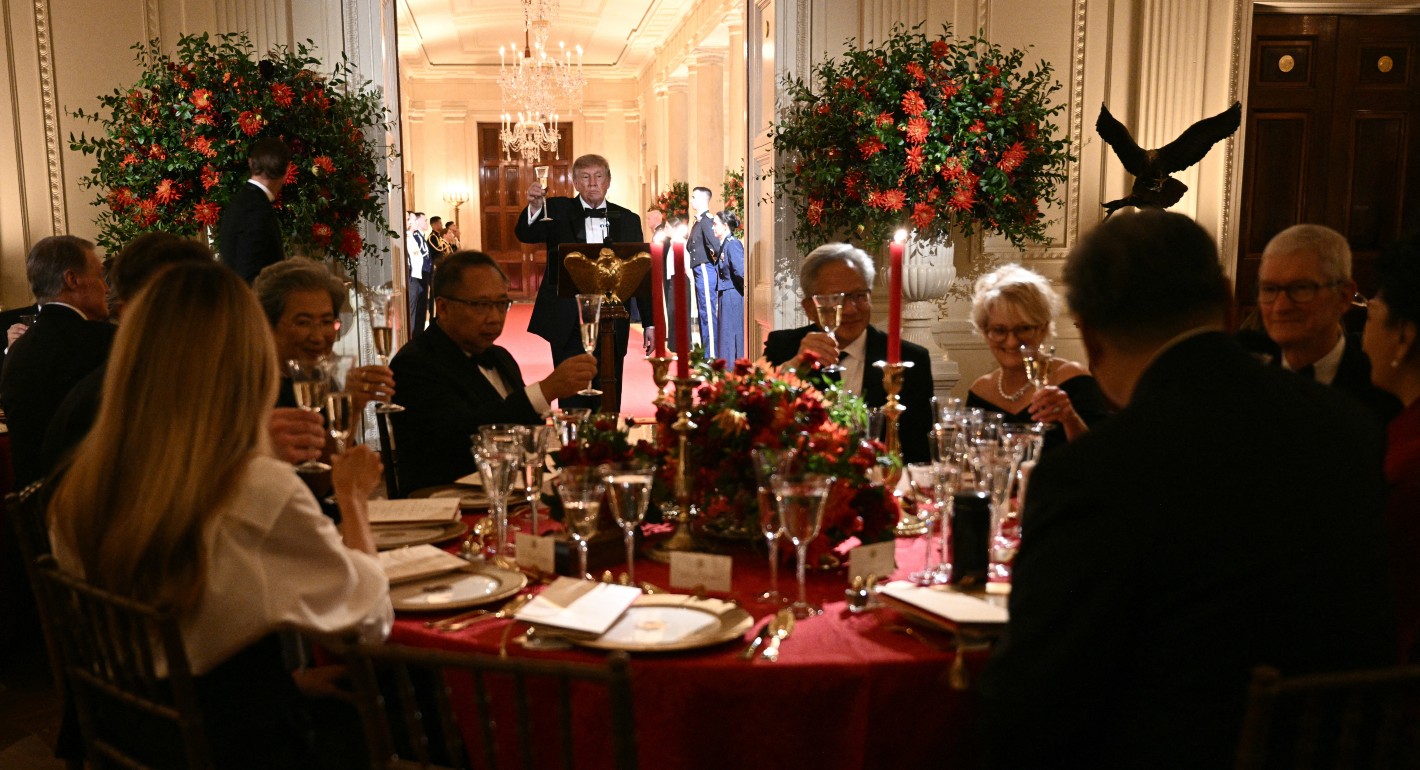
The summit may be remembered as a fatal blunder, when Washington, Beijing, and the AI industry collectively chose ceremony over action.
Jeffrey Prescott

European NATO countries are wrestling with the possibility of U.S. disengagement from the alliance. With the continent’s security increasingly uncertain, governments must restore the credibility of their collective defense.



Hans-Dieter Lucas, Adam Thomson, Pierre Vimont
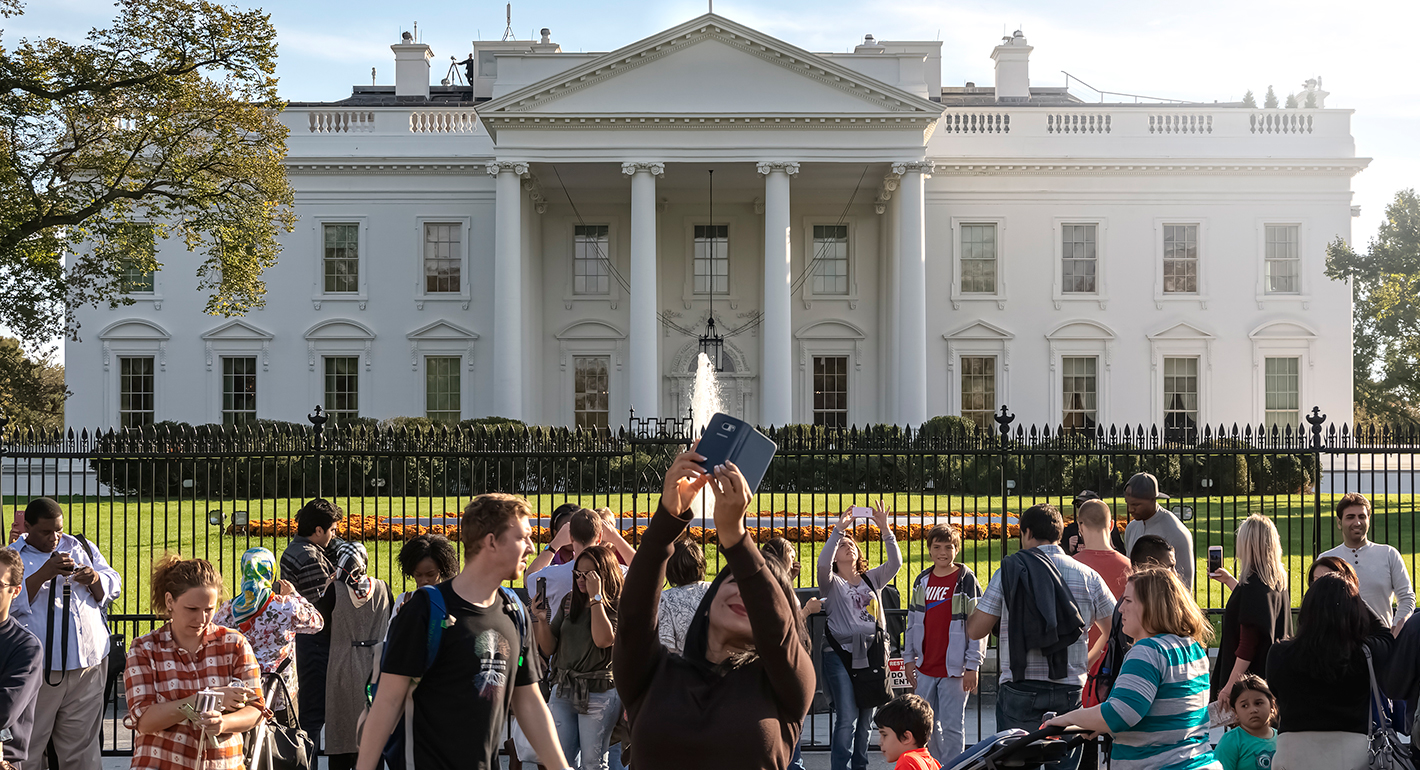
Soft power on its own is insufficient to meet U.S. national security needs, but hard power also has its limits. Soft power allows for more effective and efficient use of hard power than hard power alone, as it encourages cooperation and compliance which deters the need for hard power.

Sarah Yerkes