

In The Media
Minxin Pei
{
  "authors": [
    "Minxin Pei"
  ],
  "type": "legacyinthemedia",
  "centerAffiliationAll": "dc",
  "centers": [
    "Carnegie Endowment for International Peace",
    "Carnegie Europe"
  ],
  "collections": [],
  "englishNewsletterAll": "asia",
  "nonEnglishNewsletterAll": "",
  "primaryCenter": "Carnegie Endowment for International Peace",
  "programAffiliation": "AP",
  "programs": [
    "Asia"
  ],
  "projects": [],
  "regions": [
    "East Asia",
    "China",
    "Asia"
  ],
  "topics": [
    "Political Reform",
    "Economy"
  ]
}
Source: Getty
Local governments and state-owned enterprises have created China’s current housing bubble, but average Chinese taxpayers will bear the burden of the pending housing market collapse.
Source: The Diplomat

So why do bubbles keep occurring if they’re bad for society as a whole? Because they’re still good for a small minority—after all, if bubbles are bad for everybody, then it’s inconceivable that they’d be created in the first place. And at the moment, based on conventional measures, China is Exhibit A for anyone wishing to see a runaway housing bubble.
For example, the vacancy rate is sky-high, a classic symptom of speculative real estate investment. Chinese authorities recently disclosed that, based on monthly readings of electric meters, 65 million housing units in Chinese cities register zero power usage, indicating that they are unoccupied. The ratio of a property’s listed price to the amount required to rent the same property in large Chinese cities is 500 to 1, compared with the global average of 300 to 1. Until July this year, urban housing prices had been rising at double-digit rates. The average monthly increase from April to June (compared with 2009) was, for example, 12.2 percent.
But before looking at who will pay when the bubble eventually bursts, it’s worth figuring out first who benefits from China’s ‘irrationally exuberant’ property sector.
It’s tempting to point fingers at individual speculators. But while individual speculators certainly share some of the blame for the froth in the housing sector, they are not the primary drivers of sky-high housing prices.
There are two principal culprits here. First, local governments are perhaps the most important contributors to the housing bubble. As the real estate sector (land prices and taxes) generates more than 40 percent of the fiscal revenues of local governments, they’ve been intentionally driving up land prices to reap additional proceeds and use inflated land under their control as collateral against bank loans. Despite Beijing’s pledge to increase the amount of low-cost housing, local governments are dead set against such a policy because building low-cost housing means lower land sale prices and lower real estate transaction taxes for them.
The other culprit is state-owned enterprises. Many of them want to make a killing in the lucrative property market. With access to almost unlimited no-cost credit from the state-controlled banking system, these behemoths have abused their financial clout and plunged headlong into the real estate market, snapping up high-priced land and investing in high-end residential housing units that now sit empty across the country.
If the bubble bursts, will the culprits pay for their sins?
Not necessarily. Local governments will lose revenue and the ability to use inflated land as a means to raise bank loans. But when their access to funds generated by the real estate bubble is cut, local governments will most likely do two things—they’ll cut back on their wasteful investments in infrastructure and prestige projects and also reduce local services, thus hurting ordinary people. Local government officials themselves shouldn’t be expected to go on a strict diet of fiscal austerity. In all likelihood, they will continue to enjoy their generous perks.
State-owned enterprises whose real estate projects have gone bust will not pay a price, either. None of them will be forced to pay back the bank loans since, in the eyes of their executives, paying back loans from state-owned banks is like moving money from one pocket to another—not exactly a very meaningful exercise. As before, bad real estate loans will be written off. It’s a Chinese version of ‘heads I win, tails you lose.’
So who will foot the bill for the anticipated collapse of China’s ‘bubbly’ property sector?
Unfortunately, China’s taxpayers will twice be made the victims by the housing bubble. In the bubble years, they are priced out of the market for affordable housing. When the bubble bursts, they’ll pay for the clean-up. When Chinese state-owned banks write off their bad loans, they don’t do so with money growing on trees. Instead, the Ministry of Finance will issue special-purpose bonds to recapitalize the banks—and fund the bail-out with future tax receipts.
Many Chinese officials often claim that China is exceptional. In this case, they may have a point. In the West, greedy capitalists cause bubbles; in China, greedy communists do.
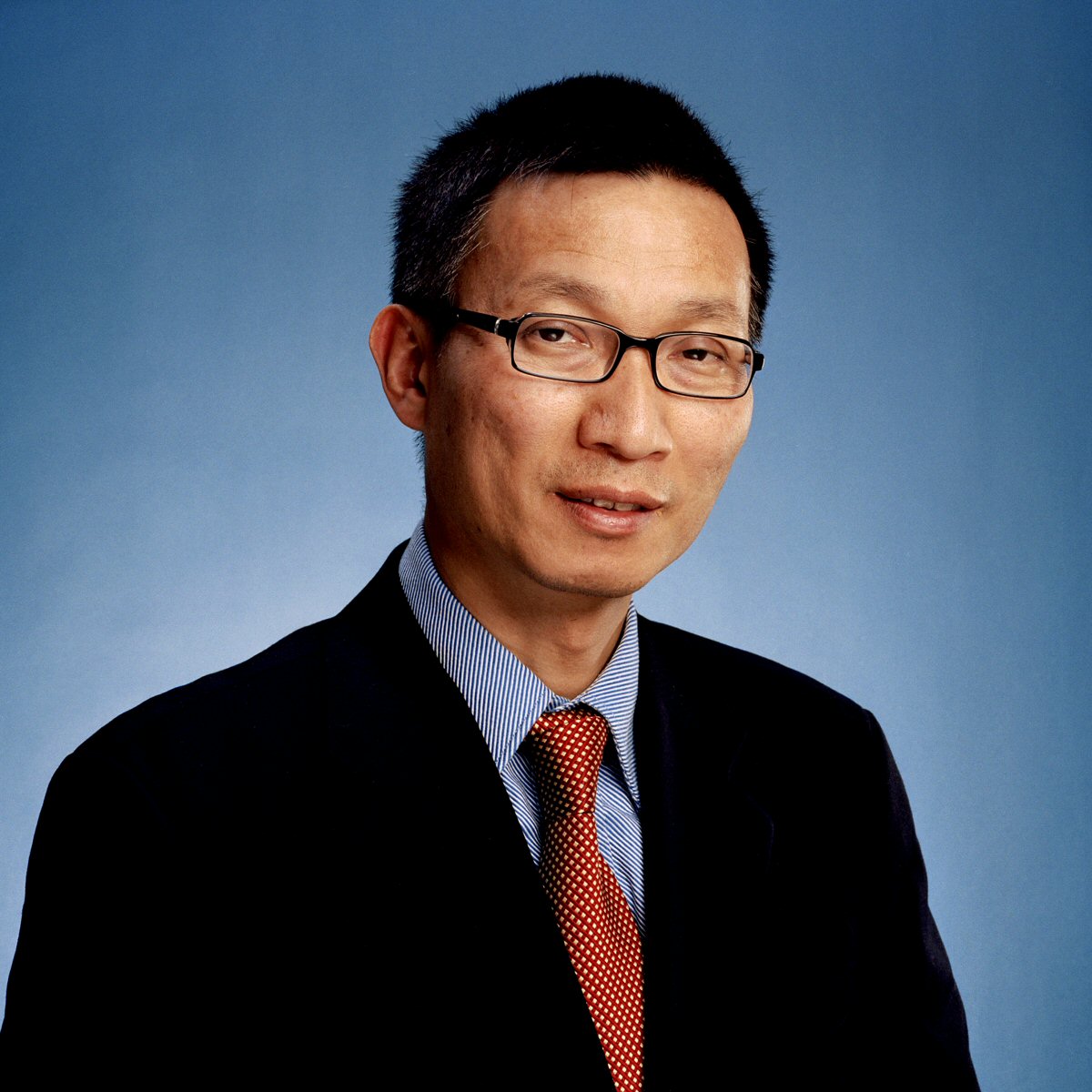
Former Adjunct Senior Associate, Asia Program
Pei is Tom and Margot Pritzker ‘72 Professor of Government and the director of the Keck Center for International and Strategic Studies at Claremont McKenna College.
Recent Work
Minxin Pei
Minxin Pei
Carnegie does not take institutional positions on public policy issues; the views represented herein are those of the author(s) and do not necessarily reflect the views of Carnegie, its staff, or its trustees.

With the growth in points of friction between the great powers, organizations like the SCO will continue to play a role in the strategic adaptation of the smaller powers caught between them.

Temur Umarov
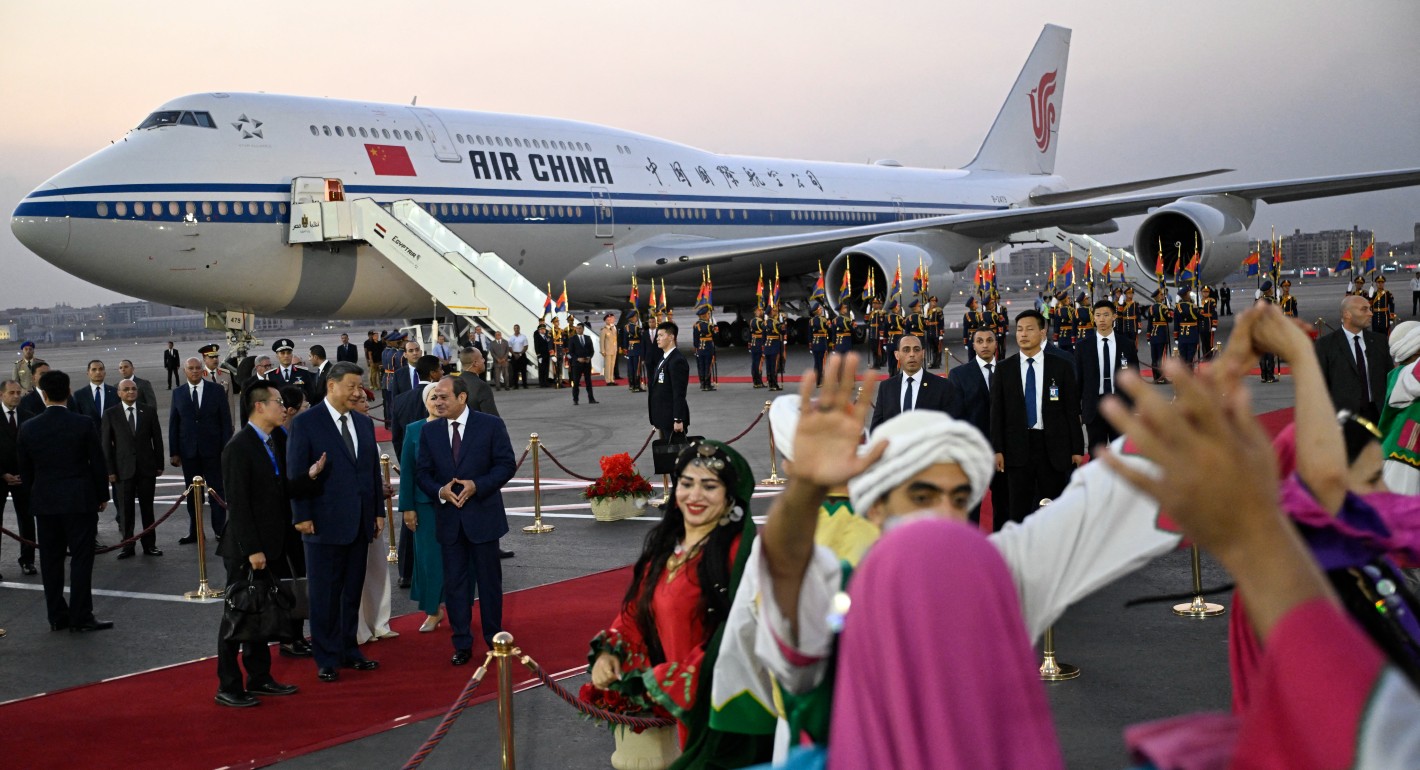
Amid celebrations of bilateral ties was a deeper focus on stability in the Middle East.

Amr Hamzawy
Xi, Putin, and other regional leaders are back-slapping in Bishkek, but the SCO has yet to answer the most serious questions about continental Asia's economic future.

Evan A. Feigenbaum
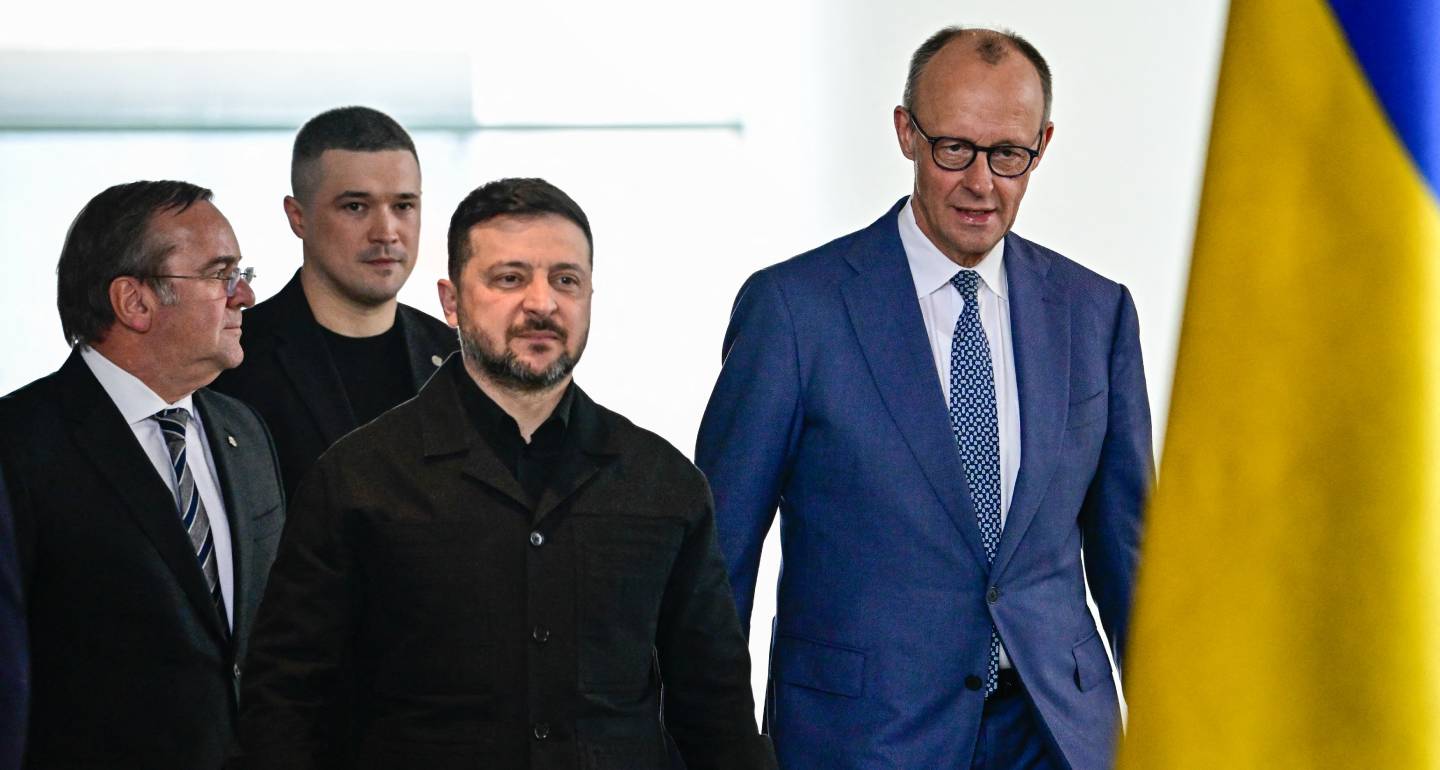
The greater threat to Zelensky comes not from Fedorov alone, but from the convergence between the former defense minister’s political campaign and the anti-corruption investigations moving ever closer to the presidential administration.

Balázs Jarábik
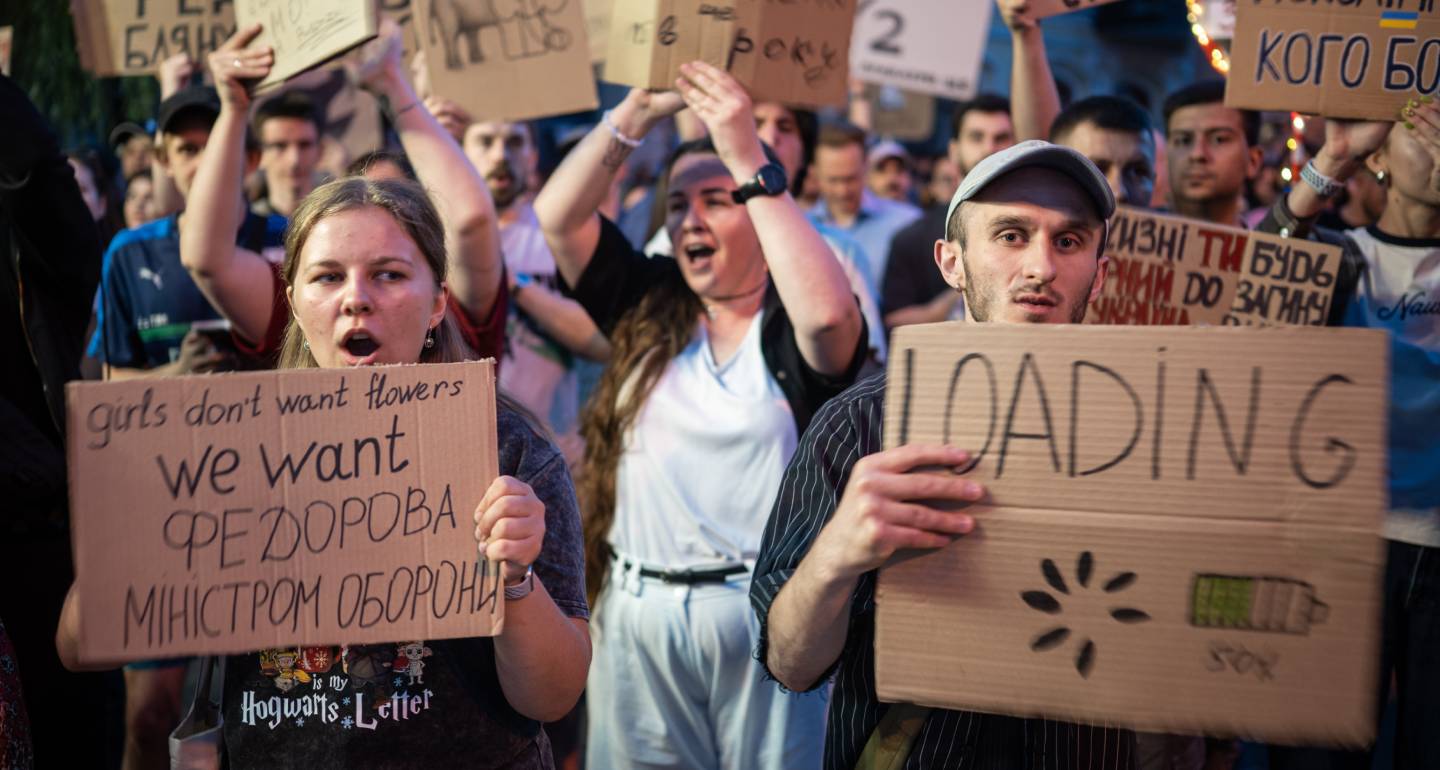
With his public call for new elections in Ukraine, ex-defense minister Mykhailo Fedorov has opened Pandora’s box.

Konstantin Skorkin