

Commentary
It should address the shortcomings of previous crisis communication efforts and adapt to the demands of frontier AI.
Lucy Luo
{
  "authors": [],
  "type": "pressRelease",
  "centerAffiliationAll": "dc",
  "centers": [
    "Carnegie Endowment for International Peace"
  ],
  "collections": [
    "U.S. Nuclear Policy"
  ],
  "englishNewsletterAll": "ctw",
  "nonEnglishNewsletterAll": "",
  "primaryCenter": "Carnegie Endowment for International Peace",
  "programAffiliation": "NPP",
  "programs": [
    "Nuclear Policy"
  ],
  "projects": [],
  "regions": [
    "North America",
    "United States",
    "Caucasus",
    "Russia"
  ],
  "topics": [
    "Nuclear Policy"
  ]
}
REQUIRED IMAGE
President Obama has identified the goal of creating the conditions that would allow for deep reductions in nuclear arsenals. In a report released at the 2011 Carnegie International Nuclear Policy Conference, James M. Acton lays out a detailed policy agenda to reduce U.S. and Russian stockpiles.
WASHINGTON—President Obama has identified the goal of creating the conditions that would allow for deep reductions in nuclear arsenals. In a report released today at the 2011 Carnegie International Nuclear Policy Conference, James M. Acton lays out a detailed policy agenda to reduce U.S. and Russian stockpiles by a factor of ten—to 500 nuclear warheads each—and those of other nuclear-armed states to no more than half that number. To do so, Washington must follow a practical and multi-pronged approach.
Policy recommendations:
"While cutting the number of nuclear weapons so significantly is a formidable challenge, the United States, Russia, and other nations can do much in the short term to advance this goal," Acton writes. "Washington should lead this process to ensure that it at least gets started."
NOTES
Click here to read the full report.
James M. Acton is an associate in the Nuclear Policy Program at the Carnegie Endowment. A physicist by training, Acton specializes in nonproliferation, deterrence, and disarmament.
The Carnegie Nuclear Policy Program is an internationally acclaimed source of expertise and policy thinking on nuclear industry, nonproliferation, security, and disarmament. Its multinational staff stays at the forefront of nuclear policy issues in the United States, Russia, China, Northeast Asia, South Asia, and the Middle East.
Press Contact: Karly Schledwitz, +1 202 939 2233, pressoffice@ceip.org
Carnegie does not take institutional positions on public policy issues; the views represented herein are those of the author(s) and do not necessarily reflect the views of Carnegie, its staff, or its trustees.
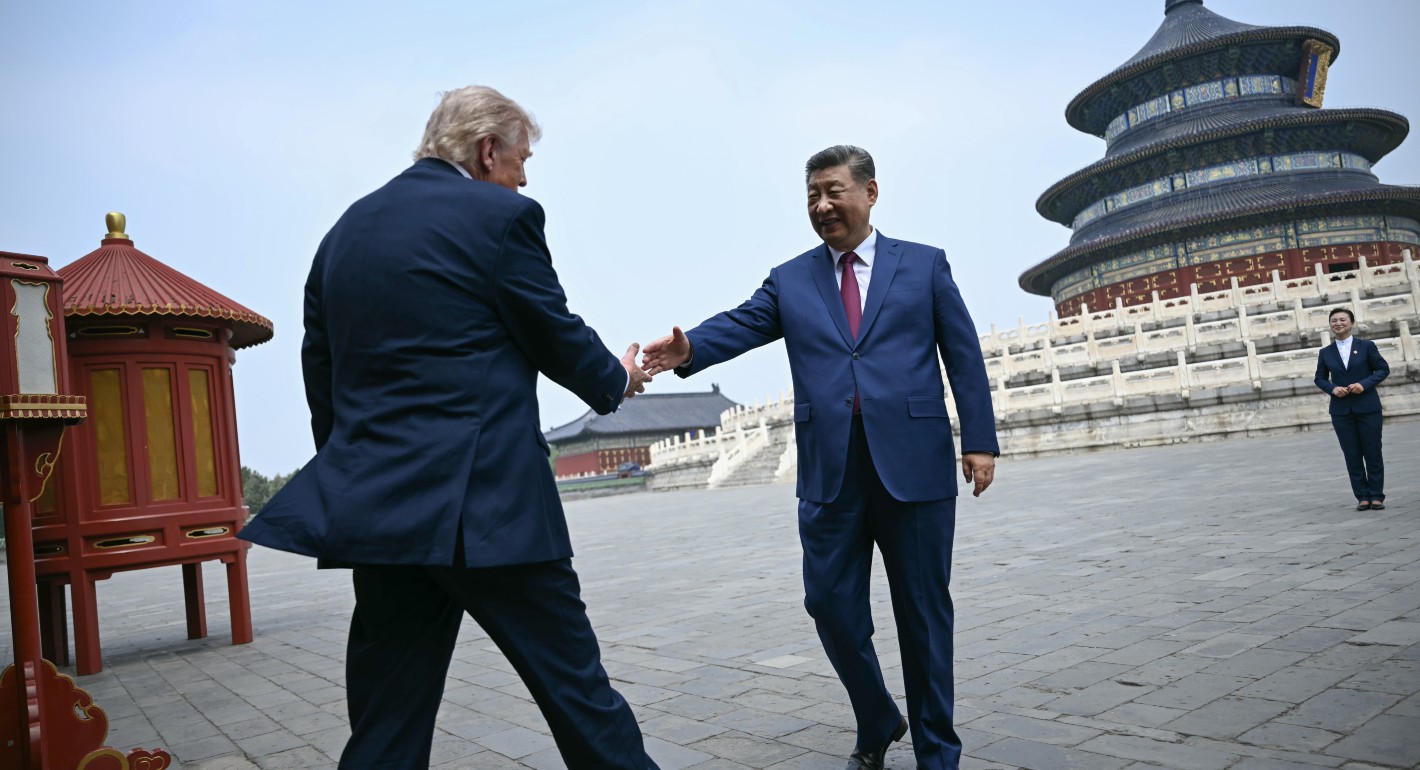
It should address the shortcomings of previous crisis communication efforts and adapt to the demands of frontier AI.

Lucy Luo
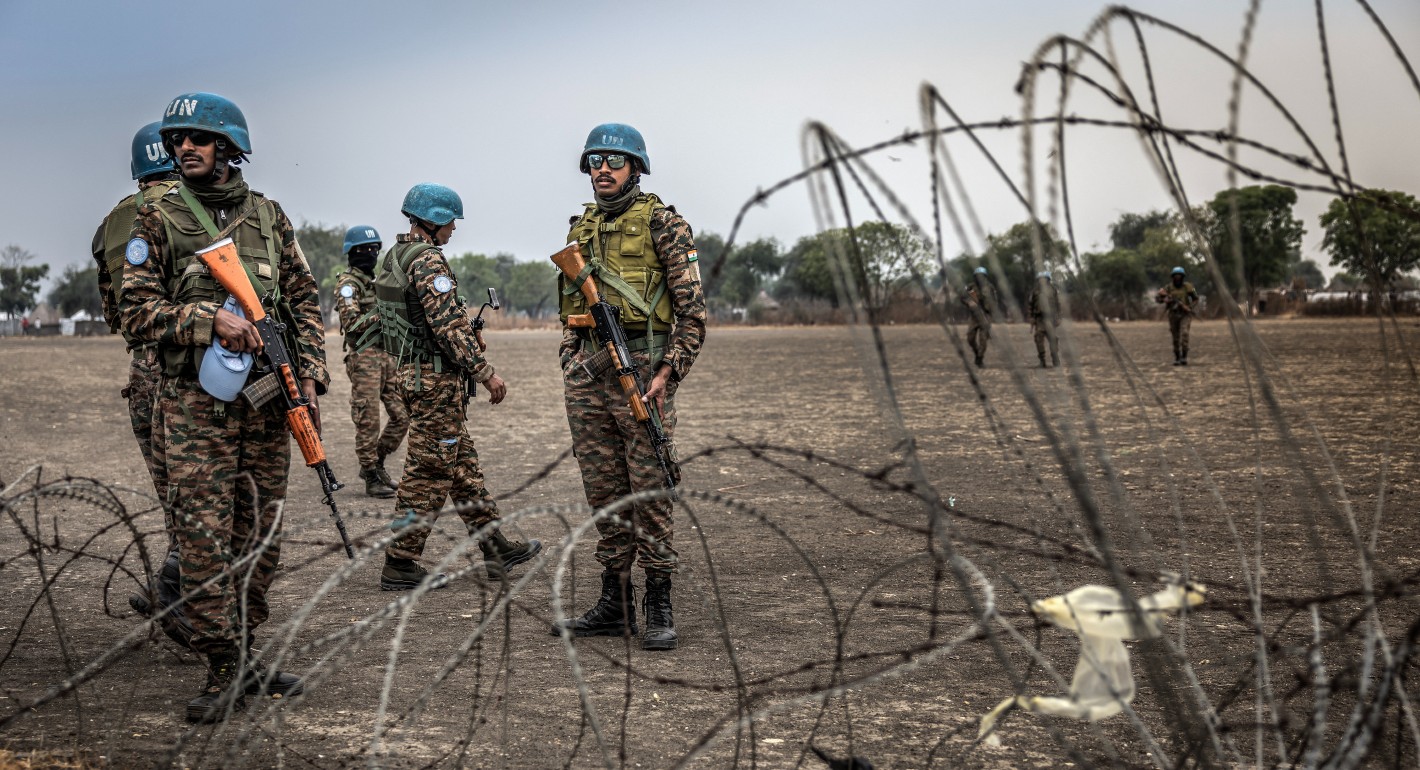
Washington’s decision to support some UN functions while letting others wither is pulling the organization apart at the seams.

Stewart Patrick, Theodore Zaritsky

While there are notable demographic, economic, and geographic divides over AI, there is also substantial alignment between Republicans and Democrats.


Ian Klaus, Mark Baldassare, Rachel George, …

Russia’s ruling party would have benefited from Putin appearing as its distant patron, but as an active frontman imposing his views on the public, he has done nothing but harm both the party’s election campaign and the ruling system overall.

Andrey Pertsev
AI capabilities are moving fast. Most institutions—including governments—can’t keep up.


Anton Leicht, Scott Singer