

Commentary
Michael Pettis
{
  "authors": [
    "Michael Pettis"
  ],
  "type": "legacyinthemedia",
  "centerAffiliationAll": "dc",
  "centers": [
    "Carnegie Endowment for International Peace"
  ],
  "collections": [],
  "englishNewsletterAll": "asia",
  "nonEnglishNewsletterAll": "",
  "primaryCenter": "Carnegie Endowment for International Peace",
  "programAffiliation": "AP",
  "programs": [
    "Asia"
  ],
  "projects": [],
  "regions": [
    "East Asia",
    "China"
  ],
  "topics": [
    "Economy"
  ]
}
Source: Getty
China’s high level of investment is causing a rapid rise in debt and will likely lead to a slowdown in the country’s economic growth.
Source: Marketplace

STEVE CHIOTAKIS: There's word today out of China -- big banks handed out fewer loans in May. Perhaps a sign Beijing's efforts to cool an overheated economy could be making some headway. But how cool is too cool? Michael Pettis is an economist at Peking University in Beijing. Hi Michael.
MICHAEL PETTIS: Hi how are you?
CHIOTAKIS: Doing well. Is there a risk that the Chinese government will over reach and hinder the country economically, or even cause a slowdown?
PETTIS: A slowdown is inevitable. We've been going extremely rapidly over the last 30 years because of huge increases in investment. And there's increasing evidence that five years ago, perhaps even ten years ago, a very large amount of this investment was being misallocated. It was being used to build excess real estate development or excess infrastructure. And one of the consequences is that we've been seeing a very rapid rising in debt and I don't think we can do this many more years before we run into real trouble.
CHIOTAKIS: How has China avoided the economic downturn the rest of the world's experienced?
PETTIS: Well, it hasn't really avoided it. What it did was it postponed it. They responded to the 2007-2008 crisis by taking a country which already had the highest investment growth rate in history and significantly increasing it. Now when you increase investment, you always get growth. But if the investment is not economically viable, you give back all of that growth in the future and I'm afraid that's what may have happened here.
CHIOTAKIS: Michael Pettis, economist at Peking University in Beijing. Michael thanks.
PETTIS: Thank you.

Nonresident Senior Fellow, Carnegie China
Michael Pettis is a nonresident senior fellow at the Carnegie Endowment for International Peace. An expert on China’s economy, Pettis is professor of finance at Peking University’s Guanghua School of Management, where he specializes in Chinese financial markets.
Recent Work
Michael Pettis
Michael Pettis
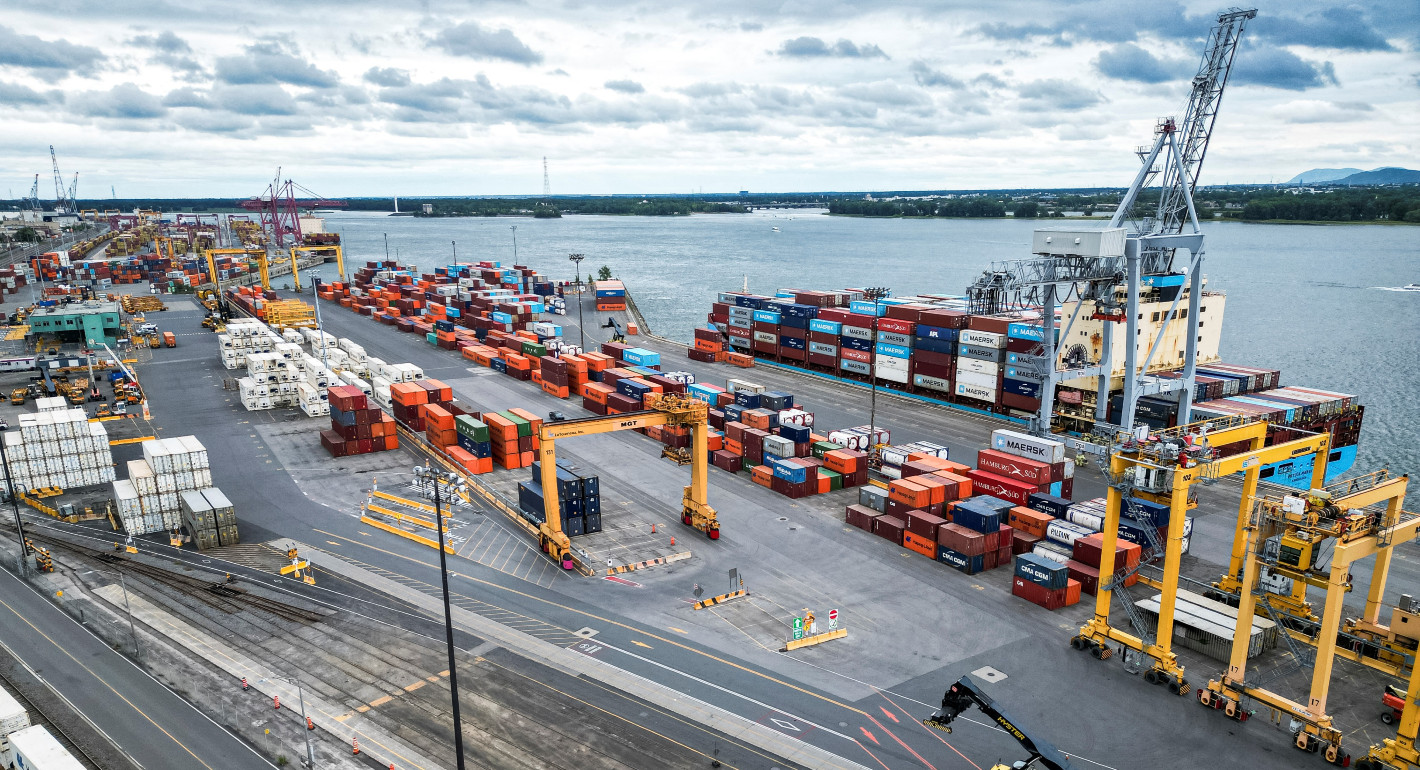
U.S. trading partners in Asia are closely watching the dispute for signs of how it may affect their own interests.
Barbara Weisel
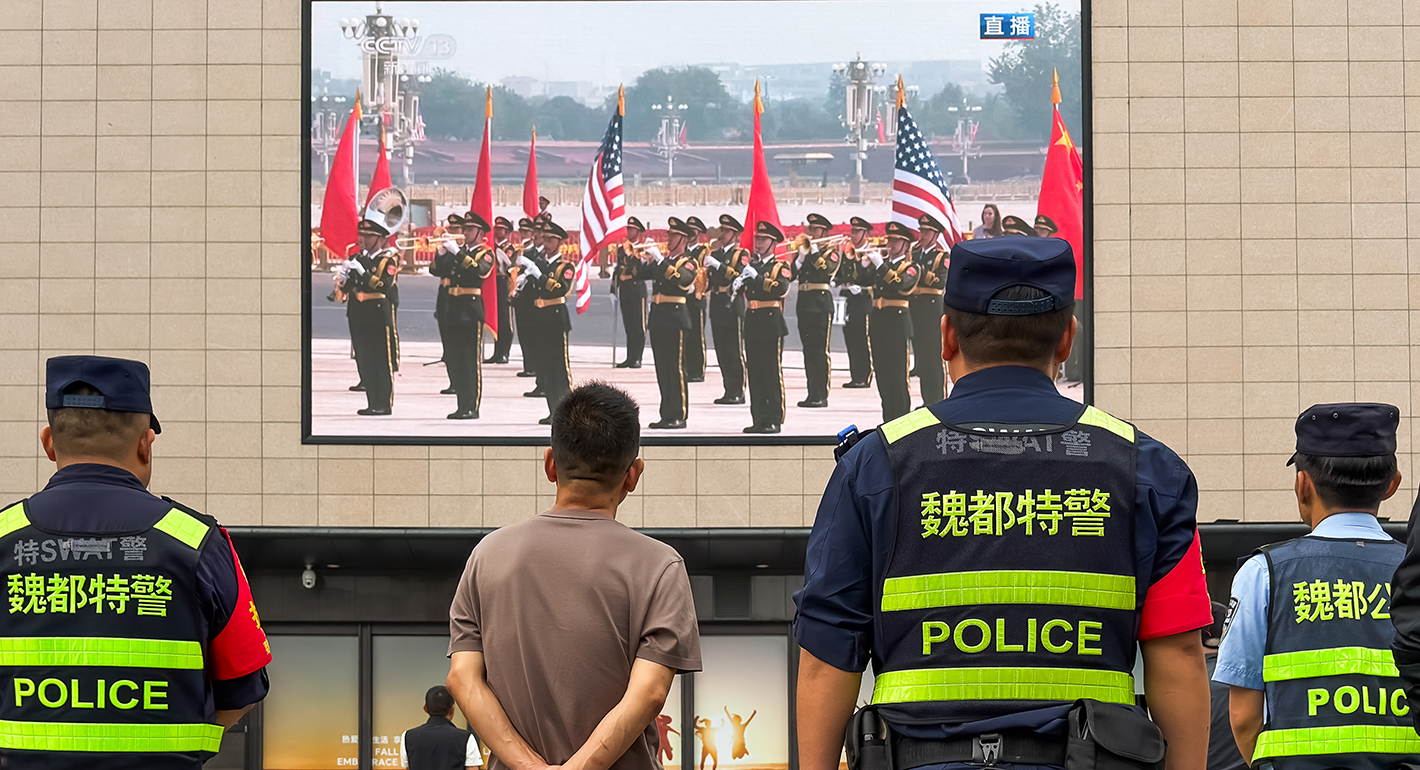
Chinese strategists are once again debating whether American power is declining and whether U.S. hegemony is experiencing irreversible decay.
Wu Xinbo

With the growth in points of friction between the great powers, organizations like the SCO will continue to play a role in the strategic adaptation of the smaller powers caught between them.

Temur Umarov
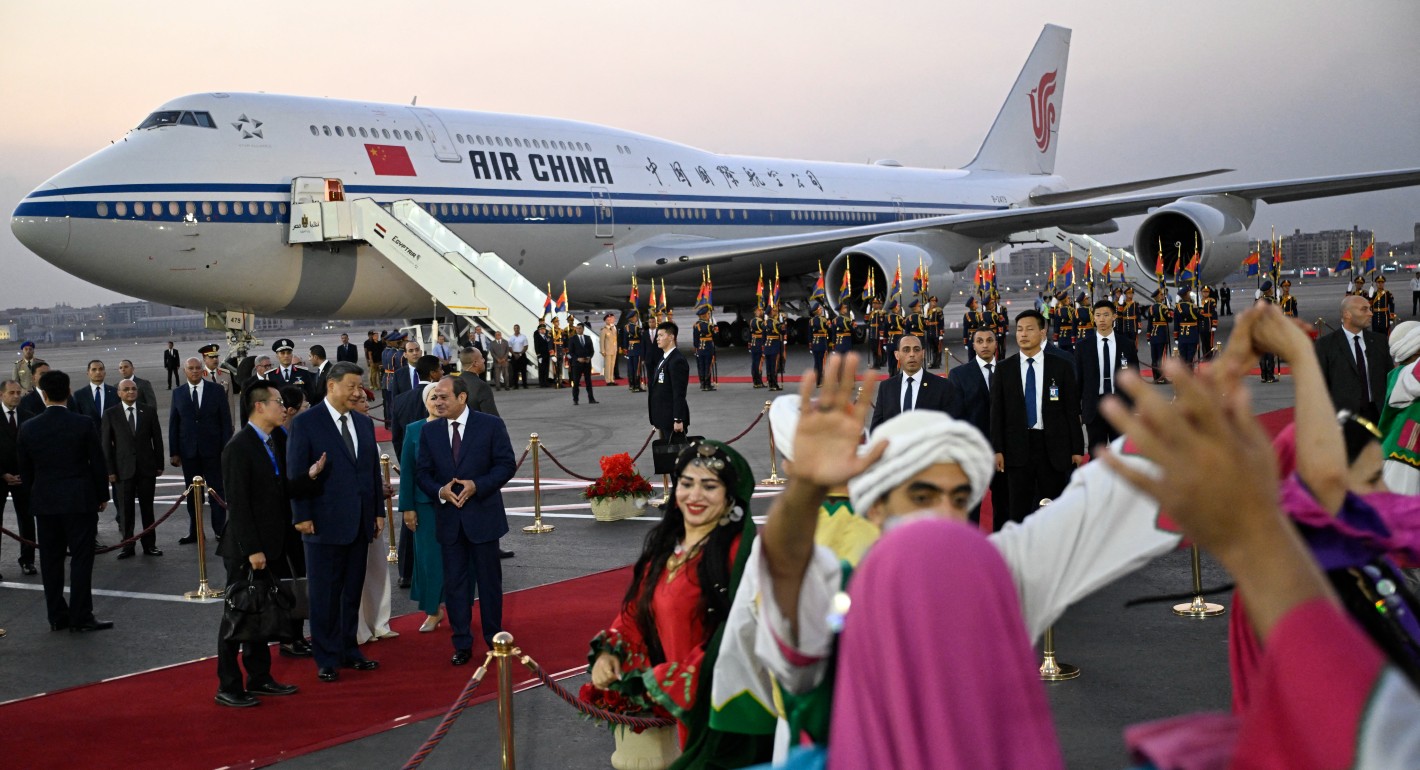
Amid celebrations of bilateral ties was a deeper focus on stability in the Middle East.

Amr Hamzawy

Xi, Putin, and other regional leaders are back-slapping in Bishkek, but the SCO has yet to answer the most serious questions about continental Asia's economic future.

Evan A. Feigenbaum