

Paper
Lora Saalman
{
  "authors": [
    "Lora Saalman"
  ],
  "type": "other",
  "centerAffiliationAll": "dc",
  "centers": [
    "Carnegie Endowment for International Peace",
    "Carnegie China"
  ],
  "collections": [
    "U.S. Nuclear Policy"
  ],
  "englishNewsletterAll": "ctw",
  "nonEnglishNewsletterAll": "",
  "primaryCenter": "Carnegie Endowment for International Peace",
  "programAffiliation": "NPP",
  "programs": [
    "Nuclear Policy"
  ],
  "projects": [],
  "regions": [
    "North America",
    "United States",
    "East Asia",
    "China"
  ],
  "topics": [
    "Nuclear Policy",
    "Arms Control"
  ]
}
Source: Getty
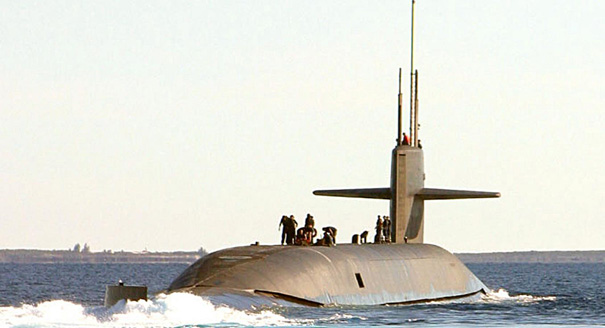
While strategic stability in China has traditionally reflected a concern for maintaining balance, the discussion has broadened in the past years to include concerns over issues such as nuclear terrorism and disarmament.
Source: Asian Institute for Policy Studies
Carnegie's Beijing-based associate Lora Saalman spoke at The Asian Institute for Policy Studies' panel on the U.S. Nuclear Posture Review. Saalman pointed out that strategic stability in China is a concept that has a lot to do with balance. Between 2000 and 2003, discussions in China focused mostly on the imbalance between China, the United States, and Russia. Today the discussions in China focus less on the strategic imbalance between China and the United States and more on the Nuclear Non-Proliferation Treaty, nuclear terrorism, disarmament, as well as extended deterrence.

Former Nonresident Associate, Nuclear Policy Program
Saalman was a nonresident associate in the Nuclear Policy Program at the Carnegie Endowment for International Peace. Her research focuses on China’s nuclear and strategic policies toward India, Russia, and arms control.
Recent Work
Lora Saalman
Lora Saalman
Carnegie does not take institutional positions on public policy issues; the views represented herein are those of the author(s) and do not necessarily reflect the views of Carnegie, its staff, or its trustees.
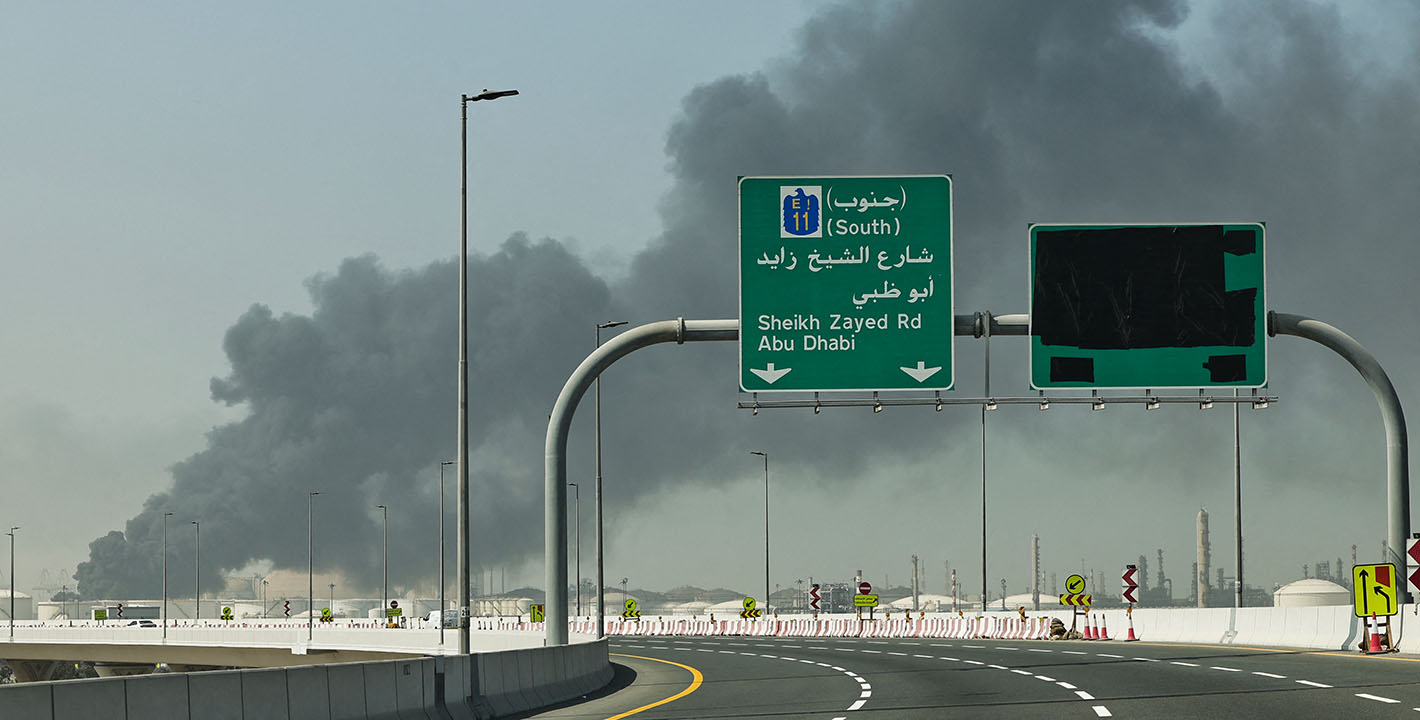
The countries in the region are managing the fallout from Iranian strikes in a paradoxical way.

Angie Omar
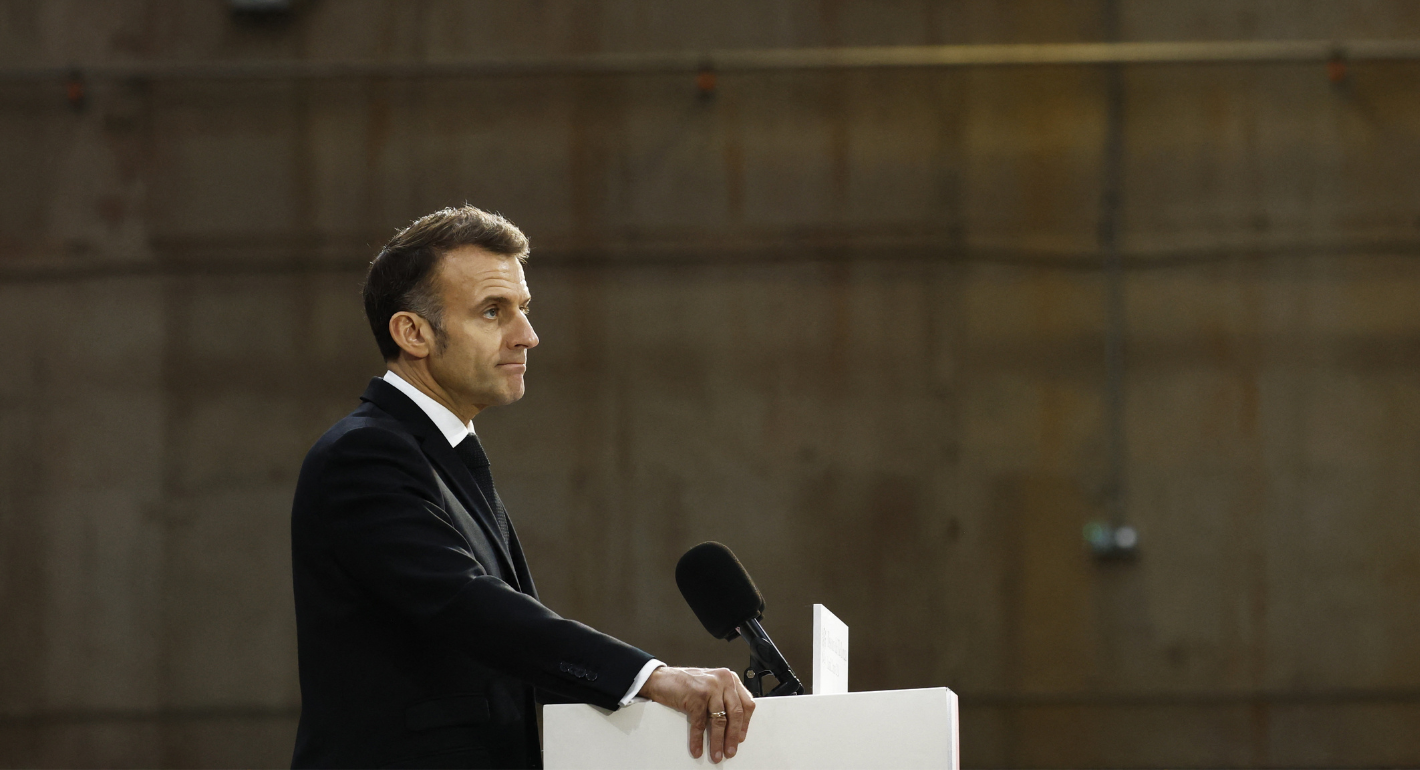
French President Emmanuel Macron has unveiled his country’s new nuclear doctrine. Are the changes he has made enough to reassure France’s European partners in the current geopolitical context?

Rym Momtaz, ed.
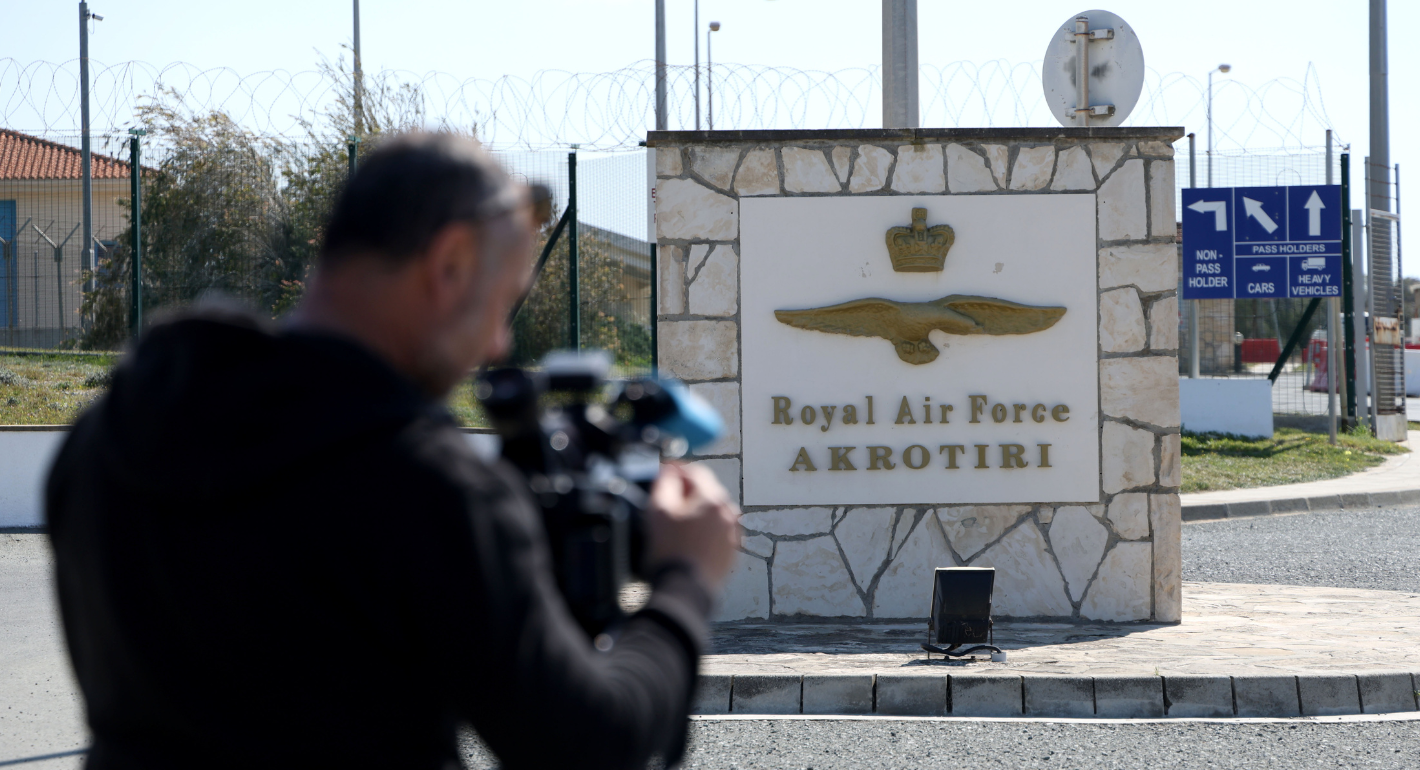
The drone strike on the British air base in Akrotiri brings Europe’s proximity to the conflict in Iran into sharp relief. In the fog of war, old tensions in the Eastern Mediterranean risk being reignited, and regional stakeholders must avoid escalation.

Marc Pierini

In an interview, Hassan Mneimneh discusses the ongoing conflict and the myriad miscalculations characterizing it.

Michael Young
In an interview, Nicole Grajewski discusses the military dimension of the U.S. and Israeli attacks on Iran.
Michael Young