

Commentary
Fatima El Mansouri is the country’s first female prime minister. She’s also a privileged insider in a largely ceremonial position.
Sarah Yerkes
{
  "authors": [],
  "type": "other",
  "centerAffiliationAll": "",
  "centers": [
    "Carnegie Endowment for International Peace"
  ],
  "collections": [],
  "englishNewsletterAll": "",
  "nonEnglishNewsletterAll": "",
  "primaryCenter": "Carnegie Endowment for International Peace",
  "programAffiliation": "",
  "programs": [],
  "projects": [],
  "regions": [
    "North Africa",
    "Egypt"
  ],
  "topics": []
}
Source: Getty
A backgrounder on the Egypt Freedom Party.
This resource was published on 09/21/2011 and is not updated to reflect changing circumstances.
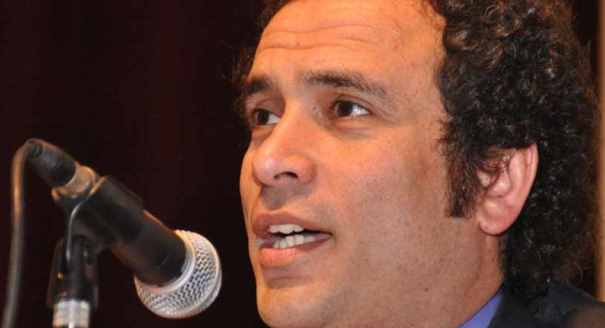
The Egypt Freedom Party is best characterized as social-democratic, threading a fine line between free enterprise and social justice as well as between secularism and willingness to cooperate with Islamists. It was a founding member of the Egypt Bloc but left on October 15,2011 due to disputes with the Social Democratic Party and concerns over the inclusion of former members of the National Democratic Party on party lists. It participated in the 2011 parliamentary elections as a member of the “Completing the Revolution” Alliance.
Amr Hamzawy: Founder and President
Anji Maseehi: Founding member
Jilan Aouf: Founding member
The Egypt Freedom Party was formed on May 11, 2011 by the popular Egyptian intellectual Amr Hamzawy yet remains officially unlicensed. A month earlier, Hamzawy had resigned from the newly formed Egyptian Social Democratic Party after it released a statement condemning violence used against protesters by the Supreme Council of the Armed Forces. Hamzawy rejected the condemnation of the military as an institution.The party advocates the transformation of Egypt into a democratic civil state rather than an Islamic one. In many respects it is similar to Naguib Sawiris’ Free Egyptians Party and other liberal parties, except that it places a greater stress on social justice and the welfare state. However, unlike other parties who stress social justice and redistribution, the Egypt Freedom Party does not favor nationalization of industry and Hamzawy has defended capitalism and the market economy. The party has supported marches in Tahrir Square against military trials and for a civil state in Egypt.
Carnegie does not take institutional positions on public policy issues; the views represented herein are those of the author(s) and do not necessarily reflect the views of Carnegie, its staff, or its trustees.
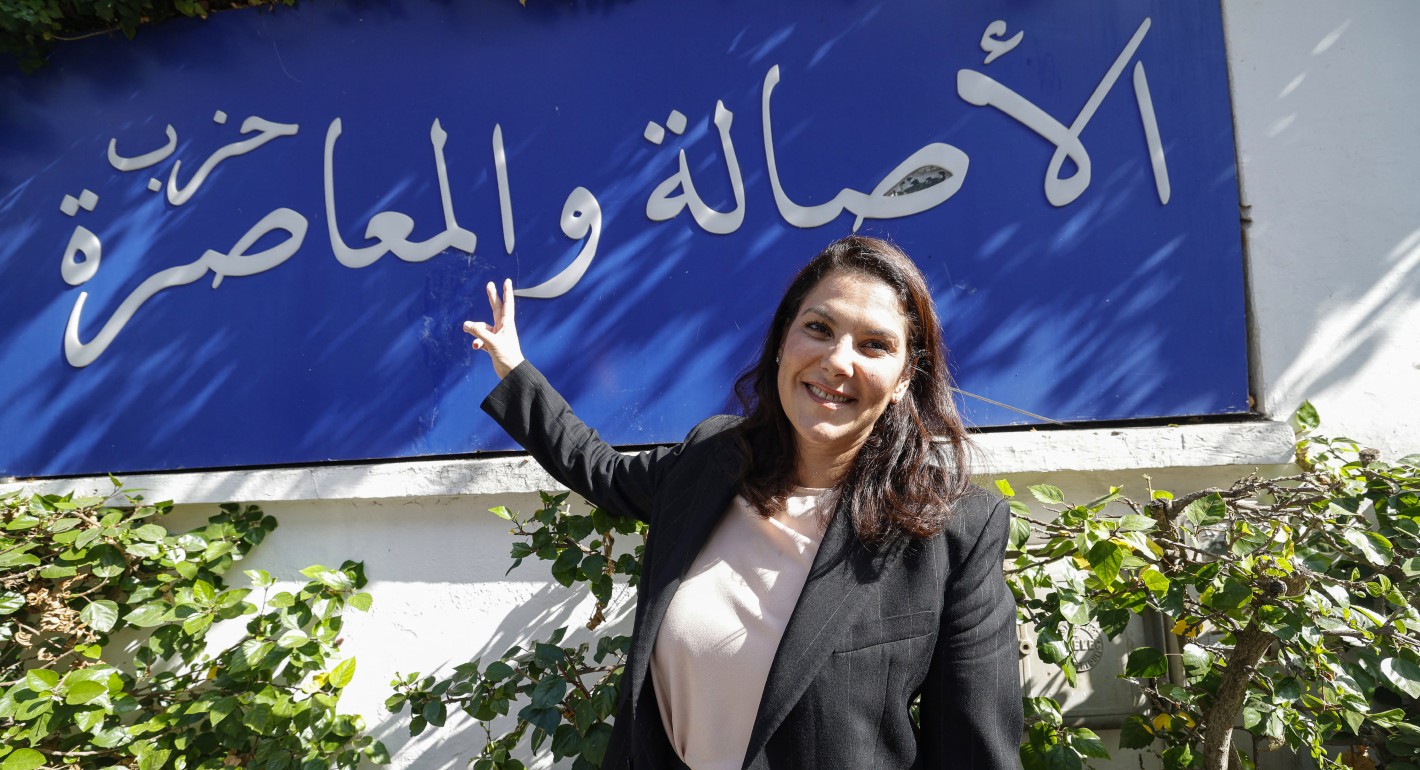
Fatima El Mansouri is the country’s first female prime minister. She’s also a privileged insider in a largely ceremonial position.

Sarah Yerkes

Amid celebrations of bilateral ties was a deeper focus on stability in the Middle East.

Amr Hamzawy
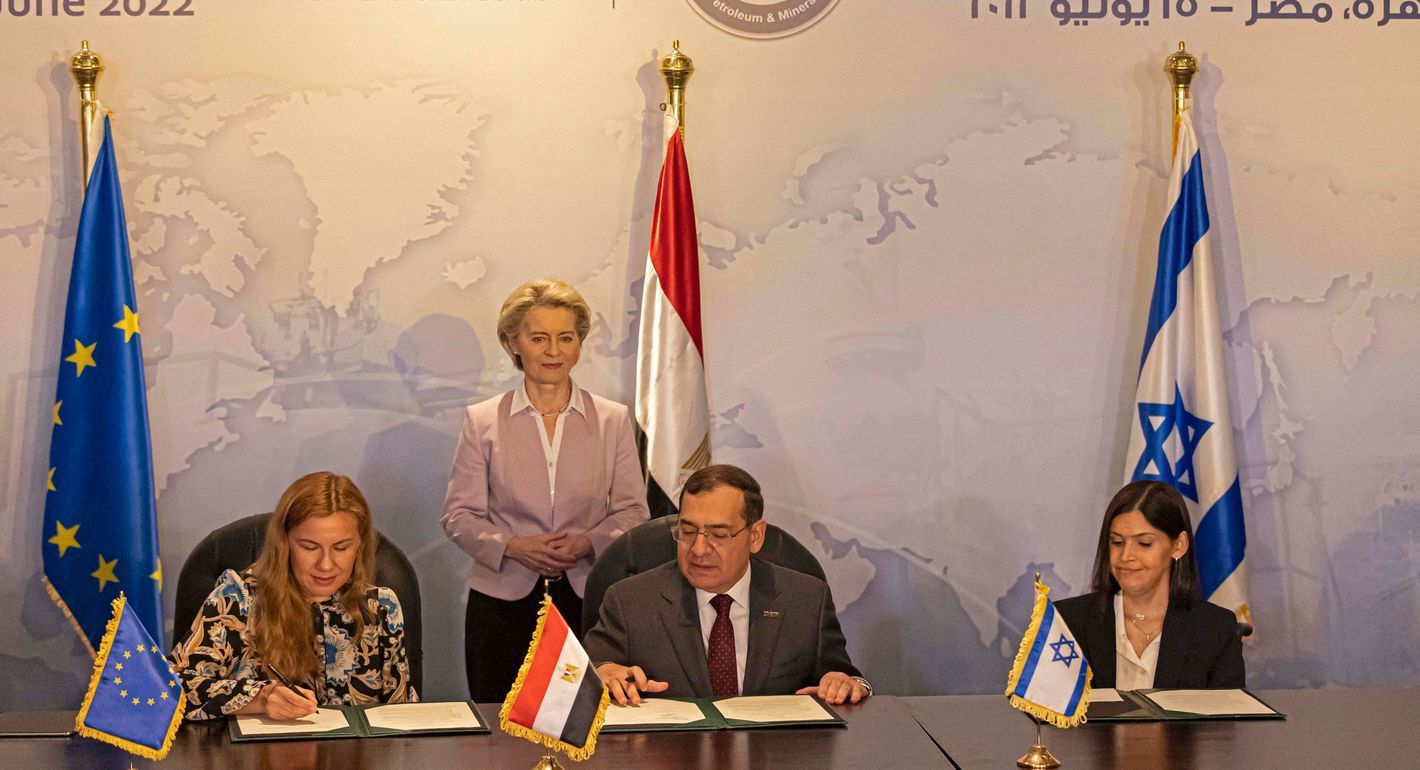
Can economic ties help contain conflict between Egypt and Israel, or do they simply postpone confrontation? Drawing on the German-Russian experience, the article examines how the gas deal creates mutual dependence, keeps channels of cooperation open, and raises the cost of conflict, without necessarily delivering lasting peace.
Nourhan Hefzy

Most migrants may have left Ceuta, but the effects may linger.

Alejandro Martin Rodriguez, Sarah Yerkes

Saied’s main accomplishment has been to destroy a decade’s worth of democratic progress.
Sarah Yerkes