

Paper
Matthew Rojansky
{
  "authors": [
    "Matthew Rojansky"
  ],
  "type": "legacyinthemedia",
  "centerAffiliationAll": "dc",
  "centers": [
    "Carnegie Endowment for International Peace",
    "Carnegie Russia Eurasia Center"
  ],
  "collections": [],
  "englishNewsletterAll": "ctw",
  "nonEnglishNewsletterAll": "",
  "primaryCenter": "Carnegie Endowment for International Peace",
  "programAffiliation": "russia",
  "programs": [
    "Russia and Eurasia"
  ],
  "projects": [],
  "regions": [
    "Caucasus",
    "Russia"
  ],
  "topics": [
    "Political Reform",
    "Economy",
    "Foreign Policy"
  ]
}
Source: Getty
If Putin is re-elected president, he is likely to seek to maintain continuity and stability in a time of economic uncertainty and his return will not significantly alter Russian domestic politics or the U.S.-Russia reset.
Source: BBC World News

Rojansky warned that Putin will likely face new challenges in the economic sphere as oil production and oil prices begin to fall. “There are some real economic storm clouds gathering,” Rojansky warned. He added that Putin’s return will not undo the reset in U.S.-Russia relations. “Putin has basically approved of the reset from the outset. I don’t think he’s going to roll back any of the major accomplishments of the reset,” Rojansky concluded.

Former Deputy Director, Russia and Eurasia Program
Rojansky, formerly executive director of the Partnership for a Secure America, is an expert on U.S. and Russian national security and nuclear-weapon policies.
Recent Work
Matthew Rojansky
Matthew Rojansky
Carnegie does not take institutional positions on public policy issues; the views represented herein are those of the author(s) and do not necessarily reflect the views of Carnegie, its staff, or its trustees.
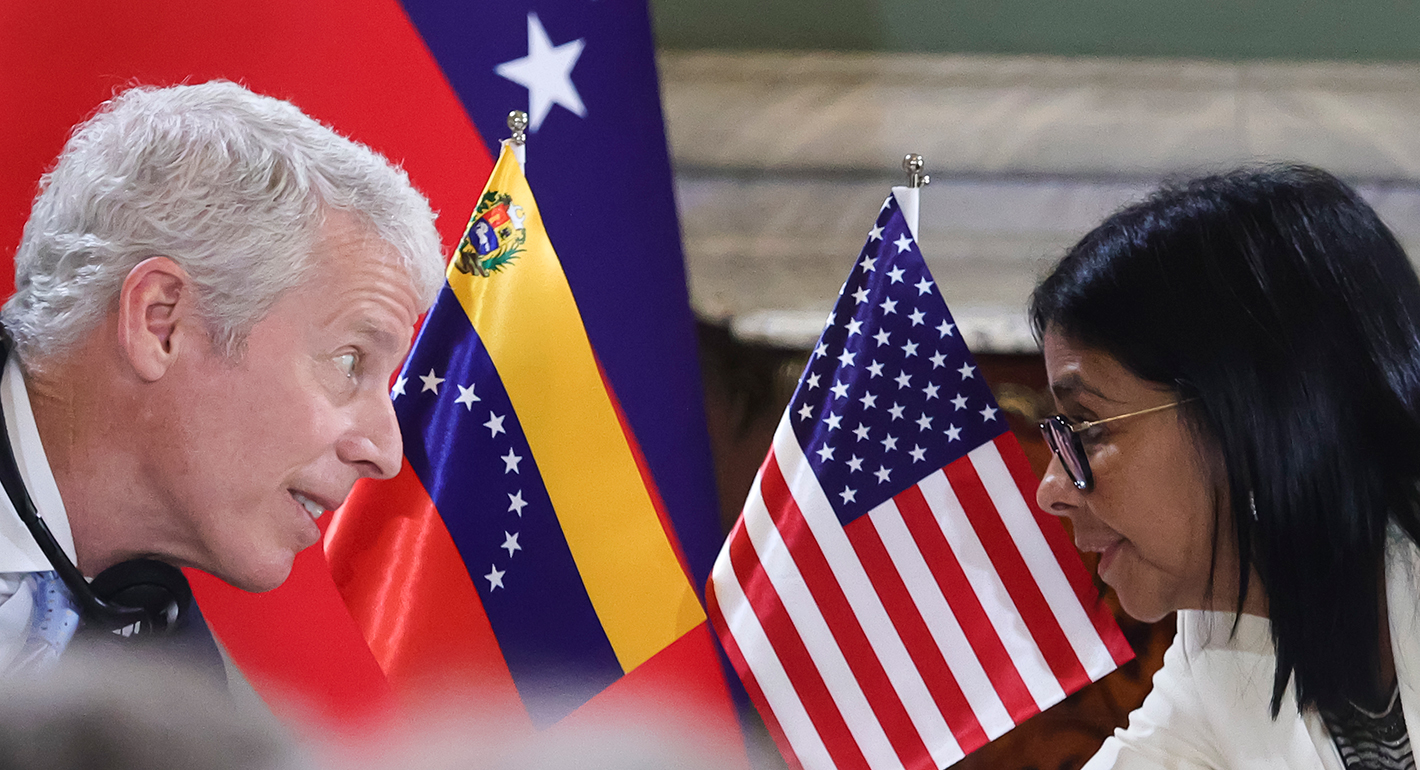
Washington needs to recognize that influence in the Western Hemisphere comes from presence, delivery, and reliability. It also must recognize that while the United States remains the key external actor, it no longer operates in a permissive environment and cannot presume deference from regional players who have other options, namely China.
Juan S. Gonzalez

Minsk clearly expected the dialogue with Washington to yield more results, in particular the lifting of EU sanctions and permission to export potash.

Artyom Shraibman

A summer of escalation in the Black Sea has hurt Ukraine economically and is exacerbating world food security. A truce is needed—as is a broader reframing of Europe’s Ukraine strategy.

Thomas de Waal
Why governance of rapidly evolving technology will be distributed and complex.


Stewart Patrick, Scott Singer
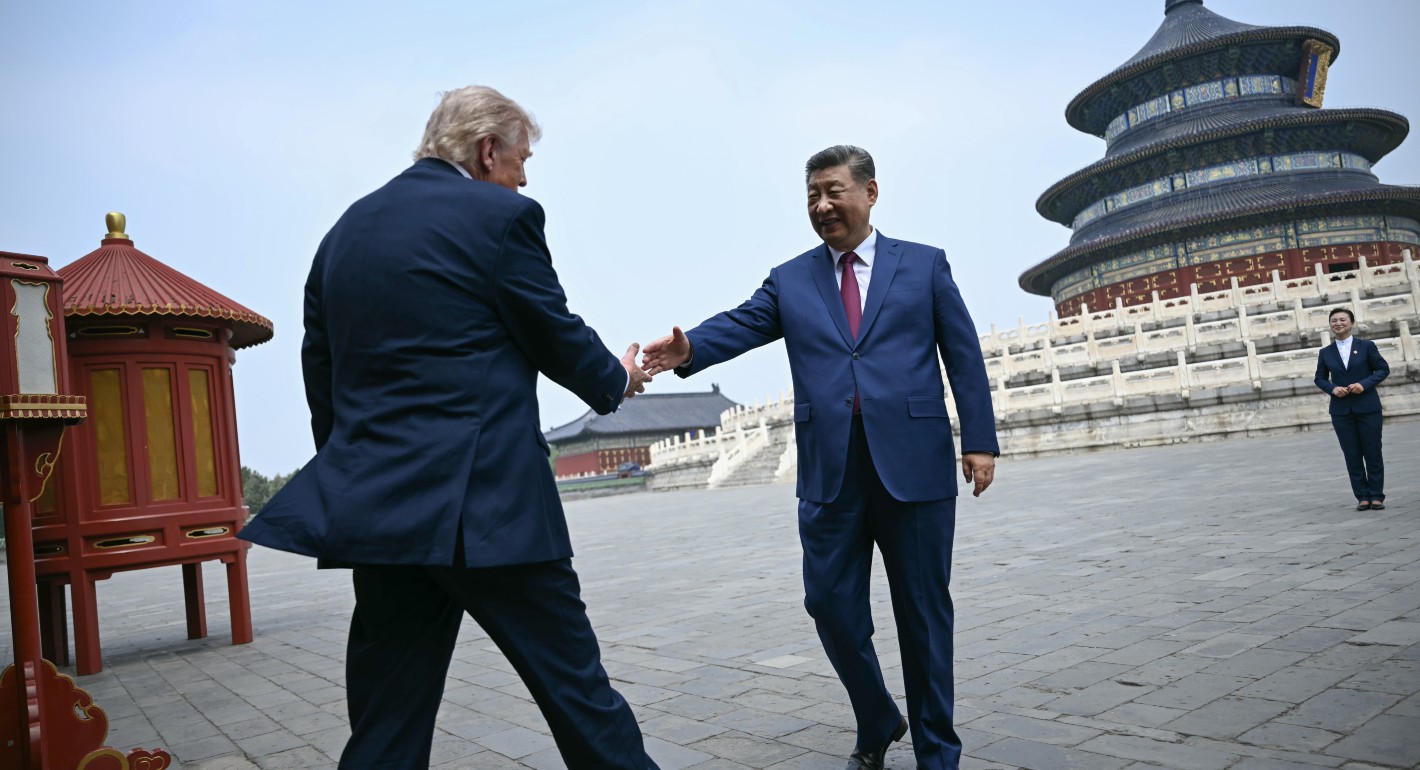
It should address the shortcomings of previous crisis communication efforts and adapt to the demands of frontier AI.

Lucy Luo