

Research
- +10
Rosa Balfour, Frances Z. Brown, Yasmine Farouk, …
{
  "authors": [
    "Moisés Naím"
  ],
  "type": "legacyinthemedia",
  "centerAffiliationAll": "",
  "centers": [
    "Carnegie Endowment for International Peace",
    "Carnegie China"
  ],
  "collections": [],
  "englishNewsletterAll": "",
  "nonEnglishNewsletterAll": "",
  "primaryCenter": "Carnegie Endowment for International Peace",
  "programAffiliation": "",
  "programs": [],
  "projects": [],
  "regions": [
    "East Asia",
    "China",
    "Western Europe",
    "North America"
  ],
  "topics": [
    "Economy"
  ]
}
REQUIRED IMAGE
If economic growth in China—the world’s economic engine—were derailed by a financial, political, social, or international accident, the effect would be much more severe than anything that happens in Greece.
Source: El Pais

The Financial Times' summary is a little less boring: "A sector that was until last year the darling of international investors is turning into a horror show [...] a development that would send shockwaves through financial markets worldwide."
Does this mean that China is headed for a crash? Not necessarily. But there is a strong possibility that China's economic growth is set to be derailed. The accident could be financial, environmental, social, or international. A collapse on the stock exchange that would wipe out people's savings, or some kind of infrastructure disaster that would prompt millions to take to the streets in protest, could be the spark that sets off a crisis that would eventually hit the economy. And that would then quickly spread around the world.
The social and political contract the Chinese Communist Party has with the people reads like this: we create millions of jobs and promise continued prosperity for you and you let us govern without you playing any part in the process. If job creation stutters so does the regime's legitimacy, and its ability to govern centrally as it has until now. There are other factors at play as well that could have dangerous political consequences: inflation, inequality, and corruption. Over the last decade, inflation has rarely risen above two percent a year. It is now at 6.2 percent, while food prices, the most politically explosive factor, have risen even higher.
Inequality before the boom was limited, and invisible to most people. It is now among the worst in the world. Urban workers earn three times more than peasants in rural areas, and the number of Chinese people among the wealthiest in the world breaks new records every year, while China's millionaires are, on average, around 15 years younger than those in other countries. Corruption has long been a problem, but it is now increasingly widespread, and far more visible, and affects almost all areas of life. The government has tried to stem the flow of graft. But highly publicized jail terms and even the death sentence for public officials are simply not working.
Economic crises tend to turn corruption from an irritation that can largely be put up with, even over long periods of time, into a powerful popular cause that rallies the population. We should remember that corruption was a determining factor in the downfall of the previous regimes in Tunisia and Egypt. The same applies as regards mounting environmental problems, which for many Chinese are not merely abstract issues. After a while, people get tired of turning on the tap to take a bath or make a cup of tea only to find that brown, foul-smelling water comes out. According to Sun Liping, a sociologist at Tsinghua University, there were 180,000 street protests against a multitude of issues in 2010. The Chinese are increasingly prepared to take to the streets to demand their rights. If this kind of activity starts to impact the economy, then what happens in China will affect us all, and much more than what is going on in Greece.

Distinguished Fellow
Moisés Naím is a distinguished fellow at the Carnegie Endowment for International Peace, a best-selling author, and an internationally syndicated columnist.
Recent Work



Rosa Balfour, Frances Z. Brown, Yasmine Farouk, …
Moisés Naím
Carnegie does not take institutional positions on public policy issues; the views represented herein are those of the author(s) and do not necessarily reflect the views of Carnegie, its staff, or its trustees.

Russian strikes are weakening the economy sustaining Ukraine’s war effort. Closing the growing funding gap will require more European support and politically contentious reforms in Kyiv.

Balázs Jarábik

While the EU and European governments are embracing the much-lauded middle-power moment, this entails three difficult conundrums.

Richard Youngs

Europe is facing rising populism internally as well as external pressures from Russia, China, Turkey, and the United States.

Dimitar Bechev

A notable degree of participative democracy has firmly arrived in Europe. But to have more far-reaching impact, democratic deliberation needs to move into a radically new phase.
Richard Youngs
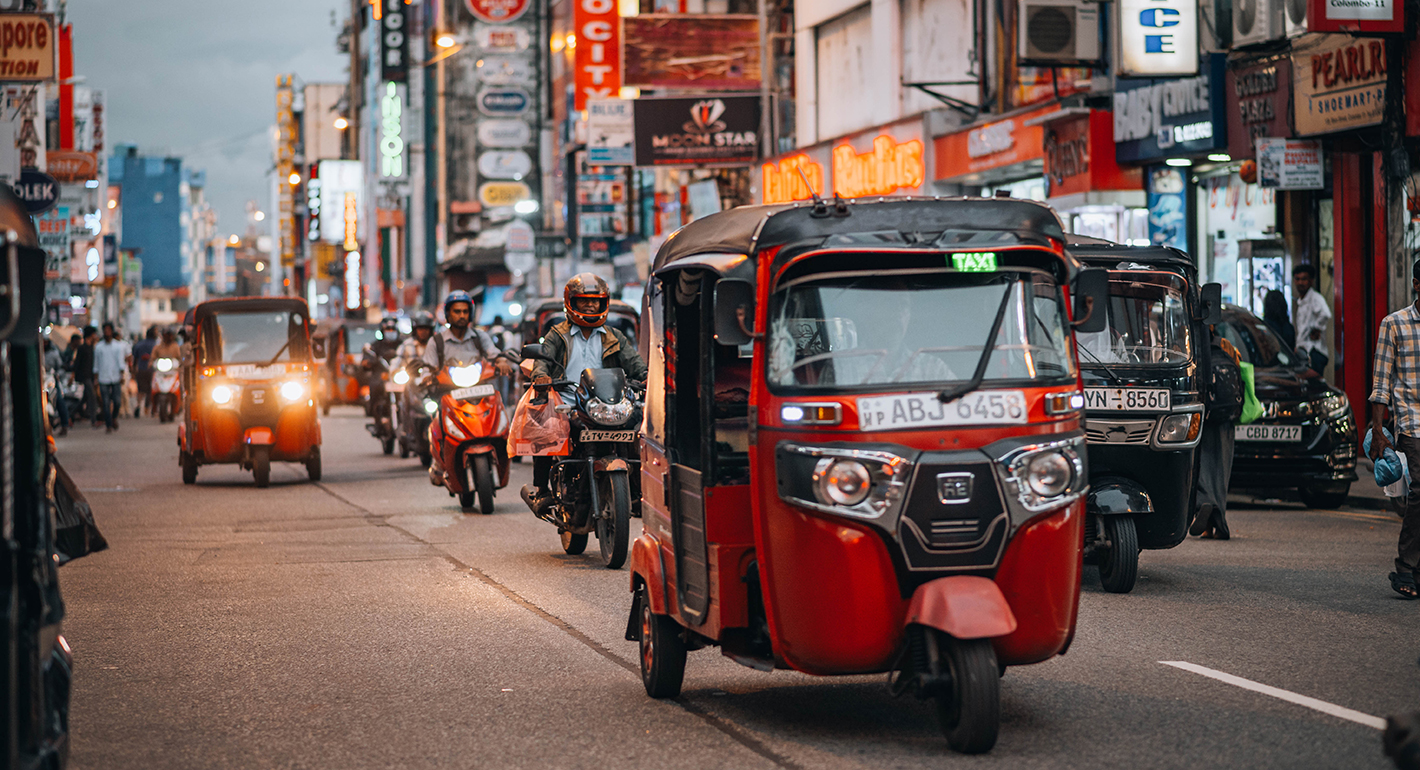
Economic recovery has brought Sri Lanka a modicum of stability, but domestic strains and great-power rivalry could test how long it lasts.

Avinash Paliwal