• Research
  • Emissary
  • About
  • Experts
Carnegie Global logoCarnegie lettermark logo
DemocracyIran
  • Donate
{
  "authors": [
    "Mark Hibbs"
  ],
  "type": "questionAnswer",
  "centerAffiliationAll": "dc",
  "centers": [
    "Carnegie Endowment for International Peace",
    "Carnegie Europe",
    "Carnegie Russia Eurasia Center"
  ],
  "collections": [],
  "englishNewsletterAll": "ctw",
  "nonEnglishNewsletterAll": "",
  "primaryCenter": "Carnegie Endowment for International Peace",
  "programAffiliation": "NPP",
  "programs": [
    "Nuclear Policy"
  ],
  "projects": [
    "Eurasia in Transition"
  ],
  "regions": [
    "Middle East",
    "Iran"
  ],
  "topics": [
    "Nuclear Policy"
  ]
}
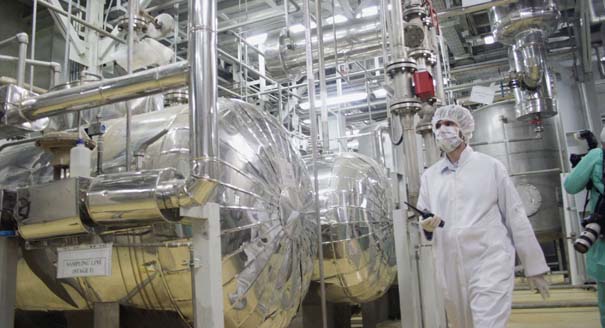
Source: Getty

Q&A

Waiting for Russia's Next Move on Iran

In the coming months, Washington will need to walk a fine line to maintain pressure on Iran while trying to prevent the nuclear crisis from escalating out of control.

Link Copied
By Mark Hibbs
Published on Nov 22, 2011
Program mobile hero image

Program

Nuclear Policy

The Nuclear Policy Program aims to reduce the risk of nuclear war. Our experts diagnose acute risks stemming from technical and geopolitical developments, generate pragmatic solutions, and use our global network to advance risk-reduction policies. Our work covers deterrence, disarmament, arms control, nonproliferation, and nuclear energy.

Learn More
Project hero Image

Project

Eurasia in Transition

Learn More

The board of governors of the International Atomic Energy Agency (IAEA) admonished Iran by a large majority last week and urged Tehran to resolve outstanding issues over its nuclear program. But the board stopped short of calling for harsher sanctions firmly opposed by both China and Russia. The resolution came ten days after the release of a new IAEA report documenting that Iran has carried out activities relevant to the development of nuclear weapons.

In a Q&A, Mark Hibbs says that Iran is unlikely to cooperate with the IAEA in any significant way to address the questions raised in the IAEA’s report. In the coming months, Washington will need to walk a fine line to maintain pressure on Iran while trying to prevent the crisis from escalating out of control. The United States may see Russia’s commitment to diplomacy as a potential opportunity. This will depend on forthcoming talks among Russia, Iran, and other countries on a roadmap for a diplomatic resolution to the crisis.

  • How significant is it that all five permanent members of the United Nations Security Council backed the resolution passed last week by the IAEA board of governors?
  • Does the resolution turn up the pressure on Iran?
  • Did the United States want a tougher resolution on Iran?
  • Why are China and Russia taking issue with the IAEA’s latest report and seemingly against stronger measures to contain Iran’s nuclear ambitions? Do the two countries share the West’s view that a nuclear-armed Iran would threaten global peace and security?
  • What interests do China and Russia have in Iran?
  • What happens next on the diplomatic front with Iran? How did Iran react to the resolution and the IAEA report?
  • Has Russia revealed a game plan for negotiating a resolution of the crisis? What position will the United States take?

How significant is it that all five permanent members of the United Nations Security Council backed the resolution passed last week by the IAEA board of governors?

The fact that Britain, China, France, Russia, and the United States all sponsored the resolution on Iran made it virtually certain that it would pass with overwhelming support in the IAEA’s 35-member board. And that’s exactly what happened. Two states—Cuba and Ecuador—objected and one state—Indonesia—abstained, but the rest voted in favor. 

For the United States and other Western countries, this approach marked a return to something like consensus decision-making in the board. As proliferation issues in recent years increasingly polarized board members along North-South lines, Western states began taking non-consensus decisions, breaking with the tradition established over the last half century. 

In June, for example, the board passed a Western-sponsored resolution condemning Syria, but it was opposed by China and Russia. The resolution brought Syria’s noncompliance with IAEA safeguards to the attention of the UN Security Council, but China and Russia were against imposing sanctions on Syria.

Since the middle of this year, a few Western states, notably Britain and France, aimed to pass an IAEA resolution that could lead to further sanctions against Iran. But by early October it was clear to the Western group that China and Russia would oppose such a resolution. Western states had also encouraged Yukiya Amano, the IAEA’s director general, to report to the board the information the IAEA had compiled suggesting that Iran’s nuclear program included activities to support the development of nuclear weapons. When Amano submitted that report earlier this month, China and Russia firmly objected to it. 

Western states aiming to pass a resolution on Iran based on the report therefore had to make a choice: accept a weak resolution that everyone would agree to or take the risk that a tougher text would be opposed by China and Russia, demonstrating that two of the five Security Council veto powers didn’t agree on the significance of the IAEA’s weapons-related findings. Opposition from China and Russia to a resolution would have also been likely to trigger "no" votes by many developing and non-aligned countries on the board.

Does the resolution turn up the pressure on Iran?

Not directly. If Iran chooses to dangle carrots in front of the IAEA and then doesn’t actually cooperate, Tehran has a chance to avoid tougher actions. One Western diplomat quipped after the IAEA meeting that under Amano’s predecessor, Mohamed ElBaradei, “the language of IAEA reports on Iran was weak and our resolutions were tough. This time it’s the other way around.” 

China and Russia negotiated hard over language in the resolution to ensure it affirmed “continued support for a diplomatic solution” to the Iran crisis and underscored Iran’s right to the peaceful use of nuclear energy—a right some Western leaders have asserted Iran has forfeited. Significantly, the resolution does not specifically call on Iran to address Amano’s weapons-related findings, it does not threaten Iran with additional sanctions, nor does it set a deadline for Iran to address questions raised by the IAEA. 

Indirectly, there will be more pressure on Iran. The near-unanimous support for the IAEA resolution is one reason. Separately, threats made by Israeli officials this month will be leveraged by the Security Council’s permanent members to try to convince Iran that it is in its best interest to agree to a negotiated solution.

Did the United States want a tougher resolution on Iran?

The United States strongly urged Amano to report to the board on Iran’s nuclear weapons-relevant activities and hoped the board would pass a follow-up resolution. Partly a consideration of the politics of a coming election year, President Obama does not want to be seen by Congress and his Republican opponents as failing to show resolve on Iran. 
 
At the same time, however, the United States favored a common approach at the IAEA that would include all five Security Council permanent members. This approach was designed to secure a resolution with near unanimous support from the board and one that would not play into the hands of politicians—in European capitals as well as on Capitol Hill—who seek dramatic sanctions against Iran that might escalate the crisis and potentially damage the U.S. economy. 
 

Why are China and Russia taking issue with the IAEA’s latest report and seemingly against stronger measures to contain Iran’s nuclear ambitions? Do the two countries share the West’s view that a nuclear-armed Iran would threaten global peace and security?

China and Russia understand that a nuclear-armed Iran would be destabilizing and threatening and that Tehran would thereafter be more aggressive in intervening in political conflicts in the Middle East and Central Asia. It’s possible that both China and Russia withdrew support from the Western position at the IAEA because of differences over more strategic issues. But both countries have strategic and economic interests compelling them to seek a resolution to the crisis whereby Iran would afford the IAEA the access it needs to determine whether its nuclear program is solely for peaceful use and then express confidence that it is. 
 
Given Iran’s track record of deception and failure to declare activities, that’s a tall order and it would require Iran to give the IAEA virtually unrestricted access to personnel and locations in Iran. If this happened, however, Security Council sanctions against Iran could be lifted, permitting China and Russia to go back to business as usual with Iran as increasingly important strategic and trading partners.
 
In the boardroom, Iran’s ambassador to the IAEA, Ali Asghar Soltanieh, vowed that Iran would never stop uranium enrichment. China and Russia do not believe that Iran needs to and they share the view that pressing Iran to publicly admit that it previously engaged in nuclear weapons-related research and development is counterproductive because it stands in the way of a discreetly negotiated solution.
 

What interests do China and Russia have in Iran?

Both countries have an interest in checking the influence of the United States in the Middle East and Central Asia, and have been developing strong strategic relationships with Iran. 
 
Iran is an observer in the Shanghai Cooperation Organization, a body where Russia and China have cooperated to combat terrorism and regional separatist movements, shared intelligence, conducted joint military exercises, and aim to negotiate a regional trade pact.
 
Russia is a major supplier of conventional arms to Iran, and according to one unofficial estimate has lost perhaps $20 billion in cancelled military equipment sales to Iran due to international sanctions. Russia also has ambitions to export more nuclear power reactors to Iran and this commerce will also likely be blocked as long as Security Council sanctions are in place. 
 
For both countries, Iran is a major partner in energy projects. Russia and Iran are members of an organization, the Gas Exporting Countries Forum, set up in 2001 and dedicated to establishing a natural gas producers’ cartel. China might now be Iran’s single biggest trading partner on the strength of steadily growing imports of natural gas and petroleum products in recent years. If the Security Council applied more nuclear-related sanctions against Iran, they might hit Iranian banks financing bilateral trade with both Russia and China and therefore inhibit China’s energy fuel imports from Iran. China is more reliant on oil from Iran than the United States is on oil from Saudi Arabia. 
 

What happens next on the diplomatic front with Iran? How did Iran react to the resolution and the IAEA report?

As anticipated, Iran harshly attacked Amano’s report reiterating that it was based on falsified Western intelligence information. Separately, Iran provided member states answers to 20 questions that were raised by the IAEA in Amano’s report, disputing the IAEA’s conclusions. 
 
In the boardroom, Soltanieh announced that the 2007 “work plan”—the agenda of issues that the IAEA and Iran agreed must be resolved—was closed, that the IAEA should resume routine safeguards inspection in Iran, and that Iran would not attend a meeting held this week by Amano to discuss a possible nuclear weapons free zone in the Middle East. 
 
In late October, Iran told the IAEA it would agree to discuss outstanding issues surrounding the allegations of weapons-related nuclear work and that Iran would meet with the IAEA’s leading verification official in Iran soon. But after the release of Amano’s report and the board meeting, expectations for a visit are low. Iran will not do anything suggesting that it is reacting to the resolution. A joint meeting might take place shortly before the next IAEA board meeting in March, but that may depend on talks between Russia and Iran. Otherwise there is little optimism that Iran and the IAEA will make any significant progress before the next routine board meeting in March.
 

Has Russia revealed a game plan for negotiating a resolution of the crisis? What position will the United States take?

Not yet. In August, Russian Foreign Minister Sergei Lavrov floated to Iran a plan described by the media as a “step-by-step” approach to gradually lift nuclear sanctions against Iran. Details have not been revealed. 
 
In collaboration with other states on the IAEA board and the Security Council, Russia may suggest a roadmap where Iran would need to commit itself to limit uranium enrichment to the low level needed for producing fuel for civilian power reactors and confine the work to perhaps one or two locations in Iran. Tehran would probably have to implement the IAEA’s Additional Protocol, giving the IAEA far greater access to sites and personnel in the country to make a judgment whether all of Iran’s nuclear activities are for peaceful use. Without Iranian cooperation, the IAEA has not been able to make that judgment since 2003.
 
With the U.S. presidential election ahead, Obama has no political freedom to lead the way on Iran. Based on what Russia proposes, the United States could be willing to negotiate a package that would be acceptable to the Security Council’s permanent members, Germany, and Iran. The United States, however, would remain in the background. 
 
The United States, Britain, and Canada already imposed new sanctions on Iran this week that build on the sanctions already in place. President Obama would likely support additional sanctions against Iran—affecting Iranian financial activities, for example—but not approve dramatic measures that would criminalize Iran’s central bank and Iran’s petroleum sector and thereby increase oil prices—this could have little effect on Iran’s nuclear resolve but harm the U.S. economy.

About the Author

Mark Hibbs

Nonresident Senior Fellow, Nuclear Policy Program

Hibbs is a Germany-based nonresident senior fellow in Carnegie’s Nuclear Policy Program. His areas of expertise are nuclear verification and safeguards, multilateral nuclear trade policy, international nuclear cooperation, and nonproliferation arrangements.

    Recent Work

  • Article
    Dimming Prospects for U.S.-Russia Nonproliferation Cooperation
      • Nicole Grajewski Profile Picture
      • +1

      Toby Dalton, Mark Hibbs, Nicole Grajewski, …

  • Commentary
    What Comes After Russia’s Attack on a Ukrainian Nuclear Power Station?

      Mark Hibbs

Mark Hibbs
Nonresident Senior Fellow, Nuclear Policy Program
Mark Hibbs
Nuclear PolicyMiddle EastIran

Carnegie does not take institutional positions on public policy issues; the views represented herein are those of the author(s) and do not necessarily reflect the views of Carnegie, its staff, or its trustees.
More Work from Carnegie Endowment for International Peace

  • Commentary
    Carnegie Politika
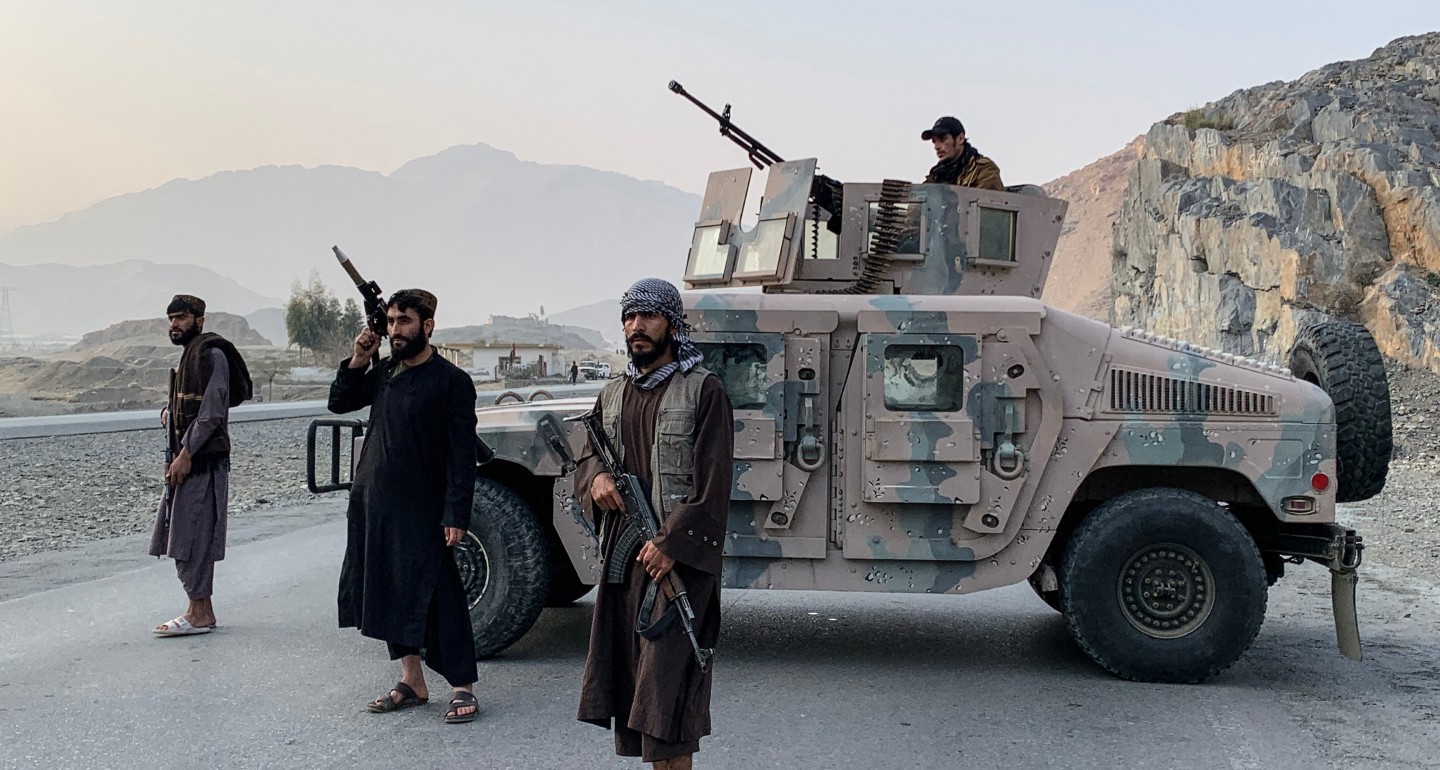
    The Afghanistan–Pakistan War Poses Awkward Questions for Russia

    Not only does the fighting jeopardize regional security, it undermines Russian attempts to promote alternatives to the Western-dominated world order.

      Ruslan Suleymanov
  • Commentary
    Diwan
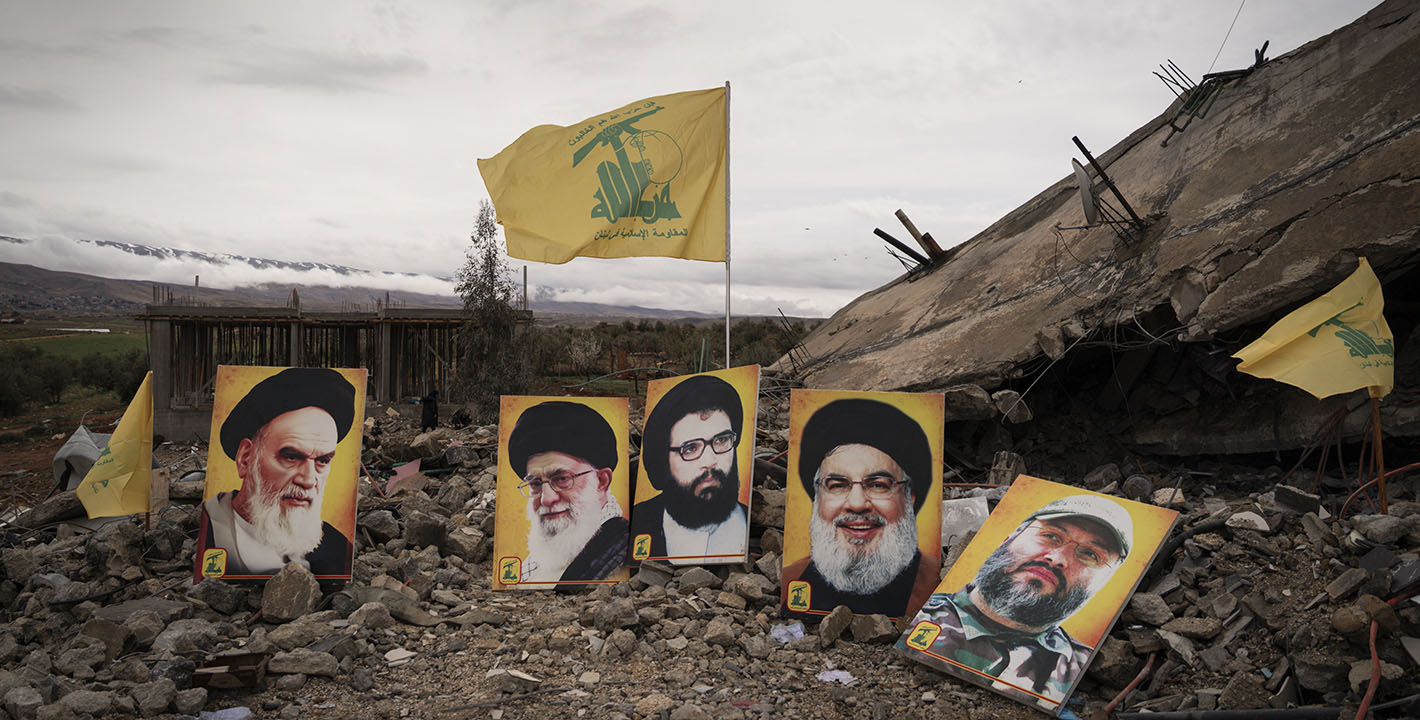
    Hezbollah’s Wartime Strategy

    The party’s objectives involve tying together the Lebanese and Iranian fronts, while surviving militarily and politically at home. 

      Mohamad Fawaz
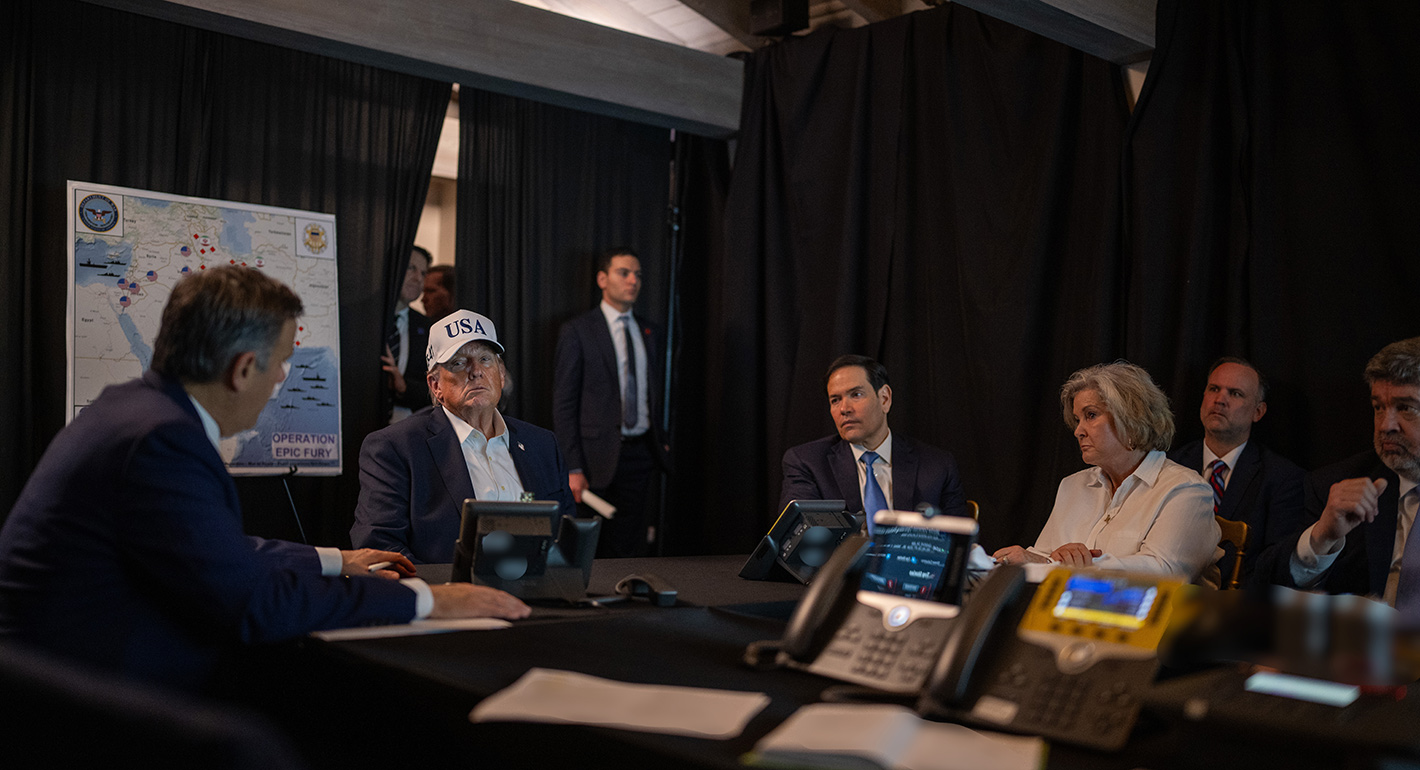
  • U.S. President Donald Trump (C) oversees "Operation Epic Fury" with (L-R) Central Intelligence Agency Director John Ratcliffe, U.S. Secretary of State Marco Rubio and White House Chief of Staff Susie Wiles at Mar-a-Lago on February 28, 2026 in Palm Beach, Florida. President Trump announced today that the United States and Israel had launched strikes on Iran targeting political and military leaders, as well as Iran’s ballistic missile and nuclear programs. (Photo by Daniel Torok/White House via Getty Images)
    Paper
    Operation Epic Fury and the International Law on the Use of Force

    Assessing U.S. compliance with the international laws of war is essential at a time when these frameworks are already fraying.
      • Federica D'Alessandra

      Federica D’Alessandra

  • Commentary
    Diwan
    Iran Rewrites Its War Strategy

    In an interview, Hamidreza Azizi discusses how Tehran has adapted in real time to the conflict with the United States and Israel.

      Michael Young
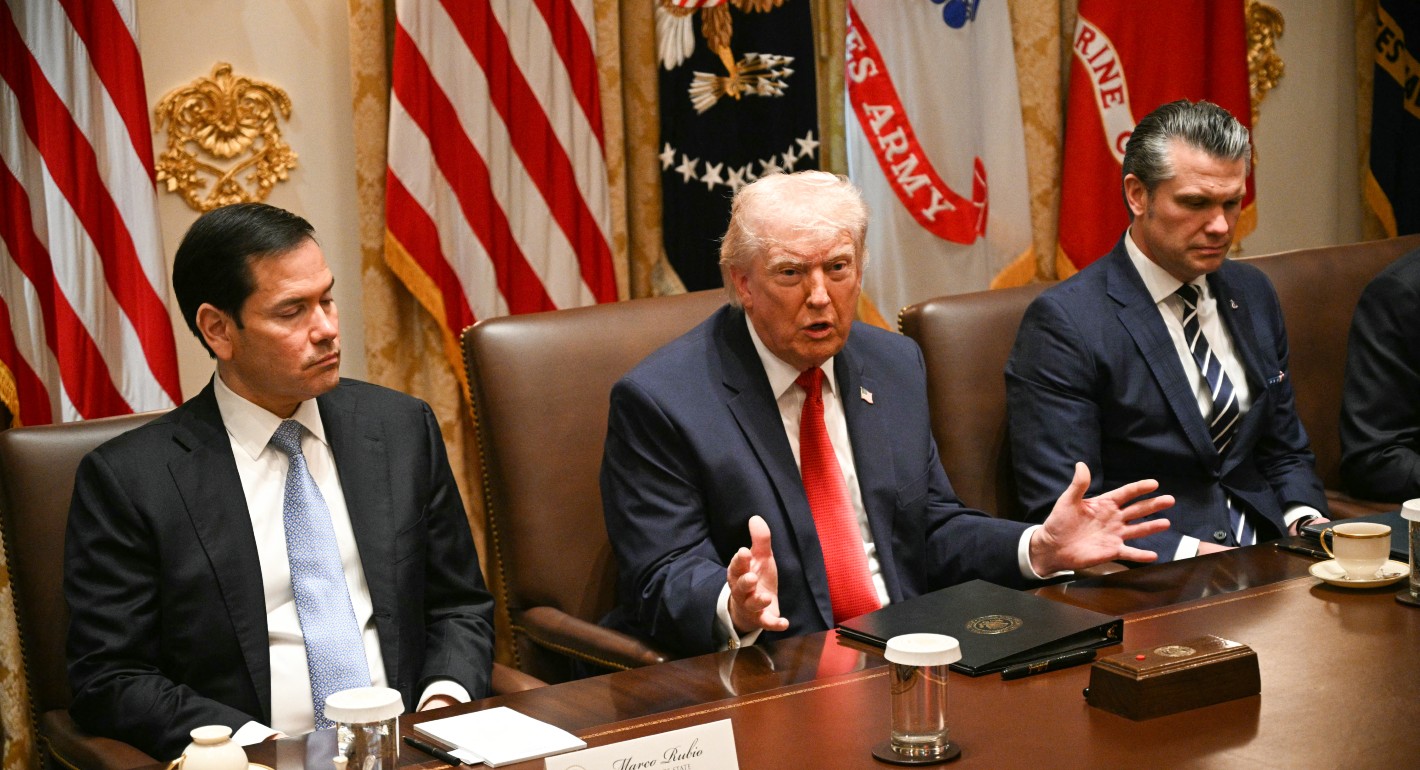
  • Trump seated and gesturing while speaking
    Commentary
    Emissary
    The Iran War Is Making America Less Safe

    A conflict launched in the name of American security is producing the opposite effect.

      • Sarah Yerkes

      Sarah Yerkes

Get more news and analysis from
Carnegie Endowment for International Peace
Carnegie global logo, stacked
1779 Massachusetts Avenue NWWashington, DC, 20036-2103Phone: 202 483 7600Fax: 202 483 1840
  • Research
  • Emissary
  • About
  • Experts
  • Donate
  • Programs
  • Events
  • Blogs
  • Podcasts
  • Contact
  • Annual Reports
  • Careers
  • Privacy
  • For Media
  • Government Resources
Get more news and analysis from
Carnegie Endowment for International Peace
© 2026 Carnegie Endowment for International Peace. All rights reserved.