• Research
  • Emissary
  • About
  • Experts
Carnegie Global logoCarnegie lettermark logo
DemocracyIran
  • Donate
{
  "authors": [
    "Ibrahim Saif"
  ],
  "type": "other",
  "centerAffiliationAll": "",
  "centers": [
    "Carnegie Endowment for International Peace",
    "Malcolm H. Kerr Carnegie Middle East Center"
  ],
  "collections": [
    "Arab Awakening"
  ],
  "englishNewsletterAll": "",
  "nonEnglishNewsletterAll": "",
  "primaryCenter": "Malcolm H. Kerr Carnegie Middle East Center",
  "programAffiliation": "",
  "programs": [],
  "projects": [],
  "regions": [
    "North Africa",
    "Egypt",
    "North America"
  ],
  "topics": [
    "Political Reform",
    "Economy"
  ]
}
Source: Getty

Other
Malcolm H. Kerr Carnegie Middle East Center

Strengthening Egypt's Economy

The Egyptian interim government must restore security, lay the groundwork for a new partnership with the private sector, and adopt a more transparent decision-making process to strengthen the country's economy.
Link Copied
By Ibrahim Saif
Published on Dec 13, 2011
What are the main steps Egypt must take to strengthen its economy?
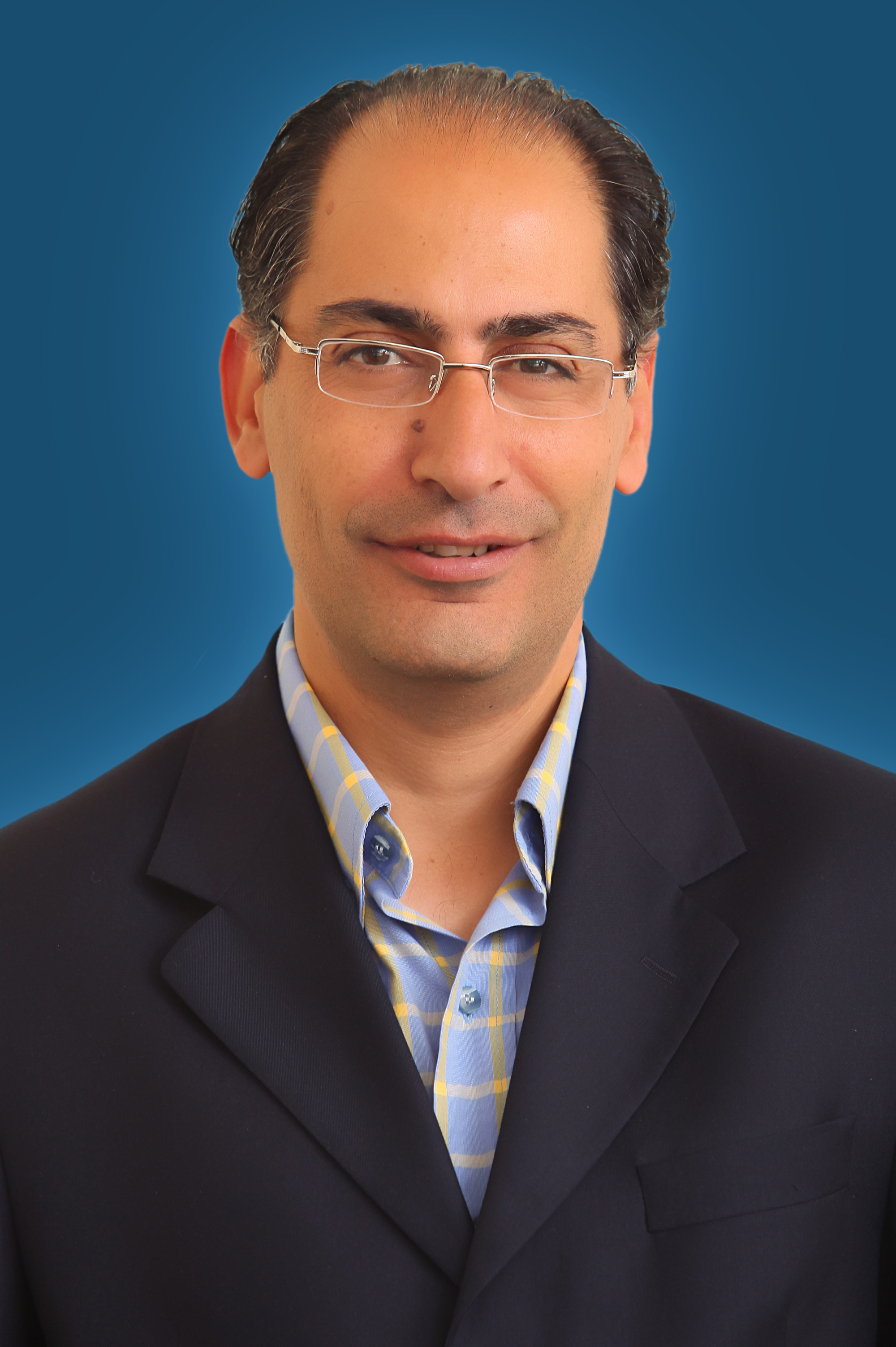
Ibrahim Saif
In the short term, Egypt must restore security and send the right message to the private sector to encourage optimism. The interim government must lay the groundwork for a new partnership with the private sector that encourages investors to engage in providing new services and utilities under the supervision of the government.

The government must adopt a more participatory and transparent decision-making process, including making budget information and other related financial operations public. Moreover, it needs to ensure the availability of funds for small and medium enterprises by providing guarantees to commercial banks for a limited period of time. Lastly, the government must set clearly priorities to ease the transitional period and channel foreign grants and loans toward needed infrastructure and housing projects for the poor.

About the Author

Ibrahim Saif

Former Senior Associate, Middle East Center

Saif is an economist specializing in the political economy of the Middle East. His research focuses on international trade and structural adjustment programs in developing countries, with emphasis on Jordan and the Middle East.

    Recent Work

  • Paper
    The Private Sector in Postrevolution Egypt

      Ibrahim Saif, Ahmed Ghoneim

  • Paper
    The Economic Agenda of the Islamist Parties

      Ibrahim Saif, Muhammad Abu Rumman

Ibrahim Saif
Former Senior Associate, Middle East Center
Ibrahim Saif
Political ReformEconomyNorth AfricaEgyptNorth America

Carnegie does not take institutional positions on public policy issues; the views represented herein are those of the author(s) and do not necessarily reflect the views of Carnegie, its staff, or its trustees.
More Work from Carnegie Endowment for International Peace

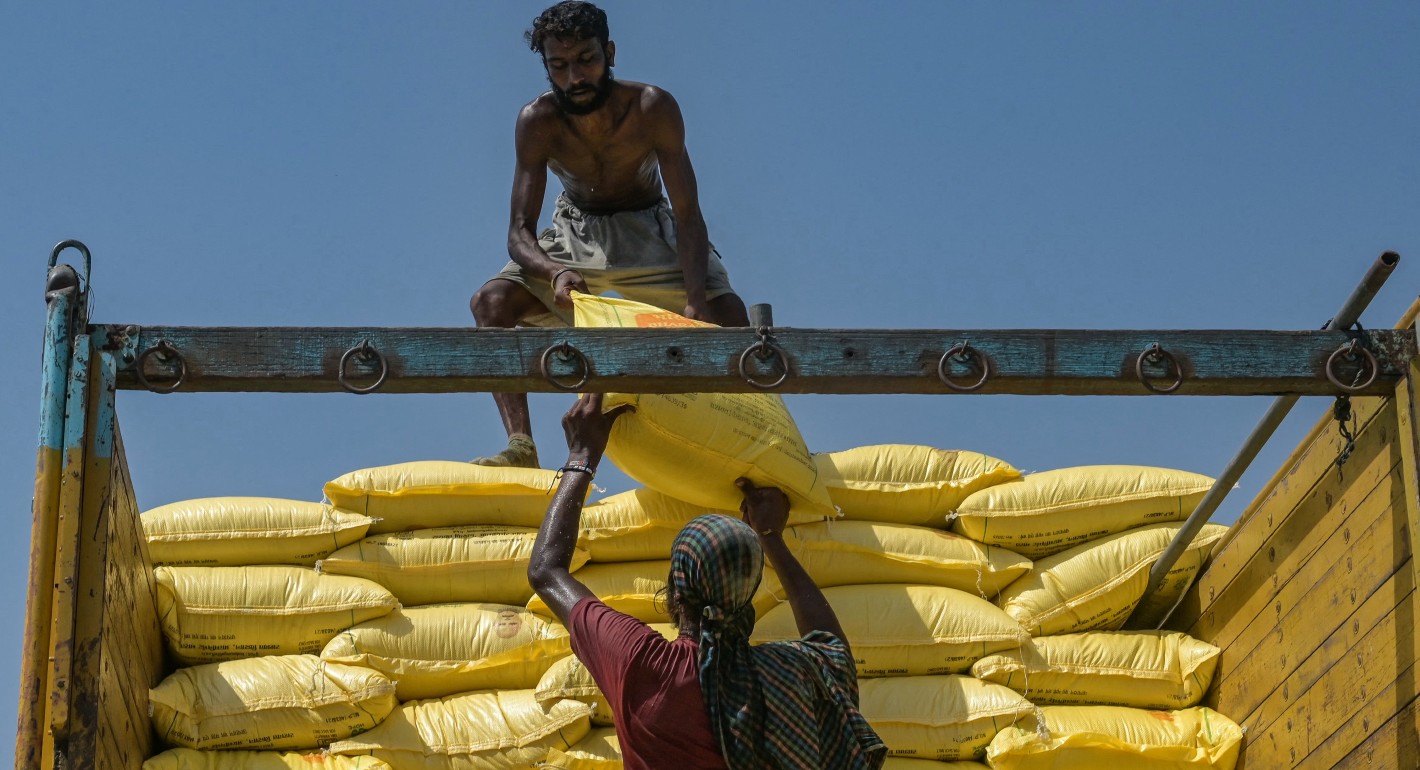
  • One man tossing a sack to another to stack on a truck
    Commentary
    Emissary
    The Other Global Crisis Stemming From the Strait of Hormuz’s Blockage

    Even if the Iran war stops, restarting production and transport for fertilizers and their components could take weeks—at a crucial moment for planting.
      • Noah  Gordon ​​​​

      Noah Gordon, Lucy Corthell

  • Commentary
    Strategic Europe
    The EU Needs a Third Way in Iran

    European reactions to the war in Iran have lost sight of wider political dynamics. The EU must position itself for the next phase of the crisis without giving up on its principles.

      Richard Youngs
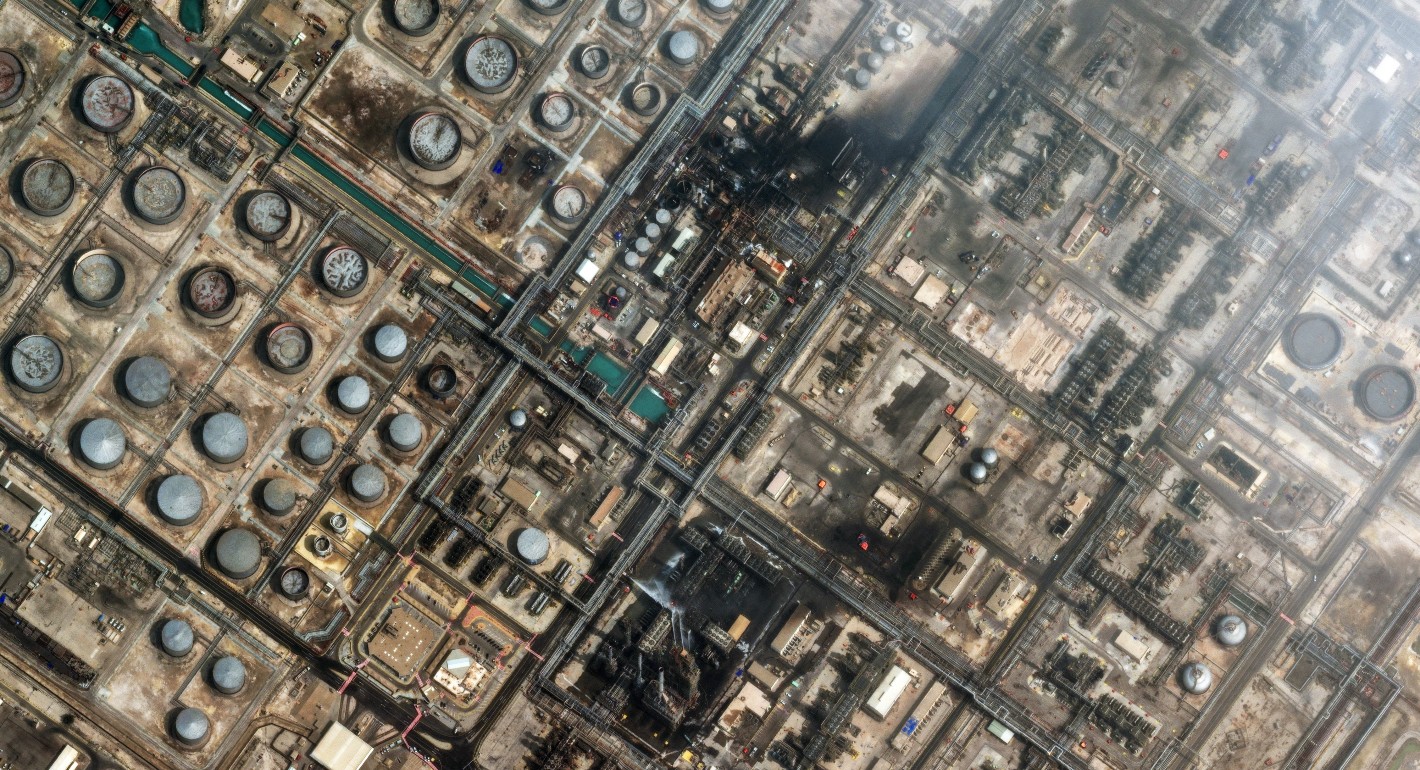
  • Satellite of a damaged oil refinery
    Commentary
    Emissary
    Iran Is Pushing Its Neighbors Toward the United States

    Tehran’s attacks are reshaping the security situation in the Middle East—and forcing the region’s clock to tick backward once again.

      Amr Hamzawy
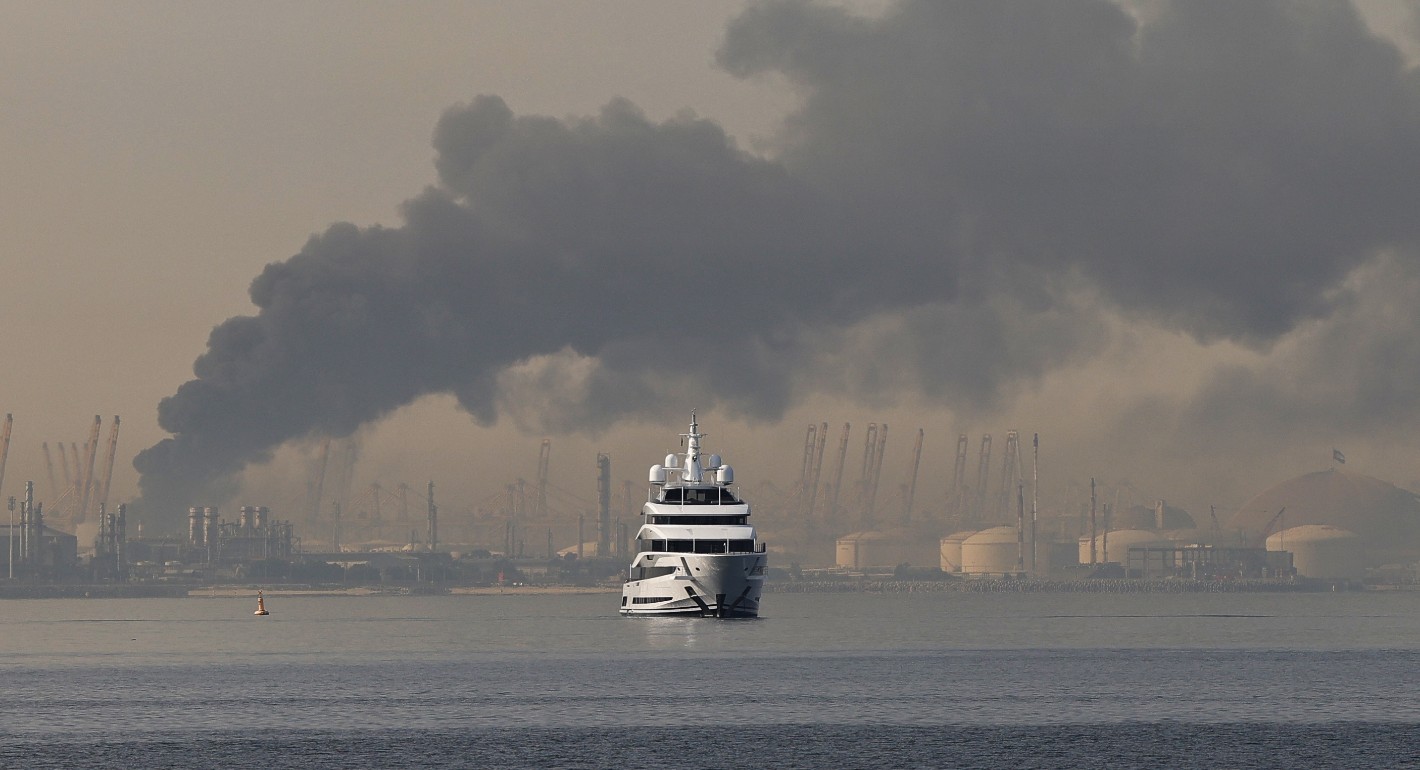
  • A boat, with smoke in the background
    Commentary
    Emissary
    The Gulf Monarchies Are Caught Between Iran’s Desperation and the U.S.’s Recklessness

    Only collective security can protect fragile economic models.

      • Andrew Leber

      Andrew Leber

  • Commentary
    Sada
    Duqm at the Crossroads: Oman’s Strategic Port and Its Role in Vision 2040

    In a volatile Middle East, the Omani port of Duqm offers stability, neutrality, and opportunity. Could this hidden port become the ultimate safe harbor for global trade?

      Giorgio Cafiero, Samuel Ramani

Get more news and analysis from
Carnegie Endowment for International Peace
Carnegie global logo, stacked
1779 Massachusetts Avenue NWWashington, DC, 20036-2103Phone: 202 483 7600Fax: 202 483 1840
  • Research
  • Emissary
  • About
  • Experts
  • Donate
  • Programs
  • Events
  • Blogs
  • Podcasts
  • Contact
  • Annual Reports
  • Careers
  • Privacy
  • For Media
  • Government Resources
Get more news and analysis from
Carnegie Endowment for International Peace
© 2026 Carnegie Endowment for International Peace. All rights reserved.