• Research
  • Emissary
  • About
  • Experts
Carnegie Global logoCarnegie lettermark logo
DemocracyIran
  • Donate
{
  "authors": [
    "Ibrahim Saif"
  ],
  "type": "other",
  "centerAffiliationAll": "",
  "centers": [
    "Carnegie Endowment for International Peace",
    "Malcolm H. Kerr Carnegie Middle East Center"
  ],
  "collections": [
    "Arab Awakening"
  ],
  "englishNewsletterAll": "",
  "nonEnglishNewsletterAll": "",
  "primaryCenter": "Malcolm H. Kerr Carnegie Middle East Center",
  "programAffiliation": "",
  "programs": [],
  "projects": [],
  "regions": [
    "North Africa",
    "Egypt",
    "North America"
  ],
  "topics": [
    "Economy"
  ]
}

Source: Getty

Other
Malcolm H. Kerr Carnegie Middle East Center

The Global Slowdown and Egypt's Economy

The overall impact of the global downturn on Egypt is that it creates deflationary expectations. As a result, domestic and foreign investors prefer to wait until the dust settles before they make their investment decisions.
Link Copied
By Ibrahim Saif
Published on Dec 12, 2011
What effect has the global slowdown had on Egypt's economy during its political transition?
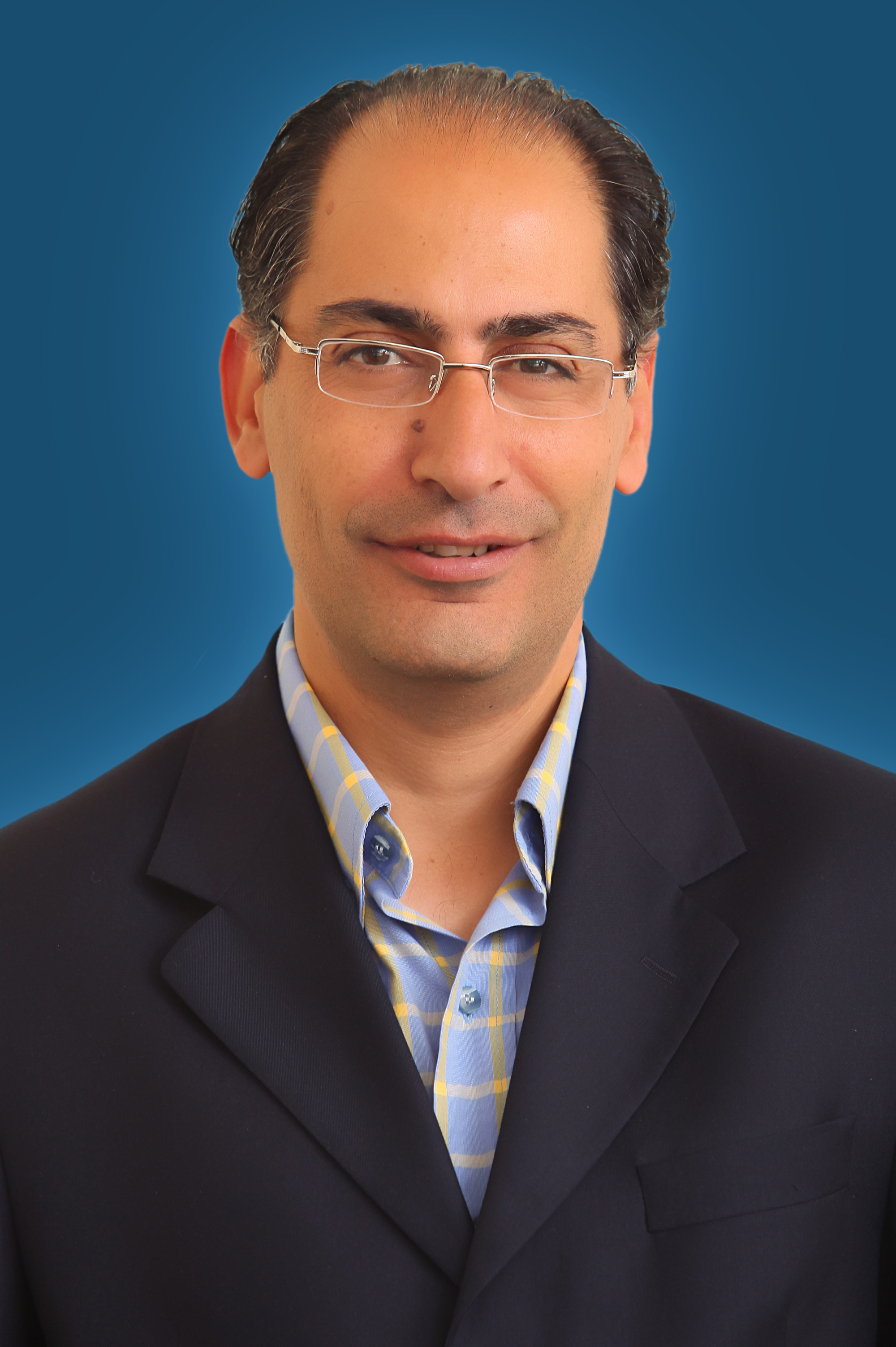
Ibrahim Saif
The overall impact of the global downturn is that it creates deflationary expectations. As a result, domestic and foreign investors prefer to wait until the dust settles before they make their investment decisions.

The global slowdown has had a negative impact on the inflow of foreign investment, from both the Gulf countries and the broader international market. This has been associated with a decline in worker remittances, which constitutes nearly 10 percent of Egypt’s national economy.

Read more

Moreover, tourism—a significant sector in Egypt employing almost one-quarter of the labor force—has been crippled by a combination of the global slowdown and security concerns.

Exports of goods have declined as a result of a declining global demand and a decline of government support for exporters, including low tax rate and credit lending. The cost of lending, in terms of the borrowing interest rate, has reached nearly 11 percent, which is extremely high especially with the high degree of instability.

All of this has resulted in a tight lending policy at a time when liquidity is most needed, hence complicating the transitional period.

About the Author

Ibrahim Saif

Former Senior Associate, Middle East Center

Saif is an economist specializing in the political economy of the Middle East. His research focuses on international trade and structural adjustment programs in developing countries, with emphasis on Jordan and the Middle East.

    Recent Work

  • Paper
    The Private Sector in Postrevolution Egypt

      Ibrahim Saif, Ahmed Ghoneim

  • Paper
    The Economic Agenda of the Islamist Parties

      Ibrahim Saif, Muhammad Abu Rumman

Ibrahim Saif
Former Senior Associate, Middle East Center
Ibrahim Saif
EconomyNorth AfricaEgyptNorth America

Carnegie does not take institutional positions on public policy issues; the views represented herein are those of the author(s) and do not necessarily reflect the views of Carnegie, its staff, or its trustees.

More Work from Carnegie Endowment for International Peace

  • China Financial Markets
    Commentary
    China Financial Markets
    Is China’s High-Quality Investment Output Economically Viable?

    China’s rapid technological progress and its first-rate infrastructure are often cited as refuting the claim that China has been systematically overinvesting in non-productive projects for many years. In fact, as the logic of overinvestment and the many historical precedents show, the former is all-too-often consistent with the latter.

      Michael Pettis

  • Article
    India’s Press Note 3 Gamble: Opening the FDI Door to China

    On March 10, 2026, India’s Union Cabinet approved amendments to Press Note 3, a regulation that mandated government approval on all foreign direct investment (FDI) from countries sharing a land border with India. This amendment raises questions primarily about whether its stated benefits will materialize and if the risks have been adequately weighed. This piece will address the same.

      Konark Bhandari

  • Humanoid robots follow technicians to learn job skills at the data collection area of an embodied AI robot innovation center on September 14, 2025 in Shaoxing, Zhejiang Province of China.
    Paper
    The AI Labor Debate: Three Views on the Future of Work

    AI could hollow out jobs, reshape them gradually, create entirely new ones—or do all three at once. The case for starting to act now doesn’t depend on knowing which.
      • Teddy Tawil

      Teddy Tawil

  • Commentary
    Carnegie Politika
    Russia’s Coal Industry Is Running on Borrowed Time

    Powerful lobbyists and inertia led to Russia’s coal-mining sector missing an excellent opportunity to solve its structural problems.

      Alexey Gusev
  • Shipping port at dawn from above
    Commentary
    Emissary
    The U.S. Export-Import Bank Was Built for a Different Era. Here's How to Fix It.

    Five problems—and solutions—to make it actually work as a tool of great power competition.

      • Afren Akhter

      Afreen Akhter

Get more news and analysis from
Carnegie Endowment for International Peace
Carnegie global logo, stacked
1779 Massachusetts Avenue NWWashington, DC, 20036-2103Phone: 202 483 7600
  • Research
  • Emissary
  • About
  • Experts
  • Donate
  • Programs
  • Events
  • Blogs
  • Podcasts
  • Contact
  • Annual Reports
  • Careers
  • Privacy
  • For Media
  • Government Resources
Get more news and analysis from
Carnegie Endowment for International Peace
© 2026 Carnegie Endowment for International Peace. All rights reserved.