
• Research
  • Emissary
  • About
  • Experts
Carnegie Global logoCarnegie lettermark logo
DemocracyIran
  • Donate
{
  "authors": [
    "Stephen Tankel"
  ],
  "type": "legacyinthemedia",
  "centerAffiliationAll": "dc",
  "centers": [
    "Carnegie Endowment for International Peace"
  ],
  "collections": [],
  "englishNewsletterAll": "ctw",
  "nonEnglishNewsletterAll": "",
  "primaryCenter": "Carnegie Endowment for International Peace",
  "programAffiliation": "SAP",
  "programs": [
    "South Asia"
  ],
  "projects": [],
  "regions": [
    "North America",
    "United States",
    "South Asia",
    "Afghanistan"
  ],
  "topics": [
    "Security",
    "Military",
    "Foreign Policy"
  ]
}
Source: Getty

In The Media

Afghanistan's Heart and Minds

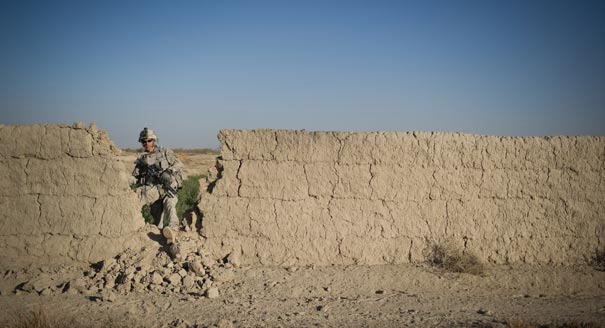
The recent shooting by a rogue American soldier puts the U.S. mission in Afghanistan in danger, and has raised new questions about the pace of the American transition.

Link Copied
By Stephen Tankel
Published on Mar 13, 2012
Program mobile hero image

Program

South Asia

The South Asia Program informs policy debates relating to the region’s security, economy, and political development. From strategic competition in the Indo-Pacific to India’s internal dynamics and U.S. engagement with the region, the program offers in-depth, rigorous research and analysis on South Asia’s most critical challenges.

Learn More

Source: WNYC's Brian Lehrer Show

Recently, a lone American soldier went rogue in Afghanistan and killed sixteen civilians. Speaking on WNYC's Brian Lehrer Show, Stephen Tankel discussed the consequences of this attack on the U.S. mission in Afghanistan, particularly in the context of the Obama Administration's renewed debate over the pace of the transition. Tankel noted the importance of weighing U.S. responsibility to the nation of Afghanistan and the merits of continuing the war.

This discussion was originally broadcast on The Brian Lehrer Show.
About the Author

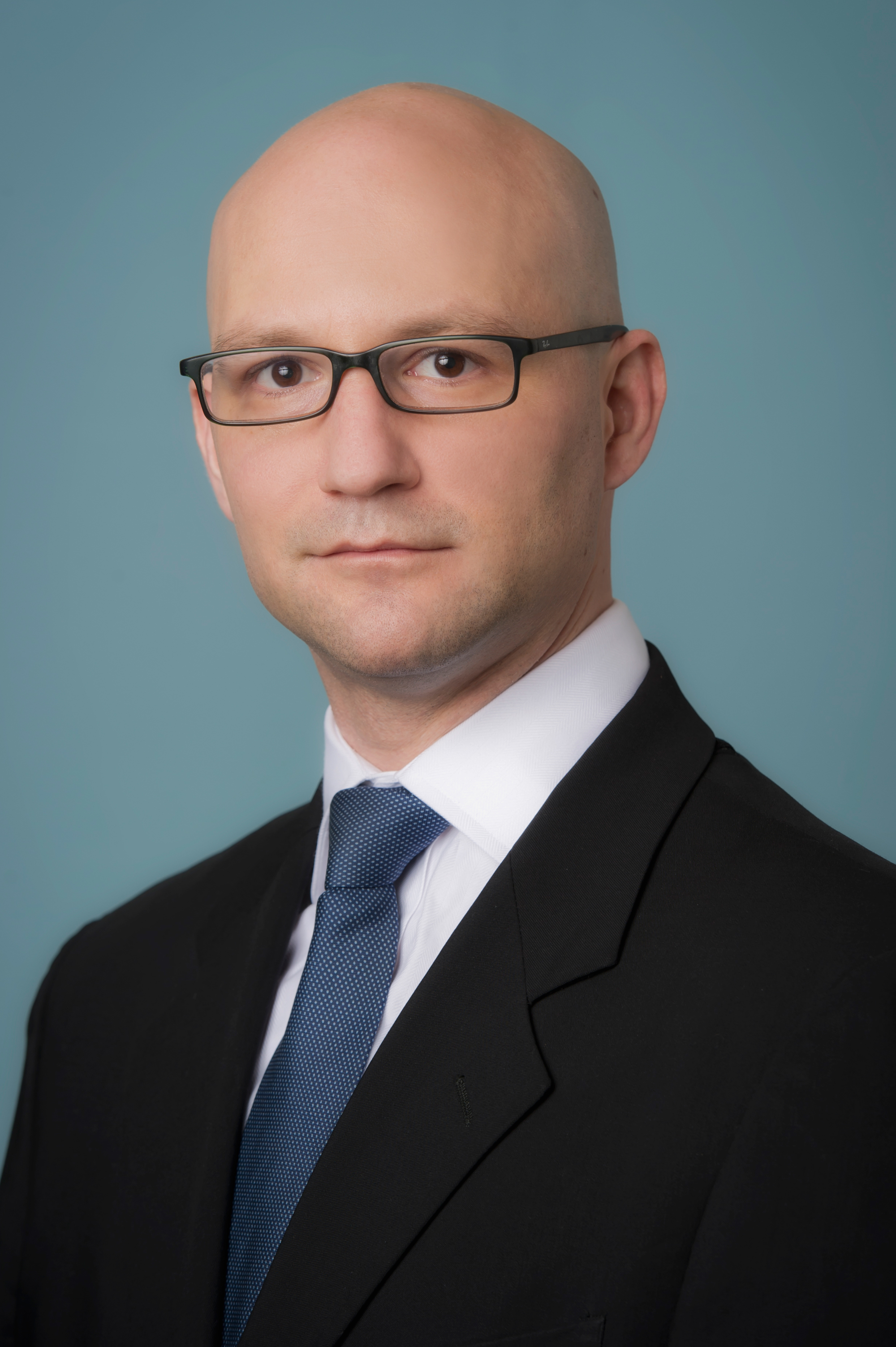
Stephen Tankel

Former Nonresident Scholar, South Asia Program

Tankel was a nonresident scholar at the Carnegie Endowment, where his research focuses on insurgency, terrorism, and the evolution of nonstate armed groups.

    Recent Work

  • Q&A
    Restoring Trust: U.S.-Pakistan Relations

      Stephen Tankel

  • Q&A
    LeT’s Global Rise

      Stephen Tankel

Stephen Tankel
Former Nonresident Scholar, South Asia Program
Stephen Tankel
SecurityMilitaryForeign PolicyNorth AmericaUnited StatesSouth AsiaAfghanistan

Carnegie does not take institutional positions on public policy issues; the views represented herein are those of the author(s) and do not necessarily reflect the views of Carnegie, its staff, or its trustees.
More Work from Carnegie Endowment for International Peace

  • Commentary
    Diwan
    What Does the Strait of Hormuz’s Closure Mean?

    In an interview, Roger Diwan discusses where the global economy may be going in the third week of the U.S.-Israeli war with Iran.

      Nur Arafeh

  • Commentary
    Strategic Europe
    Russia’s Imperial Retreat Is Europe’s Strategic Opportunity

    The war in Ukraine is costing Russia its leverage overseas. Across the South Caucasus and Middle East, this presents an opportunity for Europe to pick up the pieces and claim its own sphere of influence.

      William Dixon, Maksym Beznosiuk

  • apan's Prime Minister Sanae Takaichi (L) reacts as US President Donald Trump delivers a speech in front of US Navy personnel on board the US Navy's USS George Washington aircraft carrier at the US naval base in Yokosuka on October 28, 2025.
    Article
    Takaichi’s Security Agenda After the Landslide Election

    Backed by a new LDP supermajority, Prime Minister Takaichi aspires to revise Japan’s long-standing security doctrine. Ahead of her visit to Washington, she faces fiscal hurdles for her proposed defense spending while needing to navigate President Trump’s request for naval assets to the Strait of Hormuz.

      • Harukata Takenaka

      Harukata Takenaka

  • Commentary
    Is the Radical-Right Threat Existential or Overstated?

    Amid increased polarization and the influence of disinformation, radical-right parties are once again gaining traction across Europe. With landmark elections on the horizon in several countries, are the EU’s geostrategic vision and fundamental values under existential threat?

      Catherine Fieschi, Cas Mudde

  • Commentary
    Diwan
    Tehran’s Easy Targets

    In an interview, Andrew Leber discusses the impact the U.S. and Israeli war against Iran is having on Arab Gulf states.

      Michael Young

Get more news and analysis from
Carnegie Endowment for International Peace
Carnegie global logo, stacked
1779 Massachusetts Avenue NWWashington, DC, 20036-2103Phone: 202 483 7600Fax: 202 483 1840
  • Research
  • Emissary
  • About
  • Experts
  • Donate
  • Programs
  • Events
  • Blogs
  • Podcasts
  • Contact
  • Annual Reports
  • Careers
  • Privacy
  • For Media
  • Government Resources
Get more news and analysis from
Carnegie Endowment for International Peace
© 2026 Carnegie Endowment for International Peace. All rights reserved.










