

Commentary
The books, podcasts, and films that explain the world it made.
Andrew Leber
{
  "authors": [
    "Sun Xuefeng"
  ],
  "type": "other",
  "centerAffiliationAll": "",
  "centers": [
    "Carnegie Endowment for International Peace",
    "Carnegie China"
  ],
  "collections": [
    "China’s Foreign Relations"
  ],
  "englishNewsletterAll": "",
  "nonEnglishNewsletterAll": "",
  "primaryCenter": "Carnegie China",
  "programAffiliation": "",
  "programs": [],
  "projects": [
    "Window Into China"
  ],
  "regions": [],
  "topics": [
    "Security",
    "Economy"
  ]
}
Source: Getty
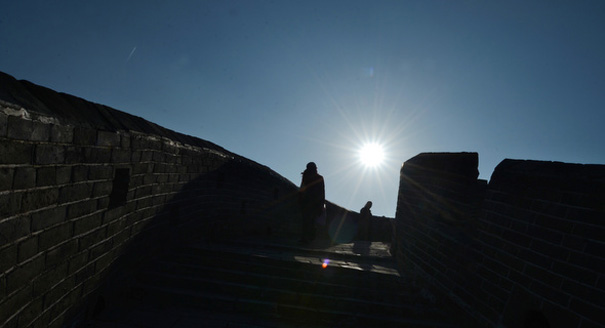
China is a rising power that must define its identity as a global player and balance its domestic needs against those of an increasingly multipolar world.
Source: Real Instituto Elcano

Why are there such contrasting perceptions on China’s rise between the Chinese and the rest of the world? What dilemmas is China beginning to face in the context of these different perceptions about its rise? What ways out of these dilemmas has China been seeking? This essay will explore these thought-provoking questions and present an academic analysis on China’s strategic thinking about its rising dilemmas. It presents three arguments: (1) for most Chinese officials, scholars and the public, China is a multi-faceted rising power; (2) a rising China faces two daunting dilemmas –the dilemma of rising powers and an identity dilemma–; and (3) China has adopted a strategic approach to its rising dilemmas, characterised by patience, reassurance and coherence.
This article was published as part of the Window into China series
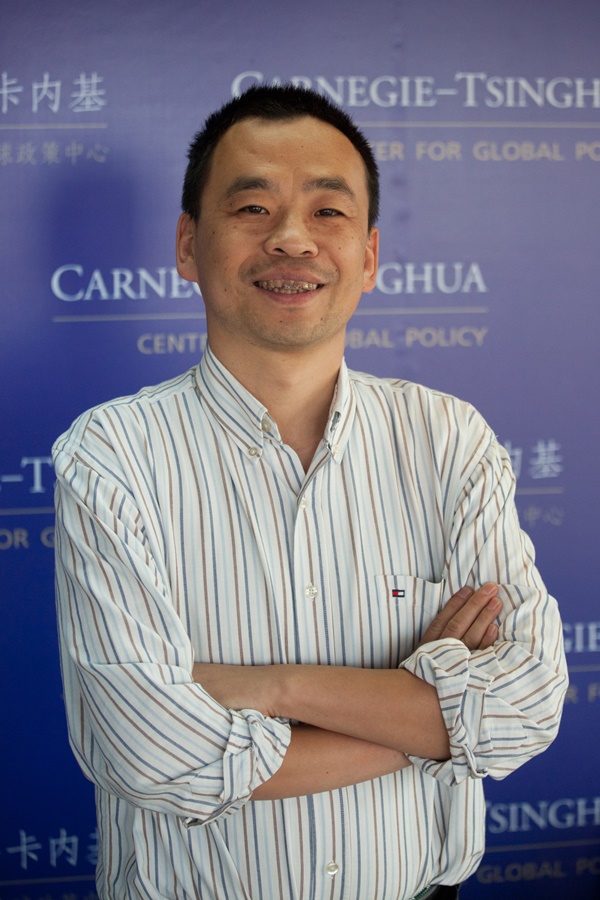
Sun Xuefeng
Former Resident Scholar, Carnegie-Tsinghua Center for Global Policy
Sun Xuefeng was a resident scholar at the Carnegie-Tsinghua Center until June 2020.

The books, podcasts, and films that explain the world it made.

Andrew Leber
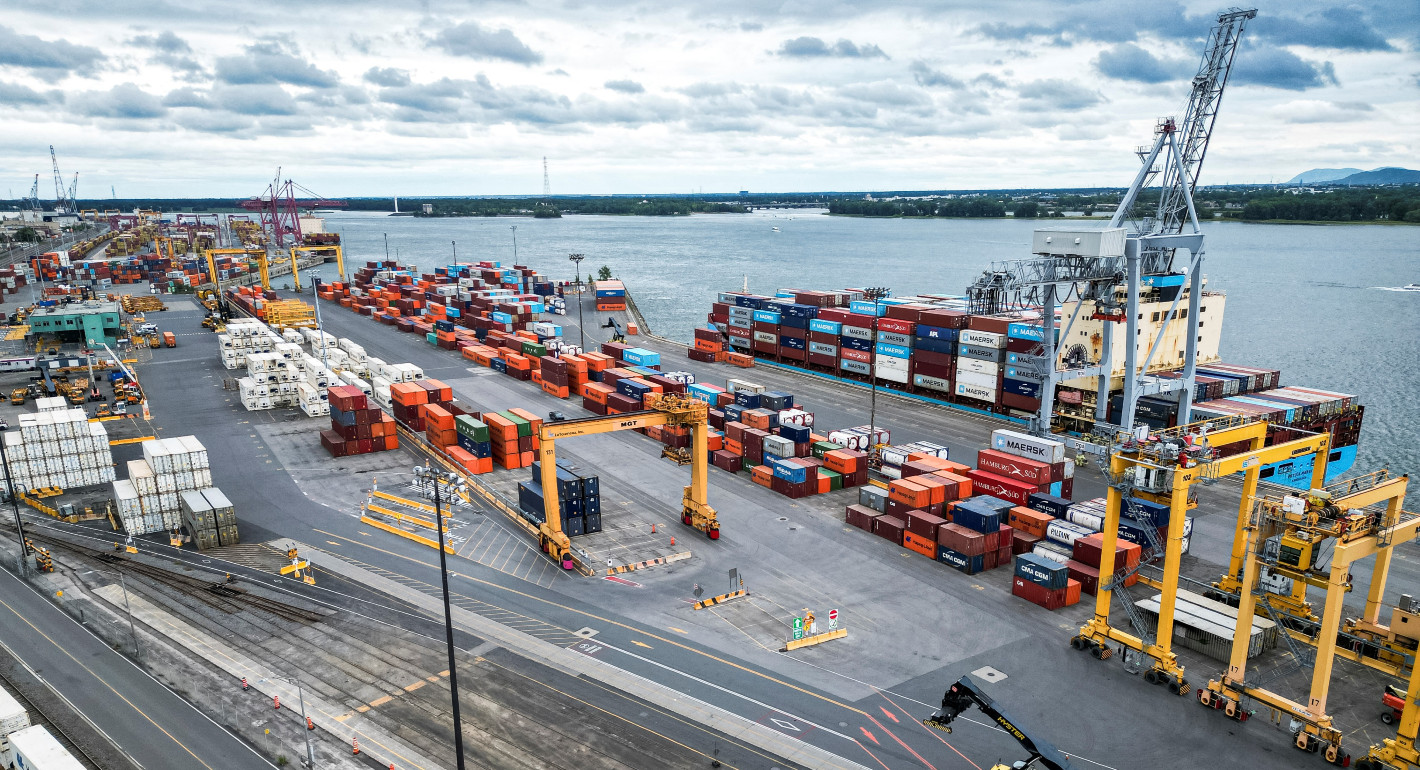
U.S. trading partners in Asia are closely watching the dispute for signs of how it may affect their own interests.

Barbara Weisel

With the growth in points of friction between the great powers, organizations like the SCO will continue to play a role in the strategic adaptation of the smaller powers caught between them.

Temur Umarov

Amid celebrations of bilateral ties was a deeper focus on stability in the Middle East.

Amr Hamzawy
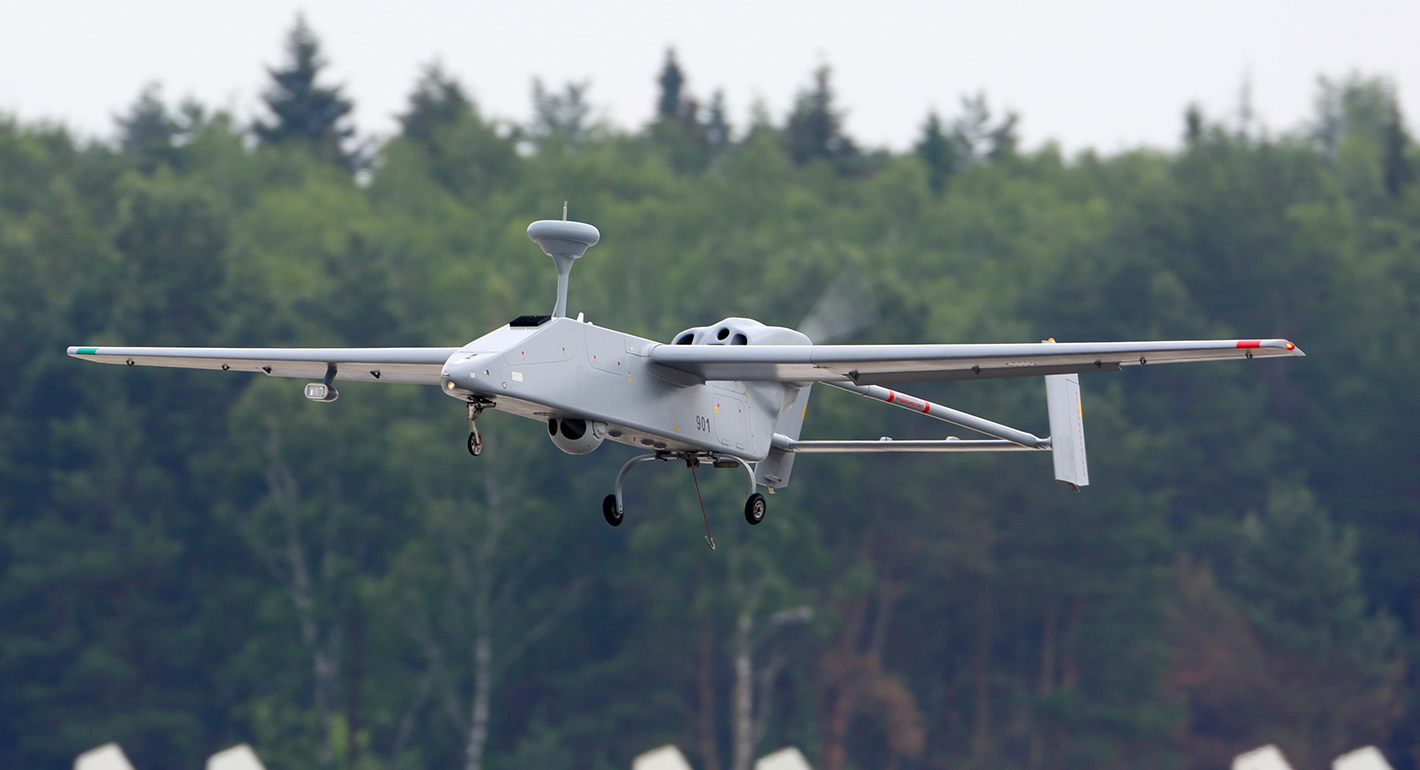
Moscow is testing Europe’s defenses with drone incursions and could decide to use drones against the continent on a much larger scale once the war in Ukraine pauses. European countries will need Kyiv to help them prepare for such a possibility.

Pavlo Zvenyhorodskyi