
• Research
  • Emissary
  • About
  • Experts
Carnegie Global logoCarnegie lettermark logo
DemocracyIran
  • Donate
{
  "authors": [
    "Frederic Wehrey"
  ],
  "type": "legacyinthemedia",
  "centerAffiliationAll": "dc",
  "centers": [
    "Carnegie Endowment for International Peace",
    "Malcolm H. Kerr Carnegie Middle East Center"
  ],
  "collections": [
    "Arab Awakening"
  ],
  "englishNewsletterAll": "menaTransitions",
  "nonEnglishNewsletterAll": "",
  "primaryCenter": "Carnegie Endowment for International Peace",
  "programAffiliation": "MEP",
  "programs": [
    "Middle East"
  ],
  "projects": [],
  "regions": [
    "Middle East",
    "Syria",
    "Levant"
  ],
  "topics": [
    "Political Reform",
    "Security"
  ]
}
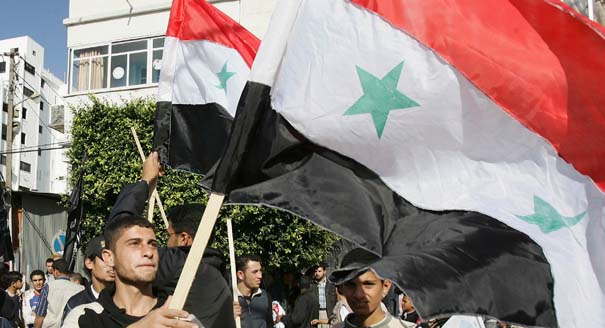
Source: Getty

In The Media

Syria's Increasingly Brutal Civil War

As violence continues to spiral out of control in Syria, all signs point to a protracted struggle for the future of Syria.

Link Copied
By Frederic Wehrey
Published on Aug 1, 2012
Program mobile hero image

Program

Middle East

The Middle East Program in Washington combines in-depth regional knowledge with incisive comparative analysis to provide deeply informed recommendations. With expertise in the Gulf, North Africa, Iran, and Israel/Palestine, we examine crosscutting themes of political, economic, and social change in both English and Arabic.

Learn More

Source: BBC

Speaking on the BBC, Frederic Wehrey commented that both the Syrian regime and the rebels have become increasingly brutal in their tactics. After the rebels' assassination of top officials in Damascus, Assad has decidedly increased the draconian crackdown against the protesters and rebel forces. Wehrey noted that “this is a regime that has ruled through fear and an iron fist. Assad is calculating that if he shows any sign of capitulation or weakness that it’s his downfall, it’s a slippery slope.” Moreover, Assad may believe that this civil war is still winnable, Wehrey added. He is surrounded by his own supporters and views himself and his regime as the protectors of the Alawi community. He is protected by the elite Republican Guard Corps, commanded by his brother. With both the rebels and the regimes forces continuing their brutality and evolving their tactics, Wehrey concluded that, for the moment, all signs point to a protracted struggle for the future of Syria.

About the Author

Frederic Wehrey

Senior Fellow, Middle East Program

Frederic Wehrey is a senior fellow in the Middle East Program at the Carnegie Endowment for International Peace, where his research focuses on governance, conflict, and security in Libya, North Africa, and the Persian Gulf.

    Recent Work

  • Article
    Parallel Climate Reckonings: Colonial Water Legacies and Indigenous Adaptation, from Morocco to the American West

      Frederic Wehrey, Charles H. Johnson

  • Commentary
    The Iran War Is a Stress Test for Gulf States

      Frederic Wehrey, Charles H. Johnson

Frederic Wehrey
Senior Fellow, Middle East Program
Frederic Wehrey
Political ReformSecurityMiddle EastSyriaLevant

Carnegie does not take institutional positions on public policy issues; the views represented herein are those of the author(s) and do not necessarily reflect the views of Carnegie, its staff, or its trustees.
More Work from Carnegie Endowment for International Peace

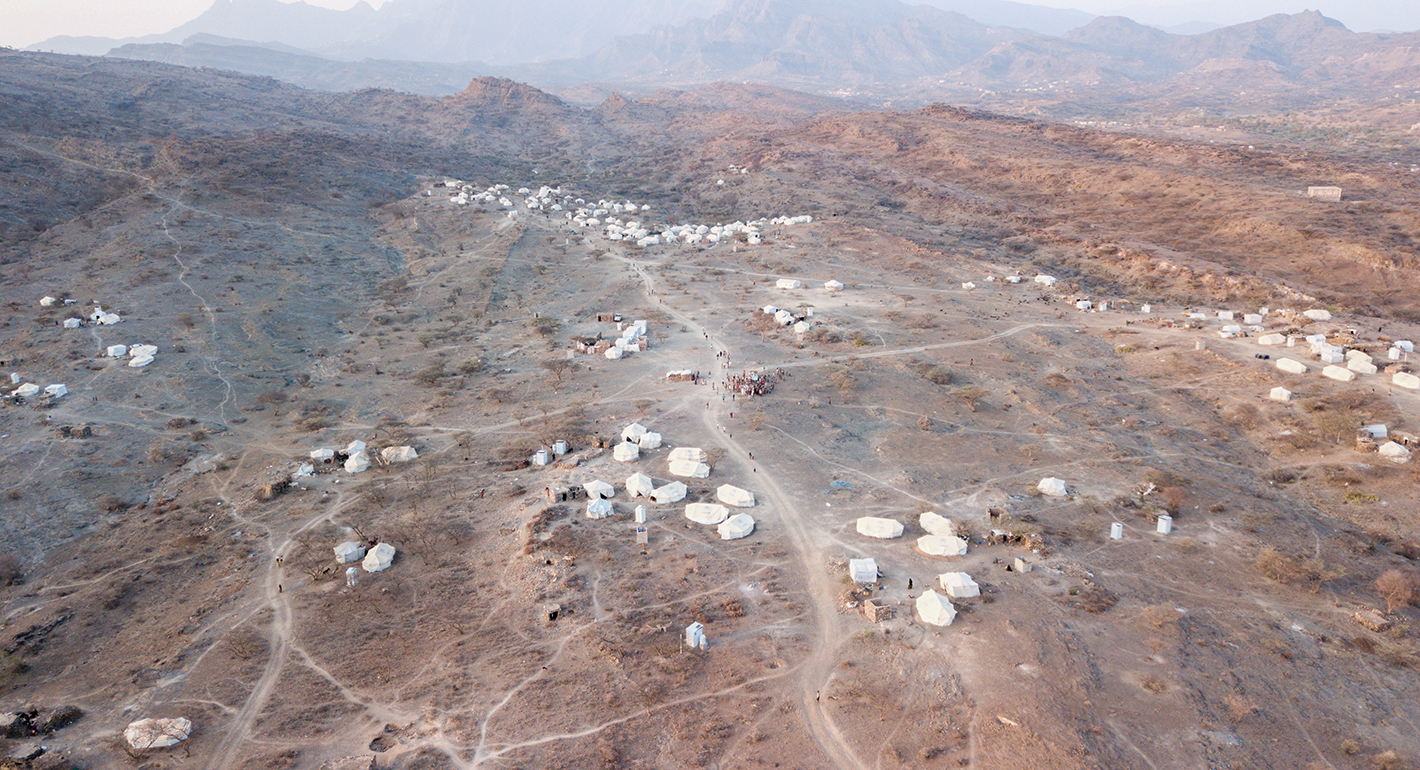
  • Aerial view of Yemeni refugee tents displaced by war
    Article
    In Yemen, Climate Finance Must Respond to Entrenched Instability

    The world’s climate adaptation funds must adapt to address the ways that climate change is deepening state fragility.

      Ray Salvatore Jennings, Paul Andrew Mayewski
  • Commentary
    Strategic Europe
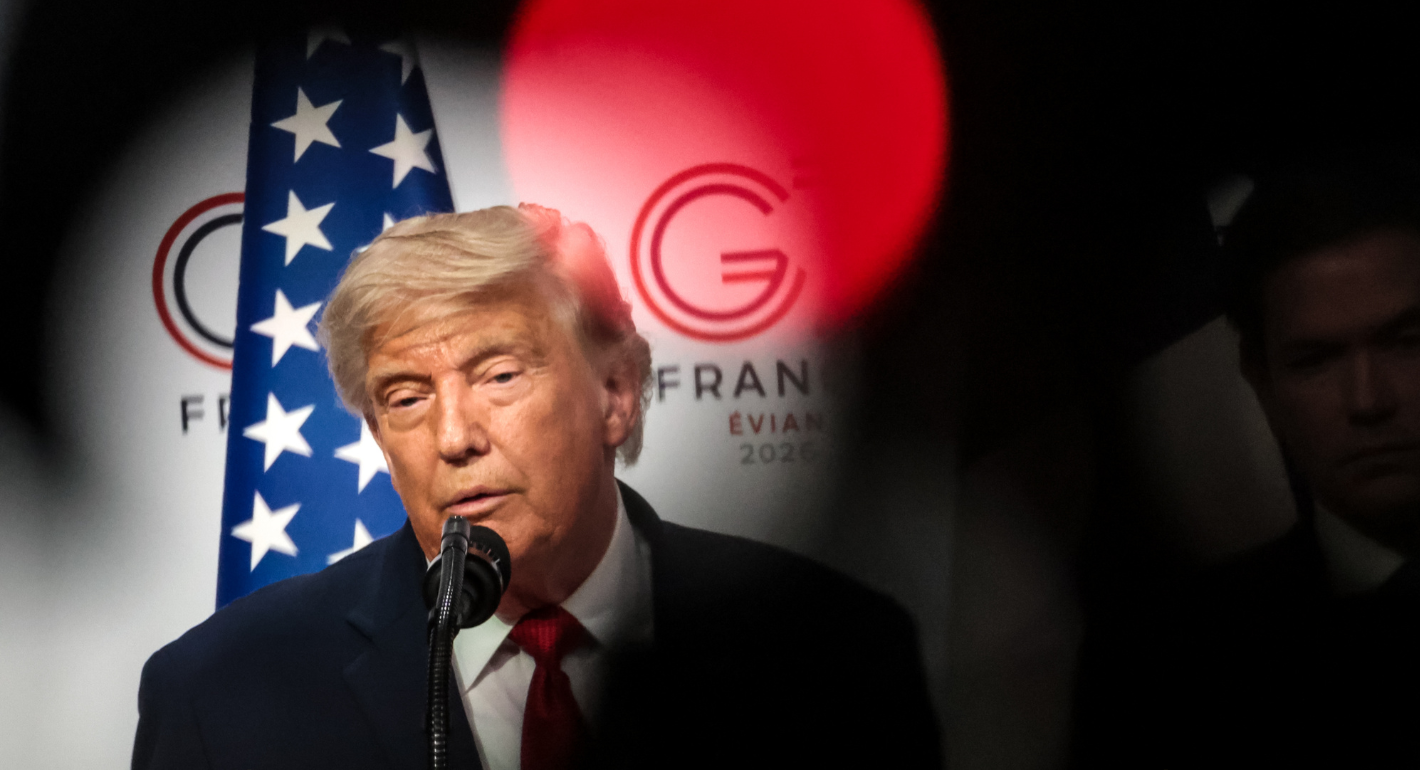
    The Trump-Shaped Hole in the European Security Strategy

    There is an elephant in the room when it comes to the EU’s upcoming security strategy: Donald Trump. Unless European leaders acknowledge the depth of the transatlantic crisis, true autonomy will remain out of reach.

      Stefan Lehne
  • Commentary
    Carnegie Politika
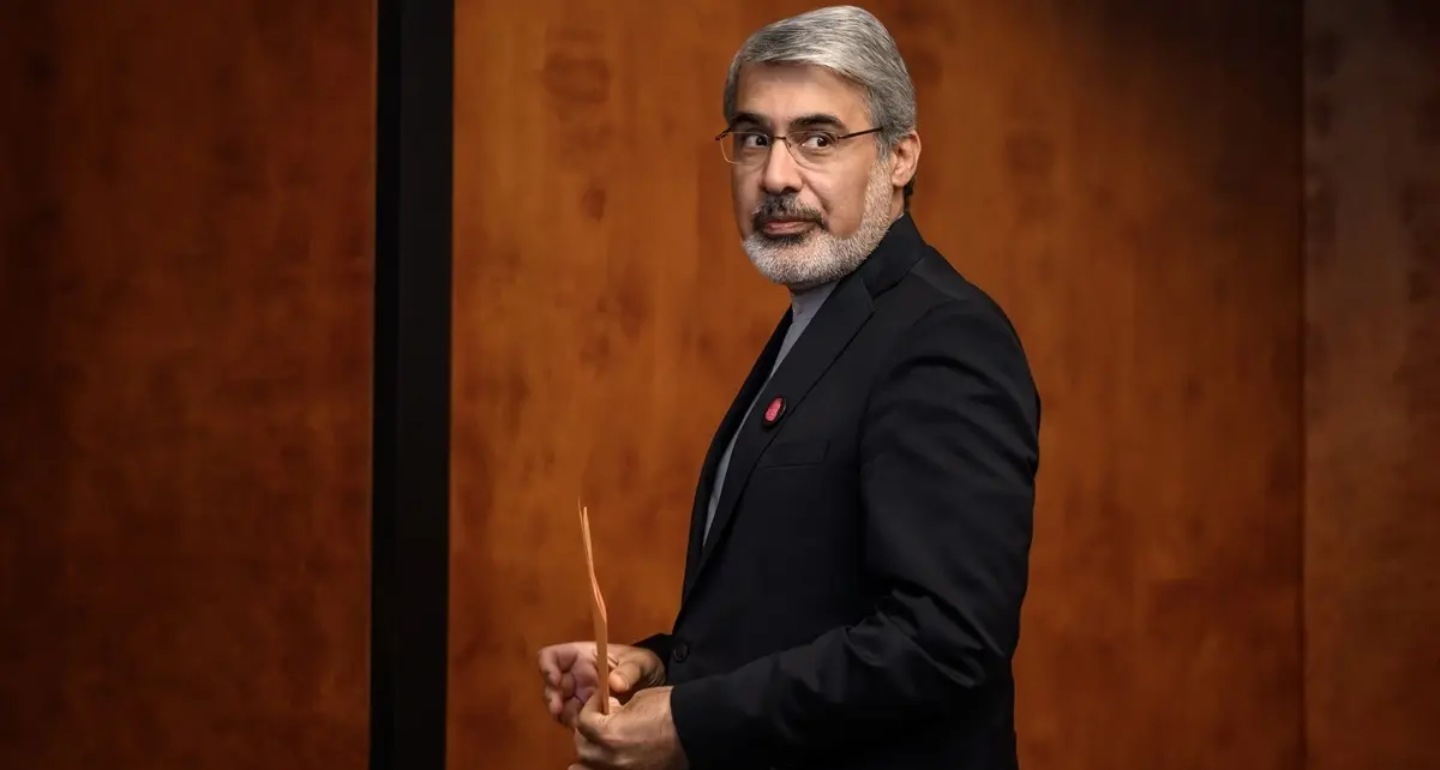
    Simmering U.S.-Iran Conflict Is Moscow’s Ideal Outcome

    Ongoing uncertainty in the Middle East allows Moscow to both increase its influence in Tehran and continue to enjoy the financial windfall of higher oil prices.

      Nikita Smagin
  • Commentary
    Carnegie Politika
    Multiple Wars Are Ruining Central Asia’s Efforts to Diversify Its Trade Routes

    This year’s wars have made alternative routes to transit through Russia no less risky for Central Asian countries.

      Galiya Ibragimova
  • Man sitting in a chair reading a newspaper with Trump's face above the fold
    Commentary
    Emissary
    Iran Wanted to Survive the War. Now What?

    The United States and Israel may have unwittingly revived the Islamic Republic’s “zombie regime.”

      Suzanne Maloney, Aaron David Miller, Karim Sadjadpour

Get more news and analysis from
Carnegie Endowment for International Peace
Carnegie global logo, stacked
1779 Massachusetts Avenue NWWashington, DC, 20036-2103Phone: 202 483 7600
  • Research
  • Emissary
  • About
  • Experts
  • Donate
  • Programs
  • Events
  • Blogs
  • Podcasts
  • Contact
  • Annual Reports
  • Careers
  • Privacy
  • For Media
  • Government Resources
Get more news and analysis from
Carnegie Endowment for International Peace
© 2026 Carnegie Endowment for International Peace. All rights reserved.


