

Commentary
Dmitri Trenin
{
  "authors": [
    "Dmitri Trenin"
  ],
  "type": "legacyinthemedia",
  "centerAffiliationAll": "",
  "centers": [
    "Carnegie Endowment for International Peace",
    "Carnegie Russia Eurasia Center"
  ],
  "collections": [],
  "englishNewsletterAll": "",
  "nonEnglishNewsletterAll": "",
  "primaryCenter": "Carnegie Russia Eurasia Center",
  "programAffiliation": "",
  "programs": [],
  "projects": [],
  "regions": [
    "East Asia",
    "Caucasus",
    "Russia"
  ],
  "topics": [
    "Economy"
  ]
}
Source: Getty
Russians need to see themselves as a Euro-Pacific country, and act accordingly by developing Russia's own Asia-Pacific territory and increasing its activity in the whole region.
Source: Global Times

Speaking in Moscow on August 27, Igor Shuvalov, Russia's first deputy prime minister, called for a massive expansion of the country's trade with the Asia-Pacific region, aiming for a target of about 50 percent in some unspecified future.
For a country that calls itself "Eurasian" and has a double-headed eagle for its state emblem, with the two heads facing west and east, respectively, this sounds only fair.The reality is more complex. Just over 50 percent of Russia's global trade today is with the countries of the EU. It is west of the Urals that four-fifths of Russia's population live, and the vast majority of Russians are European by birth and culture.
The part of Russia which is situated in Asia and faces the Pacific is rich in resources but is scarcely populated and underdeveloped. This leaves Russia basically no choice but to address this imbalance.
Some call it a Russian pivot to the east: brosok na vostok. Actually, "rebalancing toward the east" would be a more accurate term. Above all, this is addressing the domestic Russian challenges.
The goal is to stem the outflow of the local population from the Russian Far East and East Siberia, to develop a new model of regional development, and to better integrate a vast country which extends over nine time zones.
To meet these challenges, Russians need partners for trade, development, and modernization. The more partners come to do business and invest in Russia, the better.
The problem is, of course, that too few come, and still fewer stay, not so much because of the harsh Siberian climate, but rather because of the business environment in which only the biggest companies with strong government ties have a chance of surviving and prospering.
This needs to change. If the Russian leaders are serious, they know what they have to do. They have to adopt and implement a set of pro-business policies and unchain entrepreneurship by stamping out official corruption and reducing the crime rate.
So far, they have created a new ministry to address the problem. This is not necessarily the most innovative or most promising approach, but they apparently prefer to learn from their own mistakes.
They will have to try harder. Giving up on the Far East is not an option, any more than "closing" it from outsiders again. Asian dynamism will keep the Russian leaders awake at night.
So much for the Asia-Pacific as a resource for Russia. What can Russia offer in return? Not much, for the time being.
Russia's share in the APEC members' foreign trade is a puny 1 percent. Yet, it would be foolhardy to entirely discount Russia. Even in its present shape, the country is a repository of valuable natural resources: energy, metals and timber.
These can and should be explored more widely and exploited more efficiently, as well as delivered to the prospective customers, but this will essentially be enhancing Russia's "specialization" as a base of raw materials for both the developed and emerging economies.
Russians need not be ashamed of their richness in resources, but they certainly ought to do better than just mining and chopping.
"Doing better" requires looking beyond the traditional niches: raw materials, weapons sales, even some high-tech ones like nuclear energy and space launches.
One area where Russia could find a new market is food exports. Strikingly, a country whose agriculture was in permanent depression in the last decades of the Soviet period has turned agribusiness into an extremely profitable enterprise.
Southern Siberia with its fertile soils is a breadbasket big enough to accommodate Asian buyers. Another area is water supply. In a world where water is getting increasingly scarce, this is precious resource. Finding a way to commercialize its water abundance would make Russia an indispensable part of the region's economy.
Russia also needs to better use its geographical location between Western Europe and East Asia. Much has been said about upgrading the Trans-Siberian Railway, and linking it to Chinese and Korean networks.
There has also been some amount of fantasy about a rail tunnel under the Bering Strait. More to the point would be laying down an infrastructure needed for using the Northern Sea Route, or North Eastern Passage, for commercial navigation linking Asia-Pacific ports to those in Northern and Western Europe, via the Arctic.
There is a lot that Russia and Russians can do in the Asia-Pacific region. They, too, need to begin investing in the region. They need to consider joining free trade regimes with other countries. They need to see themselves in the 21st century as a Euro-Pacific country, and act accordingly.
Former Director, Carnegie Moscow Center
Trenin was director of the Carnegie Moscow Center from 2008 to early 2022.
Recent Work
Dmitri Trenin
Dmitri Trenin

Blurring the line between humans and animals is a long-standing tradition in social utopian prose. In his latest novel, Leonid Bershidsky reminds us that in social experiments, people are often treated no differently than animals.

Alexander Baunov
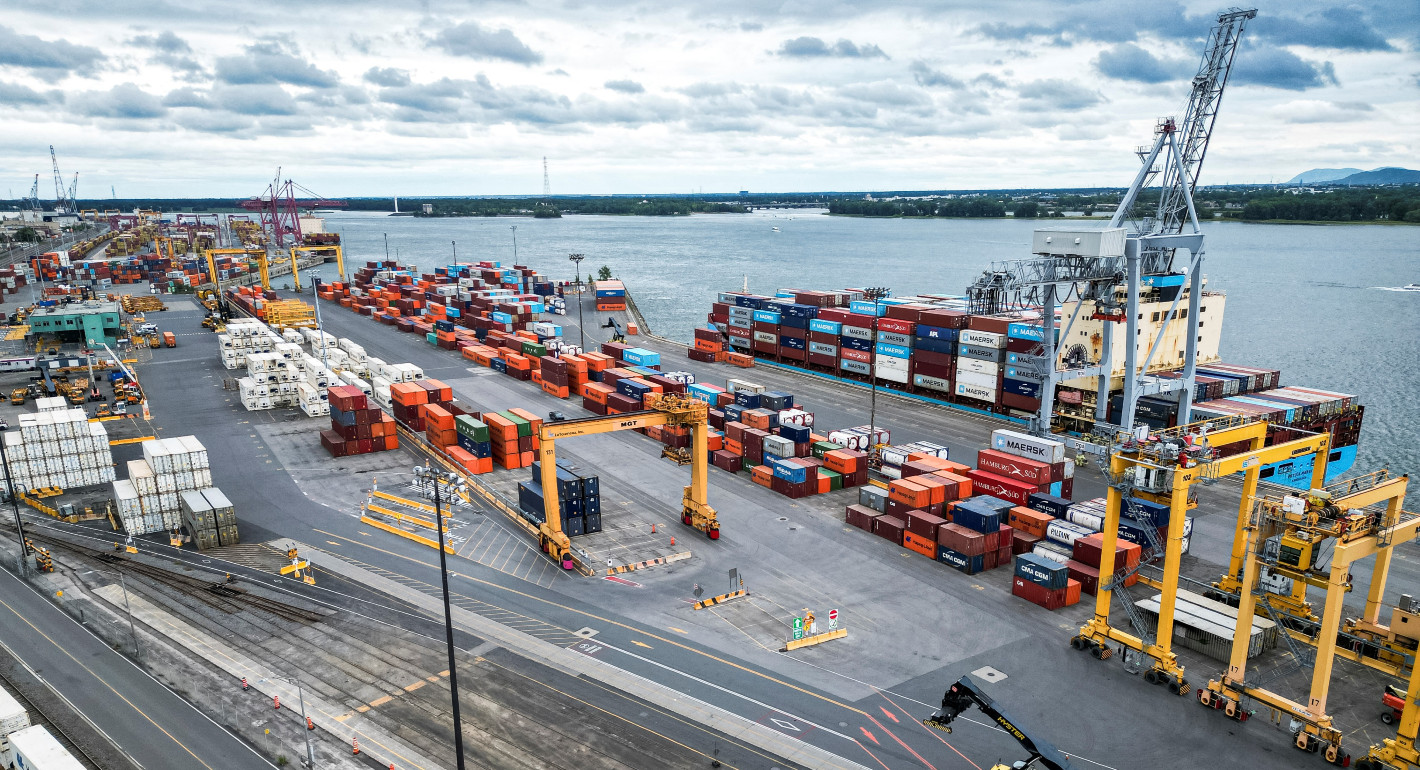
U.S. trading partners in Asia are closely watching the dispute for signs of how it may affect their own interests.
Barbara Weisel
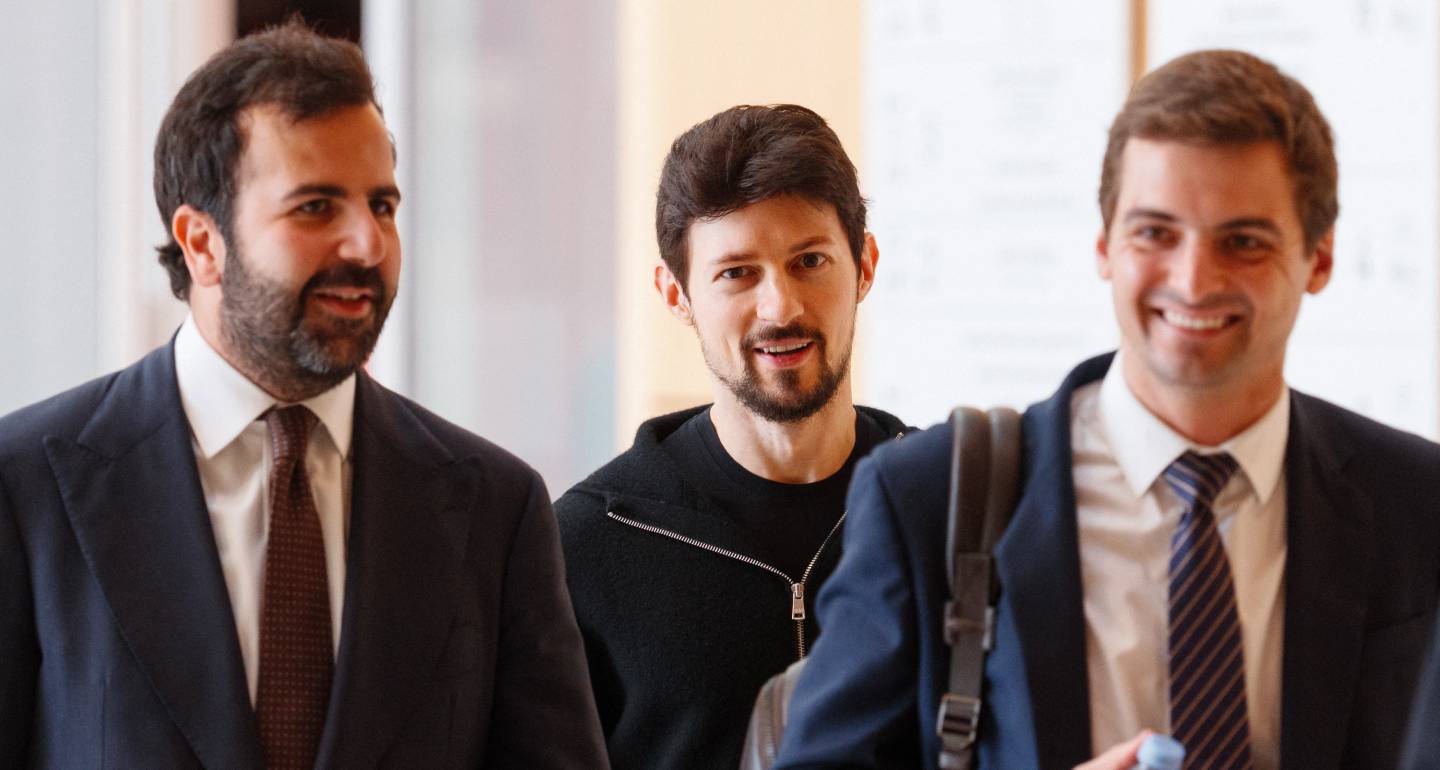
While France and Australia are seeking to establish the legal obligations of messaging apps like Telegram, Russia wants total subordination.

Maria Kolomychenko
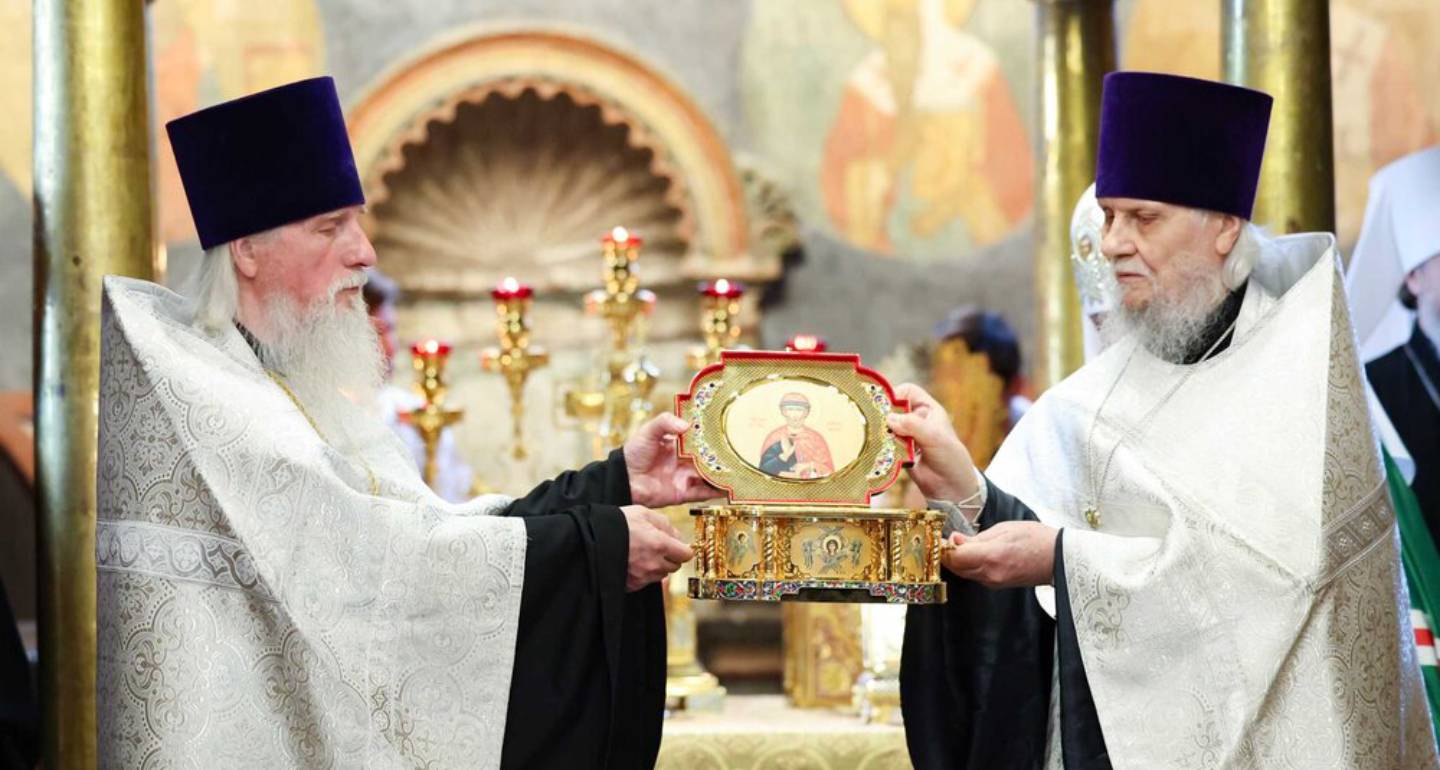
The recent uncovering of Dmitry Donskoy’s relics in the Cathedral of the Archangel is yet another attempt by the Russian Orthodox Church to help the state solve its problems. However, parroting the state’s version of Russian history leaves the Church with no message except “patriotism.”
Alexander Zanemonets

With the growth in points of friction between the great powers, organizations like the SCO will continue to play a role in the strategic adaptation of the smaller powers caught between them.

Temur Umarov