• Research
  • Emissary
  • About
  • Experts
Carnegie Global logoCarnegie lettermark logo
DemocracyIran
  • Donate
{
  "authors": [
    "Karim Sadjadpour"
  ],
  "type": "legacyinthemedia",
  "centerAffiliationAll": "dc",
  "centers": [
    "Carnegie Endowment for International Peace"
  ],
  "collections": [],
  "englishNewsletterAll": "menaTransitions",
  "nonEnglishNewsletterAll": "",
  "primaryCenter": "Carnegie Endowment for International Peace",
  "programAffiliation": "MEP",
  "programs": [
    "Middle East"
  ],
  "projects": [],
  "regions": [
    "Middle East",
    "Iran",
    "Gulf"
  ],
  "topics": [
    "Economy",
    "Political Reform",
    "Nuclear Policy"
  ]
}
Source: Getty

In The Media

Talk of a ‘Red Line’ Stirs Fears Inside Iran

The possibility of a military action targeting Iran, along with the current economic sanctions, are creating anxiety inside the country.

Link Copied
By Karim Sadjadpour
Published on Sep 27, 2012
Program mobile hero image

Program

Middle East

The Middle East Program in Washington combines in-depth regional knowledge with incisive comparative analysis to provide deeply informed recommendations. With expertise in the Gulf, North Africa, Iran, and Israel/Palestine, we examine crosscutting themes of political, economic, and social change in both English and Arabic.

Learn More

Source: PRI's The World

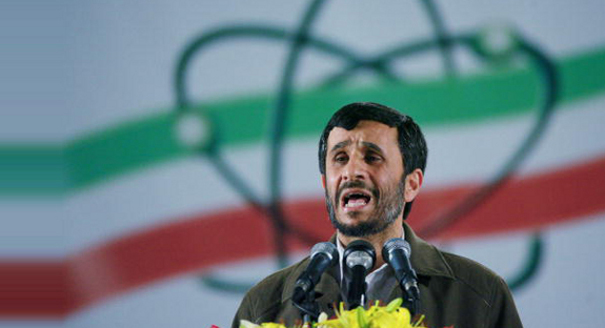
The heightened tensions between Israel, the United States, and Iran regarding Iran’s nuclear program, along with the devastating economics sanctions, are causing increased anxiety in the country. Speaking on PRI’s The World, Carnegie's Karim Sadjadpour noted that when people suffer under economic sanctions, it tends to accentuate their pre-existing political views. In other words, “if you are a supporter of the government you place the onus for personal economic hardship on the U.S. and Western imposed sanctions and if you are an opponent of the government, then you blame it on the regime.” The trend lines in Iran point to a further entrenchment of the dictatorial regime, ruled by Supreme Leader Khamenei and the Revolutionary Guard, Sadjadpour continued. Despite strong resentment among a large swath of the Iranian population, there seems to be little movement towards something resembling the Arab spring. The memory of the brutal repression following the contested 2009 elections demonstrated the regimes policy of refusing to bend, he added. Moreover, “In Iran, the term revolution does not have the romantic connotation that it does in the Arab world because much of the population is so disillusioned with the 1979 revolution,” concluded Sadjadpour.

About the Author

Karim Sadjadpour

Senior Fellow, Middle East Program

Karim Sadjadpour is a senior fellow at the Carnegie Endowment for International Peace, where he focuses on Iran and U.S. foreign policy toward the Middle East.

    Recent Work

  • Q&A
    What’s Keeping the Iranian Regime in Power—for Now

      Aaron David Miller, Karim Sadjadpour, Robin Wright

  • Q&A
    How Washington and Tehran Are Assessing Their Next Steps

      Aaron David Miller, David Petraeus, Karim Sadjadpour

Karim Sadjadpour
Senior Fellow, Middle East Program
Karim Sadjadpour
EconomyPolitical ReformNuclear PolicyMiddle EastIranGulf

Carnegie does not take institutional positions on public policy issues; the views represented herein are those of the author(s) and do not necessarily reflect the views of Carnegie, its staff, or its trustees.
More Work from Carnegie Endowment for International Peace

  • Man speaking into two mics
    Commentary
    Emissary
    Three Scenarios for the Gulf States After the Iran War

    One is hopeful. One is realistic. One is cautionary.

      • Andrew Leber

      Andrew Leber, Sam Worby

  • Article
    Kuwait’s Bidun in the Face of Climate Change are Invisible, yet Exposed

    Mitigating the repercussions of climate change in Kuwait is crucial for lessening economic disparities and achieving social justice.

      Courtney Freer
  • Commentary
    Strategic Europe
    The Fog of AI War

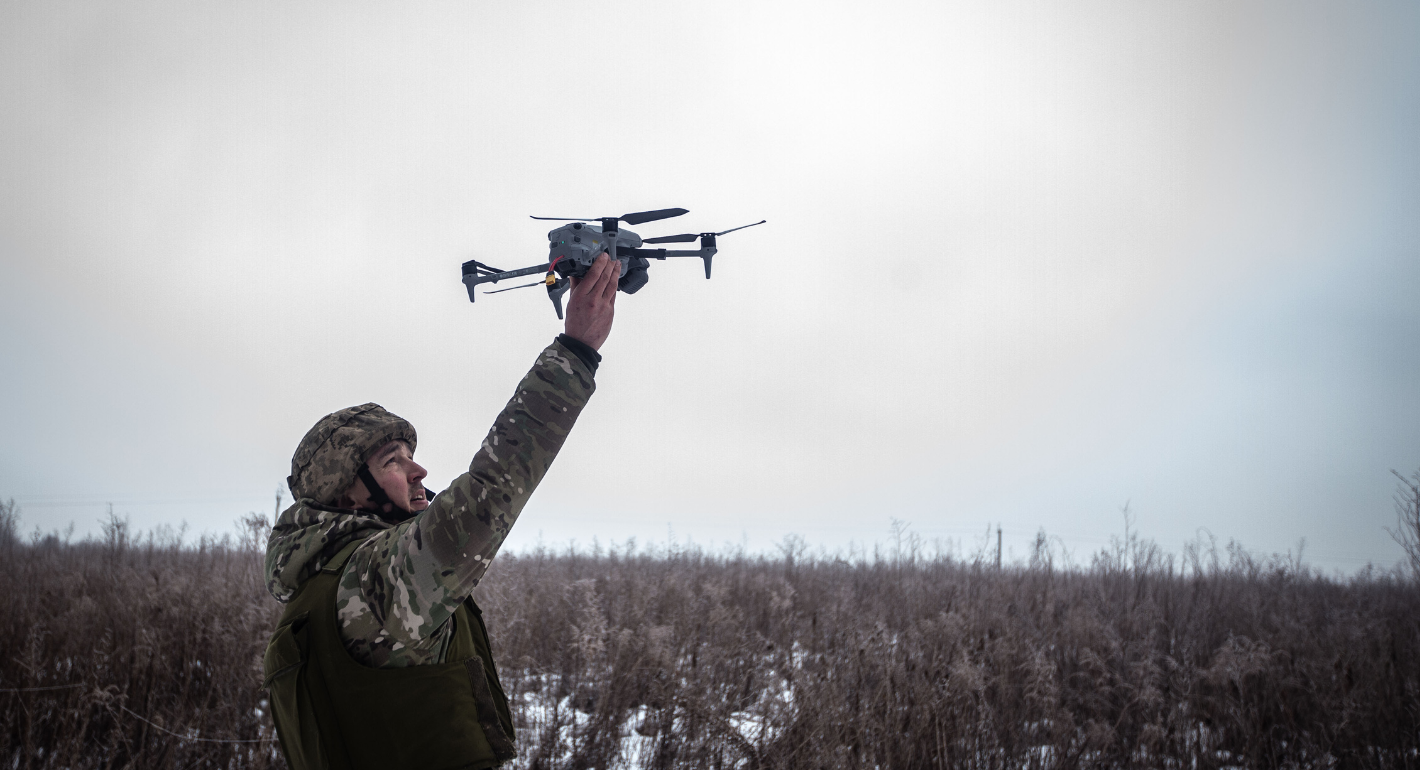
    In Ukraine, Gaza, and Iran, AI warfare has come to dominate, with barely any oversight or accountability. Europe must lead the charge on the responsible use of new military technologies.

      Raluca Csernatoni
  • Commentary
    Diwan
    Egypt’s Discrete Role in the Ceasefire with Iran

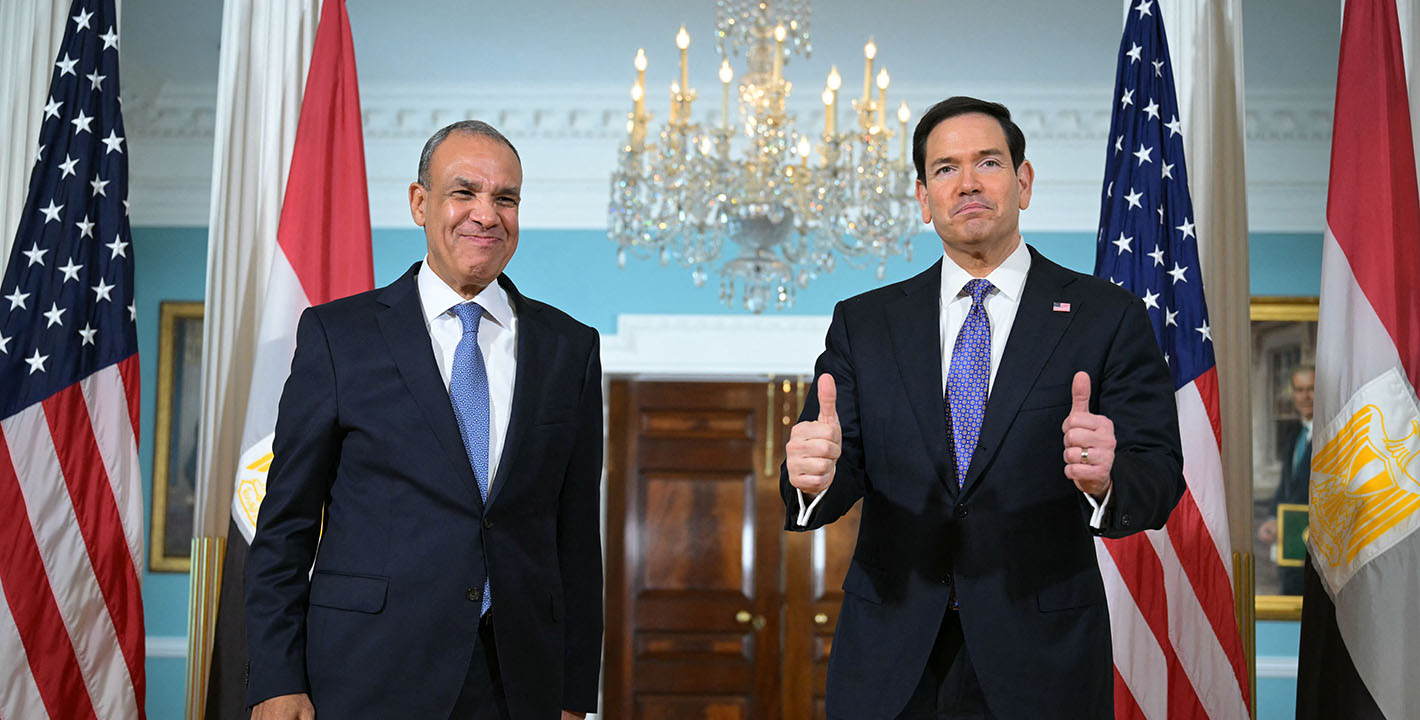
    Cairo’s efforts send a message to the United States and the region that it still has a place at the diplomatic table.

      • Angie Omar

      Angie Omar

  • Commentary
    Carnegie Politika
    Is Frustration With Armenia’s Pashinyan Enough to Bring the Pro-Russia Opposition to Power?

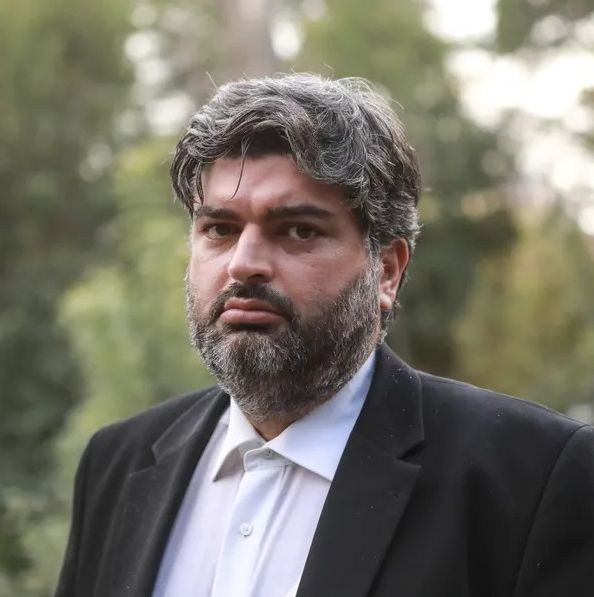
    It’s true that many Armenians would vote for anyone just to be rid of Pashinyan, whom they blame for the loss of Nagorno-Karabakh, but the pro-Russia opposition is unlikely to be able to channel that frustration into an electoral victory.
      Mikayel Zolyan

Get more news and analysis from
Carnegie Endowment for International Peace
Carnegie global logo, stacked
1779 Massachusetts Avenue NWWashington, DC, 20036-2103Phone: 202 483 7600Fax: 202 483 1840
  • Research
  • Emissary
  • About
  • Experts
  • Donate
  • Programs
  • Events
  • Blogs
  • Podcasts
  • Contact
  • Annual Reports
  • Careers
  • Privacy
  • For Media
  • Government Resources
Get more news and analysis from
Carnegie Endowment for International Peace
© 2026 Carnegie Endowment for International Peace. All rights reserved.