

Commentary
AI capabilities are moving fast. Most institutions—including governments—can’t keep up.
Anton Leicht, Scott Singer
{
  "authors": [
    "Kevin Jianjun Tu",
    "David Livingston"
  ],
  "type": "legacyinthemedia",
  "centerAffiliationAll": "dc",
  "centers": [
    "Carnegie Endowment for International Peace"
  ],
  "collections": [],
  "englishNewsletterAll": "ctw",
  "nonEnglishNewsletterAll": "",
  "primaryCenter": "Carnegie Endowment for International Peace",
  "programAffiliation": "SCP",
  "programs": [
    "Sustainability, Climate, and Geopolitics"
  ],
  "projects": [],
  "regions": [
    "North America",
    "United States"
  ],
  "topics": [
    "Climate Change"
  ]
}
Source: Getty
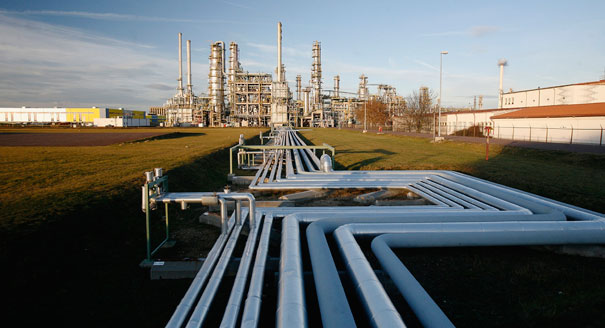
While many export applications await approval to ship U.S. gas abroad, Washington should prioritize exporting the technology and expertise needed to responsibly replicate American shale success in other parts of the world.
Source: Scientific American
The so-called shale revolution is re-drawing the energy landscape in the United States and beyond. While the Obama administration is still trying to craft a strategy to manage this energy windfall, more than twenty liquefied natural gas (LNG) export applications are awaiting approval to ship U.S. gas abroad. If all were to be given the go-ahead they would represent over 25 billion cubic feet per day of capacity, nearly 40 percent of U.S. gas demand. However, there are significant risks and uncertainties associated with such large-scale gas exports and due to construction and licensing needs, and it will be at least 2016 before any major volume of LNG leaves US ports. In the meantime, Washington should prioritize a different category of export—the technology and expertise needed to responsibly replicate American shale success in other select parts of the world.
With shale gas production growing exponentially over the past five years, the United States is expected to become a net exporter of gas by 2020, a sharp turnaround from the perception just a decade ago when many of the country’s now-stranded LNG import terminals were built. The glut of gas in the continental United States has led to prices briefly dropping below $2 per million BTU (about 1000 cubic feet), more than 80 percent below average gas prices in 2008. As a result, gas is now outcompeting coal in many locations as the preferred fuel for power generation. In 2011, the United States was the only region in the world where domestic coal demand declined.
In Europe, with gas prices largely pegged to expensive crude oil and the recent global economic crisis pushing down coal prices, European utilities are switching from gas to coal at scale. According to the International Energy Agency (IEA), in the absence of a high carbon price, only fierce competition from low-priced gas can effectively reduce coal demand. Closer US-EU collaboration on standards, technology, and policy pertaining to shale gas resources would do much to mature the industry and enable significant expansion of production in Europe.
China’s coal addiction is far more entrenched than that of the EU with the Middle Kingdom currently consuming almost half of global coal output. This bodes well neither for China’s environment, nor for the world’s climate. However, according to the US Energy Information Administration (EIA), China’s technologically recoverable shale resources are greater than any other country in the world, and Beijing has shown strong interest in duplicating the US shale revolution. A major obstacle is that China lacks technical know-how, the institutions, and the legal framework necessary to attract the right type of developers and unlock its huge shale potential.
Though an increased share of natural gas in the global energy mix is a desirable scenario for many countries including the United States, the role Washington should play in stimulating such development is an open-ended question. Two recent US government-commissioned reports on the economics of LNG exports have only confused the matter further. The US Department of Energy released a study in December 2012 concluding that the economic benefits to the nation from allowing LNG exports would more than outweigh any small domestic gas price increases. However, a January 2012 EIA study envisages large increases in domestic gas prices that make exports look far less attractive.
Gas market dynamics are therefore far from certain, and permitting large scale LNG export facilities brings significant financial risks for individual project developers. The US is currently paying much less for gas than any other part of the world, but the duration of such an arbitrage opportunity is highly uncertain. It only took a decade for the US to switch from building LNG import terminals to considering gas exports.
Shale gas is not a panacea, but for now it is certain that Europe, China and others are keen on securing additional gas supply. The best help the United States can provide in meeting this demand is not necessarily the lion’s share of its gas output but instead the export of technology, expertise, and professionalism of its industry and policy apparatus, which can be easily translated into market opportunities for US companies.
This article was originally published by Scientific American.

Former Senior Associate , Energy and Climate Program
Tu was a senior associate in Carnegie’s Energy and Climate Program, where he led the organization’s work on China’s energy and climate policies.
Former Associate Fellow, Energy and Climate Program
Livingston was an associate fellow in Carnegie’s Energy and Climate Program, where his research focuses on emerging markets, technologies, and risks.
Carnegie does not take institutional positions on public policy issues; the views represented herein are those of the author(s) and do not necessarily reflect the views of Carnegie, its staff, or its trustees.

AI capabilities are moving fast. Most institutions—including governments—can’t keep up.


Anton Leicht, Scott Singer
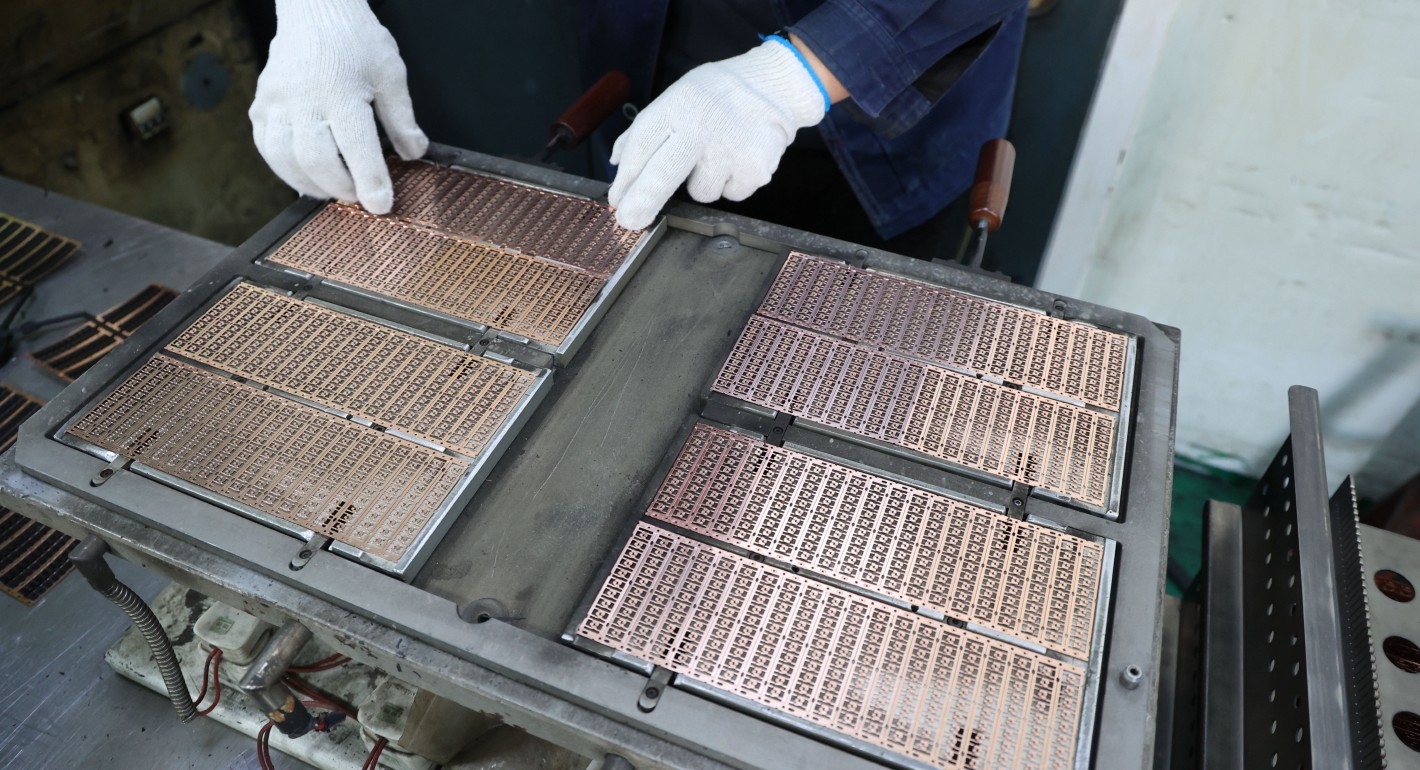
The Bureau of Industry and Security needs to adjust its focus and practices to maintain its position as the U.S. government’s primary champion of international technological competition.

Geoffrey Irving
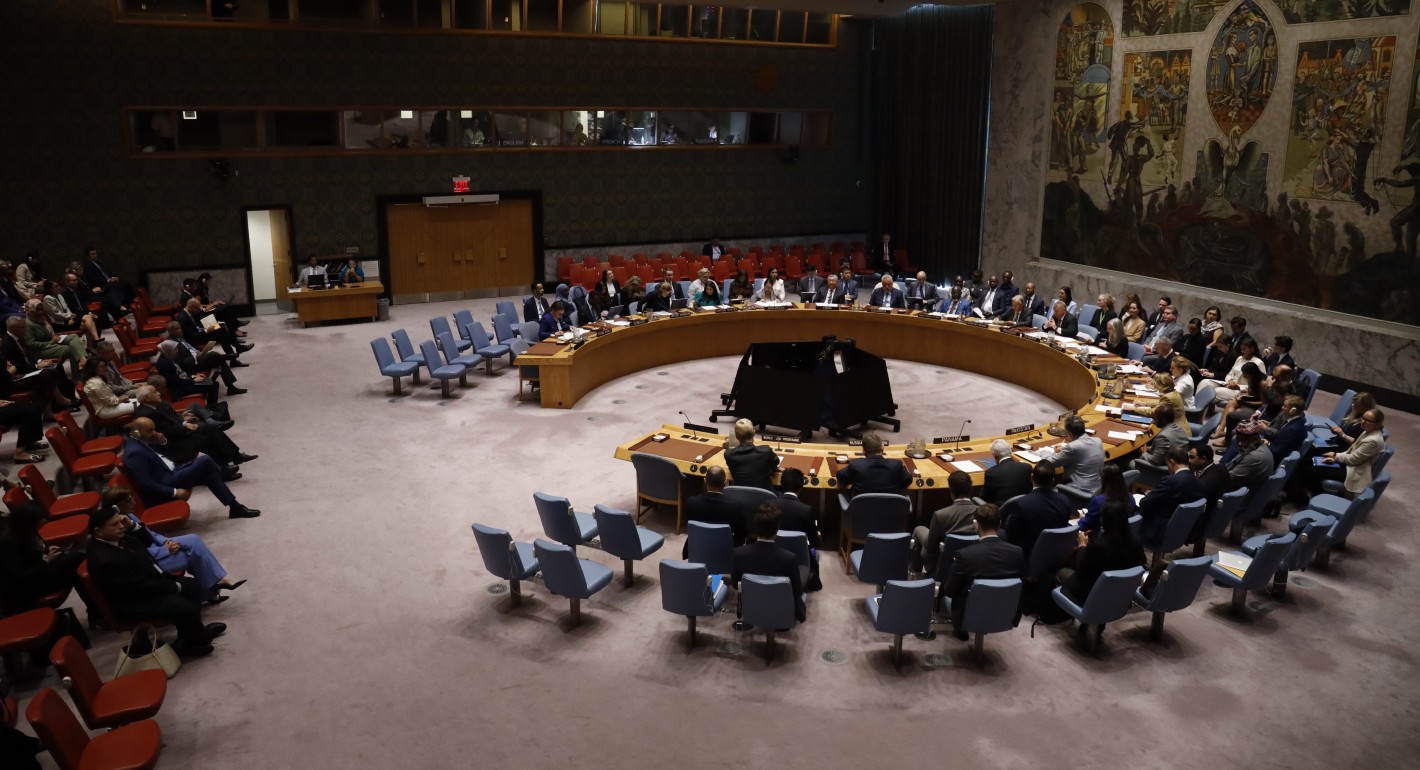
They face an uphill climb, but they could draw on a strategy that other diplomats have used in the past.


Shana Tabak, Alejandro Martin Rodriguez

European Commission President Ursula von der Leyen is about to give her annual address on the state of the EU. Here’s what she won’t—but should—say.

Rym Momtaz
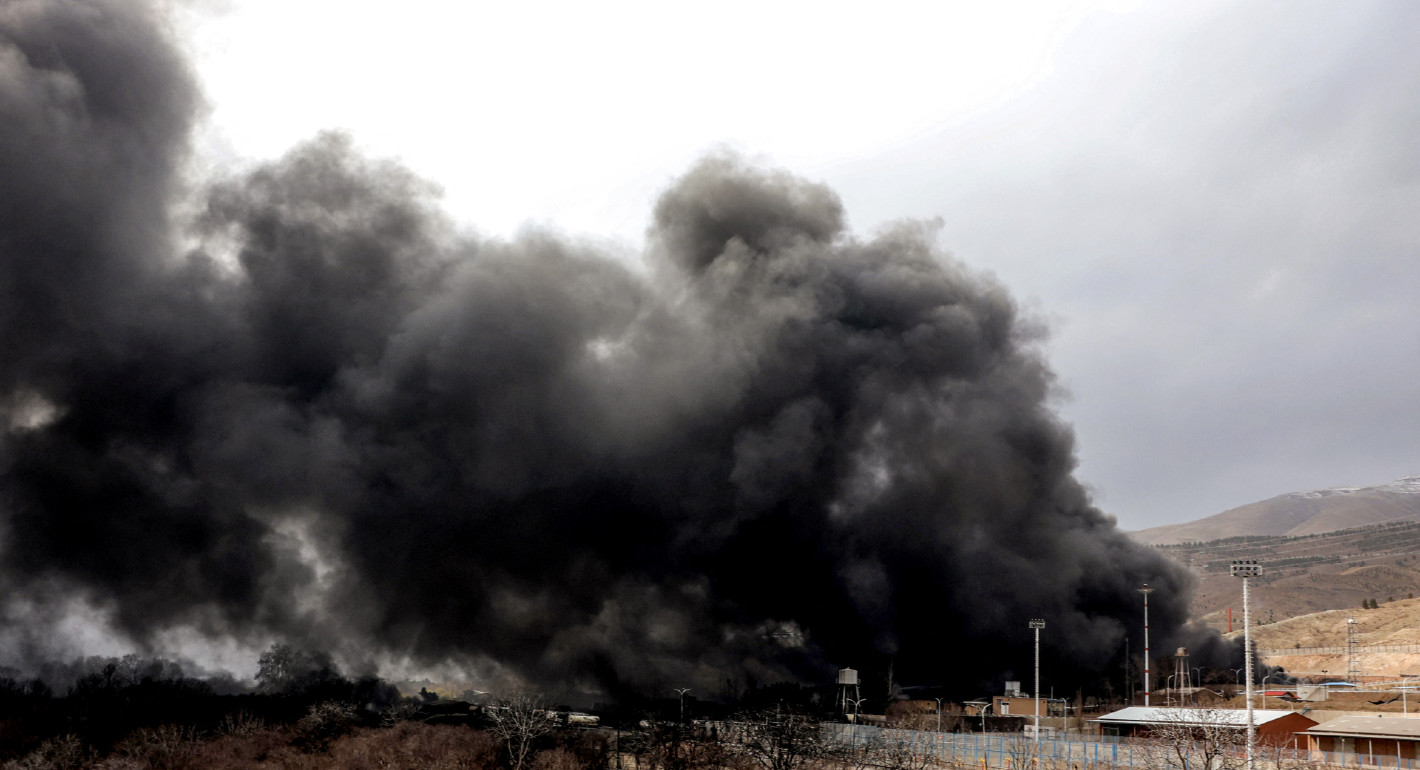
Understanding the climatic pain points is necessary for policymakers hoping to minimize the war’s negative environmental consequences.


Alejandro Martin Rodriguez, Joy Arkeh, Sarah Yerkes