

Commentary
The aftermath of the Ceuta crisis shows Europe has drawn the wrong lessons. Rather than doubling down on failed migration policies, the EU needs to address the underlying roots of such episodes.
Richard Youngs
{
  "authors": [
    "Olga Shumylo-Tapiola",
    "Lucia Najšlová",
    "Věra Řiháčková"
  ],
  "type": "other",
  "centerAffiliationAll": "",
  "centers": [
    "Carnegie Endowment for International Peace",
    "Carnegie Europe"
  ],
  "collections": [
    "Europe’s Eastern Neighborhood"
  ],
  "englishNewsletterAll": "",
  "nonEnglishNewsletterAll": "",
  "primaryCenter": "Carnegie Europe",
  "programAffiliation": "",
  "programs": [],
  "projects": [],
  "regions": [
    "Europe",
    "Eastern Europe",
    "Ukraine",
    "Western Europe",
    "Belarus",
    "Moldova"
  ],
  "topics": []
}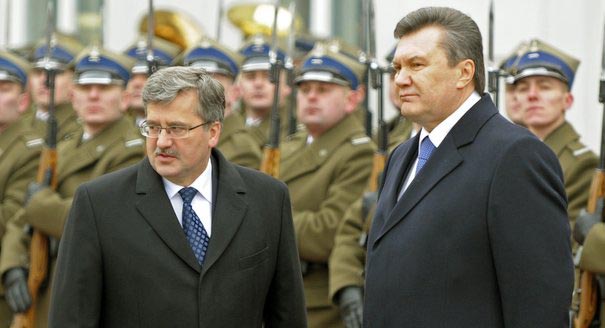
Source: Getty
Encouraging a multi-stakeholder dialogue and amplifying the voice of non-state actors acting in the public interest are key issues on which the Union should focus its assistance to the East.
Source: Policy Paper
Although the EU is today mired in a number of uncertainties regarding the future of its own internal decisionmaking structures, it still is a source of inspiration for reform-minded groups and individuals in its Eastern neighbourhood. While strengthening of democratic institutions and improvement of governance are tasks that have to be desired and accomplished by Eastern neighbours themselves, the EU can contribute to the process by focusing on areas in which it has already a track-record.
Encouraging a multi-stakeholder dialogue and amplifying the voice of non-state actors acting in the public interest are key issues on which the Union should focus its assistance to the East. In its dialogue with partner governments, the EU should emphasize that it supports only projects for which such groups have been previously consulted. At the same time, those in charge of policy towards Eastern neighbours should follow more closely developments in Turkey’s and Russia’s neighbourhood policies towards the same countries.
This piece originally appeared in Notre Europe's Policy Paper, No. 71.

Former Nonresident Associate, Carnegie Europe
Shumylo-Tapiola is a nonresident associate at Carnegie Europe in Brussels, where her research focuses on Eastern Europe and Eurasia.
Lucia Najšlová
EUROPEUM Institute for European Foreign Policy
Věra Řiháčková
EUROPEUM Institute for European Foreign Policy
Carnegie does not take institutional positions on public policy issues; the views represented herein are those of the author(s) and do not necessarily reflect the views of Carnegie, its staff, or its trustees.

The aftermath of the Ceuta crisis shows Europe has drawn the wrong lessons. Rather than doubling down on failed migration policies, the EU needs to address the underlying roots of such episodes.

Richard Youngs

An overwhelming victory by a far-right-wing party in a small state in eastern Germany will have major repercussions for Chancellor Friedrich Merz’s coalition.

Judy Dempsey

Canadian Prime Minister Mark Carney has twice inspired praise for standing up to U.S. President Donald Trump: at the 2026 World Economic Forum in Davos and on Canada-U.S. trade negotiations. Is Carney showing a third way better than the EU has in dealing with the Trump administration?

Rym Momtaz, ed.
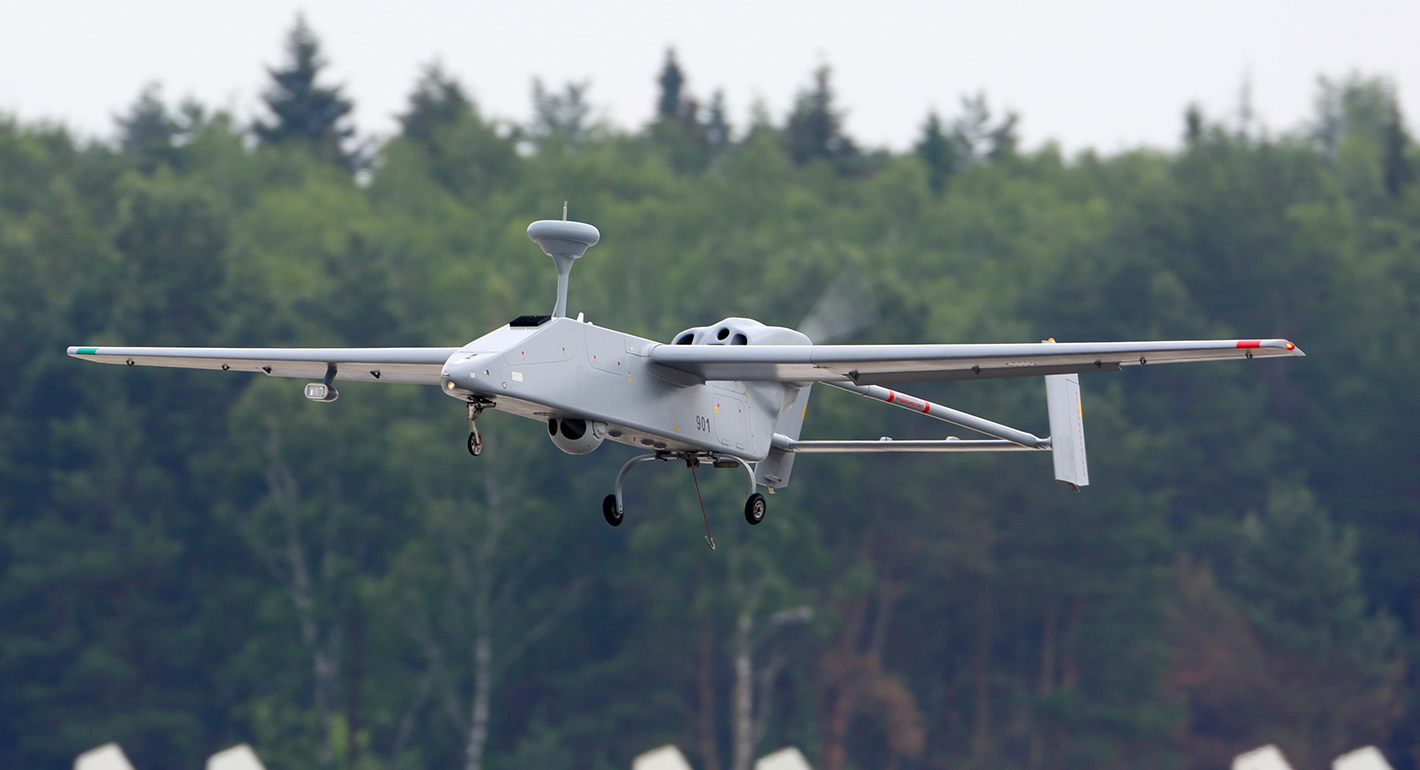
Moscow is testing Europe’s defenses with drone incursions and could decide to use drones against the continent on a much larger scale once the war in Ukraine pauses. European countries will need Kyiv to help them prepare for such a possibility.

Pavlo Zvenyhorodskyi

The EU’s responses to two recent incidents expose the gulf between European perceptions and capabilities. Unless the union can bridge that gap, it will never become a real geostrategic power.
Rym Momtaz