

Commentary
Thomas de Waal
{
  "authors": [
    "Thomas de Waal"
  ],
  "type": "legacyinthemedia",
  "centerAffiliationAll": "dc",
  "centers": [
    "Carnegie Endowment for International Peace",
    "Carnegie Europe"
  ],
  "collections": [],
  "englishNewsletterAll": "ctw",
  "nonEnglishNewsletterAll": "",
  "primaryCenter": "Carnegie Europe",
  "programAffiliation": "russia",
  "programs": [
    "Russia and Eurasia"
  ],
  "projects": [],
  "regions": [
    "Caucasus",
    "Georgia"
  ],
  "topics": []
}
Source: Getty
Although set in a mythological period of Georgian history, the narrative of Otar Chiladze's latest work is an allegory of the Georgian Soviet era.
Source: Times Literary Supplement
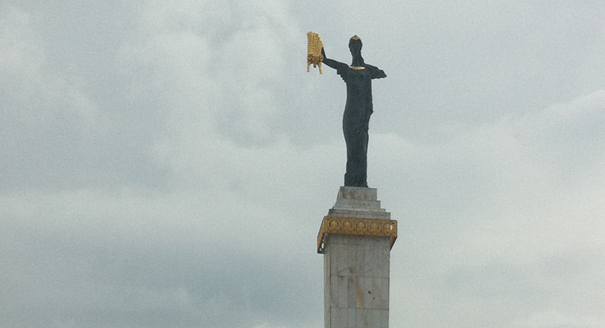
Some countries are burdened with troublesome myths. Georgia, supposedly the heir to the ancient kingdom of Colchis, has to deal with Medea, who, according to various legends, betrayed her father, colluded in the theft of the Golden Fleece and the death of her brother, and murdered her children. Medea still evokes passionate opinion in Georgia. In 2007 President Mikheil Saakashvili unveiled a tall column in the Black Sea city of Batumi, topped by a slender bronze Medea holding up the Golden Fleece. The anthropologist Tamta Khalvashi recorded one local intellectual railing that “they” (the pro-Western authorities) wanted to “trample on our traditions” by putting up a statue to a woman who “betrayed our country”.
This article was originally published in the Times Literary Supplement.

Senior Fellow, Carnegie Europe
Thomas de Waal is a senior fellow at Carnegie Europe, specializing in Eastern Europe and the Caucasus.
Recent Work
Thomas de Waal
Thomas de Waal
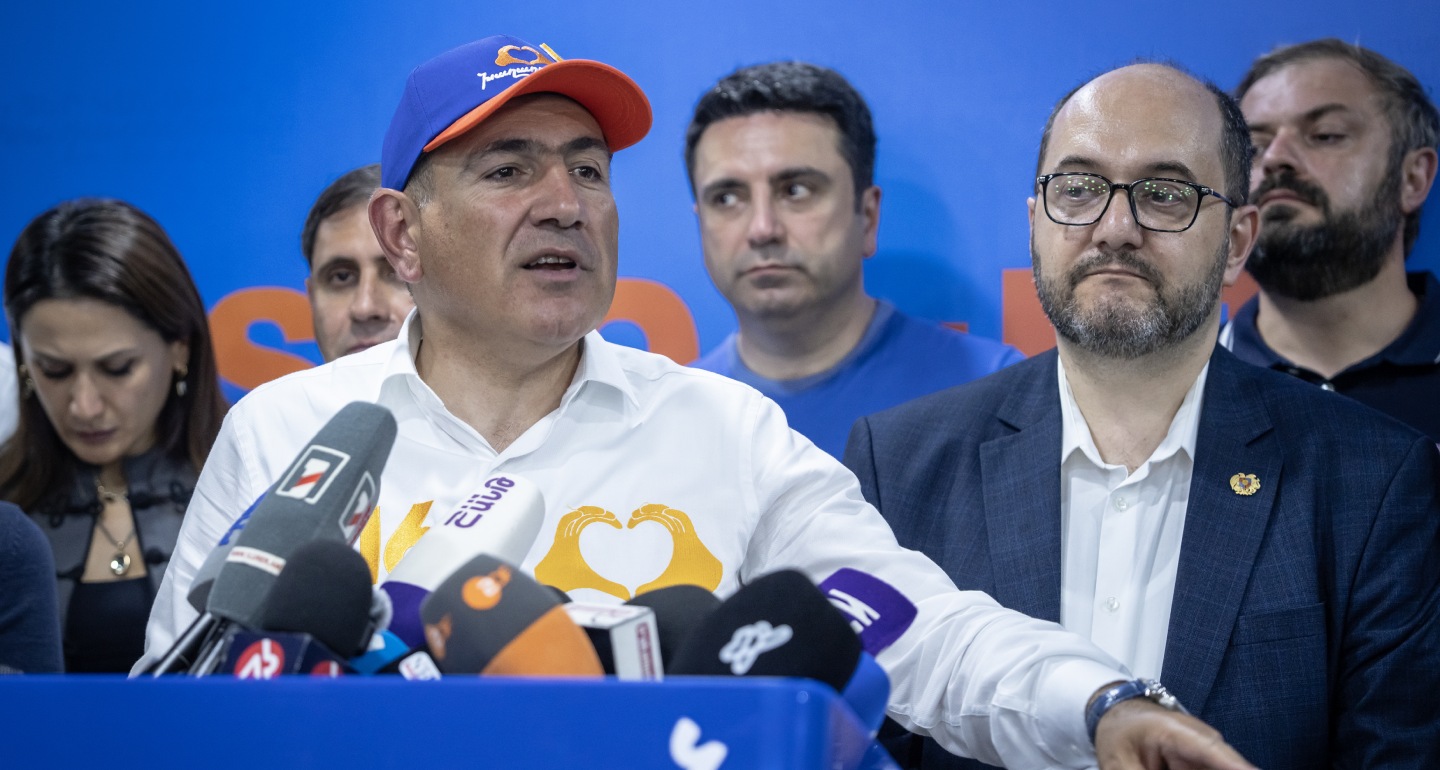
Pashinyan’s pro-European party has been re-elected with a decisive victory. But the pro-Russian opposition could still slow Armenia’s progress toward peace with Azerbaijan and rapprochement with Europe.
Mikayel Zolyan
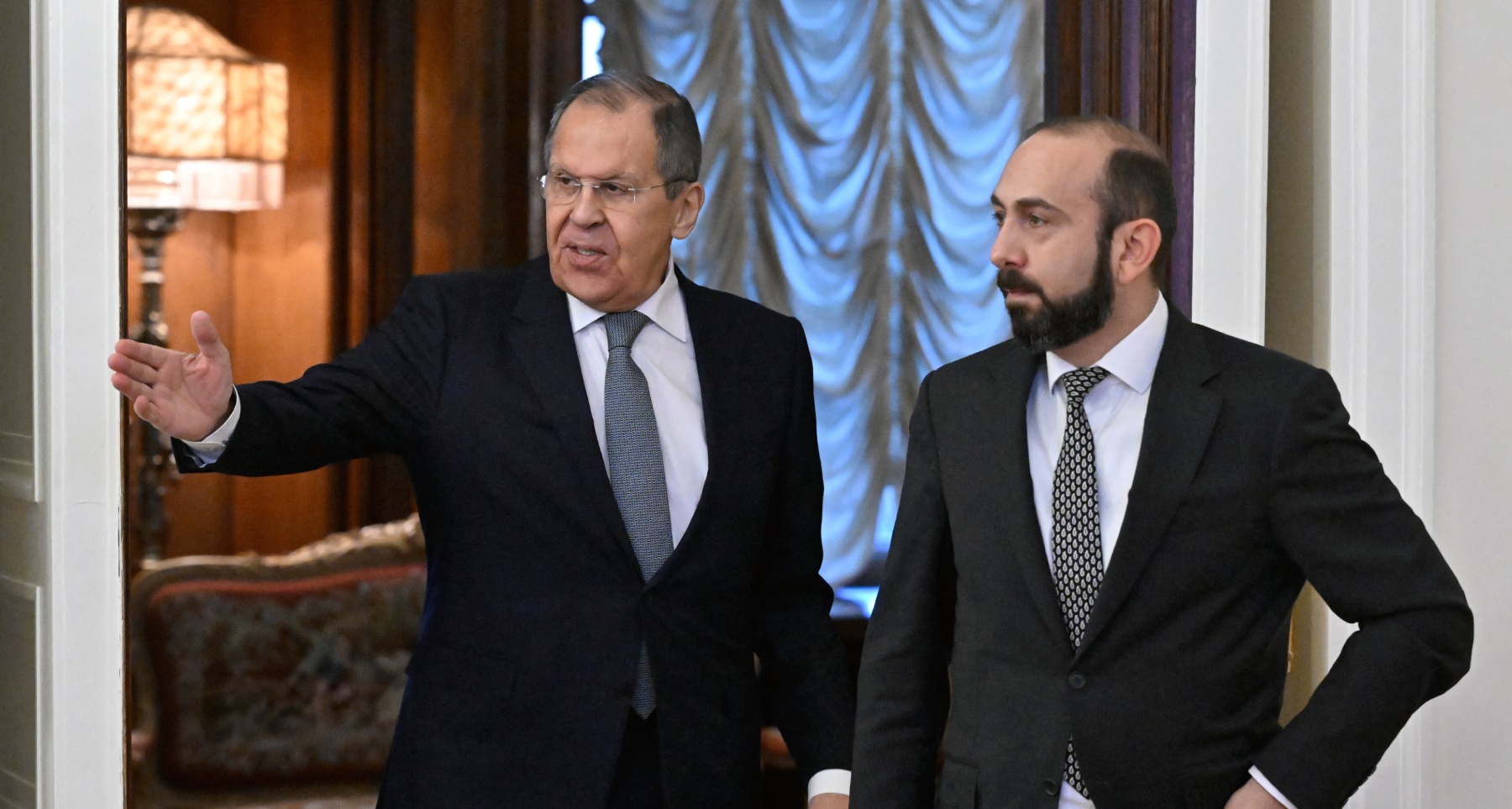
For all the menacing rhetoric, the Armenian prime minister remains a leader with whom Putin is prepared to interact: not as an ally, but as a partner, albeit a problematic one.

Alexander Atasuntsev
By fueling the arguments of both supporters and opponents of Armenian Prime Minister Nikol Pashinyan, Azerbaijan wants to ensure he is re-elected with a weaker mandate.

Bashir Kitachaev
Regardless of the outcome, there’s another path to ensuring that progress doesn’t stall.

Zaur Shiriyev
“Central Asia” as an analytical category is itself part of the problem. The term is a Soviet administrative inheritance, drawn along lines that served the convenience of Moscow. The Central Asian states the Soviets named no longer see themselves through this category alone and are not aligning across political blocs but are instead building external partnerships sector by sector, assigning different partners to different functions.

Jennifer B. Murtazashvili