

Commentary
Amid celebrations of bilateral ties was a deeper focus on stability in the Middle East.
Amr Hamzawy
{
  "authors": [],
  "type": "other",
  "centerAffiliationAll": "",
  "centers": [
    "Carnegie Endowment for International Peace"
  ],
  "collections": [],
  "englishNewsletterAll": "",
  "nonEnglishNewsletterAll": "",
  "primaryCenter": "Carnegie Endowment for International Peace",
  "programAffiliation": "",
  "programs": [],
  "projects": [],
  "regions": [
    "North Africa",
    "Egypt"
  ],
  "topics": []
}
Source: Getty
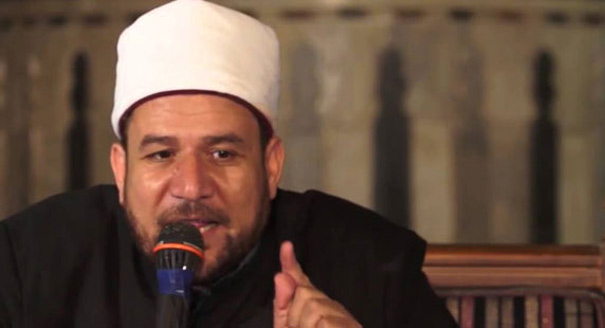
A brief profile of Mohamed Mokhtar Gomaa.
This resource was published on 09/20/2013 and is not updated to reflect changing circumstances.
Mohamed Mokhtar Gomaa was sworn in as Egypt’s minister of religious endowments on July 16, 2013, nearly two weeks after the ouster of former Egyptian president Mohamed Morsi at the hands of the military. The author of several books on Arabic literature and poetry, Gomaa was the dean of the Faculty of Islamic and Arabic Studies at al-Azhar University, the country’s premier religious institution. He was also a member of the senior clerical establishment at al-Azhar, head of al-Azhar’s religious media, and a forty-year member of the Egyptian Journalists’ Syndicate.
Since assuming office, Gomaa has taken a series of controversial steps to reassert state control over Egypt’s sprawling network of mosques and to limit the influence of the Muslim Brotherhood and other Islamist organizations.
Between July and September 2013, Gomaa has undertaken a number of measures, including:
Gomaa has long been a proponent of the religious moderation favored by al-Azhar. Since becoming minister, he has frequently warned preachers to avoid political messages in their sermons.
Carnegie does not take institutional positions on public policy issues; the views represented herein are those of the author(s) and do not necessarily reflect the views of Carnegie, its staff, or its trustees.

Amid celebrations of bilateral ties was a deeper focus on stability in the Middle East.

Amr Hamzawy
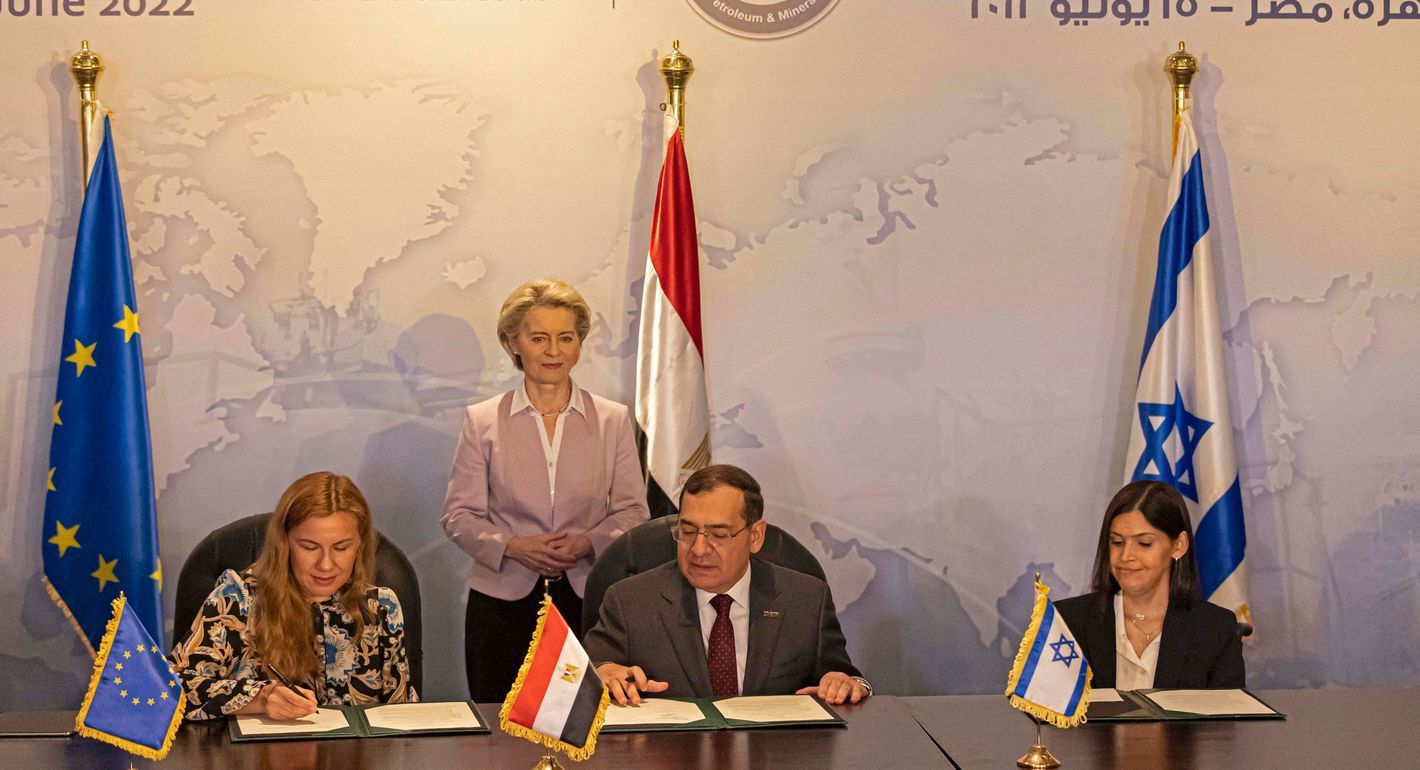
Can economic ties help contain conflict between Egypt and Israel, or do they simply postpone confrontation? Drawing on the German-Russian experience, the article examines how the gas deal creates mutual dependence, keeps channels of cooperation open, and raises the cost of conflict, without necessarily delivering lasting peace.
Nourhan Hefzy
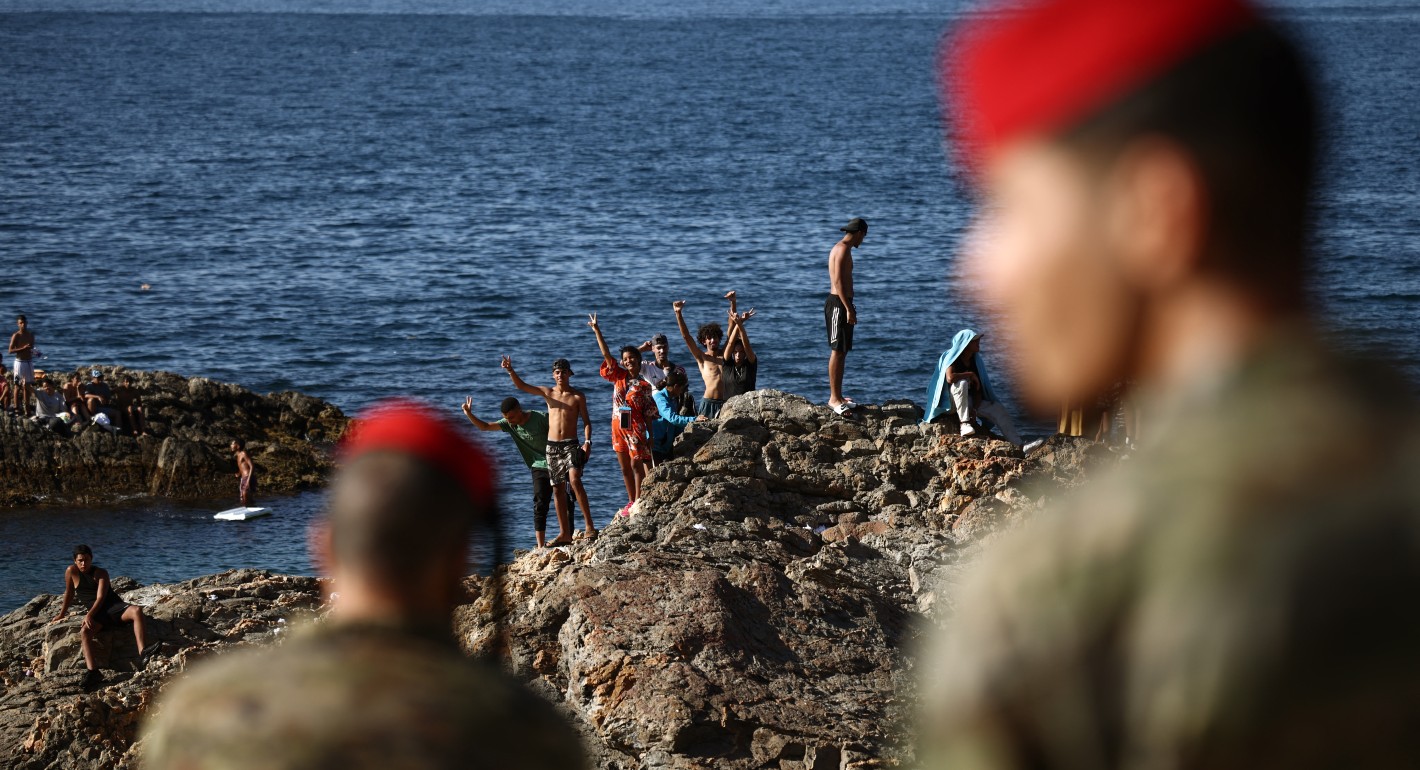
Most migrants may have left Ceuta, but the effects may linger.


Alejandro Martin Rodriguez, Sarah Yerkes
Saied’s main accomplishment has been to destroy a decade’s worth of democratic progress.
Sarah Yerkes
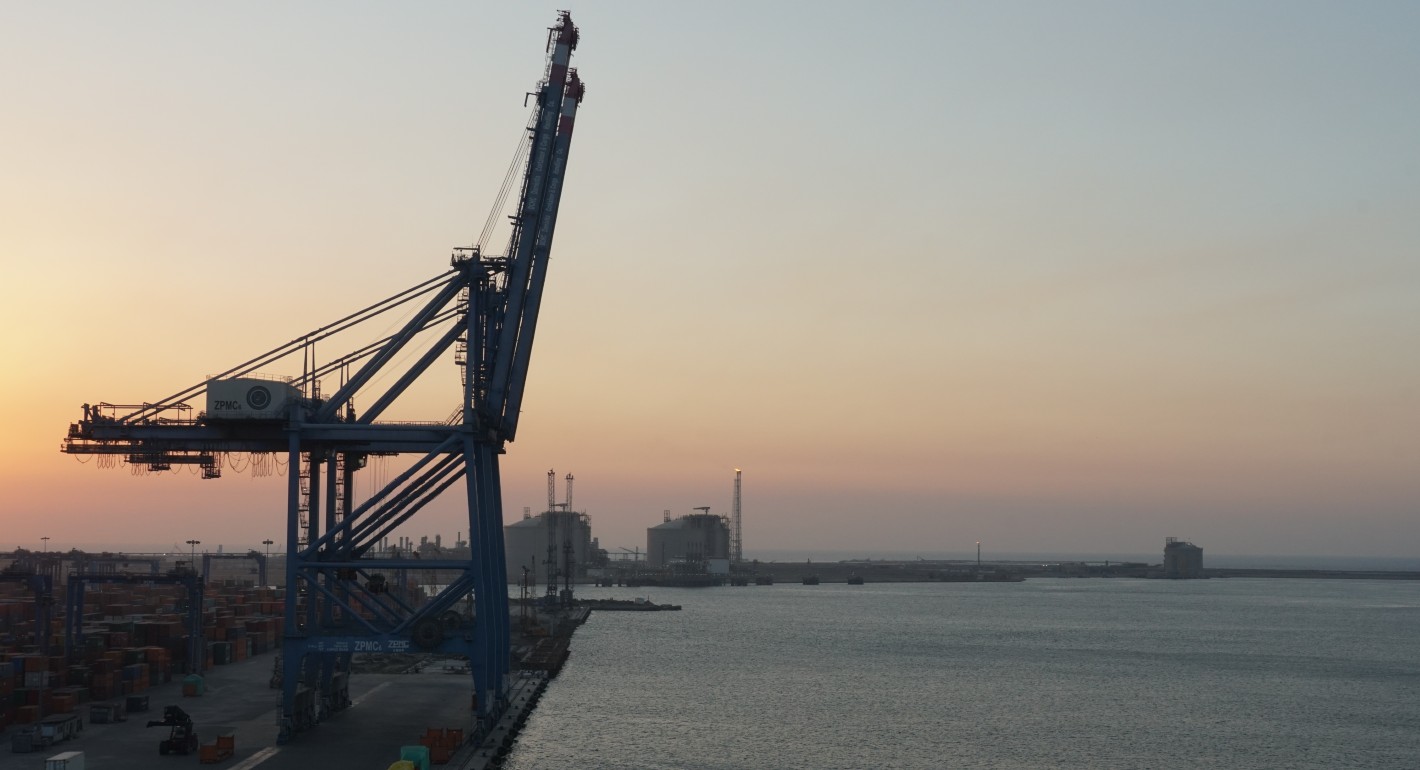
The targeting of Damietta Port appears to be more than a mere security message.
Amr Hamzawy