

Other
- +18
James M. Acton, Saskia Brechenmacher, Cecily Brewer, …
{
  "authors": [
    "Marwan Muasher"
  ],
  "type": "legacyinthemedia",
  "centerAffiliationAll": "dc",
  "centers": [
    "Carnegie Endowment for International Peace",
    "Malcolm H. Kerr Carnegie Middle East Center",
    "Carnegie Russia Eurasia Center"
  ],
  "collections": [],
  "englishNewsletterAll": "menaTransitions",
  "nonEnglishNewsletterAll": "",
  "primaryCenter": "Carnegie Endowment for International Peace",
  "programAffiliation": "MEP",
  "programs": [
    "Middle East"
  ],
  "projects": [
    "Eurasia in Transition"
  ],
  "regions": [
    "North America",
    "United States",
    "Middle East",
    "Syria",
    "Levant"
  ],
  "topics": [
    "Foreign Policy"
  ]
}
Source: Getty
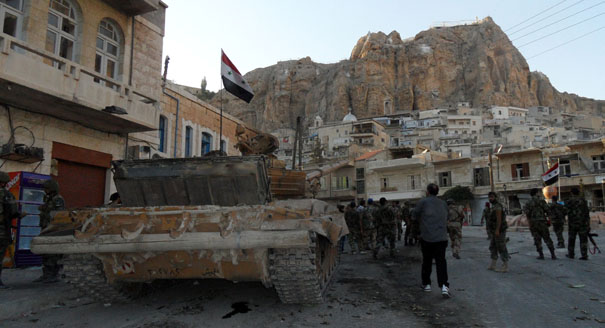
If the conflict in Syria is to be resolved, it is important to go beyond the chemical attack issue and work through a political process that would end the war.
Source: Bloomberg TV
Speaking on Bloomberg TV’s In the Loop, Carnegie’s Marwan Muasher explained that if the conflict in Syria is to be resolved, it is important to go beyond the chemical attack issue and work through a political process that would end the war. A U.S. strike against Syria, Muasher argued, will be more of a face saving measure rather than solving the problem. “Let us remember than the chemical weapons issue is not the only issue on the table. There’s still a war going on with a 100,000 people killed,” he asserted.
Offering context on a peaceful solution to the crisis, Muasher said that the United States and Russia should agree to take the two sides to the Geneva II talks and start the political process that was agreed on by the UN last year in which a transitional government would be established and which will end with President Bashar Al-Assad and the regime leaving power in Syria. Even if the chemical weapons issue is resolved, Muasher noted, the war will still continue if there is no political process in place to end it.

Vice President for Studies
Marwan Muasher is vice president for studies at Carnegie, where he oversees research in Washington and Beirut on the Middle East. Muasher served as foreign minister (2002–2004) and deputy prime minister (2004–2005) of Jordan, and his career has spanned the areas of diplomacy, development, civil society, and communications.
Recent Work

James M. Acton, Saskia Brechenmacher, Cecily Brewer, …


Amr Hamzawy, Andrew Leber, Marwan Muasher, …
Carnegie does not take institutional positions on public policy issues; the views represented herein are those of the author(s) and do not necessarily reflect the views of Carnegie, its staff, or its trustees.
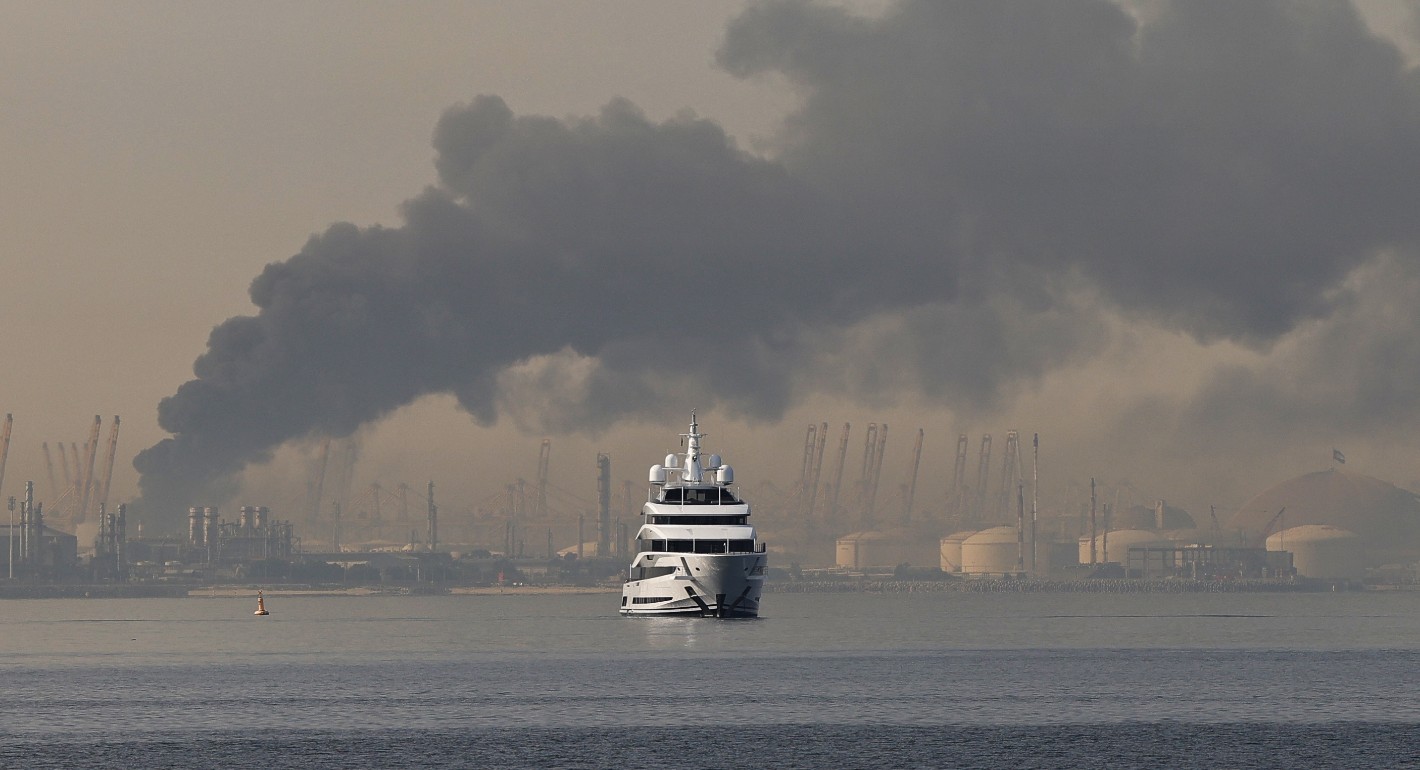
Only collective security can protect fragile economic models.
Andrew Leber

In a volatile Middle East, the Omani port of Duqm offers stability, neutrality, and opportunity. Could this hidden port become the ultimate safe harbor for global trade?
Giorgio Cafiero, Samuel Ramani
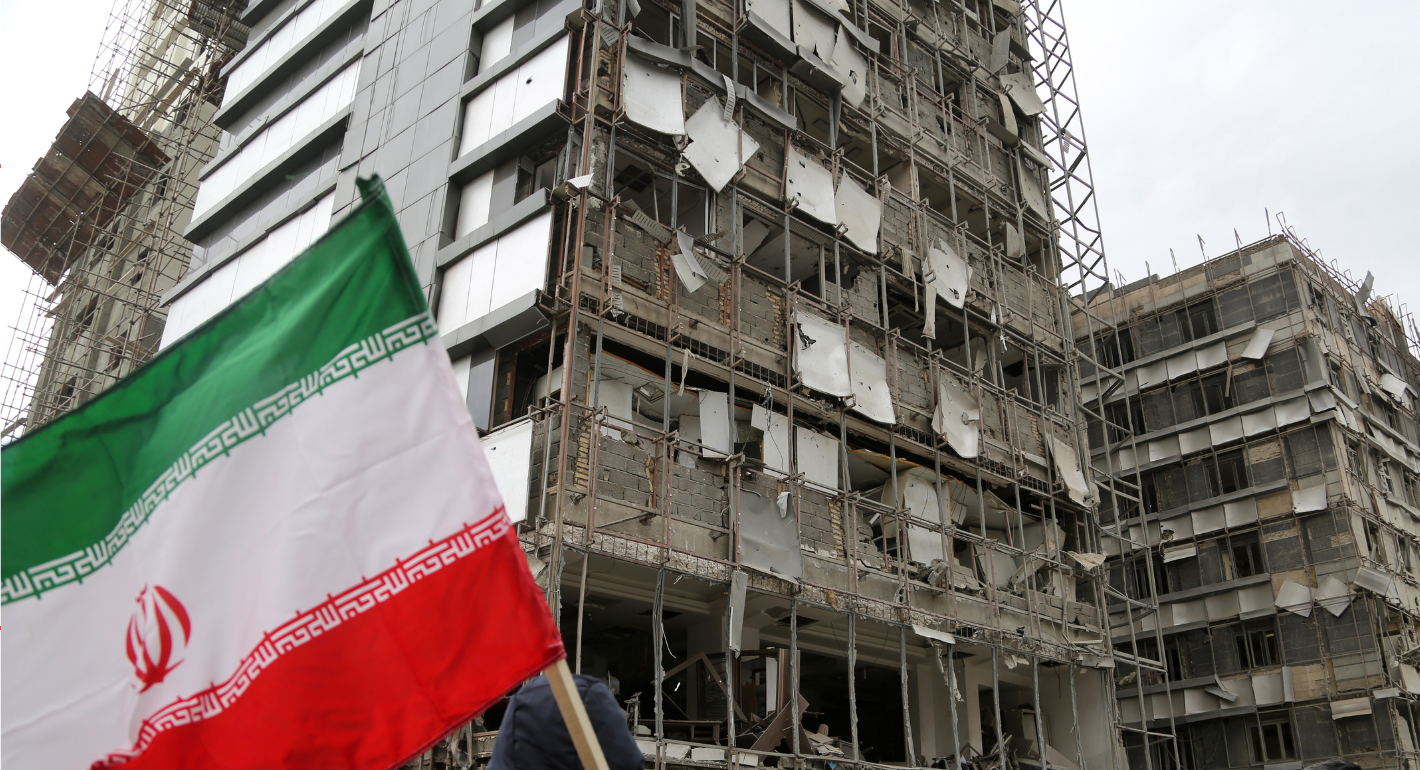
Europe’s reaction to the war in Iran has been disunited and meek, a far cry from its previously leading role in diplomacy with Tehran. To avoid being condemned to the sidelines while escalation continues, Brussels needs to stand up for international law.

Pierre Vimont
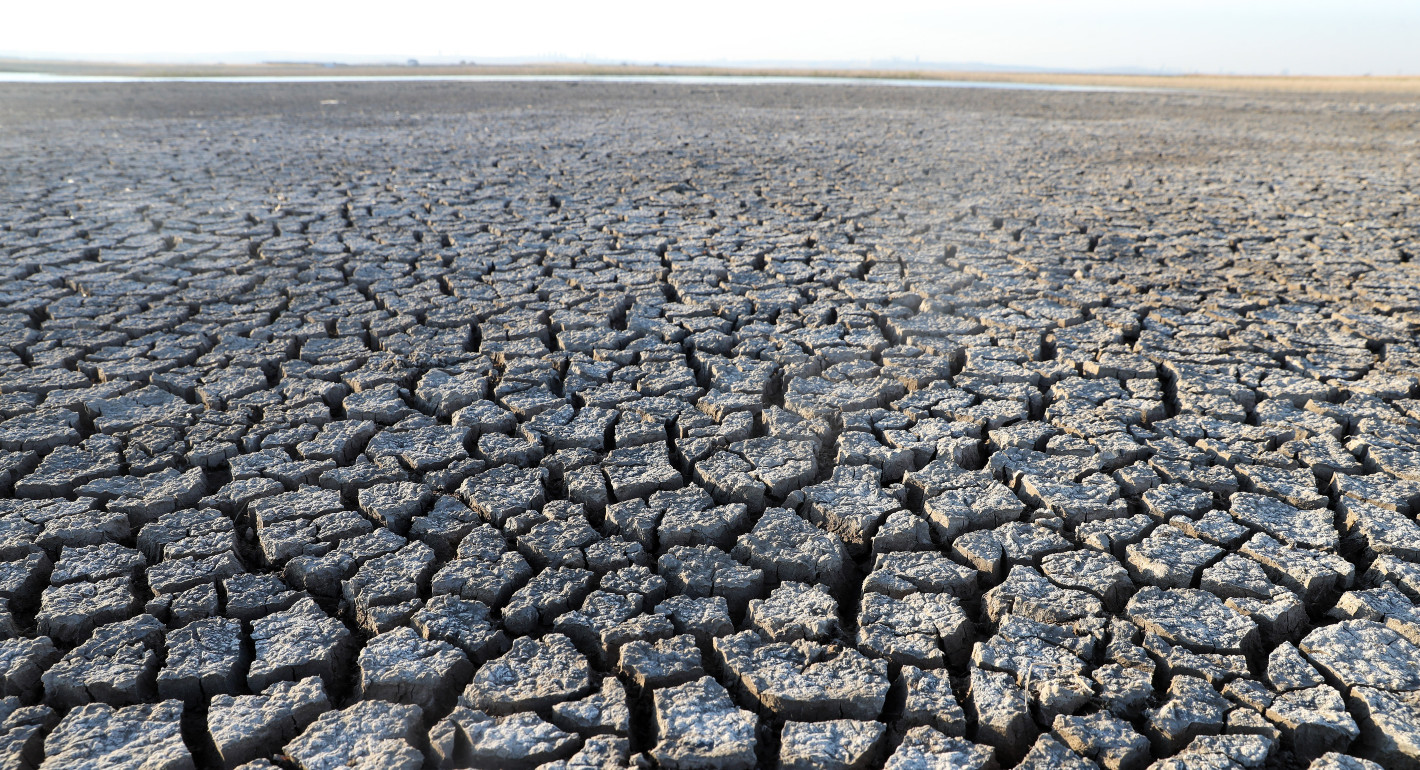
In 2021, the U.S. government began to consider how to address climate migration. The outcomes of that process offer useful takeaways for other governments.
Jennifer DeCesaro

On the last day of the India AI Impact Summit, India signed Pax Silica, a U.S.-led declaration seemingly focused on semiconductors. While India’s accession to the same was not entirely unforeseen, becoming a signatory nation this quickly was not on the cards either.

Konark Bhandari