

Article
Frederic Wehrey, Charles H. Johnson
{
  "authors": [
    "Frederic Wehrey"
  ],
  "type": "legacyinthemedia",
  "centerAffiliationAll": "dc",
  "centers": [
    "Carnegie Endowment for International Peace",
    "Malcolm H. Kerr Carnegie Middle East Center"
  ],
  "collections": [],
  "englishNewsletterAll": "menaTransitions",
  "nonEnglishNewsletterAll": "",
  "primaryCenter": "Carnegie Endowment for International Peace",
  "programAffiliation": "MEP",
  "programs": [
    "Middle East"
  ],
  "projects": [],
  "regions": [
    "North Africa",
    "Libya",
    "Maghreb"
  ],
  "topics": [
    "Political Reform",
    "Security",
    "Military"
  ]
}
Source: Getty
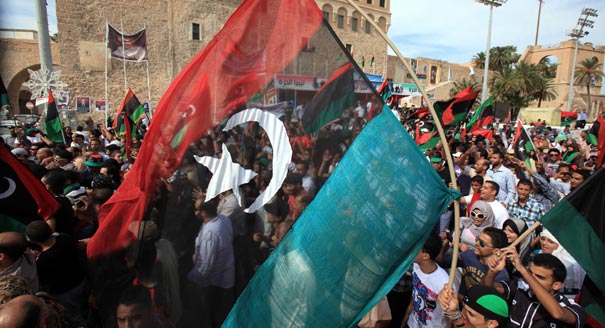
Grievances against Libya’s Zeidan government by the militias are not ideological but rather reflect the government’s inability to deliver services, its lack of transparency, and the way Zeidan governs.
Source: BBC World News America
Speaking on BBC World News America, Carnegie’s Frederic Wehrey discussed recent developments in Libya, including the abduction of the Prime Minister Ali Zeidan and the U.S. raid to capture senior al-Qaeda suspect Anas al-Liby. While there has been a real deterioration in security over the past nine months, Wehrey noted, the situation hasn’t turned into an all-out civil war. After the revolution, the army and police collapsed, allowing militias to have free reign since there was no institutional basis for force in the country. But even so, Wehrey said, “I think there is a sense of unity among Libyans that often gets overlooked and that’s why we haven’t seen the place collapse into something like Somalia or Bosnia yet.”
Although many of the Islamist groups in eastern Libya perhaps share the same world view with al-Qaeda, they are not organizationally linked, Wehrey argued, contending that Libya’s situation should not be read as part of a broader al-Qaeda expansion in North Africa. These Islamist groups in the east have their own local motives that are separate from al-Qaeda’s vision, Wehrey explained. Turning to the abduction of the Prime Minister, Wehrey noted that while the American raid may have been the catalyst, many of the militias are not Islamists and their grievances against the Zeidan government are not ideological but about reflect the inability of the government to deliver services, its lack of transparency, and the way Zeidan governs.
This interview was originally aired on BBC World News America.

Senior Fellow, Middle East Program
Frederic Wehrey is a senior fellow in the Middle East Program at the Carnegie Endowment for International Peace, where his research focuses on governance, conflict, and security in Libya, North Africa, and the Persian Gulf.
Recent Work
Frederic Wehrey, Charles H. Johnson
Frederic Wehrey, Charles H. Johnson
Carnegie does not take institutional positions on public policy issues; the views represented herein are those of the author(s) and do not necessarily reflect the views of Carnegie, its staff, or its trustees.

The books, podcasts, and films that explain the world it made.

Andrew Leber

In the tenth year of his presidency, President Mirziyoyev’s system is becoming even more personalized than that of his predecessor Karimov.

Galiya Ibragimova

With the growth in points of friction between the great powers, organizations like the SCO will continue to play a role in the strategic adaptation of the smaller powers caught between them.

Temur Umarov

Amid celebrations of bilateral ties was a deeper focus on stability in the Middle East.

Amr Hamzawy
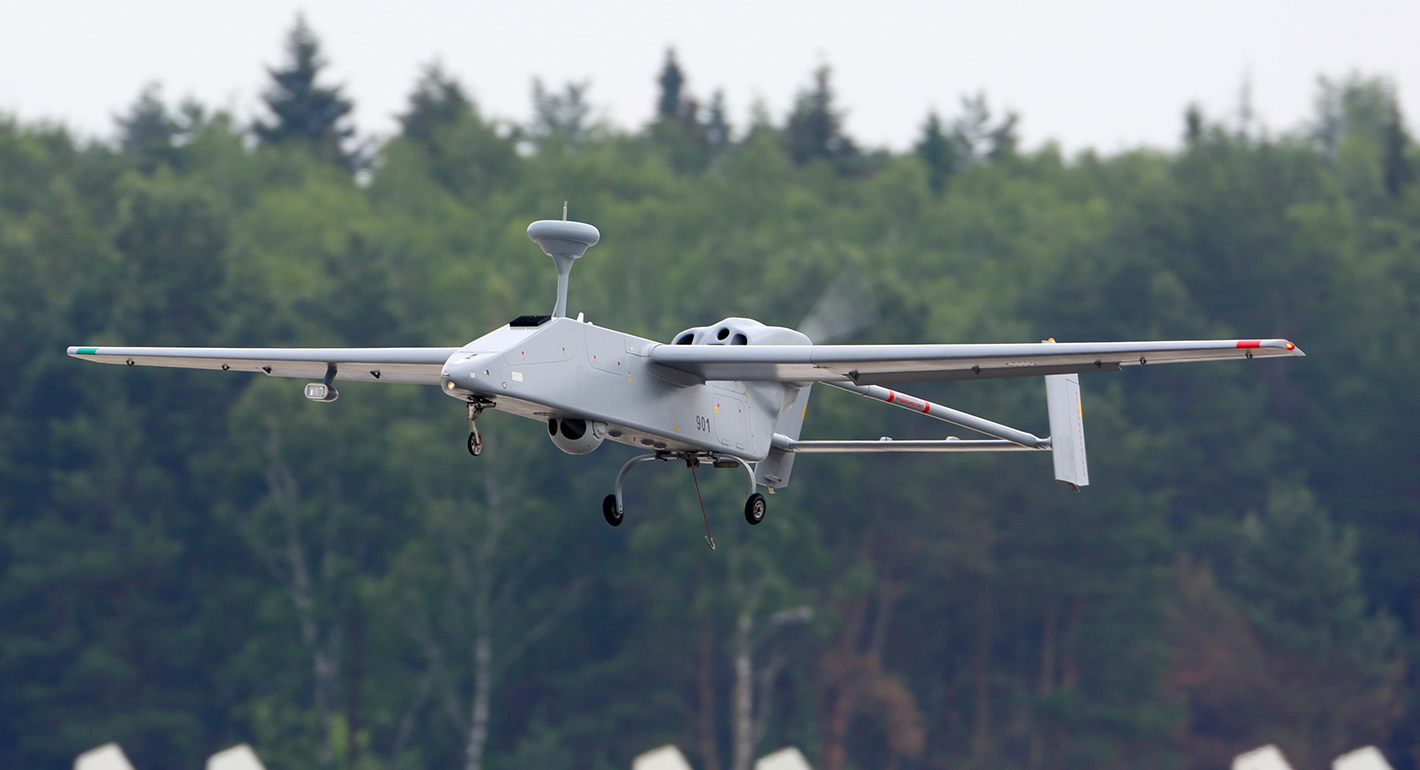
Moscow is testing Europe’s defenses with drone incursions and could decide to use drones against the continent on a much larger scale once the war in Ukraine pauses. European countries will need Kyiv to help them prepare for such a possibility.
Pavlo Zvenyhorodskyi