

Commentary
Dmitri Trenin
{
  "authors": [
    "Dmitri Trenin"
  ],
  "type": "commentary",
  "centerAffiliationAll": "",
  "centers": [
    "Carnegie Endowment for International Peace",
    "Carnegie Russia Eurasia Center"
  ],
  "collections": [],
  "englishNewsletterAll": "",
  "nonEnglishNewsletterAll": "",
  "primaryCenter": "Carnegie Russia Eurasia Center",
  "programAffiliation": "",
  "programs": [],
  "projects": [],
  "regions": [
    "Russia"
  ],
  "topics": [
    "Foreign Policy"
  ]
}
Source: Getty
As a Euro-Pacific nation, Russia is in a good position to connect directly with all important economic, technological, political, military, and cultural players in the world—and keep the right balance among them in its foreign policy.
Exactly 12 years ago this month, speaking in the German Bundestag and in German, Vladimir Putin—then as now Russia's president—announced Russia's European choice. That was the defining foreign policy speech of his first term, in which he also pledged a near-alliance with the United States. Today, Putin has no use for the concept. The defining speech of his current presidency, delivered at the Valdai Club last month, sends a very different message. Its key points can be summarized as follows.
Russia may be European, historically and culturally, but it is apart from Europe, represented today by the European Union. For Russia, the EU has long ceased to be a mentor and has recently ceased to be a model. Instead, Russia is busy building a geopolitical unit to include much of post-Soviet Eurasia. Russians and Ukrainians are one people, belonging to a distinct civilization. Greater Europe does not mean Russia accepting the EU's norms and principles and associating itself with it, even without a prospect of membership. Rather, it is a binary non-exclusive construct between the EU and the emerging Eurasian Union.
Putin's Eurasian identity for Russia is romantic and nostalgic. It makes sense to have a degree of economic integration, security arrangements, and extensive human contacts with those ex-Soviet republics which want them and who can contribute to Russia's own development. Yet, to subsume Russia within a Eurasian framework is backward-looking. Russia' s path in the 21st century does not lie through imitated restoration of historical patterns, but through openness to all sources of innovation. Russia's resources should be used for Russia's own advancement, not in pursuit of quasi-imperial projects.
Russia is not a newcomer to the world of international relations. It can look back on 1,150 years of statehood, but most of the time needs to look ahead. Its singular feature through the ages has been its independence, and so it should be, including independence from would-be clients or satellites. Russia is not and will not be part of the EU-Europe, but it is European by birth and culture, broadly similar in that sense to the United States. This is a huge advantage for a country which seeks to get ahead in this world. Being anti-Western, by contrast, kills this advantage.
Russia, however, is more than European. It stretches all the way to the Pacific, where it has maritime borders with America and Japan, alongside a land border with China. As a Euro-Pacific nation, Russia is in a good position to connect directly with all important economic, technological, political, military, and cultural players in the world—and keep the right balance among them in its foreign policy. It only needs to resist the temptation to repeat history.
Former Director, Carnegie Moscow Center
Trenin was director of the Carnegie Moscow Center from 2008 to early 2022.
Recent Work
Dmitri Trenin
Dmitri Trenin
Carnegie does not take institutional positions on public policy issues; the views represented herein are those of the author(s) and do not necessarily reflect the views of Carnegie, its staff, or its trustees.
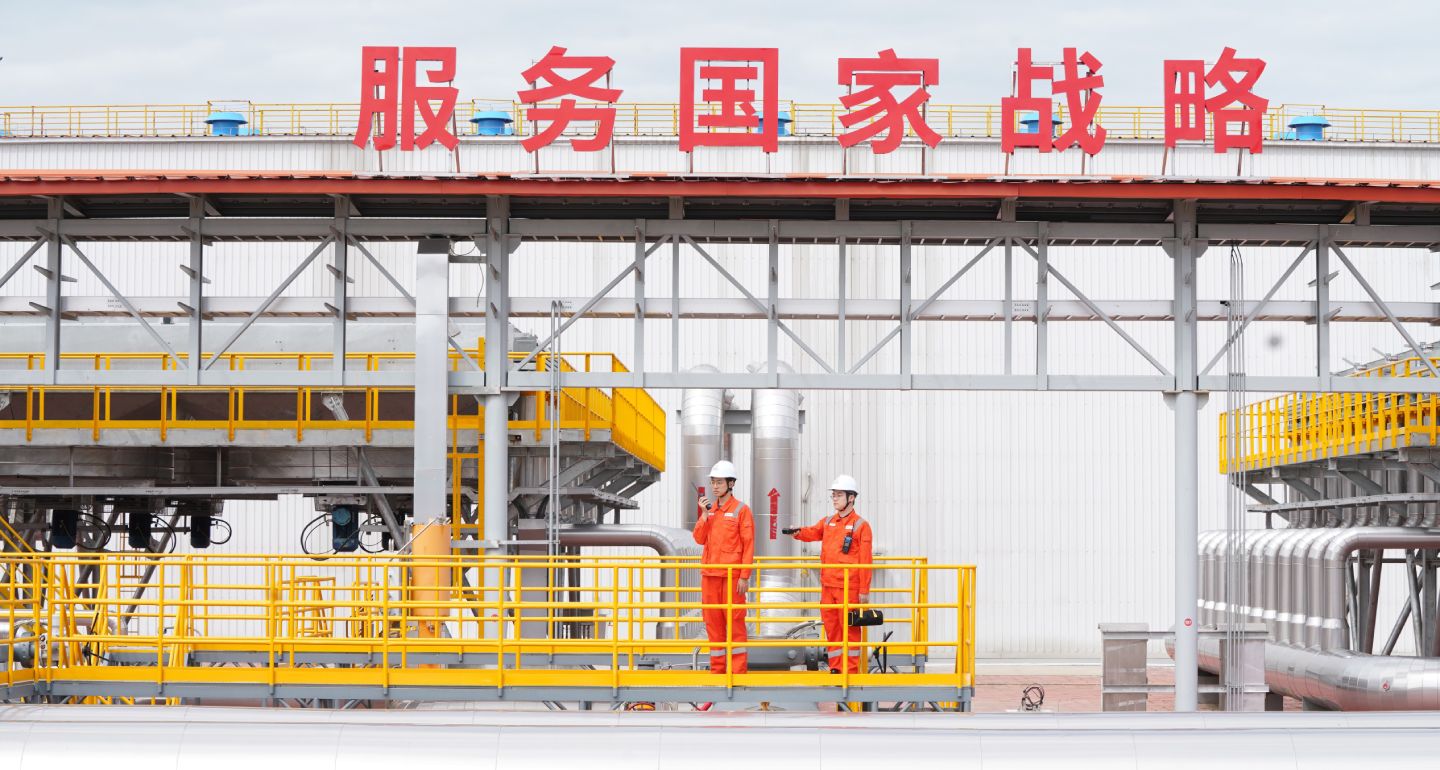
A leak of Russian gas price data helps establish that China is paying Russia far less than Central Asian countries and Gazprom’s former European customers.

Sergey Vakulenko

The EU can impose sanctions but struggles to enforce them without the United States. With Washington increasingly disinterested in backing European interests, the bloc must now fend for itself.


Nicu Popescu, Tiago Antunes
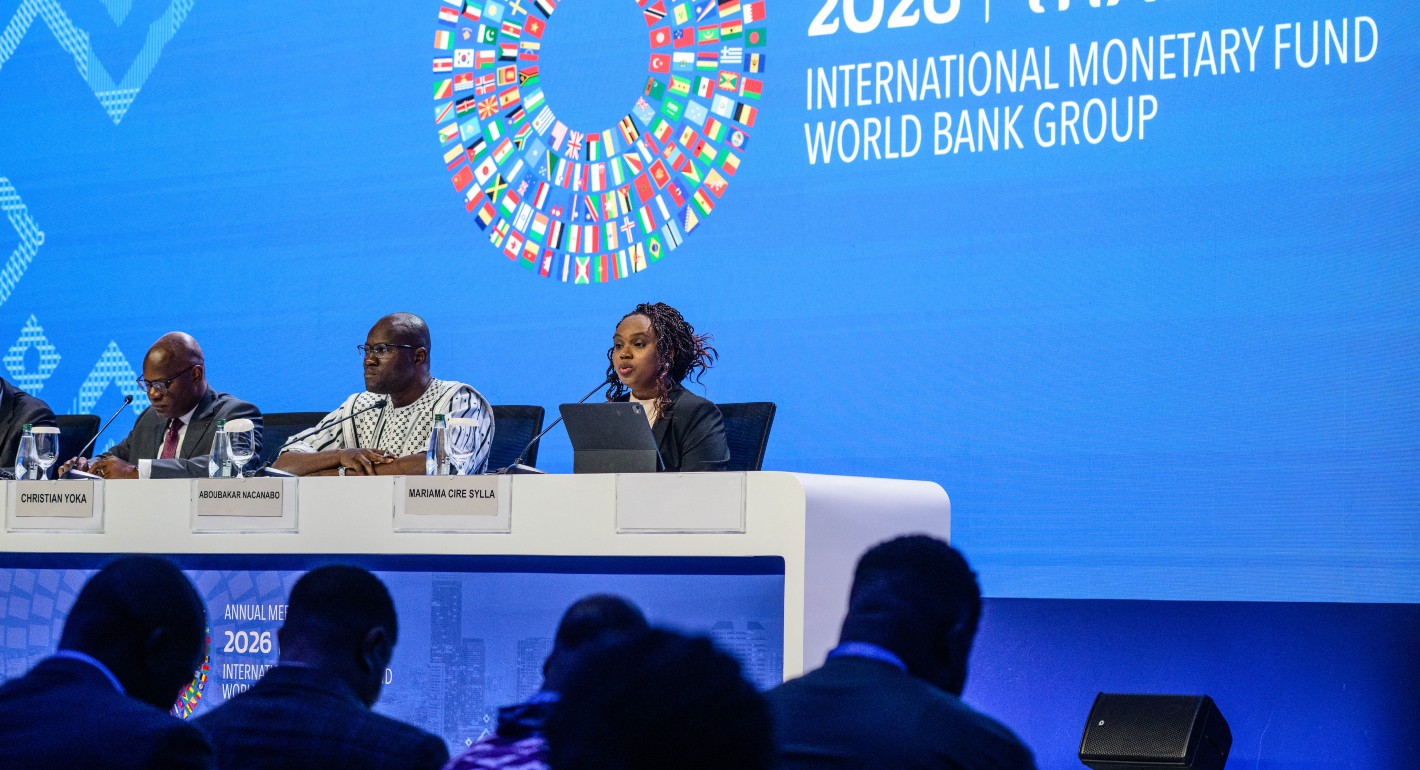
Global and rising powers will need to engage with Africa’s priorities and agency in order to secure the continent’s increasingly attractive partnerships.
Fonteh Akum

Rubio’s recent visit brought welcome attention, but more capital requires governance changes that may be a hard sell for regional governments.

Jennifer B. Murtazashvili

America’s foreign-policy objectives have grown more demanding while Americans have demanded greater focus on their own affairs.

Stephen Wertheim