

Commentary
Ongoing uncertainty in the Middle East allows Moscow to both increase its influence in Tehran and continue to enjoy the financial windfall of higher oil prices.
Nikita Smagin
{
  "authors": [
    "Akio Kawato"
  ],
  "type": "commentary",
  "centerAffiliationAll": "",
  "centers": [
    "Carnegie Endowment for International Peace",
    "Carnegie Russia Eurasia Center"
  ],
  "collections": [],
  "englishNewsletterAll": "",
  "nonEnglishNewsletterAll": "",
  "primaryCenter": "Carnegie Russia Eurasia Center",
  "programAffiliation": "",
  "programs": [],
  "projects": [],
  "regions": [
    "East Asia",
    "China",
    "Russia"
  ],
  "topics": [
    "Political Reform",
    "Economy"
  ]
}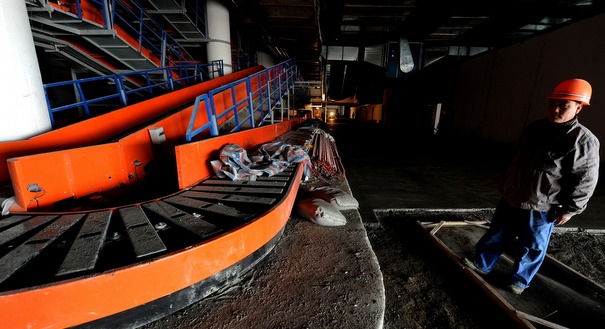
Source: Getty
The growth of the Chinese economy has been remarkable, but it was largely sustained by a phenomenal inflow of foreign capital and forced construction of infrastructure. Now fossilized in state capitalism, China may forfeit a mechanism for autonomous growth.
While the Russians are pondering over their Constitution, China has solidified (or better to say “fossilized”) its regime. The Third Plenum of the Central Committee of the Chinese Communist Party has launched two new structures: the Central Leading Group for Comprehensive Deepening of Reforms and the National Security Council.
Their function is not yet clear. As regards the latter, some people compare it to the NSC of the United States, but it would be more natural (China’s system largely derives from that of the Soviet Union anyway) to liken it to the Russian State Security Council, a loose coordinating body of foreign policy, defense, and intelligence with President at the top. Xi Jinping has already been leading the People’s Liberation Army as the chairman of the Central Military Commission of the Communist Party, but the creation of the National Security Council would allow him to officially take the reins of the police (and the secret police), too. This is important, because the previous head of the Ministry of Public Security Zhou Yongkang (he also represented interests of the oil sector) apparently sided with Bo Xilai, who challenged the authority of Xi Jinping only to be sentenced to imprisonment. So Xi Jinping took the control of the treacherous police, keeping Zhou’s successor Guo Shengkun out of the highest Party echelon, the Politburo Standing Committee.
The Central Leading Group for Comprehensive Deepening of Reforms will “see after” economic reforms, but Prime Minister Li Keqiang, who is ex officio in charge of economy (and its reforms), is notably excluded from the Group. This Group will be headed by Xi Jinping with Liu Yunshan and Zhang Gaoli as deputies. Liu Yunshan is a Politburo Secretary in charge of communist ideology (does anyone still remember the Soviet Communist Party ideologues Mikhail Suslov and Yegor Ligachev?), and Zhang Gaoli is the first deputy prime minister and a protégé of once almighty Jiang Zemin. They will “see after” the reforms so that any new measure does not undermine the current political and economic texture, that is state capitalism.
Perhaps, the Chinese leadership has decided to go back to the past: leader’s strong hand, rigid political system, and economy managed by party apparatchiks. The Chinese initially adopted this model, when a Kuomintang delegation visited the newly born Soviet Union in 1923. The “Party State,” in which the Communist Party monopolized all power and directly managed economy, seemed to be an ideal machine for realizing China’s rapid modernization. Today, this model may again look attractive for the Chinese communists to maintain the status quo. Anyway, Russia has reconsolidated itself, relying upon state capitalism (and more importantly upon the high oil prices, mind you).
Thus, we today have China as a conservative power, basically egocentric and sometimes aggressive outward. How it will affect politics and economy in the world—we’ll see. But we should keep in mind that the state capitalism model works well only in the initial stage of development, and soon betrays many shortcomings, that is the absence of motivation for technological innovation and for better quality of products. The elite are intent on living off the system, while neglecting the interests of workers and consumers.
The growth of the Chinese economy has been remarkable, but it was largely sustained by a phenomenal inflow of foreign capital and forced construction of infrastructure. Now fossilized in state capitalism, China may forfeit a mechanism for autonomous growth.
We may soon realize that the state capitalism was the best gift (or Gift in German) which Russia ever gave to China.
Akio Kawato
Writer
Akio Kawato is a former Japanese diplomat and blogger.
Carnegie does not take institutional positions on public policy issues; the views represented herein are those of the author(s) and do not necessarily reflect the views of Carnegie, its staff, or its trustees.
Ongoing uncertainty in the Middle East allows Moscow to both increase its influence in Tehran and continue to enjoy the financial windfall of higher oil prices.

Nikita Smagin
President Lee marked his first year in office after one of the most tumultuous periods in South Korean politics. Though Lee has enjoyed a high approval rating, a large majority in the National Assembly, and foreign policy victories, Lee and his party’s political fortunes depend on generating economic growth, learning the right lessons from the recent local elections, and managing contentious factional strife within his political base.
Chung Min Lee
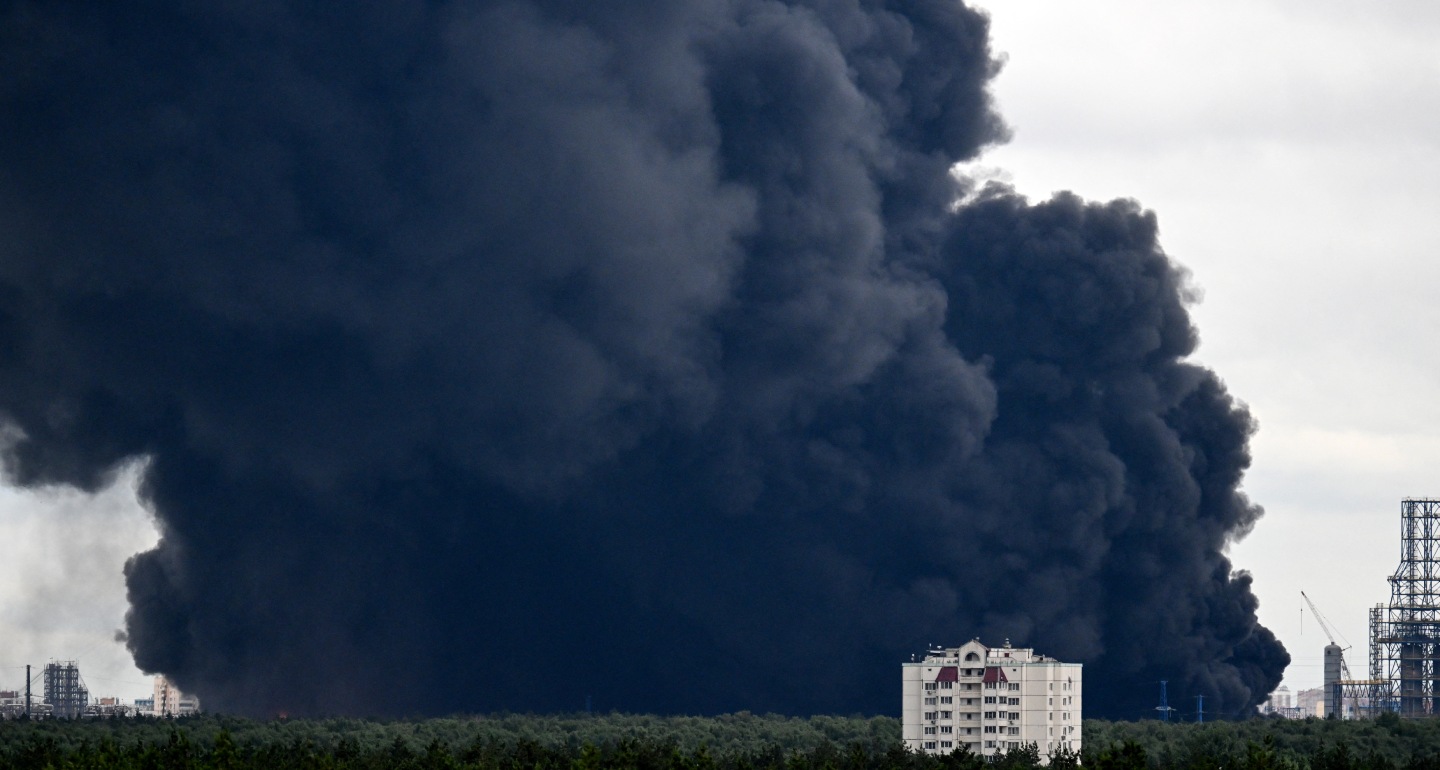
If it proves impossible for the Russian authorities to avoid a gasoline deficit, the question then becomes how they will organize the distribution of a scarce resource.

Sergey Vakulenko
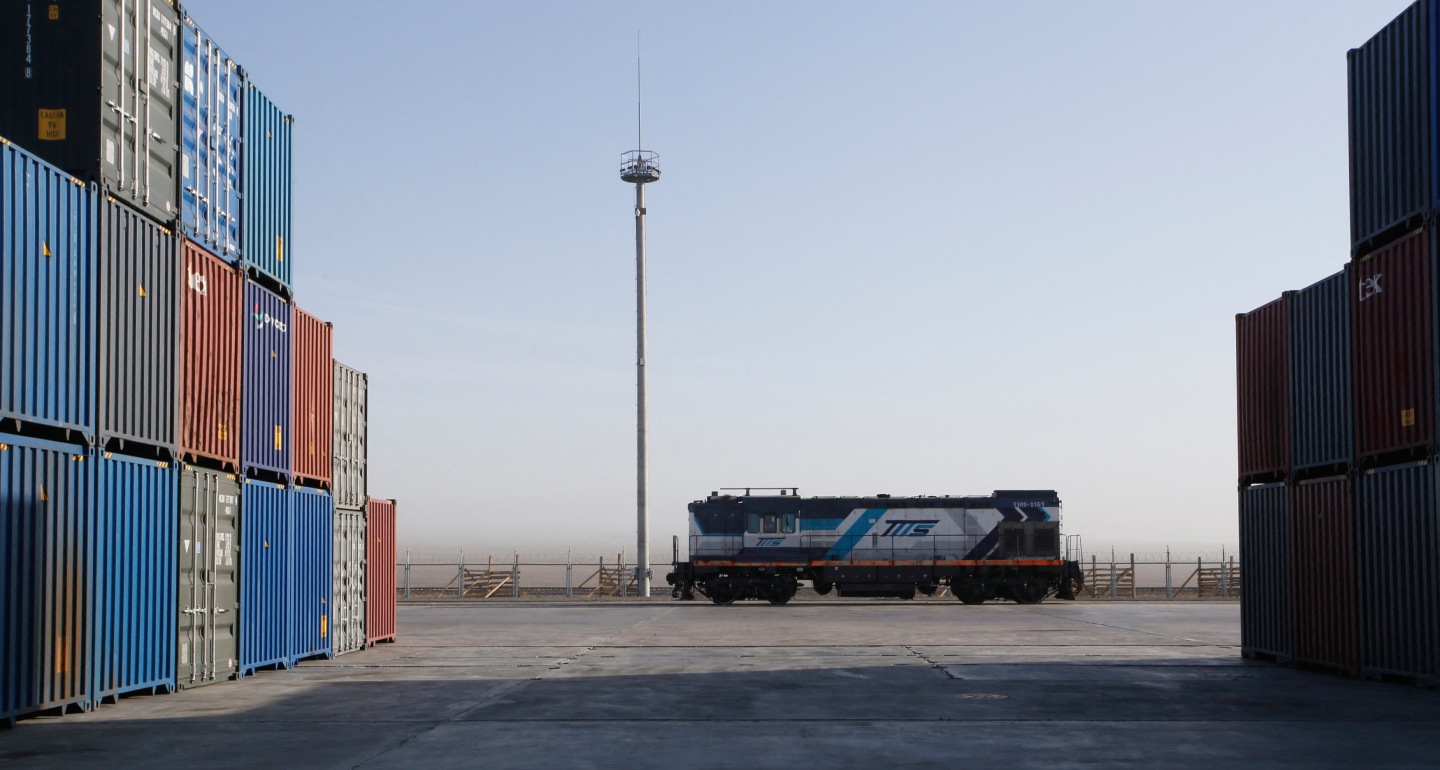
This year’s wars have made alternative routes to transit through Russia no less risky for Central Asian countries.

Galiya Ibragimova
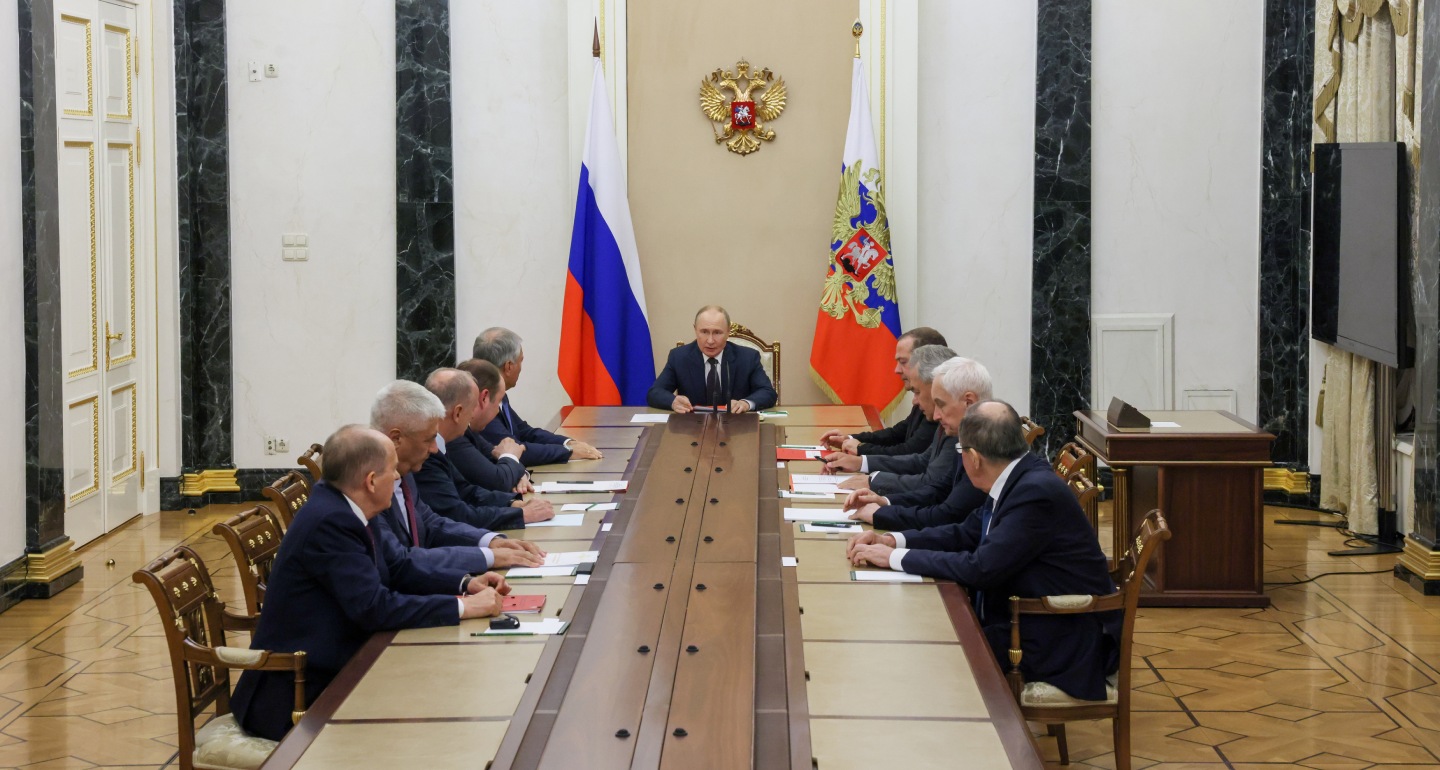
The ruling elites in contemporary Russia are not a political class, but a community of managers who are not subject to competition or public accountability. The state is becoming an operating apparatus without any internal autonomy.

Alexandra Prokopenko