

Commentary
The move is an escalation of its war on multilateralism.
Stewart Patrick
{
  "authors": [
    "Deborah Gordon",
    "Andreas Löschel",
    "Jim Skea",
    "Wang Tao"
  ],
  "type": "other",
  "centerAffiliationAll": "dc",
  "centers": [
    "Carnegie Endowment for International Peace"
  ],
  "collections": [],
  "englishNewsletterAll": "ctw",
  "nonEnglishNewsletterAll": "",
  "primaryCenter": "Carnegie Endowment for International Peace",
  "programAffiliation": "SCP",
  "programs": [
    "Sustainability, Climate, and Geopolitics"
  ],
  "projects": [],
  "regions": [
    "North America",
    "United States",
    "East Asia",
    "China",
    "Western Europe",
    "United Kingdom",
    "France"
  ],
  "topics": [
    "Climate Change"
  ]
}
Source: Getty
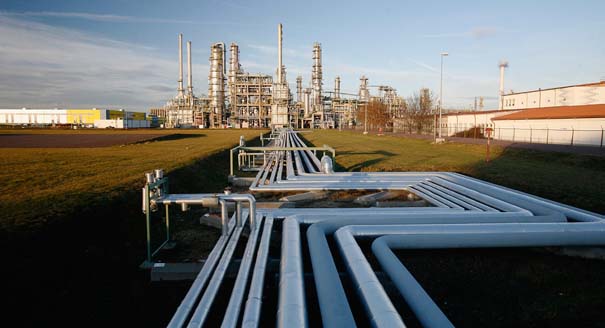
A new energy transition faces the United States as it shifts from oil scarcity to potential abundance.
Source: Université Total - Energy Days
Carnegie’s Deborah Gordon joined Andreas Löschel, Jim Skea, and Wang Tao of the Carnegie-Tsinghua Center for Global Policy on a panel at Université Total - Energy Days to discuss the future of energy. Gordon discussed the new energy transition facing the United States as it shifts from oil scarcity to potential abundance. She identified the number of unknowns still affecting this transition and the future of these new resources, including fossil fuel price variability, changes in energy efficiency, and possible climate policy. Andreas Löschel, Jim Skea, and Wang Tao offered insights on the energy transitions that Germany, the U.K., and China are facing.
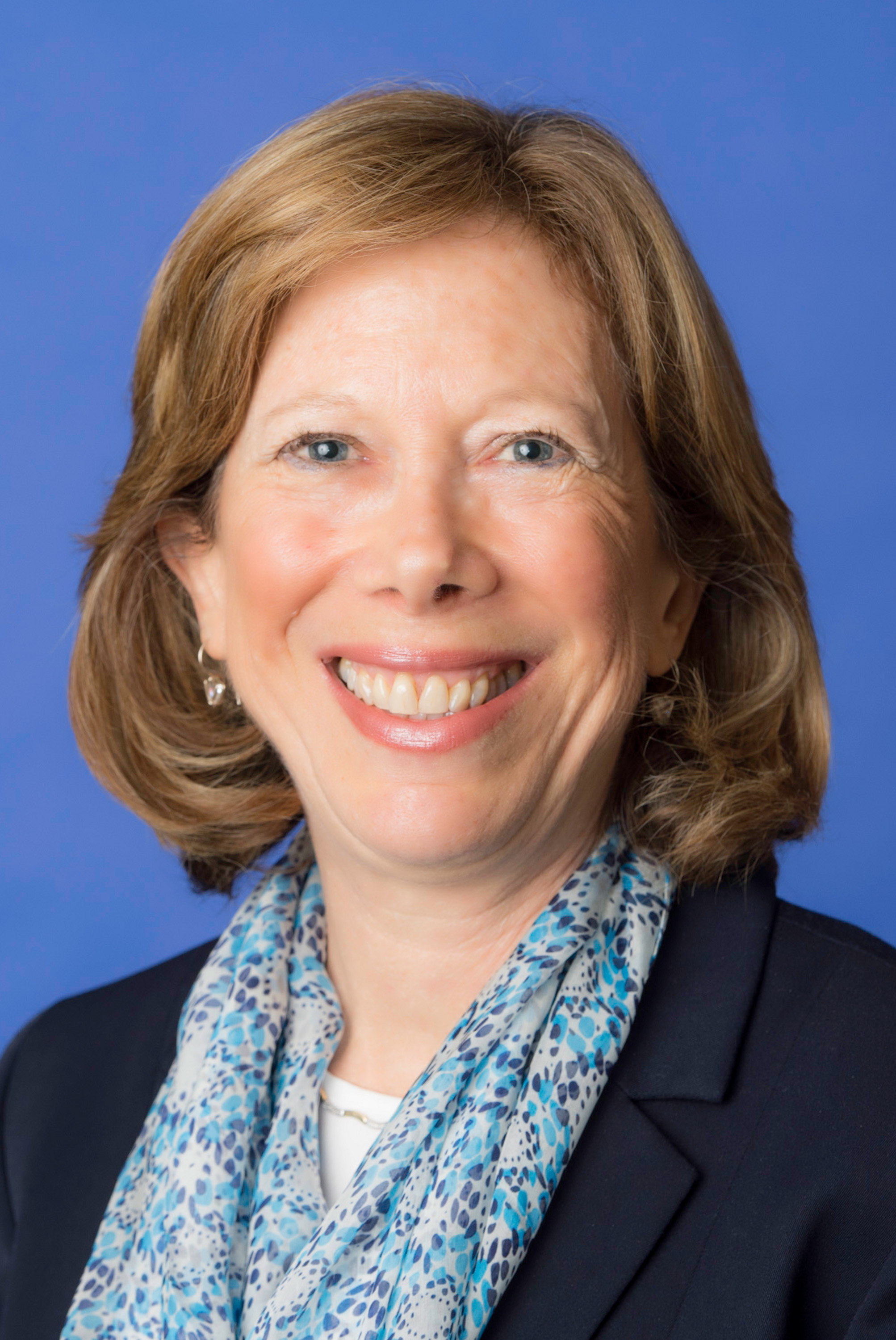
Former Director and Senior Fellow, Energy and Climate Program
Gordon was director of Carnegie’s Energy and Climate Program, where her research focuses on oil and climate change issues in North America and globally.
Andreas Löschel
Jim Skea
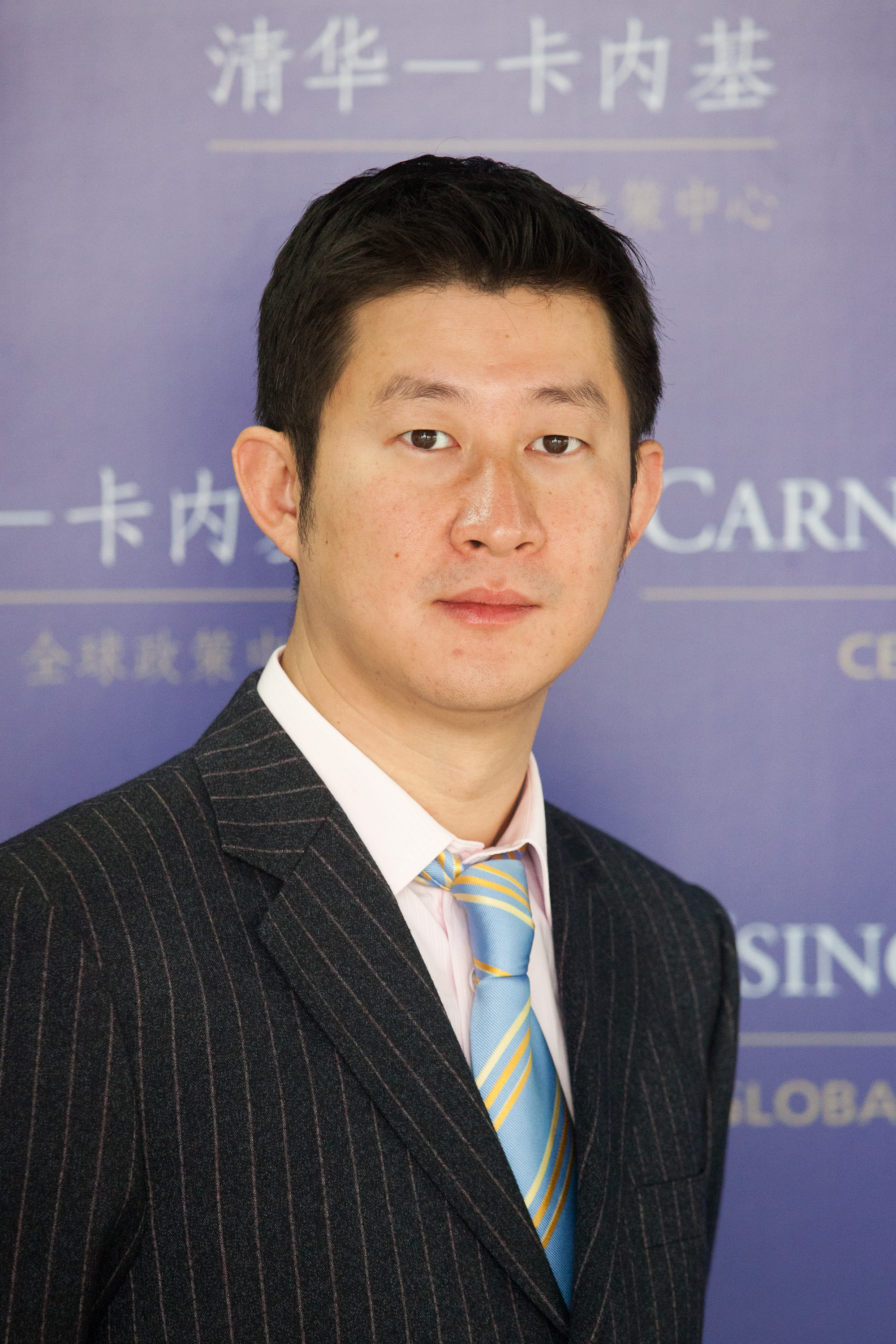
Former Nonresident Scholar, Carnegie-Tsinghua Center for Global Policy
Wang Tao was a nonresident scholar in the Energy and Climate Program based at the Carnegie–Tsinghua Center for Global Policy.
Carnegie does not take institutional positions on public policy issues; the views represented herein are those of the author(s) and do not necessarily reflect the views of Carnegie, its staff, or its trustees.
The move is an escalation of its war on multilateralism.

Stewart Patrick

As the EU confronts profound challenges, several leaders have called for fundamental reform to the union’s model—but only modest, superficial changes have resulted. What if Europe really could be reimagined from zero today: What should such a redesigned European order look like?

Richard Youngs, ed.

How is AI reshaping space security, creating governance challenges, and where does international diplomacy stand today?


Tejas Bharadwaj, Almudena Azcárate Ortega
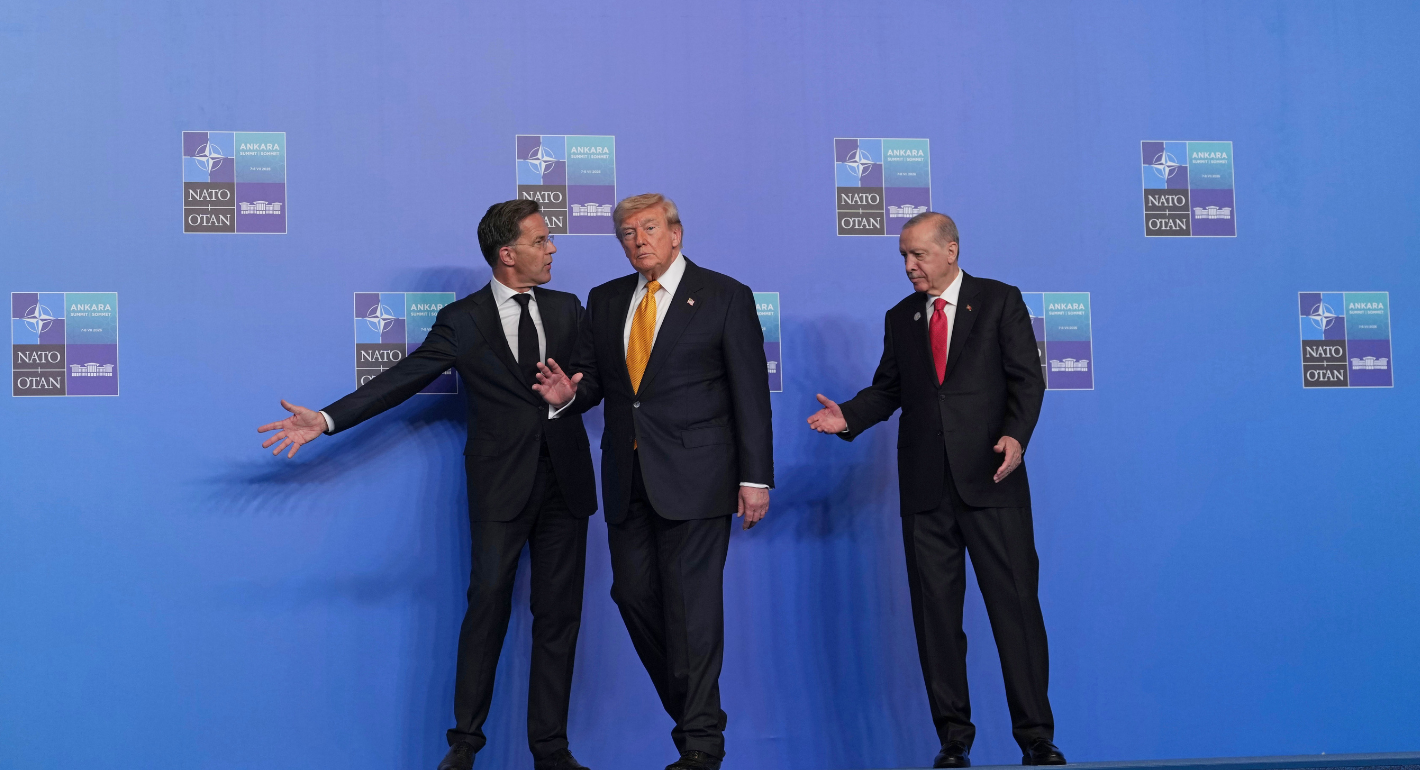
Nearly a year and a half after Europeans leaned into sucking up to Trump, the strategy has produced some benefits when it comes to Ukraine.

Rym Momtaz
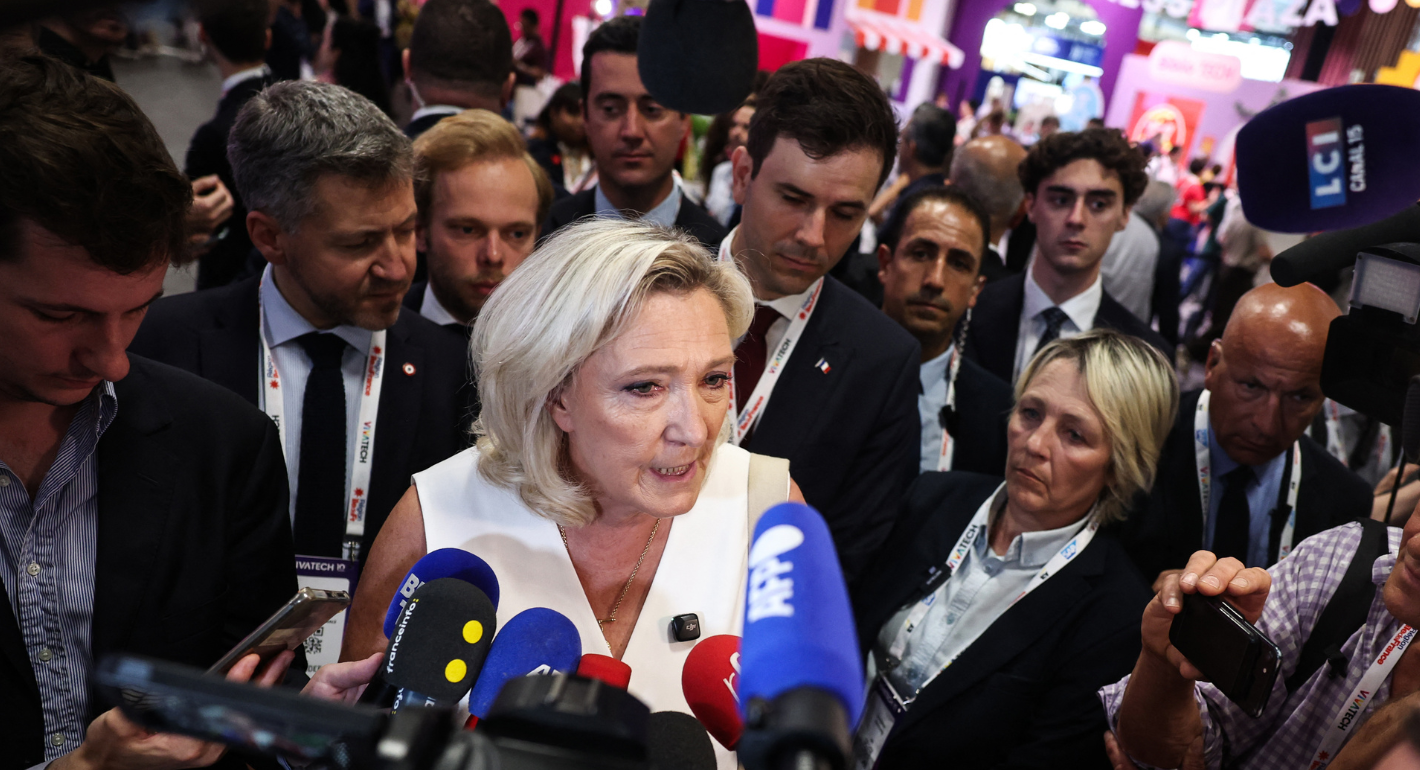
Far-right leader Marine Le Pen can—and will—run in France’s next presidential election. What does the outcome of her appeal against a 2025 embezzlement conviction mean for the country’s political future?
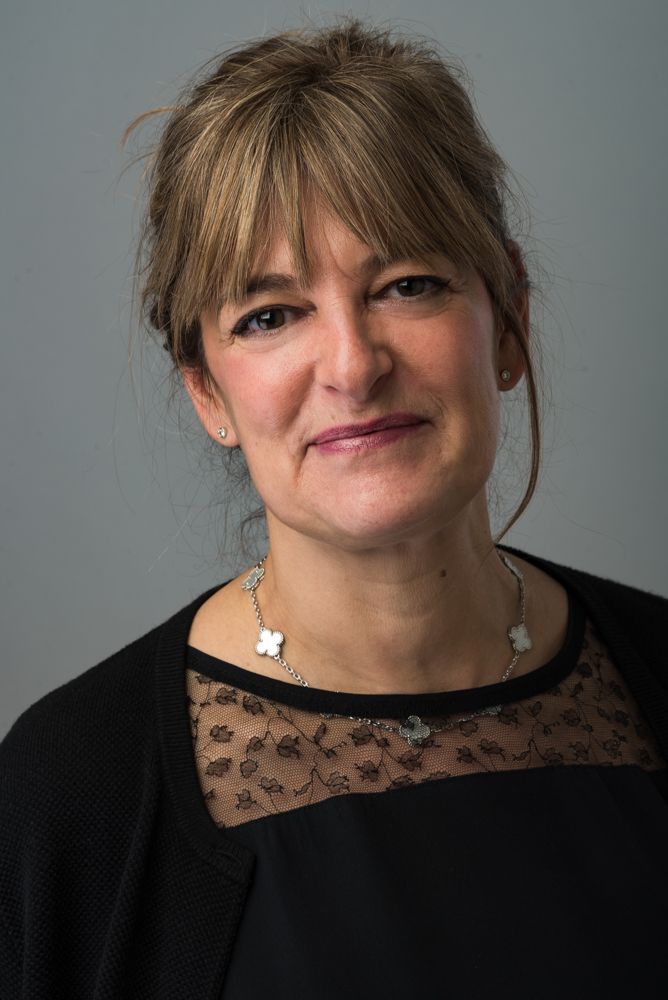
Catherine Fieschi