

Q&A
Suzanne Maloney, Aaron David Miller, Karim Sadjadpour
{
  "authors": [
    "Karim Sadjadpour"
  ],
  "type": "legacyinthemedia",
  "centerAffiliationAll": "dc",
  "centers": [
    "Carnegie Endowment for International Peace",
    "Malcolm H. Kerr Carnegie Middle East Center"
  ],
  "collections": [
    "Iranian Proliferation"
  ],
  "englishNewsletterAll": "menaTransitions",
  "nonEnglishNewsletterAll": "",
  "primaryCenter": "Carnegie Endowment for International Peace",
  "programAffiliation": "MEP",
  "programs": [
    "Middle East"
  ],
  "projects": [],
  "regions": [
    "Middle East",
    "Iran"
  ],
  "topics": [
    "Nuclear Policy",
    "Global Governance",
    "Foreign Policy"
  ]
}
Source: Getty
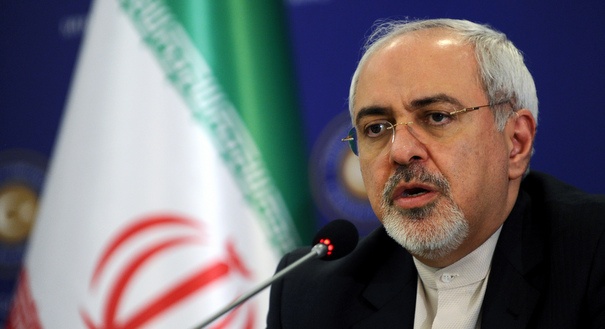
There is a mismatch of expectations between America and Iran in terms of what a comprehensive deal should look like. The United States expects Iran to drive its nuclear program further in reverse, while Iran expects America to lift all of the sanctions.
Source: NPR’s All Things Considered
ARUN RATH, HOST: It's ALL THINGS CONSIDERED from NPR News. I'm Arun Rath.
Iran's nuclear program will grind to a halt beginning tomorrow. It's part of an agreement between Iran and Western powers, which rolled back some sanctions in exchange for a six-month moratorium on most nuclear activities. But this is just an early step. Negotiations toward a long-term agreement are supposed to resume in the next few weeks. The U.S. is seeking total nuclear disarmament while Iran is pushing for a complete end to sanctions.
For more on the deal, we called Karim Sadjadpour. He studies Iran as a senior associate at the Carnegie Endowment, and he explained exactly what Iran will have to do starting tomorrow.
KARIM SADJADPOUR: Arun, under the agreement, Iran will have to cap its enrichment of uranium at a low level, about 3.5 percent. It will have to allow for much more transparency into its nuclear program, including not just its nuclear facilities but also centrifuge workshops, things like that. And Iran will also have to take some of the low-enriched uranium, which it stockpiled, and convert them to fuel rods, which are less of a proliferation concern.RATH: So this agreement was actually reached back in November, but it's taken all this time to iron out the technical details of what Iran would do, how the inspectors would get access. Why did it take so long?
SADJADPOUR: Well, the agreement, which was reached in November, was political in nature. They agreed to kind of the broad contours of the deal. But then when you go to really the technical nitty-gritty, it gets quite complicated. Obviously, Iran wants to do as little as possible for as much as possible in return. And there was also some questions here in the United States about whether Congress was going to hold off on passing sanctions legislation. But really, it was the technical nitty-gritty that needed to be resolved.
RATH: Now, this agreement is only temporary. It just lasts six months. And it's supposed to buy time for more negotiations. You've written very interestingly about one sticking point - is how Iranian leaders feel that they're defending their country against unfair policies. Could you talk about that?
SADJADPOUR: You know, I've argued before, Arun, that the real source of tension between America and Iran is actually not the nuclear issue. It's Iran's policy toward Israel. Iran rejects Israel's existence. It supports groups like Hamas, Hezbollah, Islamic jihad. And I think especially for U.S. members of Congress, it's very difficult to allow Iran to have advanced nuclear capability while they continue to be so belligerent toward Israel.
RATH: Mm-hmm. President Obama and Secretary of State John Kerry both acknowledge that there's a long road ahead. You also write, though, and you expect there's going to be a strong desire on both sides to cooperate. And why do you feel that way?
SADJADPOUR: Well, on one hand, I would say that there is a mismatch of expectations between America and Iran in terms of what a comprehensive deal should look like. I think the United States expects Iran to drive its nuclear program further in reverse. And Iran expects America to lift all of the sanctions. And I think neither of these prospects is realistic.
But if you look at the Middle East from President Obama's eyes, Iran provides one of the very few opportunities to leave a positive diplomatic legacy. Egypt is falling apart. Syria is in a state of utter carnage. Iraq is deteriorating to 2008-level violence. So there are very few positive opportunities for President Obama. And I think this is why you see both the president and Secretary Kerry investing a whole lot in Iran diplomacy.
And likewise, the new Iranian President Hassan Rouhani has made history in talking to President Obama via telephone. And I think likewise, these kind of more moderate figures in Iran, if they want to continue to be empowered, they'll have to deliver on a deal.
RATH: Karim Sadjadpour studies Iran as a senior associate at the Carnegie Endowment. Karim, thank you.
SADJADPOUR: Any time, Arun. Thank you.
This interview was originally aired on NPR’s All Things Considered.

Senior Fellow, Middle East Program
Karim Sadjadpour is a senior fellow at the Carnegie Endowment for International Peace, where he focuses on Iran and U.S. foreign policy toward the Middle East.
Recent Work


Suzanne Maloney, Aaron David Miller, Karim Sadjadpour

Aaron David Miller, Karim Sadjadpour, Robin Wright
Carnegie does not take institutional positions on public policy issues; the views represented herein are those of the author(s) and do not necessarily reflect the views of Carnegie, its staff, or its trustees.

It should address the shortcomings of previous crisis communication efforts and adapt to the demands of frontier AI.

Lucy Luo
Washington’s decision to support some UN functions while letting others wither is pulling the organization apart at the seams.

Stewart Patrick, Theodore Zaritsky

Are Germany’s economic, industrial, and political struggles becoming a liability for the EU’s ability to rise to the geopolitical moment?

Rym Momtaz, ed.

China’s police training infrastructure construction projects provide benefits to recipient countries, promote China’s image as a major global security provider, and are likely to reinforce alignment between Beijing’s security priorities and those of countries in the Global South.


Cameron Waltz, Sheena Chestnut Greitens, Kim Nguyen, …
The Bureau of Industry and Security needs to adjust its focus and practices to maintain its position as the U.S. government’s primary champion of international technological competition.
Geoffrey Irving