

In The Media
Lilia Shevtsova
{
  "authors": [
    "Lilia Shevtsova"
  ],
  "type": "legacyinthemedia",
  "centerAffiliationAll": "",
  "centers": [
    "Carnegie Endowment for International Peace",
    "Carnegie Russia Eurasia Center"
  ],
  "collections": [],
  "englishNewsletterAll": "",
  "nonEnglishNewsletterAll": "",
  "primaryCenter": "Carnegie Russia Eurasia Center",
  "programAffiliation": "",
  "programs": [],
  "projects": [],
  "regions": [
    "Central Asia",
    "Russia",
    "Eastern Europe"
  ],
  "topics": [
    "Foreign Policy"
  ]
}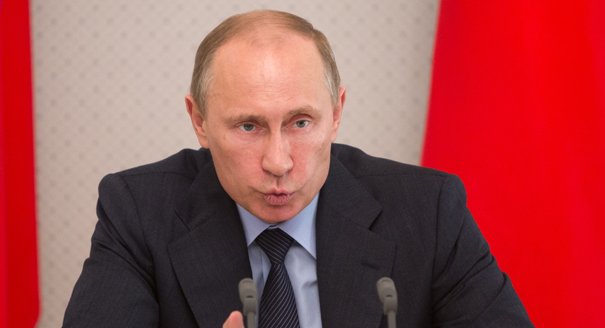
Source: Getty
As the Kremlin confronts a weakening of the props that have enabled it to maintain power, Putin has turned to imperialism as a support for Russian authoritarianism.
Source: Financial Times
According to Vladimir Putin, the “Eurasian Union” that the Kremlin hopes to forge with two of Russia’s southwestern neighbours will be a family affair, drawing together like-minded states. Others are not so sure, fearing that the Russian president’s wholesome rhetoric of fraternity belies a more sinister truth. In much of Europe, the proposed pact is viewed as an attempt to revive the Soviet Union and rekindle the cold war.
If that is indeed Mr Putin’s aim, one can only guess at his motives. Perhaps the successor to Boris Yeltsin, divider of the Soviet realm, aims to secure a place in history as the leader responsible for its reunification. But the Russian president is also confronting a more prosaic imperative. As the Kremlin confronts a weakening of the props that have enabled it to maintain power, Mr Putin has turned to imperialism as a flying buttress for Russian authoritarianism.
Initially it is a customs union that binds Russia, Kazakhstan and Belarus. But that is only the beginning. At a summit in Moscow on Christmas Eve, members of the founding troika reaffirmed their intention to create a Eurasian Economic Union by 2015. The new body will mimic the EU’s mantra of integration, as well as copying the outlines of its institutional architecture. It is intended to serve as a bridge between Europe and Asia. Armenia, Kyrgyzstan and Ukraine – which also sent delegates to Moscow – may join later.Much remains to be settled about the shape of the new alliance. Moscow has floated the idea of supranational political bodies, which would result in member states losing some of their independence. Alexander Lukashenko, president of Belarus, has mused that “sovereignty is not an idol to be worshipped”. Others seem unconvinced. President Nursultan Nazarbayev of Kazakhstan, apparently fearing Russian control, argues that economic integration will suffice.
Another bone of contention is whether signatories to Mr Putin’s pact will be free to court other partners. That is what Mr Nazarbayev, who dreams of creating a Central Asian Union, is insisting on. Mr Lukashenko likewise sees the Eurasian Union as “part of European integration”.
Moscow sees things differently. Officially, it sticks to cautious statements on co-operation with the EU. But the Kremlin’s determination to prevent Ukraine from signing an EU trade agreement indicates that Mr Putin thinks of the Eurasian project as an alternative to a united Europe. This is not surprising: the idea of Russian Eurasianism that dates back to the early 20th century has always been hostile to Europe and the west. Today, the Russian elite views the Eurasian idea as a justification for recreating the Soviet firmament under the auspices of Russia, albeit in a limited form and without communist doctrine.
True, the customs union has brought economic benefits to Russia’s junior partners. In the first six months of its existence, the trade flow between the three member countries increased by one-third. But closer integration is not a sure path to modernisation. Authoritarian regimes are not interested in transparency or the rule of law, the essential prerequisites of economic progress. Nor does it serve the Kremlin’s purposes – which are primarily geopolitical, rather than economic – to insist on such reforms.
The EU, one of the most ambitious international alliances and arguably one of the most successful, is founded on mutually advantageous agreement between democratic states. But it is an unpromising model for Mr Putin’s attempt at Eurasian integration. Relations between authoritarian regimes are based on oppression and subordination, not compromise. Any attempt to co-ordinate the policies of such governments is likely to meet difficulty.
The Kremlin is building support for its great power aspirations in exchange for financial, economic and military bonuses to the Eurasian Union members. If Moscow wants its neighbours to co-operate in its bid for self-aggrandisement, it will have to pay.
Indeed, Mr Putin’s plan would not have come this far had it not been underwritten by the financial might of the Russian state. According to some analysts, support for the Lukashenko regime costs Russia between $7bn and $12bn annually. Periodic threats from the Belarusian president to withdraw from the Eurasian project are usually met with further Russian largesse. For example, Moscow has promised Minsk $2bn in low-interest loans, apparently to reward Mr Lukashenko for softening his demands on sovereignty. Similarly, Ukraine president Viktor Yanukovich’s willingness to opt for marriage with Russia cost Moscow $15bn and a promise to export gas to Ukraine at discounted prices. President Almazbek Atambayev of Kyrgyzstan has also proved willing to use blackmail, demanding a $200m loan from Moscow in addition to trade and economic preferences. When he did not get what he wanted, Mr Atambayev postponed his country’s entry into the Eurasian Union.
Yet there is a limit to how many such bribes Russia’s budget can support. Money is not the only constraint that Mr Putin faces. In Ukraine and Belarus, dependence on Russia jars with nationalist sentiments that are widely held. Russians, too, may soon become reluctant to pay for the imperial complexes of their elite.
The Eurasian project is a mirage of a post-Soviet archipelago in which authoritarian leaders use each other to preserve their power. It may last a little longer. But before long, the sun will set on Mr Putin’s imperial ambitions.
This article was originally published in the Financial Times.
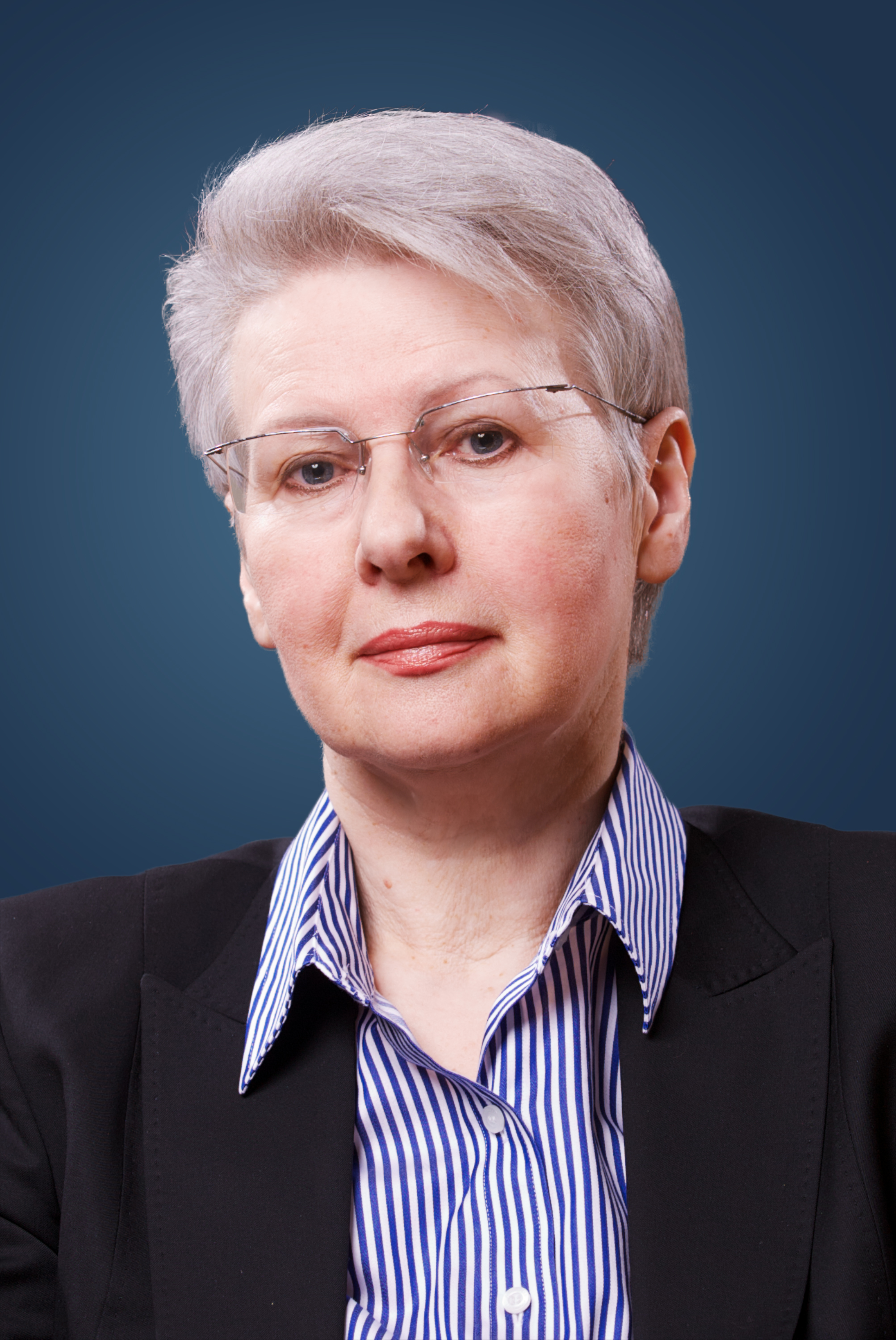
Former Senior Associate, Russian Domestic Politics and Political Institutions Program, Moscow Center
Shevtsova chaired the Russian Domestic Politics and Political Institutions Program at the Carnegie Moscow Center, dividing her time between Carnegie’s offices in Washington, DC, and Moscow. She had been with Carnegie since 1995.
Recent Work
Lilia Shevtsova
Lilia Shevtsova
Carnegie does not take institutional positions on public policy issues; the views represented herein are those of the author(s) and do not necessarily reflect the views of Carnegie, its staff, or its trustees.
The war in Iran proves the United States is now a destabilizing actor for Europe and the Arab Gulf. From protect their economies and energy supplies to safeguarding their territorial integrity, both regions have much to gain from forming a new kind of partnership together.

Rym Momtaz
The current U.S. indifference to human rights means Astana no longer has any incentive to refuse extradition requests from its authoritarian neighbors—including Russia.

Temur Umarov
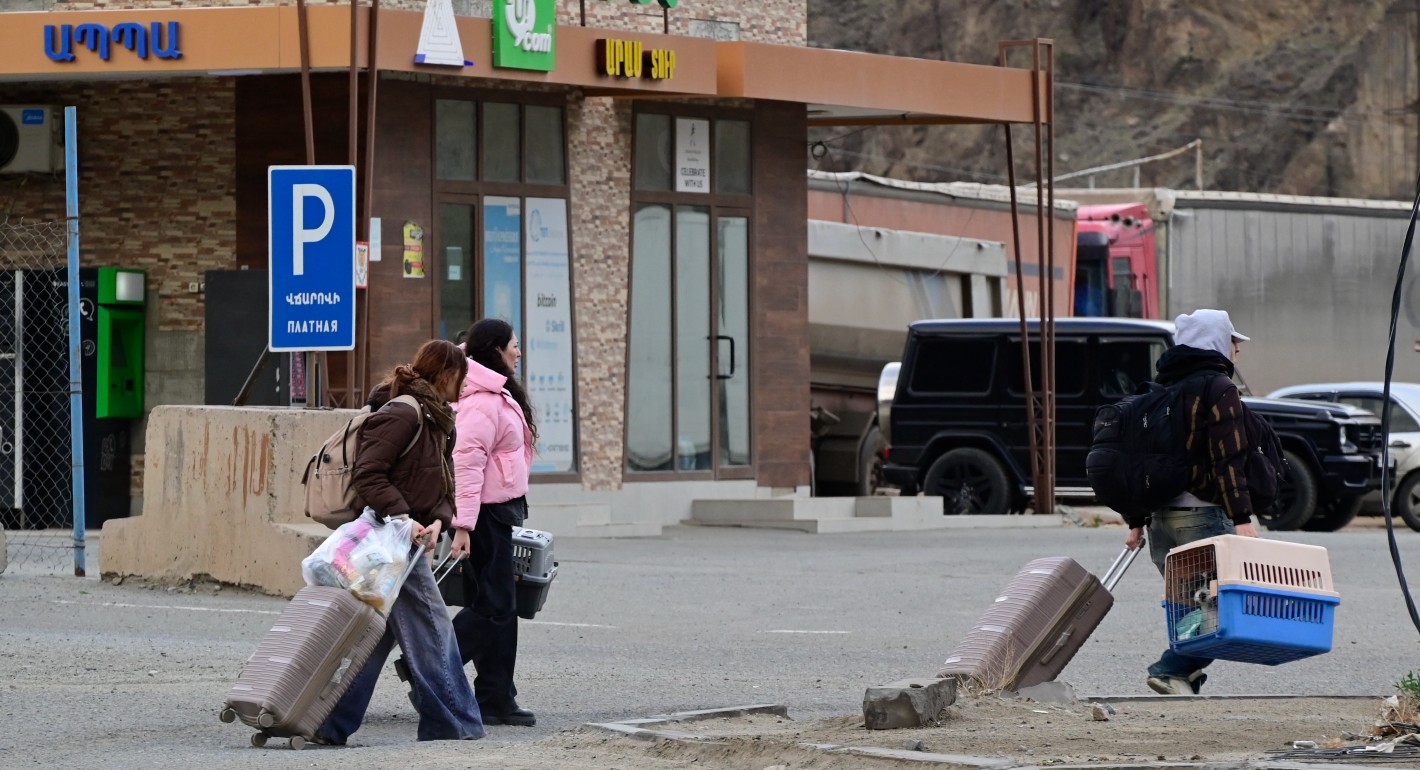
The conflict is threatening stability in Armenia and Azerbaijan.

Zaur Shiriyev
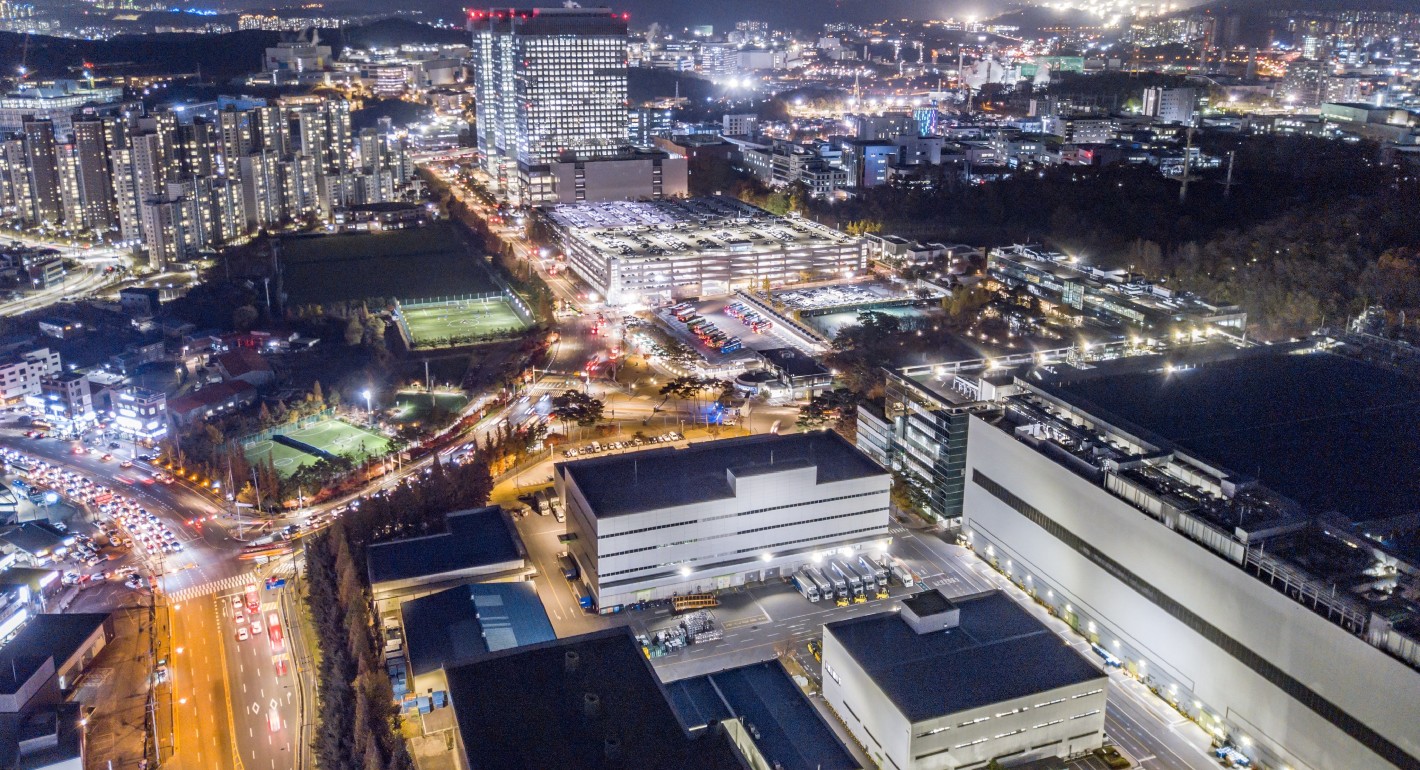
The conflict is exposing the deep energy vulnerabilities of Korea’s chip industry.

Darcie Draudt-Véjares, Tim Sahay
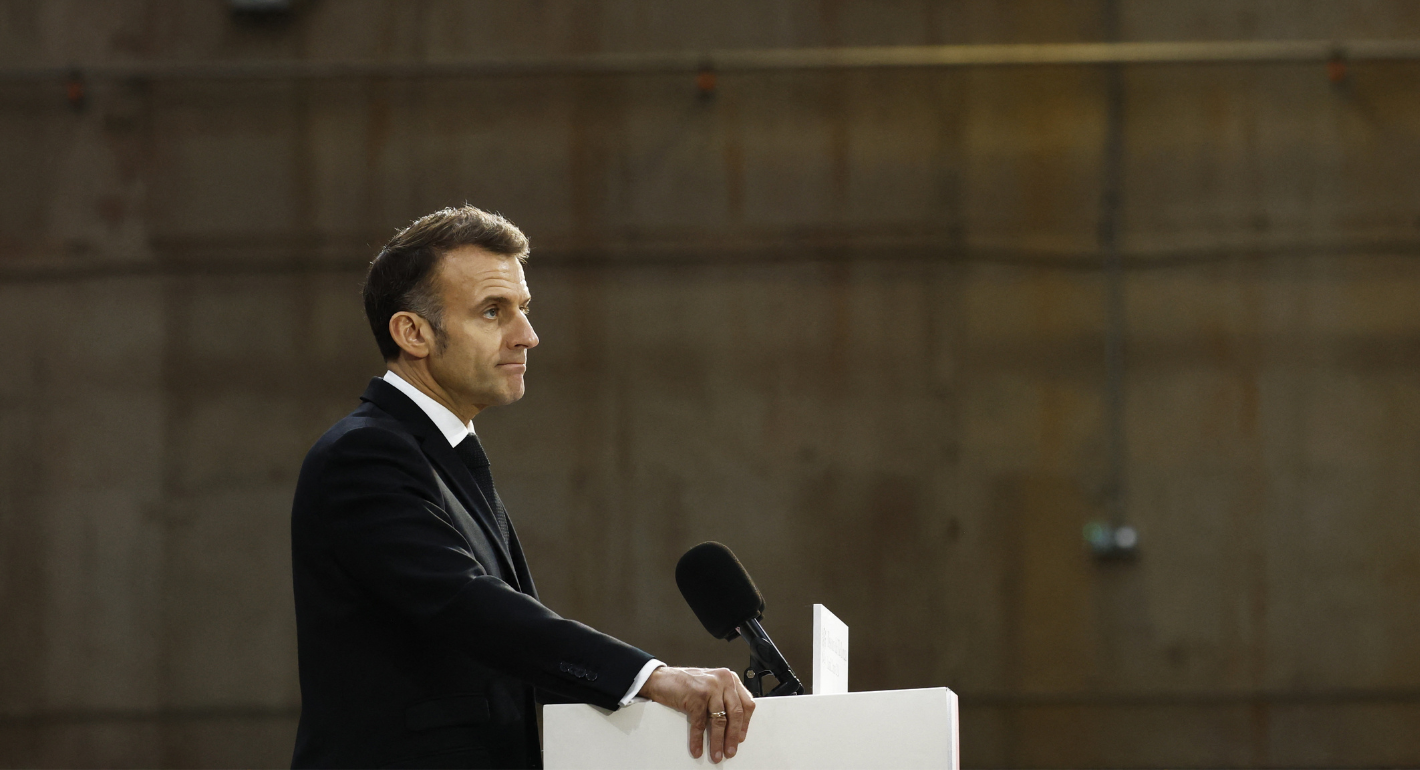
French President Emmanuel Macron has unveiled his country’s new nuclear doctrine. Are the changes he has made enough to reassure France’s European partners in the current geopolitical context?
Rym Momtaz, ed.