

Commentary
U.S. trading partners in Asia are closely watching the dispute for signs of how it may affect their own interests.
Barbara Weisel
{
  "authors": [
    "Jessica Tuchman Mathews",
    "James M. Acton"
  ],
  "type": "other",
  "centerAffiliationAll": "dc",
  "centers": [
    "Carnegie Endowment for International Peace"
  ],
  "collections": [
    "Japan's Nuclear Crisis"
  ],
  "englishNewsletterAll": "ctw",
  "nonEnglishNewsletterAll": "",
  "primaryCenter": "Carnegie Endowment for International Peace",
  "programAffiliation": "NPP",
  "programs": [
    "Nuclear Policy"
  ],
  "projects": [],
  "regions": [
    "East Asia",
    "Japan"
  ],
  "topics": [
    "Nuclear Policy"
  ]
}
Source: Getty
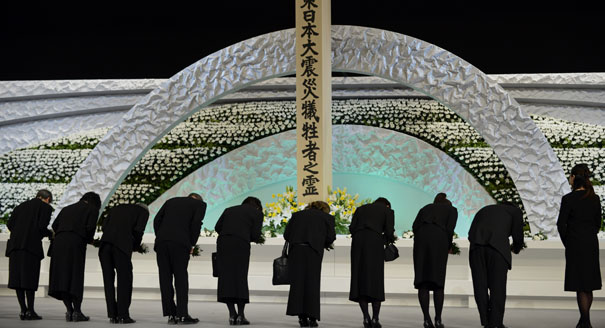
While physical aftershocks from the earthquake that struck Japan on March 11, 2011, have long ceased, societal aftershocks are still reverberating.
Source: Independent Investigation Commission on the Fukushima Daiichi Nuclear Accident
While physical aftershocks from the earthquake that struck Japan on March 11, 2011, have long ceased, societal aftershocks are still reverberating. Most obviously, 110,000 of the evacuees forced to flee from the worst nuclear accident since Chernobyl have yet to return to their homes. For many Japanese - not just the evacuees and their famiilies - their dislocation is an open wound.
At the same time, Japanese society has gained a new interest in its country's governance. Until the accident, it had been willing to let bureaucrats make most key policies with a minimum of interference. Now, a wave of public involvement, which was started by dissatisfaction over energy policy, is having effects in unrelated areas, such as pensions.
A robust and engaged civil society is surely a welcome development. Japan has been in a sustained economic slump for almost two decades, partly as a result of a political system devoid of imagination and unable to innovate. (Although, hopefully, Japan's new prime minister's signature economic policy of "Abenomics" will turn out to be an exception to that rule.) It may be painful for the Kasumigaseki bureaucrats, but an injection of energy from civil society could - perhaps - be a turning point....

Distinguished Fellow
Mathews is a distinguished fellow at the Carnegie Endowment for International Peace. She served as Carnegie’s president for 18 years.

Jessica T. Mathews Chair, Co-director, Nuclear Policy Program
Acton holds the Jessica T. Mathews Chair and is co-director of the Nuclear Policy Program at the Carnegie Endowment for International Peace.
Carnegie does not take institutional positions on public policy issues; the views represented herein are those of the author(s) and do not necessarily reflect the views of Carnegie, its staff, or its trustees.

U.S. trading partners in Asia are closely watching the dispute for signs of how it may affect their own interests.

Barbara Weisel

Congress should ask tough questions about the agreement’s more unique features and whether they advance U.S. interests or compromise them.

Jane Darby Menton

Nuclear and maritime communities face a long and challenging journey to deploy commercial nuclear applications at sea.


Jamie Kwong, Toby Dalton
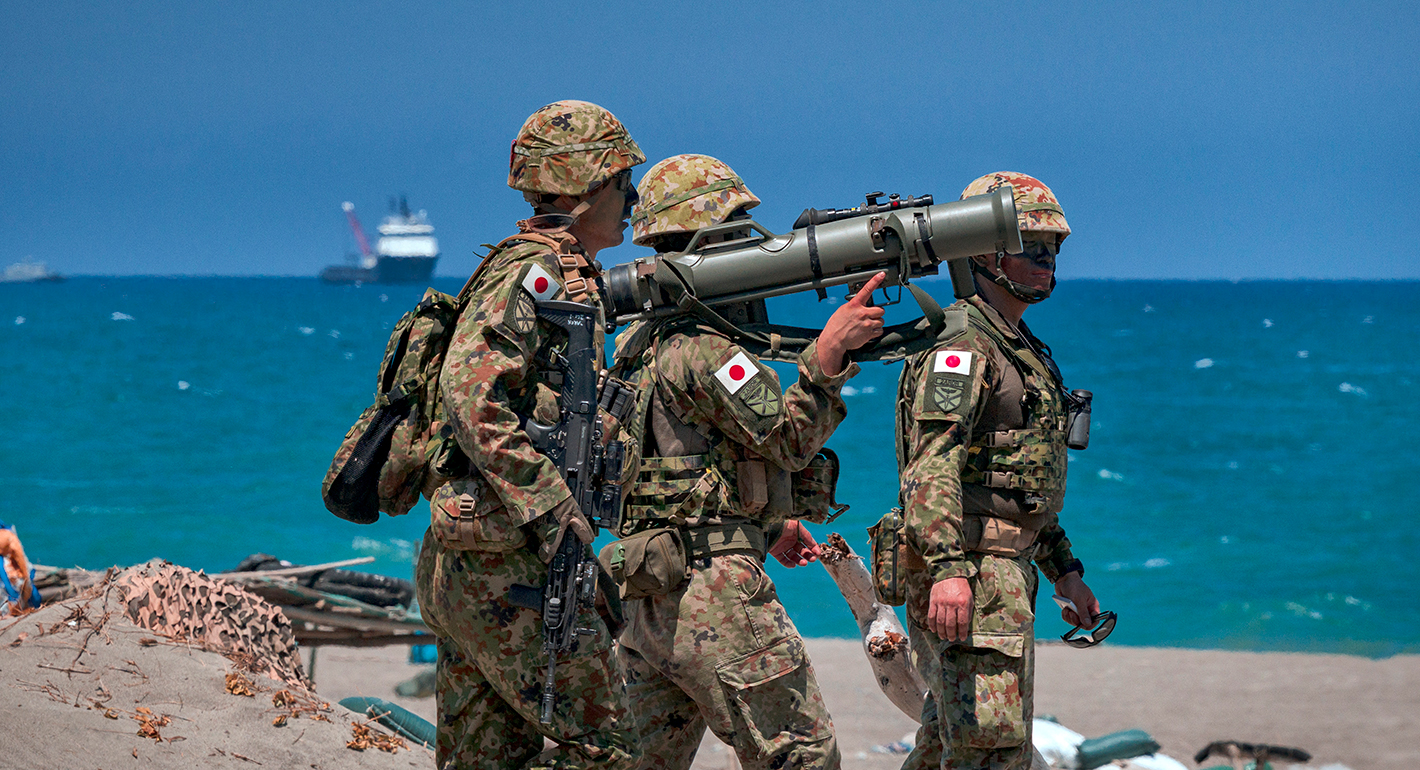
Japan’s revision of its three strategic documents reflects an intention to keep the United States engaged in the region while Japan fills any vacuums of U.S. power to preserve the Indo-Pacific order.
Ryo Sahashi

Chinese biotech companies have been on the receiving end of U.S. economic coercion. Yet their responses have differed significantly because firm and state interests are not uniformly aligned. For Washington, treating all Chinese tech firms the same, irrespective of their actual interests, risks pushing them farther into Beijing’s corner.

Xue Gong