

Research
- +11
Frances Z. Brown, Nate Reynolds, Priyal Singh, …
{
  "authors": [
    "Andrew S. Weiss"
  ],
  "type": "commentary",
  "centerAffiliationAll": "",
  "centers": [
    "Carnegie Endowment for International Peace",
    "Carnegie Russia Eurasia Center"
  ],
  "collections": [],
  "englishNewsletterAll": "",
  "nonEnglishNewsletterAll": "",
  "primaryCenter": "Carnegie Endowment for International Peace",
  "programAffiliation": "",
  "programs": [],
  "projects": [],
  "regions": [
    "Eastern Europe",
    "Ukraine"
  ],
  "topics": [
    "Political Reform",
    "Security"
  ]
}
Source: Getty
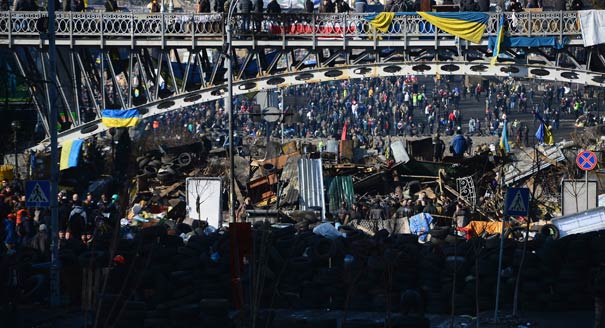
Without clear knowledge of what role radical and paramilitary groups, or Yanukovych loyalists, played in touching off this past week’s violence, all eyes must be on the people with the guns, not the politicians.
The rush to applaud today’s news of a political breakthrough in Ukraine is understandable after the truly horrible, unforeseeable events of the past week. Everyone in Western European capitals and Washington clearly is invested in this deal succeeding. Western officials want an immediate halt to the dramatic spiral into violence, repression, and separatism that carried a clear risk of a Yugoslav-style meltdown in a country of 45 million.
It’s also remarkable that top diplomats like Frank-Walter Steinmeier of Germany and Laurent Fabius of France were willing to put their governments’ credibility on the line after several months of EU dithering and fecklessness in the aftermath of the disastrous Vilnius Summit.
Yet now comes the hard part.
The terms of the deal contain several provisions that may prove exceedingly difficult to implement. The most obvious is the demand that all “illegal weapons should be handed over to the Ministry of Interior bodies within 24 hours” and that all parties should respect laws governing the illegal carrying and storage of weapons. Unfortunately, televised images of yesterday’s deadly firefights in Kyiv leave no doubt that there are plenty of weapons on both sides.
The trio of opposition leaders who signed today’s agreement clearly do not control radical and paramilitary groups who have taken the lead in organizing popular armed resistance to President Yanukovych’s forces nor necessarily a majority of the people who have defended Maidan. One of these groups, Praviy Sektor (Right Sector) has already come out against today’s agreement, denouncing it as “eye-washing” and vowing to continue the national revolution.
The ugly fact remains that we still do not know for certain what kind of role such groups or Yanukovych loyalists played in touching off this past week’s violence. Until that part of the picture becomes clear, all eyes must be on the people with the guns, not the politicians.

James Family Chair, Vice President for Studies
Andrew S. Weiss is the James Family Chair and vice president for studies at the Carnegie Endowment for International Peace, where he oversees research on Russia, Ukraine, and Eurasia. His graphic novel biography of Vladimir Putin, Accidental Czar: the Life and Lies of Vladimir Putin, was published by First Second/Macmillan in 2022.
Recent Work

Frances Z. Brown, Nate Reynolds, Priyal Singh, …


James M. Acton, Saskia Brechenmacher, Cecily Brewer, …
Carnegie does not take institutional positions on public policy issues; the views represented herein are those of the author(s) and do not necessarily reflect the views of Carnegie, its staff, or its trustees.
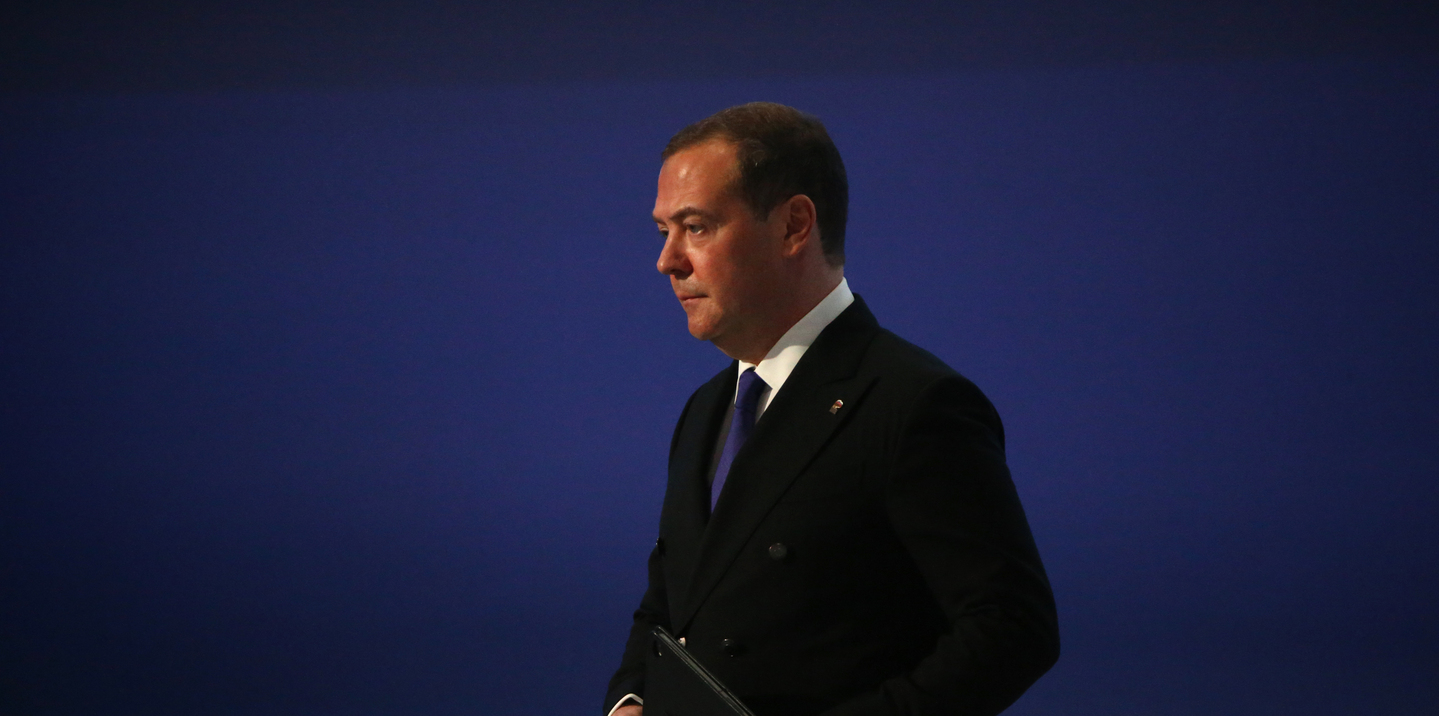
Medvedev’s defeat in the battle for the position of speaker appears to signal that the long process of his marginalization in Russian politics has passed the point of no return.

Andrey Pertsev
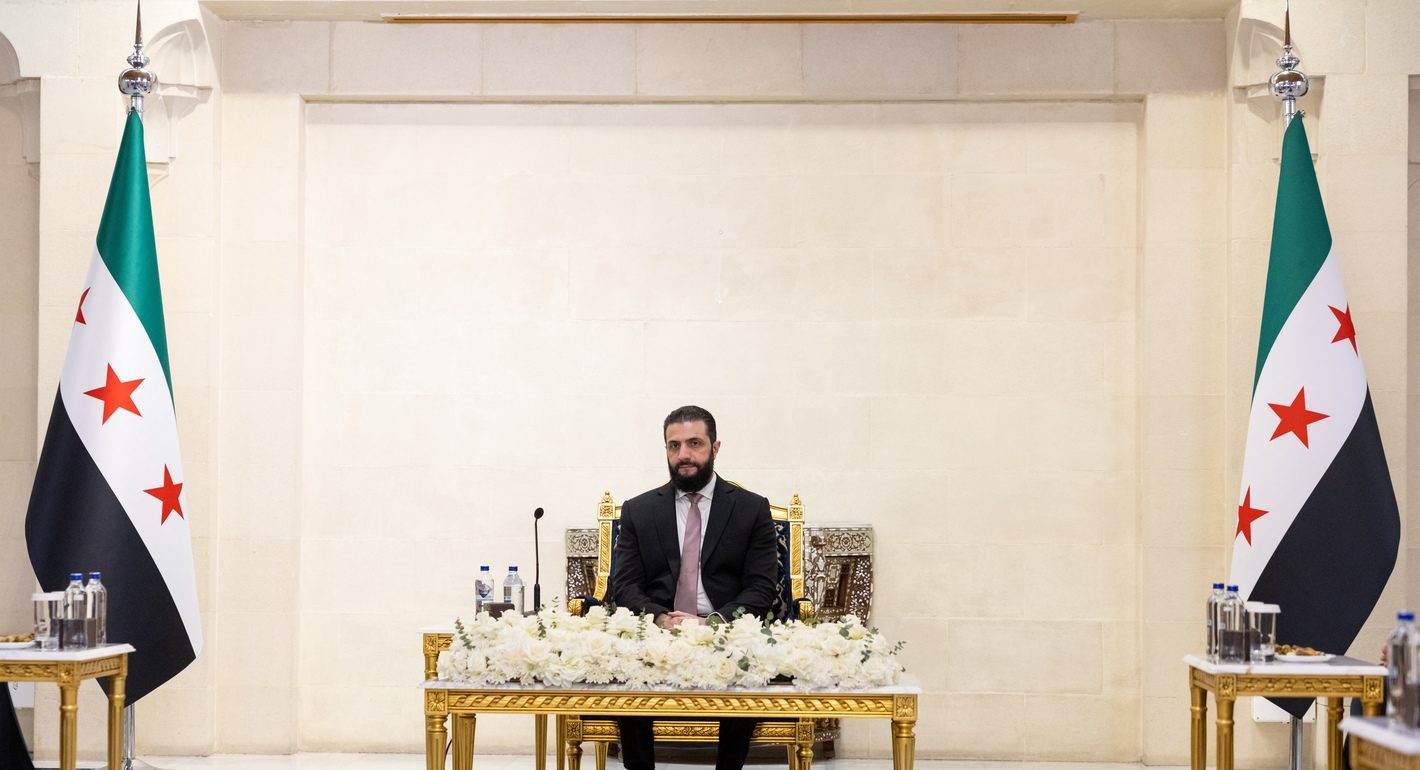
Syria's transition promised a fresh start. But are old habits of power making a comeback? This analysis looks at the warning signs and what it will take to build a more accountable state.
Sima Beitinjaneh
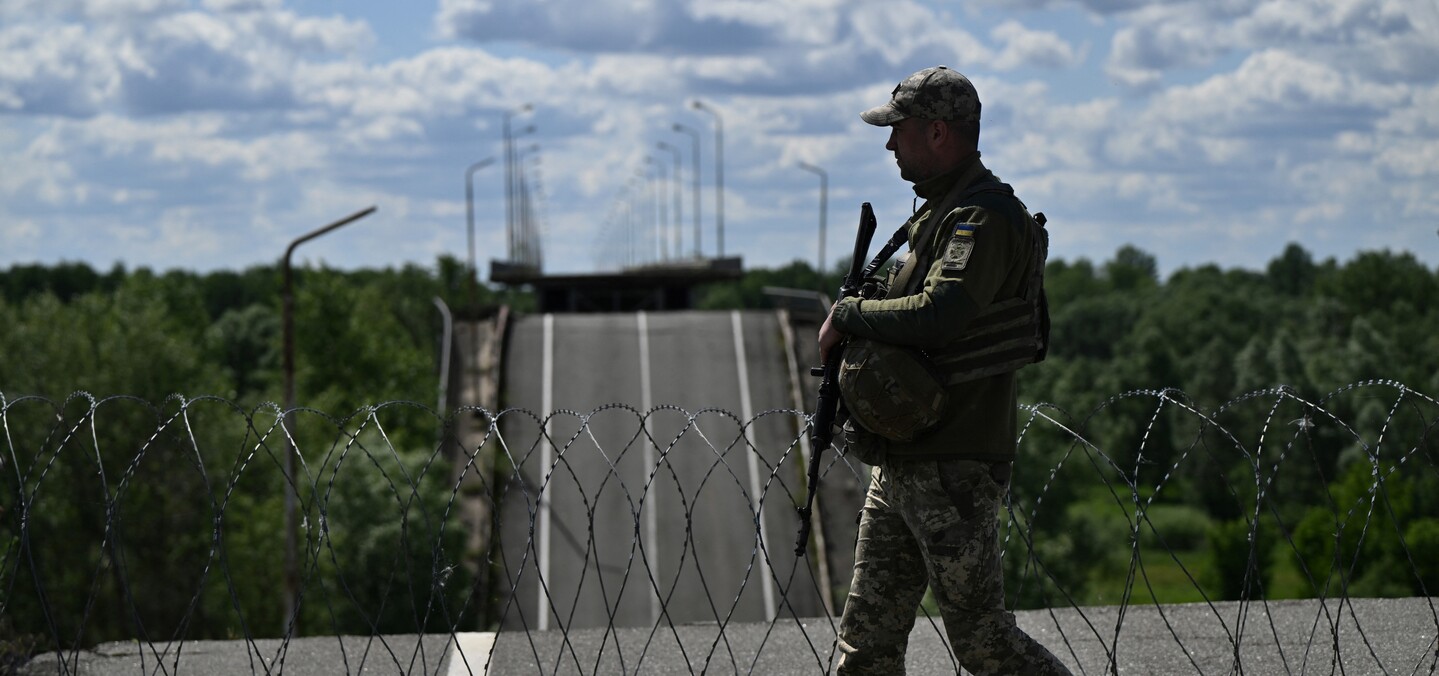
The recent damage inflicted by Ukrainian drones and missiles on Russia has made Belarus aware of its own vulnerabilities—and surprisingly amenable to Kyiv’s demands.

Artyom Shraibman

After the chill in ties between 2020 and 2024 that brought India–China relations to their lowest point in several decades, the two countries have engaged each other afresh. This paper argues that there are predominantly four imperatives guiding India’s approach to China, and they exist in an order of priority.

Saheb Singh Chadha
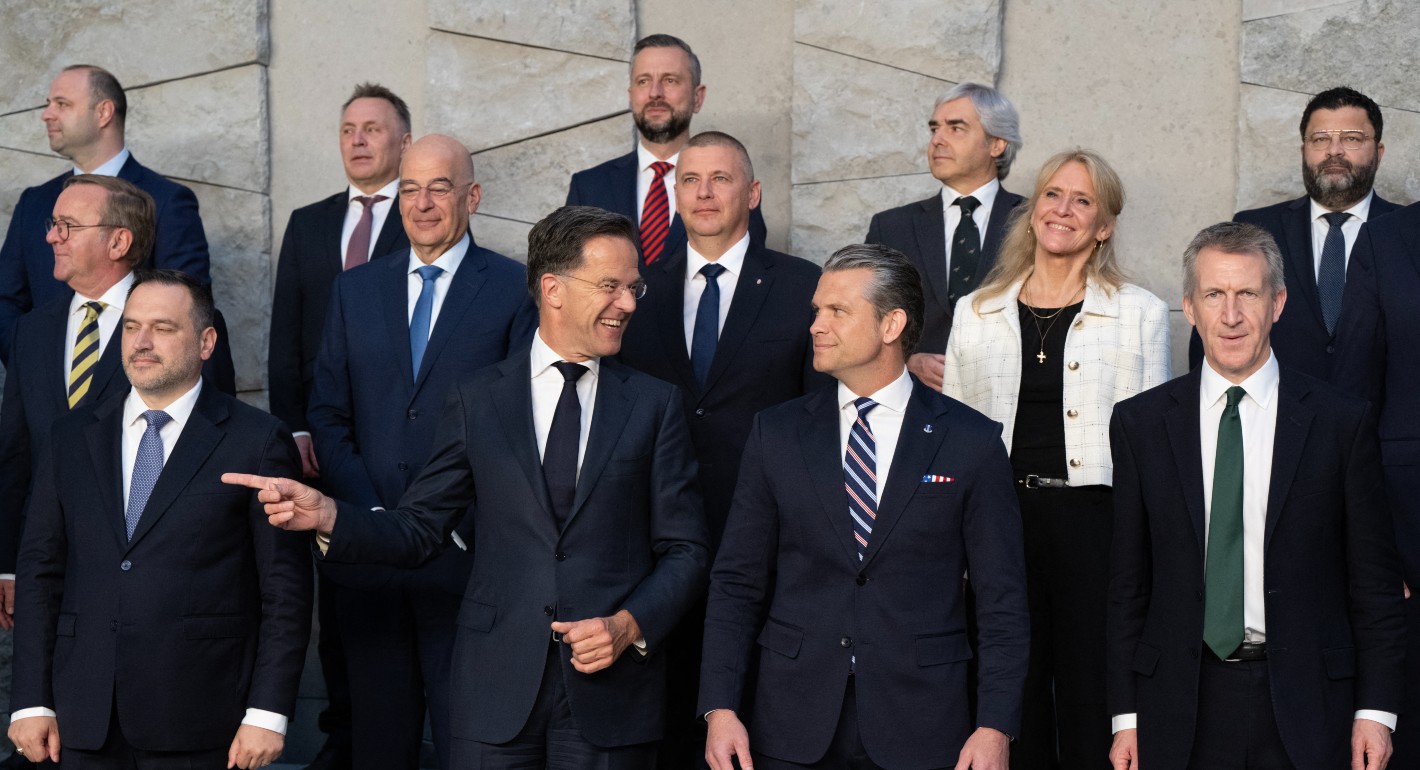
European allies are less focused on appeasing Trump and more focused on smoothing the transition to a Europe-led alliance.


Sophia Besch, Alper Coşkun, Nate Reynolds, …