

Commentary
- +1
Paul Haenle, Xue Gong, Ngeow Chow Bing, …
{
  "authors": [
    "Paul Haenle"
  ],
  "type": "legacyinthemedia",
  "centerAffiliationAll": "",
  "centers": [
    "Carnegie Endowment for International Peace",
    "Carnegie China"
  ],
  "collections": [
    "China and the Developing World",
    "U.S.-China Relations",
    "China’s Foreign Relations"
  ],
  "englishNewsletterAll": "",
  "nonEnglishNewsletterAll": "",
  "primaryCenter": "Carnegie China",
  "programAffiliation": "",
  "programs": [],
  "projects": [],
  "regions": [
    "North America",
    "United States",
    "East Asia",
    "China",
    "Japan"
  ],
  "topics": [
    "Arms Control",
    "Security",
    "Foreign Policy"
  ]
}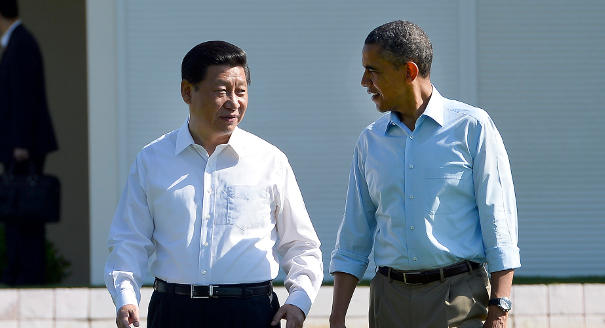
Source: Getty
As a rising power, China has a central role to play in resolving critical global challenges.
Source: Phoenix TV
As a rising power, China has a central role to play in resolving critical global challenges. During an interview with Phoenix Television, Carnegie–Tsinghua’s Paul Haenle shared his perspective on how the U.S.-China bilateral relationship is instrumental to resolving points of tension in the Asia-Pacific. He emphasized that China and the United States both have economic and security interests in Asia and have a stake in the region’s growth and prosperity.
Chinese President Xi Jinping’s more active foreign policy, coupled with China’s continued economic growth, has contributed to China’s increase in global influence, Haenle said. He made the case that if China wants to be recognized as a global power, it should lend its own ideas to solve global challenges. In particular, he mentioned the ongoing issues with North Korea’s nuclear program and security interests in Afghanistan as common ground for the United States and China to start engaging in Xi's concept of a new type of great-power relations. Elaborating further on security interests in the Asia-Pacific, Haenle explained that China and Japan must maintain open lines of communication on multiple levels in order to avoid a military clash in the South China Sea.

Former Maurice R. Greenberg Director’s Chair, Carnegie China
Paul Haenle held the Maurice R. Greenberg Director’s Chair at the Carnegie Endowment for International Peace and is a visiting senior research fellow at the East Asian Institute, National University of Singapore. He served as the White House China director on the National Security Council staffs of former presidents George W. Bush and Barack Obama.
Recent Work


Paul Haenle, Xue Gong, Ngeow Chow Bing, …

Paul Haenle, Chong Ja Ian
Carnegie does not take institutional positions on public policy issues; the views represented herein are those of the author(s) and do not necessarily reflect the views of Carnegie, its staff, or its trustees.

It should address the shortcomings of previous crisis communication efforts and adapt to the demands of frontier AI.

Lucy Luo
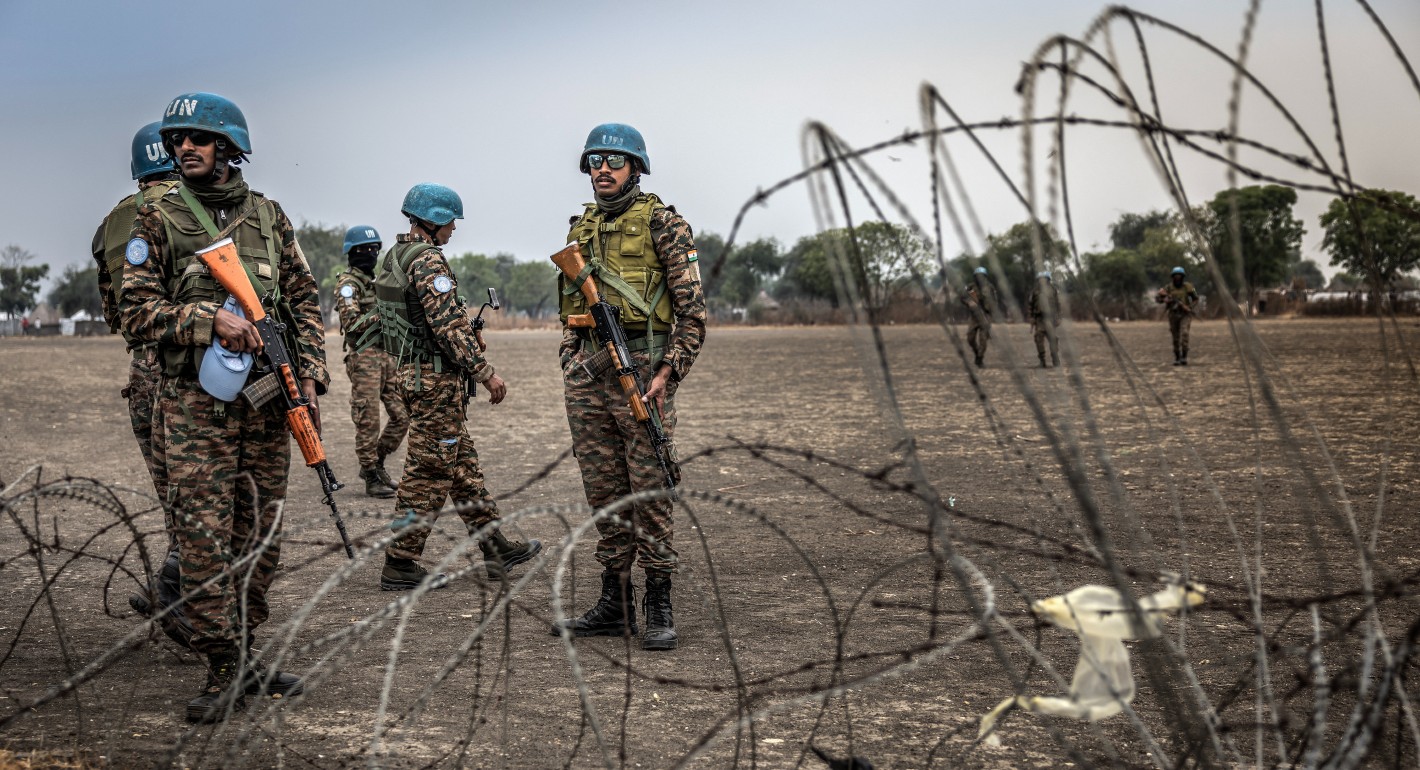
Washington’s decision to support some UN functions while letting others wither is pulling the organization apart at the seams.

Stewart Patrick, Theodore Zaritsky

While there are notable demographic, economic, and geographic divides over AI, there is also substantial alignment between Republicans and Democrats.

Ian Klaus, Mark Baldassare, Rachel George, …

Are Germany’s economic, industrial, and political struggles becoming a liability for the EU’s ability to rise to the geopolitical moment?

Rym Momtaz, ed.

China’s police training infrastructure construction projects provide benefits to recipient countries, promote China’s image as a major global security provider, and are likely to reinforce alignment between Beijing’s security priorities and those of countries in the Global South.


Cameron Waltz, Sheena Chestnut Greitens, Kim Nguyen, …