

In The Media
John Judis
{
  "authors": [
    "John Judis"
  ],
  "type": "legacyinthemedia",
  "centerAffiliationAll": "",
  "centers": [
    "Carnegie Endowment for International Peace",
    "Malcolm H. Kerr Carnegie Middle East Center"
  ],
  "collections": [],
  "englishNewsletterAll": "",
  "nonEnglishNewsletterAll": "",
  "primaryCenter": "Carnegie Endowment for International Peace",
  "programAffiliation": "",
  "programs": [],
  "projects": [],
  "regions": [
    "North America",
    "United States",
    "Middle East",
    "Iraq",
    "Gulf"
  ],
  "topics": [
    "Political Reform",
    "Security",
    "Military",
    "Foreign Policy"
  ]
}
Source: Getty
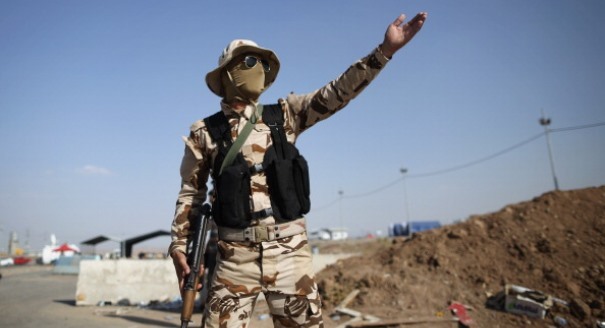
Obama should not try to portray American intervention in Iraq as purely humanitarian, but rather forthrightly express his concern over the global oil supply.
Source: New Republic
Last night, President Barack Obama announced that he was authorizing American airtstrikes in Iraq. He described his intervention as a “humanitarian effort to help save thousands of Iraqi civilians who are trapped on a mountain” and as an effort “to protect our American personnel.” One word that he didn’t mention is “oil,” but it lies near the center of American motives for intervention.
The United States is conducting airdrops to aid the Yazidis who have fled the advance of Islamic State militants, but it is conducting airstrikes around Erbil, which is to the east. There are American consular personnel in Erbil, but they could be evacuated if necessary. What Obama left unsaid was that Erbil, a city of 1.5 million, is the capital of the Kurdish regional government and the administrative center of its oil industry, which accounts for about a quarter of Iraq’s oil. The Kurds claim that if they were to become an independent state, they would have the ninth-largest oil reserves in the world. And oil wells are near Erbil.If the Islamic State were to take over Erbil, they would endanger Iraq’s oil production and, by extension, global access to oil. Prices would surge at a time when Europe, which buys oil from Iraq, has still not escaped the global recession. Oil prices have already risen in response to the Islamic State’s threat to Erbil, and on Thursday, American oil companies Chevron and Exxon Mobile began evacuating their personnel from Kurdistan. But oil traders are predicting that American intervention could halt the rise. “In essence we find U.S. air strikes more bearish than bullish for oil as the act finally draws a line for IS and reinforces both the stability in south Iraq and in Kurdistan,” Oliver Jakob, a Swiss oil analyst, told Reuters.
In portraying American intervention in Iraq as a purely humanitarian effort, Obama is following the script he read from in Libya, when he justified American intervention as an effort to prevent a massacre in Benghazi. In a March 28, 2011 address to the nation, Obama painted the American intervention as a response to “brutal repression and a looming humanitarian crisis.” Oil was not mentioned, even though Libya was the world’s sixteenth-largest oil producer in 2009 and a major supplier to Europe. But oil was most likely involved, as became clear when, after preventing a massacre in Benghazi, the United States and its coalition partners stuck around to topple the regime of Muammar Qaddafi. If the Obama administration wanted to prevent the world’s peoples from brutal dictators and repressive regimes or from takeovers by terrorist groups, there are other countries besides Libya and Iraq where it could intervene. What distinguishes these two countries is that they are major oil producers.
The United States should worry about the global oil supply. It is important for global economic and political stability. And having a significant chunk of it fall into the hands of a group like the Islamic State should certainly be a concern. But if Obama is worried about the world’s oil supply, then he should say so forthrightly and not leave himself in a position where he will be unable to justify or explain further intervention after the airdrops to the Yazidis are completed. And the administration should also have a plan for making sure that in sending out the Air Force, it will actually end a dire threat to Iraq’s oil production and put Iraq back on its feet. In Libya, the U.S. and its partners succeeded in getting rid of Muammar Qaddafi, but not in resolving the country’s humanitarian crisis or in keeping its oil flowing. Oil production has plummeted as Libya has been plunged into anarchy after Qaddafi’s fall. The challenge in Erbil and Iraq is even more daunting.

Former Visiting Scholar
As a visiting scholar at Carnegie, Judis wrote The Folly of Empire: What George W. Bush Could Learn from Theodore Roosevelt and Woodrow Wilson.
Recent Work
John Judis
John Judis
Carnegie does not take institutional positions on public policy issues; the views represented herein are those of the author(s) and do not necessarily reflect the views of Carnegie, its staff, or its trustees.
One is hopeful. One is realistic. One is cautionary.

Andrew Leber, Sam Worby
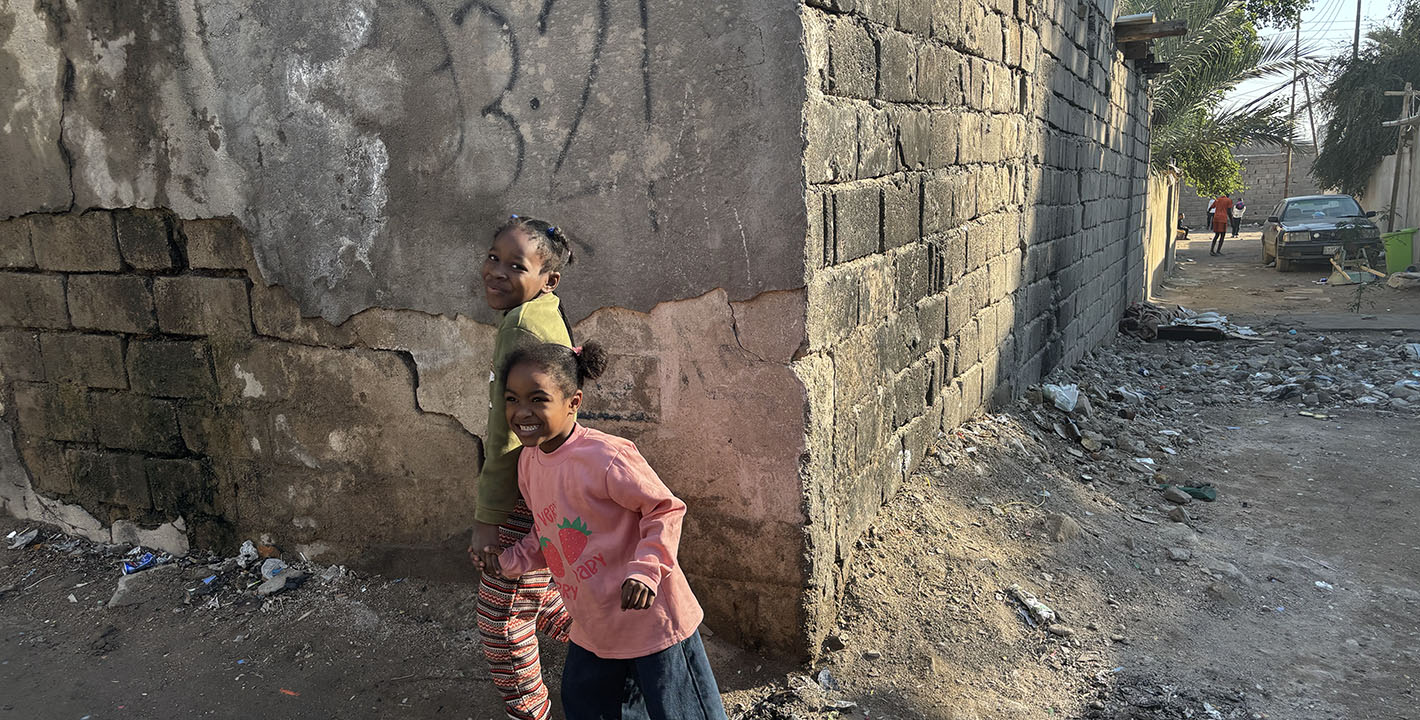
Afro-Iraqis experience political, economic, and social marginalization and discrimination, which exposes the poorest members of the community to the harsh realities of the region’s climate disaster.

Zeinab Shuker
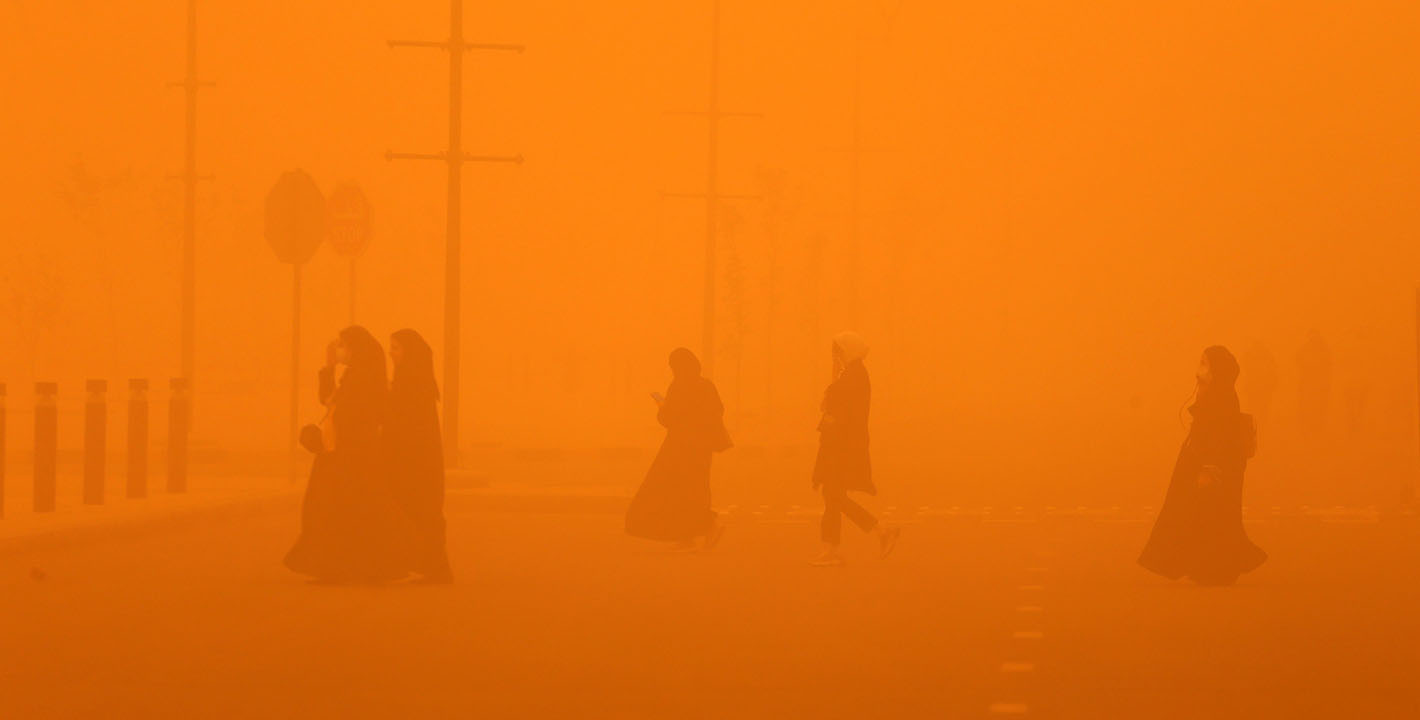
Mitigating the repercussions of climate change in Kuwait is crucial for lessening economic disparities and achieving social justice.
Courtney Freer
In Ukraine, Gaza, and Iran, AI warfare has come to dominate, with barely any oversight or accountability. Europe must lead the charge on the responsible use of new military technologies.

Raluca Csernatoni
Cairo’s efforts send a message to the United States and the region that it still has a place at the diplomatic table.

Angie Omar