

Article
Despite myriad challenges and occasional stumbles, the new Hungarian government is moving ahead with energy and conviction to uproot years of illiberalism and corruption and rebuild Hungarian democracy.
Thomas Carothers
{
  "authors": [
    "Yusuf Ahmad",
    "Alyssa Dougherty",
    "Rachel Kleinfeld",
    "Alejandro Ponce"
  ],
  "type": "other",
  "centerAffiliationAll": "dc",
  "centers": [
    "Carnegie Endowment for International Peace"
  ],
  "collections": [],
  "englishNewsletterAll": "democracy",
  "nonEnglishNewsletterAll": "",
  "primaryCenter": "Carnegie Endowment for International Peace",
  "programAffiliation": "DCG",
  "programs": [
    "Democracy, Conflict, and Governance"
  ],
  "projects": [],
  "regions": [],
  "topics": [
    "Democracy"
  ]
}
Source: Getty
This literature review seeks to highlight specific policy interventions against risk factors that predispose comm- unities towards gangs, organized crime, and electoral violence; and interventions that attack each of those types of violence directly.
Source: World Justice Project and Carnegie Endowment for International Peace
This literature review seeks to highlight specific policy interventions against risk factors that predispose communities towards gangs, organized crime, and electoral violence; and interventions that attack each of those types of violence directly. This is by no means a comprehensive report, given the extensive scholarship that has been dedicated to these three issues. It is, however, a starting point from which we can begin to explore the success or failure of policy interventions, and the contexts in which they have been found to work or fail. We hope to add to this review before and following the workshop, with the help of workshop participants.
Yusuf Ahmad
Former Junior Fellow, Democracy Program
Alyssa Dougherty

Senior Fellow, Democracy, Conflict, and Governance Program
Rachel Kleinfeld is a senior fellow in Carnegie’s Democracy, Conflict, and Governance Program, where she focuses on issues of rule of law, security, and governance in democracies experiencing polarization, violence, and other governance problems.
Alejandro Ponce
Alejandro Ponce is the Chief Research Officer of the World Justice Project. He joined the WJP as Senior Economist and is one of the original designers and a lead author of the WJP Rule of Law Index. He previously worked as a researcher at Yale University and an economist at the World Bank.
Carnegie does not take institutional positions on public policy issues; the views represented herein are those of the author(s) and do not necessarily reflect the views of Carnegie, its staff, or its trustees.
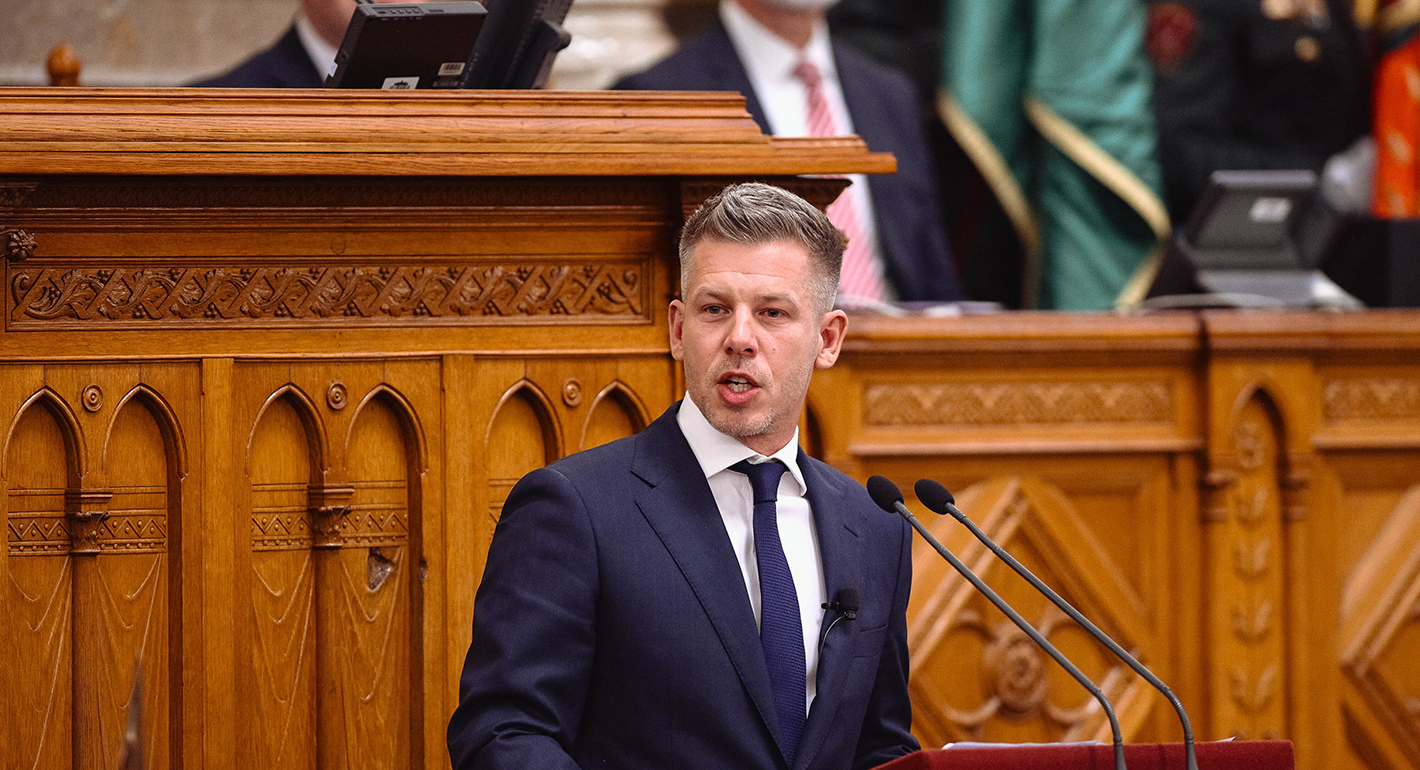
Despite myriad challenges and occasional stumbles, the new Hungarian government is moving ahead with energy and conviction to uproot years of illiberalism and corruption and rebuild Hungarian democracy.

Thomas Carothers

Radical-right parties are expected to do well in upcoming elections in four of the EU's biggest member states. If successful, they could prevent the union from addressing key challenges ahead.

Stefan Lehne

By abandoning past U.S. pro-democracy policies and adopting several lines of pro-autocratic action, the Trump administration has fundamentally repositioned the United States vis-à-vis democracy in the world.
Thomas Carothers

To remain effective, organizations need to master new media and legitimacy markers to make a once-in-a-century shift.

Renée DiResta, Rachel Kleinfeld, Margot Treadwell

An overwhelming victory by a far-right-wing party in a small state in eastern Germany will have major repercussions for Chancellor Friedrich Merz’s coalition.

Judy Dempsey