

Commentary
The Islamic Republic’s words and actions suggest that it has changed its approach to both diplomacy and war.
Mohammad Ayatollahi Tabaar
{
  "authors": [],
  "type": "pressRelease",
  "centerAffiliationAll": "",
  "centers": [
    "Carnegie Endowment for International Peace",
    "Malcolm H. Kerr Carnegie Middle East Center",
    "Carnegie Russia Eurasia Center",
    "Carnegie China"
  ],
  "collections": [],
  "englishNewsletterAll": "",
  "nonEnglishNewsletterAll": "",
  "primaryCenter": "Carnegie Endowment for International Peace",
  "programAffiliation": "",
  "programs": [],
  "projects": [],
  "regions": [],
  "topics": [
    "Foreign Policy"
  ]
}
REQUIRED IMAGE
Ambassador William J. Burns, U.S. deputy secretary of state, will be Carnegie’s ninth president in its 105-year history. Jessica T. Mathews will step down after 18 years in the post.
The Carnegie Endowment for International Peace announced today that the Honorable William J. Burns, U.S. deputy secretary of state, will become its next president on February 4, 2015. Ambassador Burns will be Carnegie’s ninth president in its 105-year history.
Jessica Tuchman Mathews will step down as president at that time, after 18 years in the post.
Burns has served as deputy secretary of state since 2011 and is only the second serving career diplomat to hold the title. He holds the rank of career ambassador, the highest in the U.S. Foreign Service. Among other posts during his 33-year diplomatic career, he served as U.S. ambassador to Jordan from 1998 to 2001, assistant secretary of state for Near Eastern affairs from 2001 to 2005, ambassador to Russia from 2005 to 2008, and undersecretary for political affairs from 2008 to 2011. Burns holds a master’s degree and a doctorate from Oxford University, where he studied as a Marshall Scholar. He speaks Arabic, Russian, and French.
Last year, Burns led back-channel talks with Iran, which ended 35 years without sustained diplomatic contact and helped produce an initial nuclear agreement.
U.S. Secretary of State John Kerry said about him earlier this year, “Bill is a statesman cut from the same cloth, caliber, and contribution as George Kennan and Chip Bohlen, and he has more than earned his place on a very short list of American diplomatic legends.”
In announcing her retirement, Mathews said, “There is no one, anywhere, better suited than Bill Burns to take on the leadership of Carnegie. He has an unparalleled grasp of international affairs and respect from across the political spectrum in the United States and around the world. His scope is global, and his instincts are nonpartisan. He is a scholar, a hugely successful policymaker, and a proven leader. I am thrilled for Carnegie.”
Commenting on his new appointment, Burns said, “I am delighted to be coming to Carnegie and honored to follow in the footsteps of Jessica Mathews. Since announcing my retirement from the State Department in April, I have thought long and hard about what I wanted to do next. And I believe that Carnegie, with its five centers around the world and superb staff and scholars, offers an extraordinary opportunity to be able to continue to play an important and constructive role in global affairs from outside government service.”
Harvey V. Fineberg, chairman of Carnegie’s Board of Trustees, said, “We are all very enthusiastic about the prospect of Bill’s leadership at Carnegie. Jessica has left a tremendous mark in her 18 years at the helm. She has taken the institution from a small American think tank to a pioneering and award-winning global institution. Her success provides the perfect platform for Bill Burns to propel the institution to new levels of accomplishment and impact.”
After the transition on February 4, 2015, Mathews will continue at Carnegie as a distinguished fellow, devoting her time to writing.
The Carnegie Endowment for International Peace is a unique global network of policy research centers in Russia, China, Europe, the Middle East, and the United States. Our mission, dating back more than a century, is to advance the cause of peace through analysis and development of fresh policy ideas and direct engagement and collaboration with decisionmakers in government, business, and civil society. Working together, our centers bring the inestimable benefit of multiple national viewpoints to bilateral, regional, and global issues.
The University of Pennsylvania’s latest worldwide think tank rankings placed Carnegie #1 for most innovative policy ideas out of 6,800 institutions worldwide. The Carnegie Moscow Center and Middle East Center in Beirut have both topped their region’s rankings for many years. Several of Carnegie’s previous presidents have held top positions in government, including its first president, Elihu Root, who served as a senator from New York as well as secretary of war and later secretary of state under Theodore Roosevelt. Both Elihu Root and Carnegie’s second president, Nicholas Murray Butler, were awarded the Nobel Peace Prize.
Carnegie does not take institutional positions on public policy issues; the views represented herein are those of the author(s) and do not necessarily reflect the views of Carnegie, its staff, or its trustees.
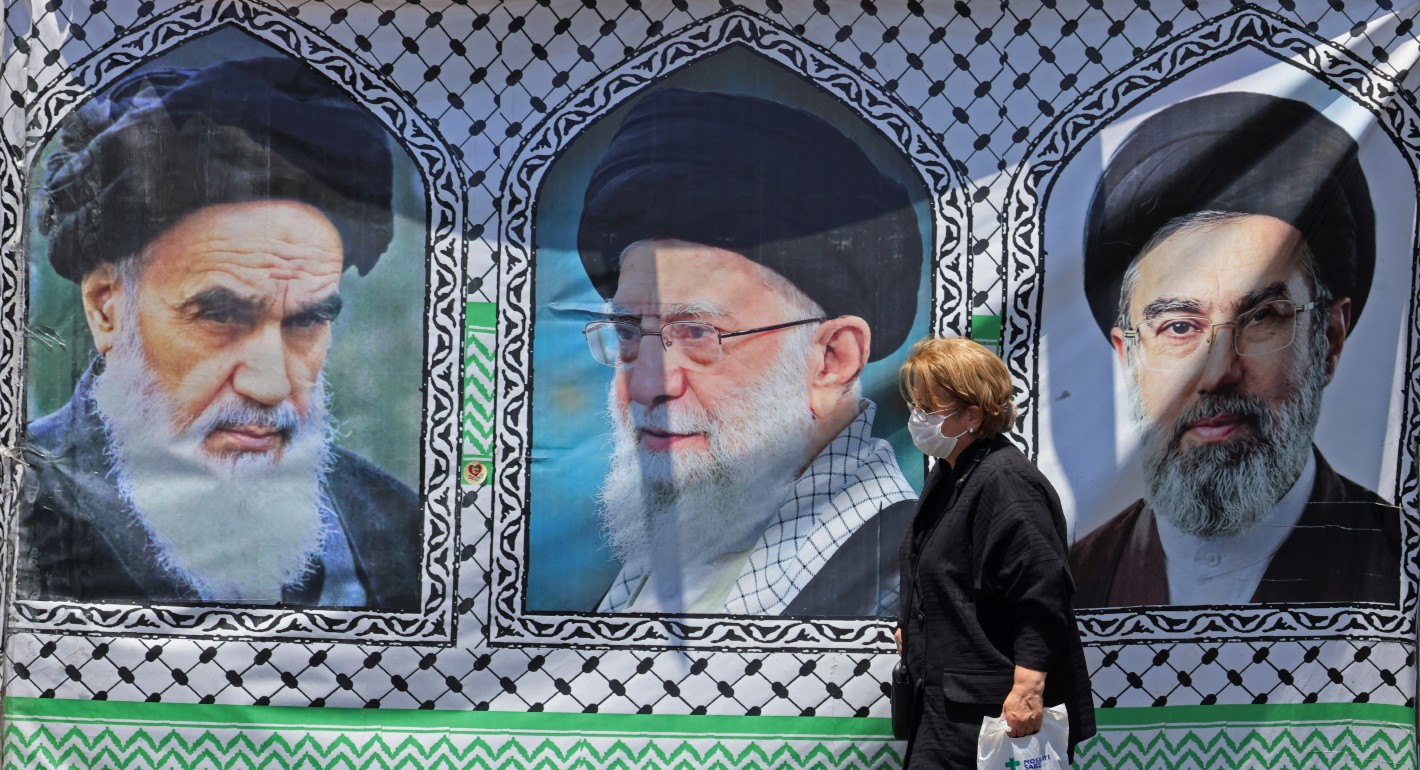
The Islamic Republic’s words and actions suggest that it has changed its approach to both diplomacy and war.
Mohammad Ayatollahi Tabaar

The EU’s new migration policy is not suited to today’s realities. With climate change increasingly becoming a driver of displacement, Europe needs to rethink its deterrence-focused approach.

Shana Tabak
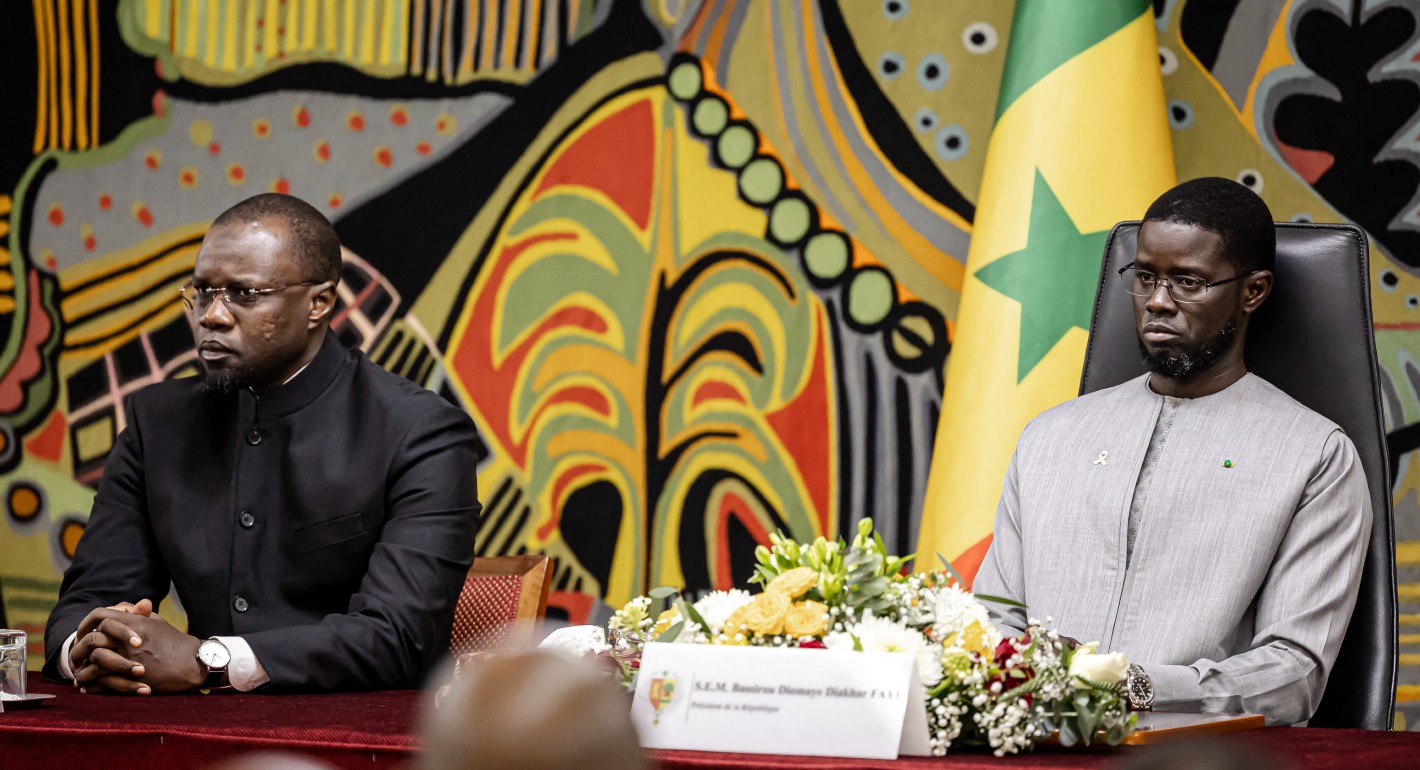
The impacts of the Faye-Sonko rupture could go well beyond the country’s borders.

Lesley Anne Warner
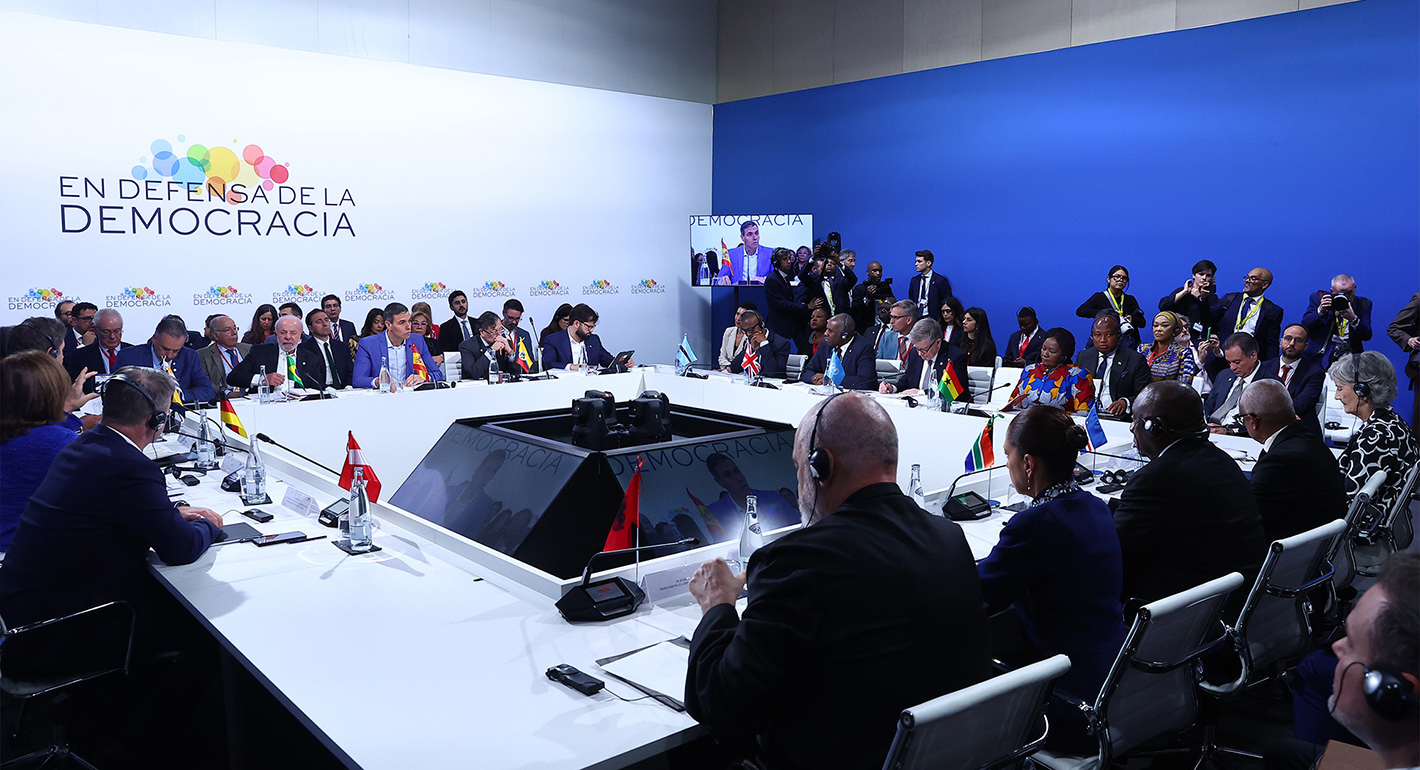
The reinvention of democracy support needs to be carried forward without the clear leadership of one dominant player.


Richard Youngs, Thomas Carothers
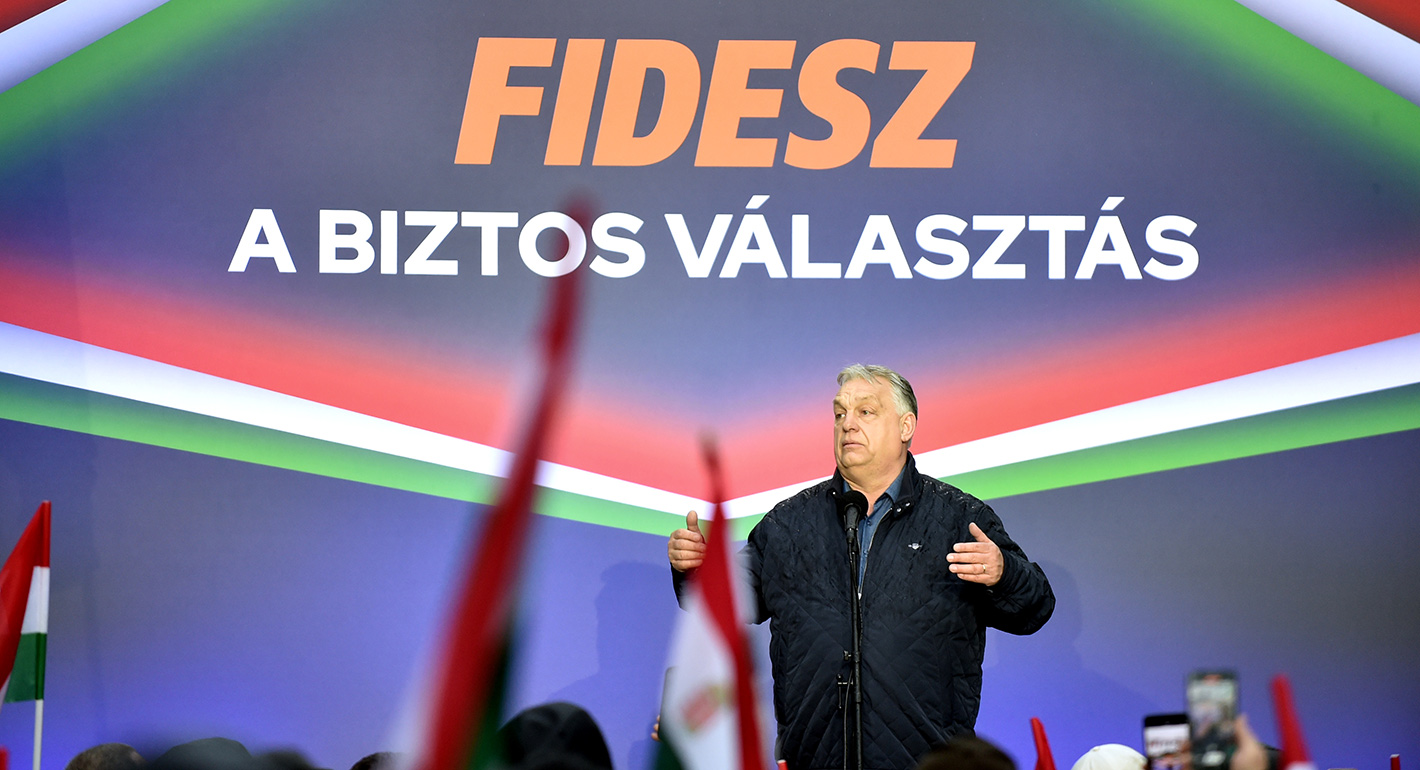
Hungary under Viktor Orbán deployed right-wing populism as a foreign policy strategy, embedding the country in a web of illiberal transnational networks whose legacy will endure even after his April 2026 electoral defeat.
Zsuzsanna Végh