

Commentary
Alexander Gabuev, Temur Umarov
{
  "authors": [
    "Alexander Gabuev"
  ],
  "type": "commentary",
  "centerAffiliationAll": "",
  "centers": [
    "Carnegie Endowment for International Peace",
    "Carnegie Russia Eurasia Center"
  ],
  "collections": [],
  "englishNewsletterAll": "",
  "nonEnglishNewsletterAll": "",
  "primaryCenter": "Carnegie Endowment for International Peace",
  "programAffiliation": "",
  "programs": [],
  "projects": [],
  "regions": [
    "East Asia",
    "China",
    "Russia"
  ],
  "topics": [
    "Economy",
    "Trade",
    "Foreign Policy",
    "Global Governance"
  ]
}
Source: Getty
The story with the Asian Infrastructure Investment Bank, which ended to the benefit of Russian national interests, nevertheless exposes the weakness of the Russian decisionmaking process in relation to the Asia-Pacific.
Last week in his speech at the Boao Forum, Russia’s First Deputy Prime Minister Igor Shuvalov announced Moscow’s decision to join the Asian Infrastructure Investment Bank (AIIB). “By the decision of our president, Russia will formally join AIIB in July of this year,” he said, addressing the crowd at a China-created replica of Davos in the tropical resort setting of Hainan Island. This was the only point in his speech to be met with applause.
Shuvalov’s announcement came as no surprise considering current global enthusiasm about the AIIB, a Beijing-sponsored alternative to Bretton-Woods institutions like the World Bank and the Asia Development Bank. The list of AIIB’s future members includes Great Britain, Germany, and South Korea—U.S. allies, which decided to seek membership despite strong American opposition. Given the colossal amount of money needed to upgrade Russia’s poor infrastructure and shrinking economy, the country was naturally positioned to seek membership at AIIB back in 2014 when the project was first unveiled by Chinese leadership. So the real question is: why did it take Russia so long to make a decision? The story behind it explains a lot about the drastic state of the decisionmaking process in Moscow in relation to the Asia-Pacific.
The incident went unnoticed by the Kremlin and top-tier government officials. There was simply no mechanism in the Russian bureaucratic machine that could bring the issue to attention at a more senior level wherein the AIIB concept could receive proper treatment. Officials brushed off calls by independent experts and business people to join the AIIB: “We have more important issues to think of.” It wasn’t until Shuvalov, Putin’s favorite troubleshooter for economic problems, started to prepare for his trip to Boao that the issue came up again. Several factors coincided to lead to a review in policy. First, Shuvalov’s desk was filled with memos from different Russian embassies describing Western countries’ struggle to join the AIIB and explaining the benefits that Europeans see in the institution. The second was a recently formed group on the Asia-Pacific under the Shuvalov-led Economic Stability Commission. The group’s chairman, Deputy Minister of Economy Stanislav Voskresenskiy (Shuvalov’s point man for the Asia-Pacific) invited some high-level business people to discuss AIIB and channeled their views to colleagues in the government. Last but not least, the AIIB controversy was widely reported in the Financial Times, the Wall Street Journal, and all major international outlets. Being one of the most international members of Putin’s government, Shuvalov may have come across the AIIB issue in the newspapers or short executive summaries. Some international interlocutors of Shuvalov also raised the topic, particularly Kazakhstan’s Prime Minister, Karim Massimov, who developed a strong expertise on the issue. At the end, the AIIB question finally reached the appropriate, high level and after very quick deliberations the issue was presented to President Vladimir Putin, who swiftly made the decision to join AIIB.
The story, which ended to the benefit of Russian national interests, nevertheless exposes the weakness of the Russian decisionmaking process. The bureaucracy’s flaws, namely a tendency toward ad-hoc decisions, neglect for independent expertise, lack of long-term planning and strategic oversight all go far beyond Asia-Pacific issues and complicate the existence of the Russian government and, as a result, that of Russian businesses and citizens.

Director, Carnegie Russia Eurasia Center
Alexander Gabuev is director of the Carnegie Russia Eurasia Center. Gabuev’s research is focused on Russian foreign policy with particular focus on the impact of the war in Ukraine and the Sino-Russia relationship. Since joining Carnegie in 2015, Gabuev has contributed commentary and analysis to a wide range of publications, including the Financial Times, the New York Times, the Wall Street Journal, and the Economist.
Recent Work

Alexander Gabuev, Temur Umarov
Alexander Gabuev
Carnegie does not take institutional positions on public policy issues; the views represented herein are those of the author(s) and do not necessarily reflect the views of Carnegie, its staff, or its trustees.
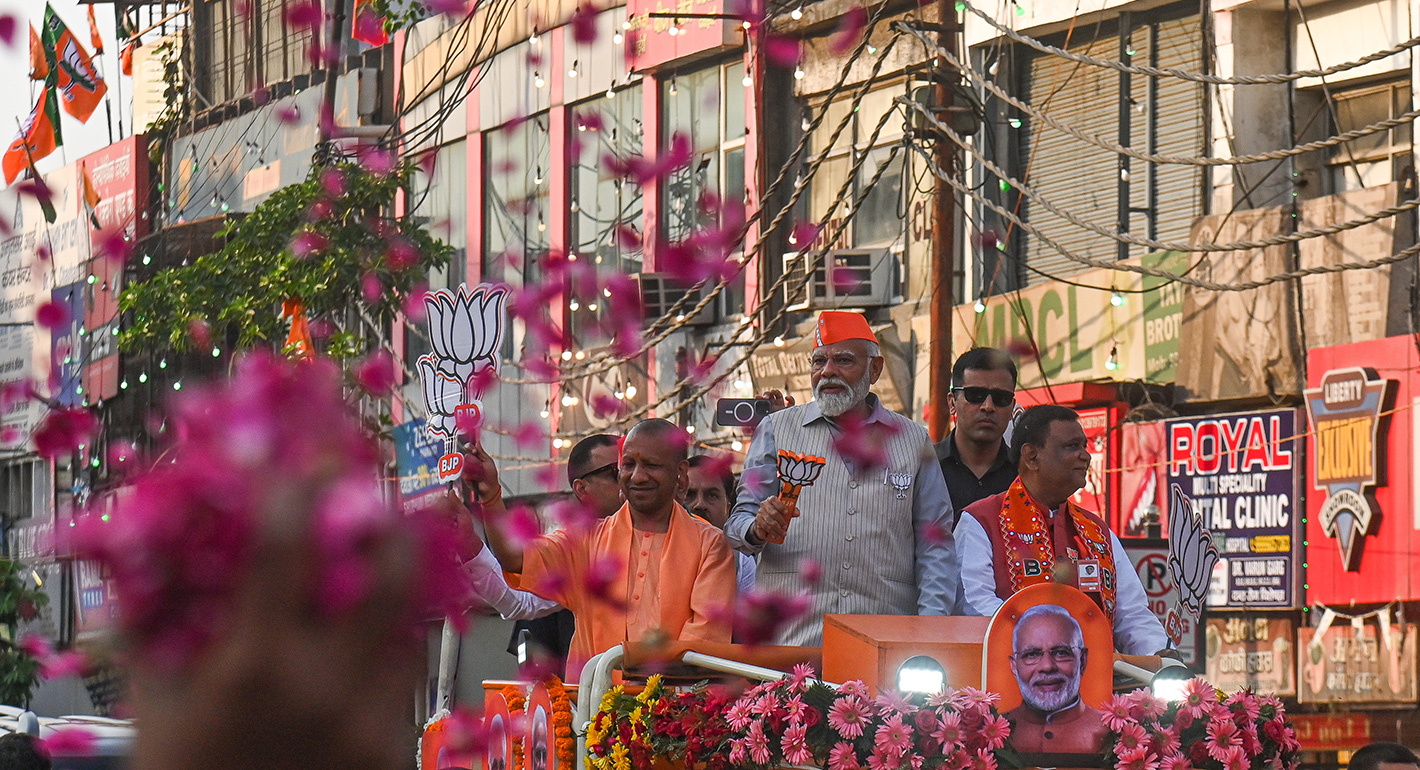
Domestic mobilization, personalized leadership, and nationalism have reshaped India’s global behavior.

Sandra Destradi
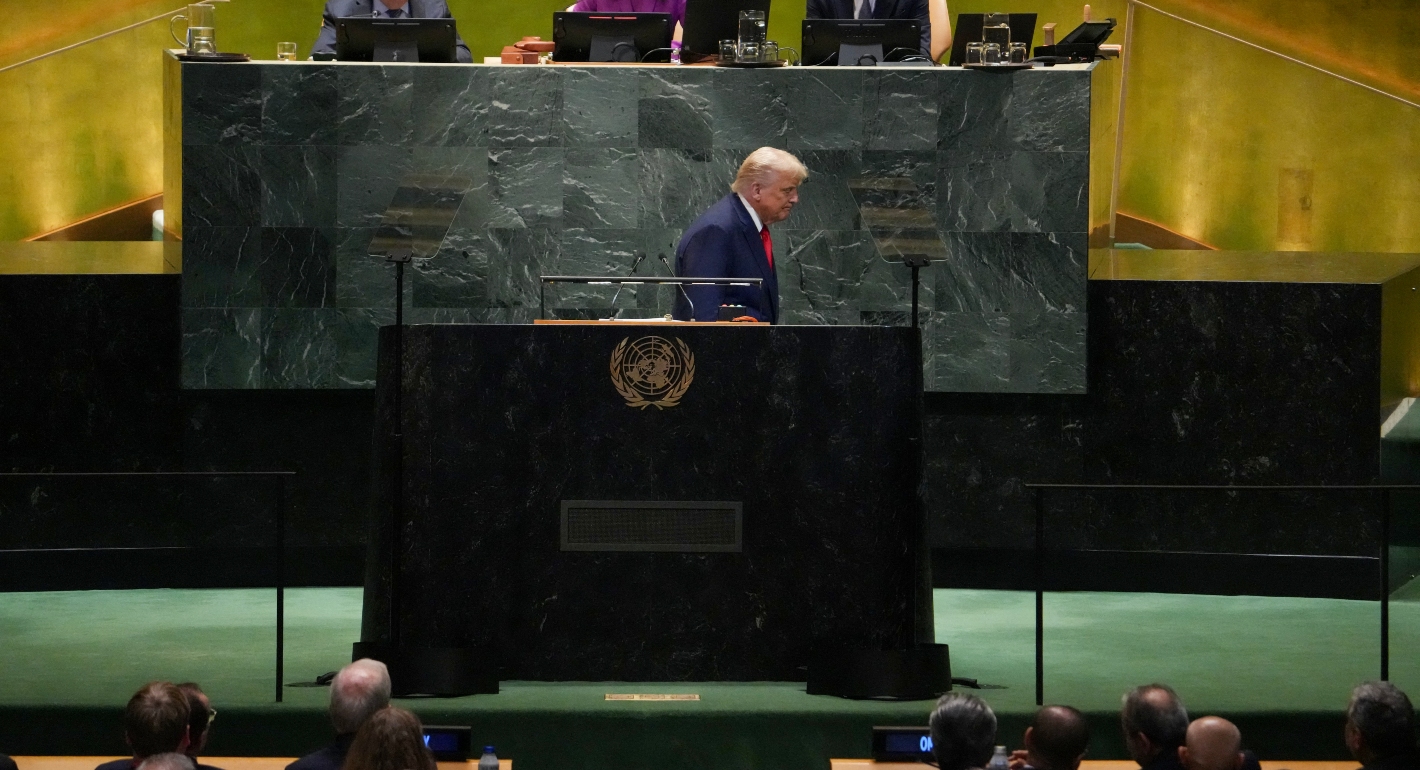
For years, the United States anchored global cyber diplomacy. As Washington rethinks its leadership role, the launch of the UN’s Cyber Global Mechanism may test how allies adjust their engagement.


Patryk Pawlak, Chris Painter

Censorship in China spans the public and private domains and is now enabled by powerful AI systems.
Nathan Law

Most of Moscow’s military resources are tied up in Ukraine, while Beijing’s foreign policy prioritizes economic ties and avoids direct conflict.
Alexander Gabuev, Temur Umarov
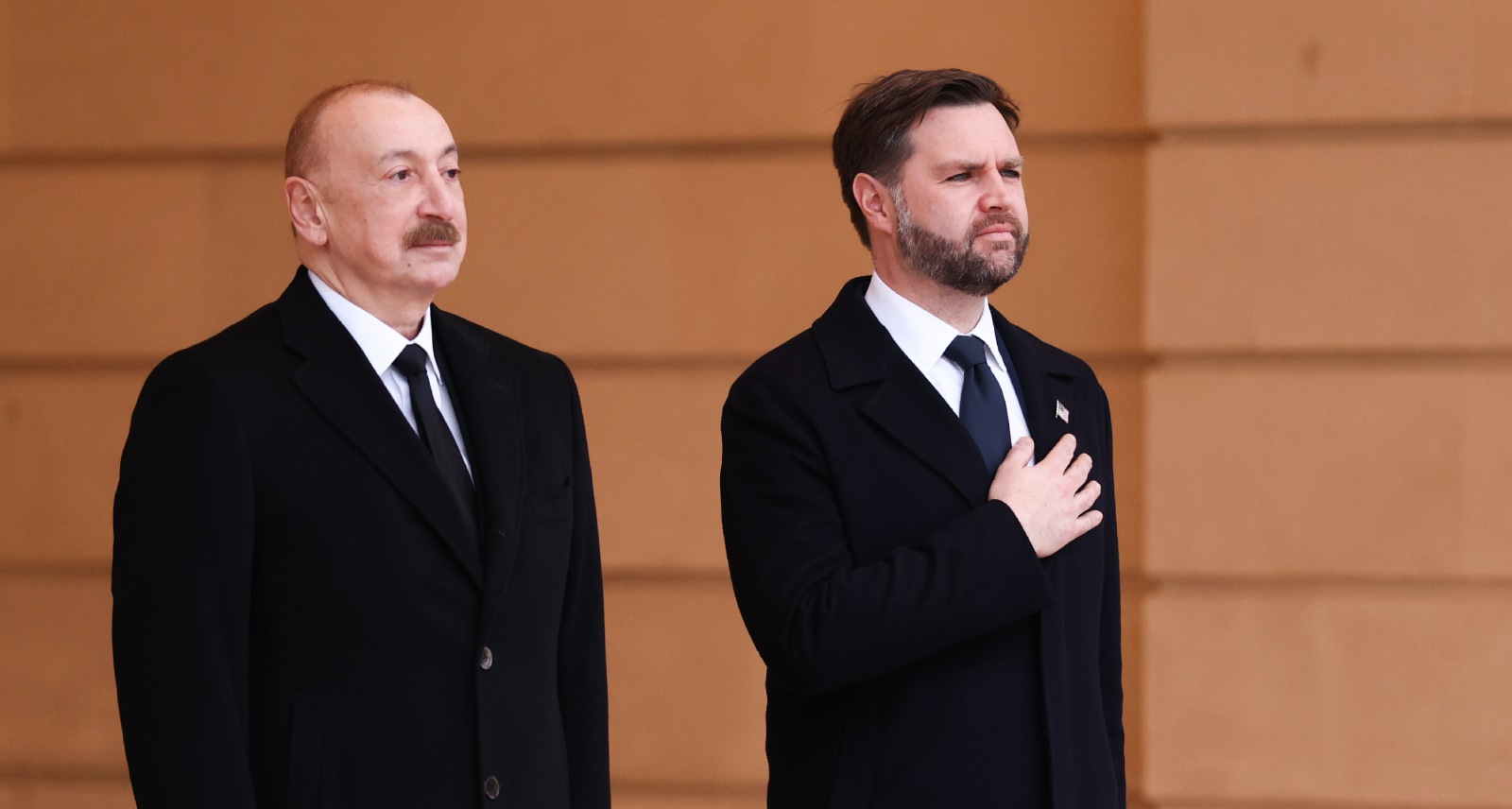
With the White House only interested in economic dealmaking, Georgia finds itself eclipsed by what Armenia and Azerbaijan can offer.

Bashir Kitachaev