

Article
Washington is racing China to the AI frontier but missing a second race: diffusion. For African developers, the choice of model is a practical matter of affordability, access, and agency.
Jane Munga
{
  "authors": [
    "James F. Collins",
    "Michael Sfraga",
    "Ross A. Virginia",
    "Kenneth S. Yalowitz"
  ],
  "type": "other",
  "centerAffiliationAll": "dc",
  "centers": [
    "Carnegie Endowment for International Peace"
  ],
  "collections": [],
  "englishNewsletterAll": "ctw",
  "nonEnglishNewsletterAll": "",
  "primaryCenter": "Carnegie Endowment for International Peace",
  "programAffiliation": "russia",
  "programs": [
    "Russia and Eurasia"
  ],
  "projects": [],
  "regions": [
    "North America",
    "United States",
    "Russia"
  ],
  "topics": [
    "Climate Change",
    "Security"
  ]
}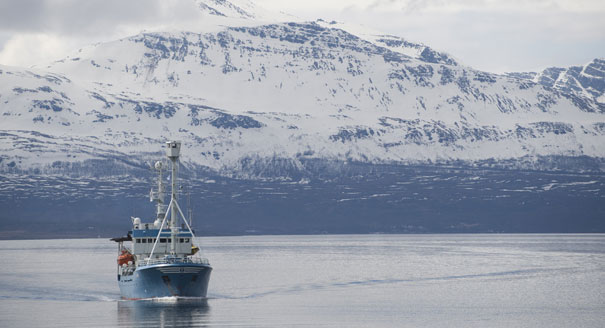
Source: Getty
The Arctic must and can, with adequate political will, remain an area for peaceful cooperation, scientific research, and sustainable development.
Source: Recommendations from the February 2015 Meeting at the Carnegie Endowment for International Peace
A group of 45 international experts, government officials and representatives of leading NGO’s met in Washington, DC, on February 23, 2015, and unanimously concluded that the Arctic must and can, with adequate political will, remain an area for peaceful cooperation, scientific research and sustainable development. And to the extent possible, it should be kept apart from the current complex geo-political environment. This vision is already challenged by events in the region and outside. Russia’s increased military presence raises the specter of a more militarized Arctic, and US energy sanctions on Russian oil and gas projects in response to Russian involvement in the war in Ukraine have raised questions about the Arctic’s economic development. But, climate change, environmental dangers, the prospect of increased Arctic Ocean shipping, the development of the rich energy and natural resource base of the Arctic, and the need for improved maritime infrastructure and shipping safety all necessitate continued cooperation.
All participants agreed that the Arctic Council and the UN Convention on the Law of the Sea (UNCLOS) continue to be the primary mechanisms to ensure this outcome. Therefore, a principal task of the US Arctic Council chairmanship, beginning in April 2015, is to guide consensus toward cooperation, engagement and transparency in the Arctic and channel the dynamism of rapid change in the Arctic into timely and effective work by the Arctic Council on its own agenda and Arctic issues that need to be taken up with other international bodies.
The US Chairmanship program for the Arctic Council sets priorities in these areas: Arctic Ocean safety, security and stewardship; improving economic and living conditions; and addressing the impacts of climate change. A consensus of meeting participants supported the US Chairmanship goals and objectives and the need to address climate change challenges resulting from loss of sea ice, sea level rise, and thawing permafrost. Equally important was a consideration of actions to limit black carbon pollution and improve air quality in the Arctic, continue research and programs to ensure the health of the Arctic Ocean ecosystem as energy development increases, and implement the Polar Code and other measures to improve the safety of Arctic navigation.
The February 23, 2015, meeting followed a preparatory session held on October 16, 2014, which was also convened by the Carnegie Endowment for International Peace, Dartmouth, the University of Alaska Fairbanks and the University of the Arctic, at which policy recommendations for the US Chairmanship were initially discussed. The purpose of the February meeting was to choose and prioritize recommendations. Several of the October proposals have already been incorporated by US planners into the US agenda for the chairmanship and are not repeated below. The following additional recommendations were made by the group in the four categories of issues discussed.
Arctic Council Initiatives to Sustain Arctic Cooperation is a contribution to the UArctic Institute of Arctic Policy. IAP is a collaboration between Dartmouth College and the University of Alaska Fairbanks that promotes discussion and analysis of critical issues facing the circumpolar north and its peoples. Meetings bring together representatives of governments, the academy, non-governmental organizations and indigenous peoples to discuss critical issues and to identify and prioritize policy related requirements and help develop governmental agendas. The Carnegie Endowment for International Peace has been a critical partner in developing a series of meetings addressing a range of Arctic security issues.
Nonresident Senior Fellow, Russia and Eurasia Program; Diplomat in Residence
Ambassador Collins was the U.S. ambassador to the Russian Federation from 1997 to 2001 and is an expert on the former Soviet Union, its successor states, and the Middle East.
Michael Sfraga
Sfraga currently serves as vice chancellor for university and student advancement and is professor of arctic policy in the School of Natural Resources and Extension.
Ross A. Virginia
Dartmouth College
Kenneth S. Yalowitz
Dartmouth College
Carnegie does not take institutional positions on public policy issues; the views represented herein are those of the author(s) and do not necessarily reflect the views of Carnegie, its staff, or its trustees.

Washington is racing China to the AI frontier but missing a second race: diffusion. For African developers, the choice of model is a practical matter of affordability, access, and agency.
Jane Munga
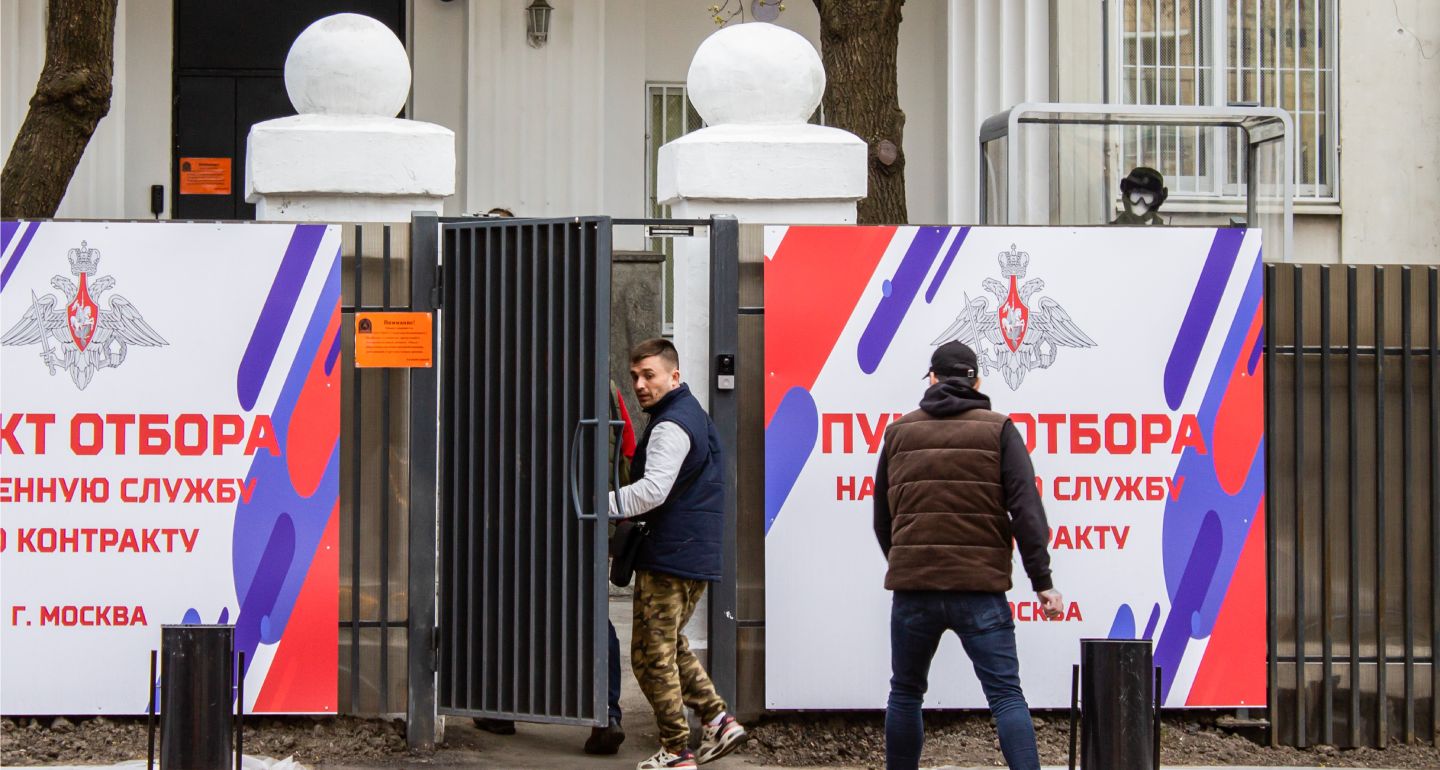
Faith in the Russian state and the war it has launched is crumbling—not due to a political epiphany or sympathy for Ukraine, but because the state is failing to keep even its most basic promises.

Alexandra Arkhipova
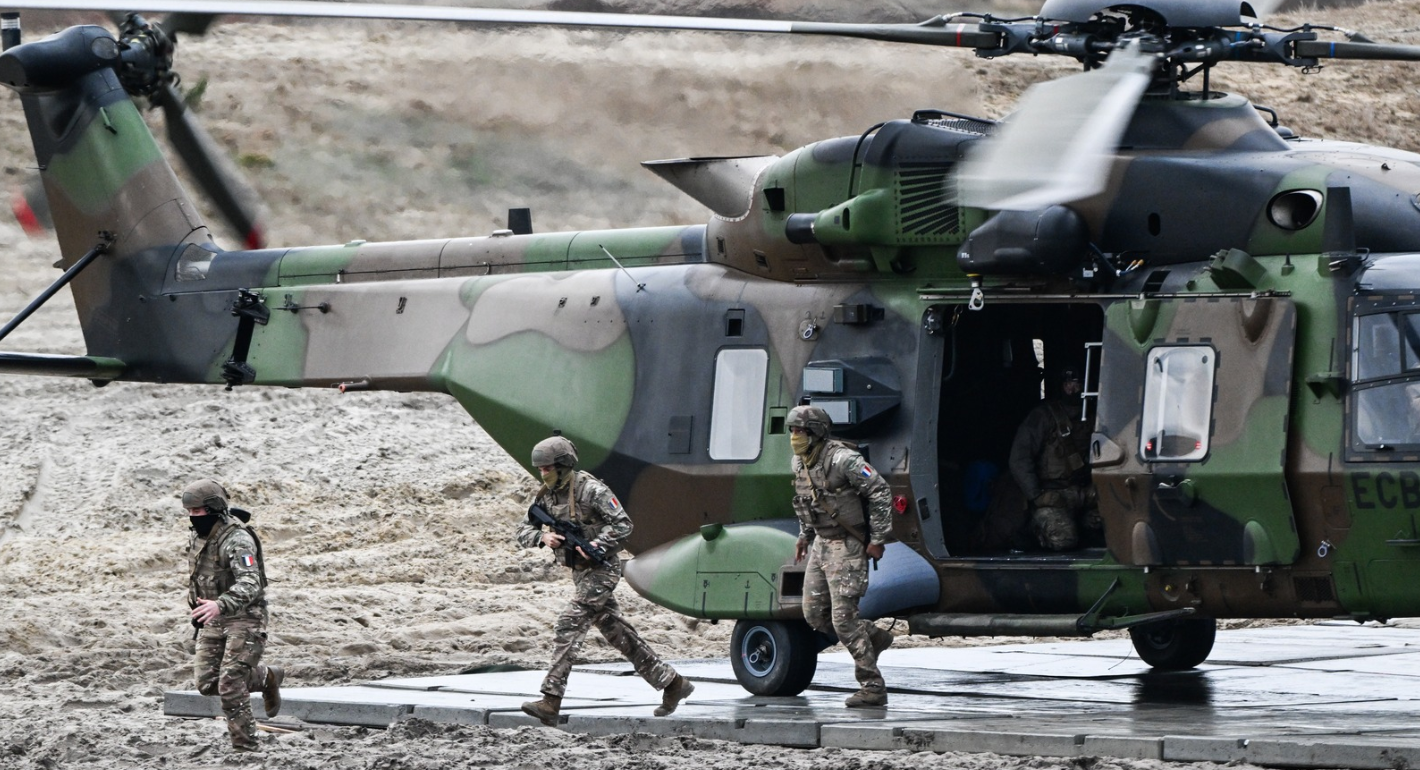
A trilateral summit in China was advertised as the new Yalta but yielded little more than a photo opportunity for Vladimir Putin. The real work was being done by the Europeans, quietly, in rural Poland.

Rym Momtaz
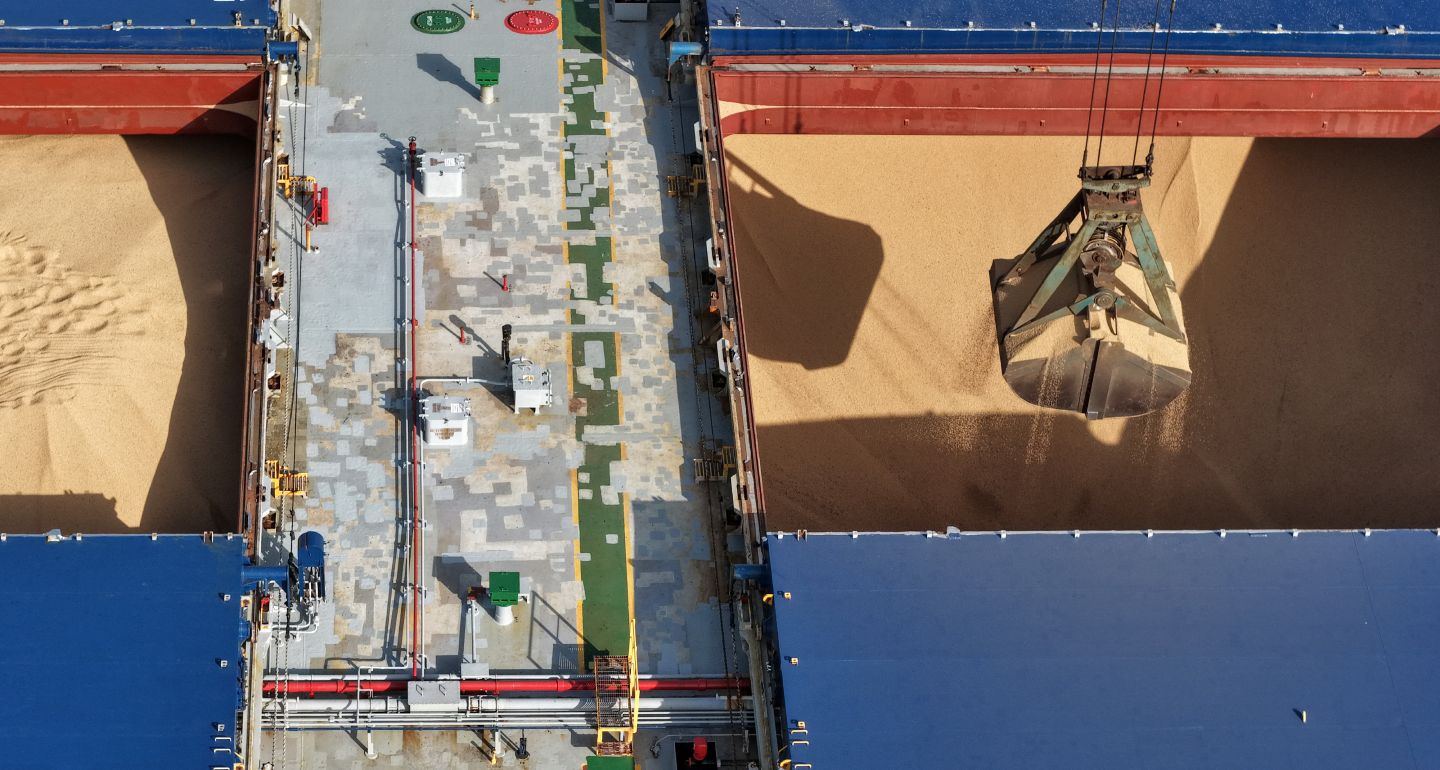
While the current surge in grain trading activity in the Caspian Sea is undeniably impressive, it is constrained by financial, infrastructure, geographic, military, and environmental factors.
Nikita Smagin
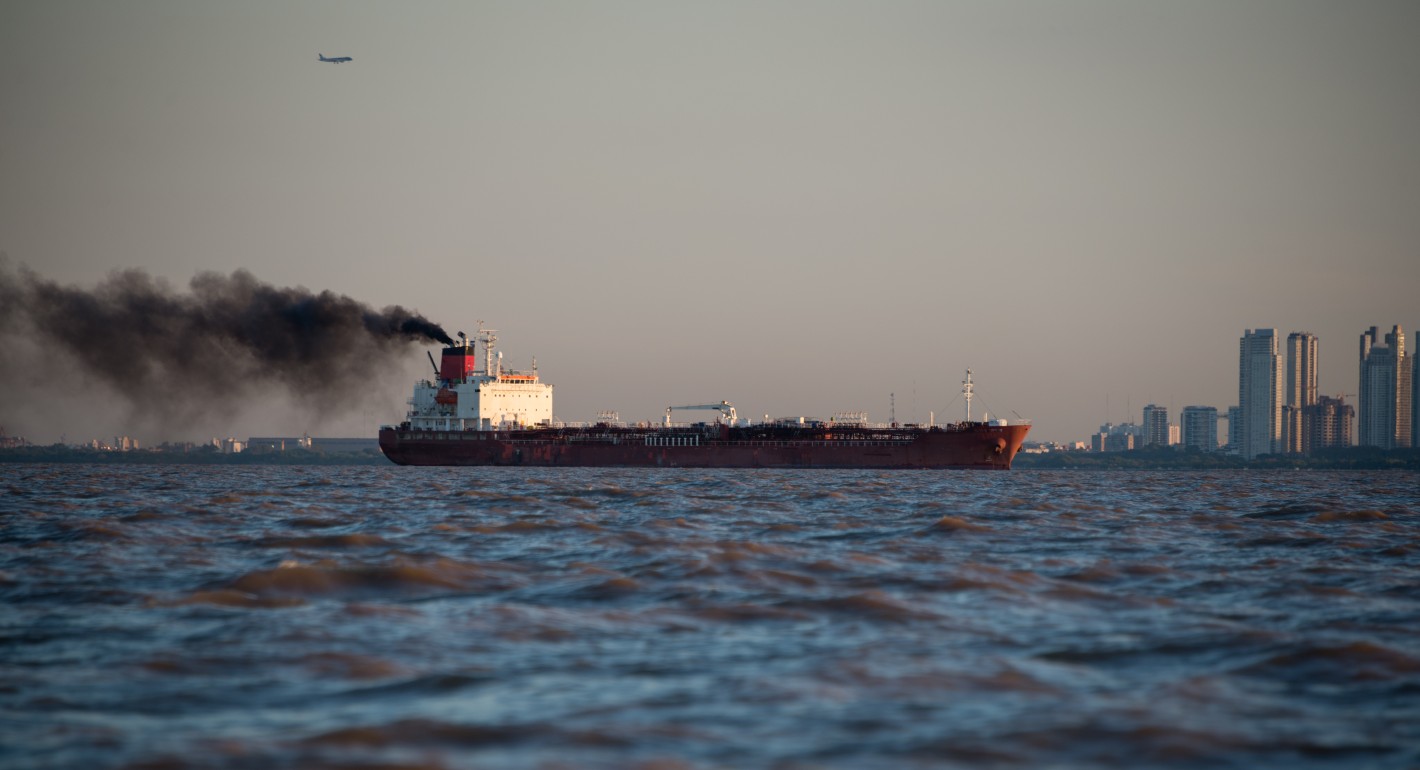
The Trump administration’s disruption attempts at the UN shipping agency are a test of multilateralism’s ability to defy the United States.
Theodore Zaritsky, Stewart Patrick