

Paper
Renad Mansour, Faleh A. Jabar
{
  "authors": [
    "Renad Mansour"
  ],
  "type": "legacyinthemedia",
  "centerAffiliationAll": "dc",
  "centers": [
    "Carnegie Endowment for International Peace",
    "Malcolm H. Kerr Carnegie Middle East Center"
  ],
  "collections": [],
  "englishNewsletterAll": "menaTransitions",
  "nonEnglishNewsletterAll": "",
  "primaryCenter": "Malcolm H. Kerr Carnegie Middle East Center",
  "programAffiliation": "MEP",
  "programs": [
    "Middle East"
  ],
  "projects": [],
  "regions": [
    "Levant",
    "Iraq",
    "Middle East"
  ],
  "topics": [
    "Political Reform"
  ]
}
Source: Getty
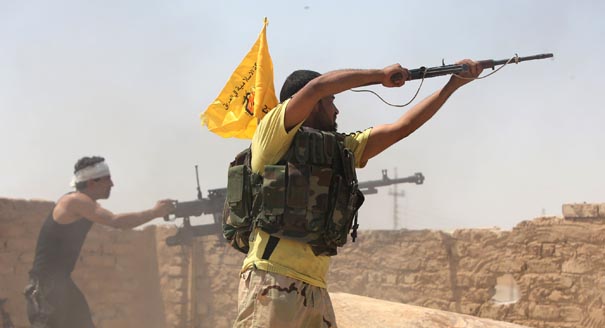
With the Iraqi state relying on Shiite paramilitary groups to combat ISIS, there are growing fears that such groups will only exacerbate sectarian tensions in the country.
Source: Al-Jazeera
Carnegie's Renad Mansour joined Al'Jazeera's Sami Zeidan, Ali Al-Dabbagh former spokesman for the Iraqi government, and Juan Cole of the University of Michigan to discuss the Iraqi government's problematic use of Shiite militias to fight ISIS and the growing tide of sectarian violence on the Sunni civilians in Iraq as a result. The discussion centered on the consequences, specifically the expanding sectarian tension, and growing concerns over the Iraqi government's reliance on, and lack of control over, Shiite militias.
Mansour argued that the Shiite militias, many under the umbrella group of 'Popular Mobilisation Forces', lack a common command structure, which prevents their effective oversight or accountability, and increases their risk of committing sectarian attacks. Mansour pointed to Prime Minister's assertion that Popular Mobilisation Forces are part of the state, which implies a state sanctioning of sectarian attacks and the risk this poses to Iraqi politicians and figures who want to reconcile with the Sunni community and others wishing to stop Abadi's reforms.

Former El-Erian Fellow, Middle East Center
Mansour was an El-Erian fellow at the Carnegie Middle East Center, where his research focuses on Iraq, Iran, and Kurdish affairs.
Recent Work
Renad Mansour, Faleh A. Jabar
Renad Mansour
Carnegie does not take institutional positions on public policy issues; the views represented herein are those of the author(s) and do not necessarily reflect the views of Carnegie, its staff, or its trustees.

China’s political future will be shaped between now and next October. As the Communist Party enters its intense “campaign season” to prepare for a major political transition in 2027, reading Beijing's actions and responses may become more difficult as domestic politics weigh on its behavior more than usual.

Damien Ma
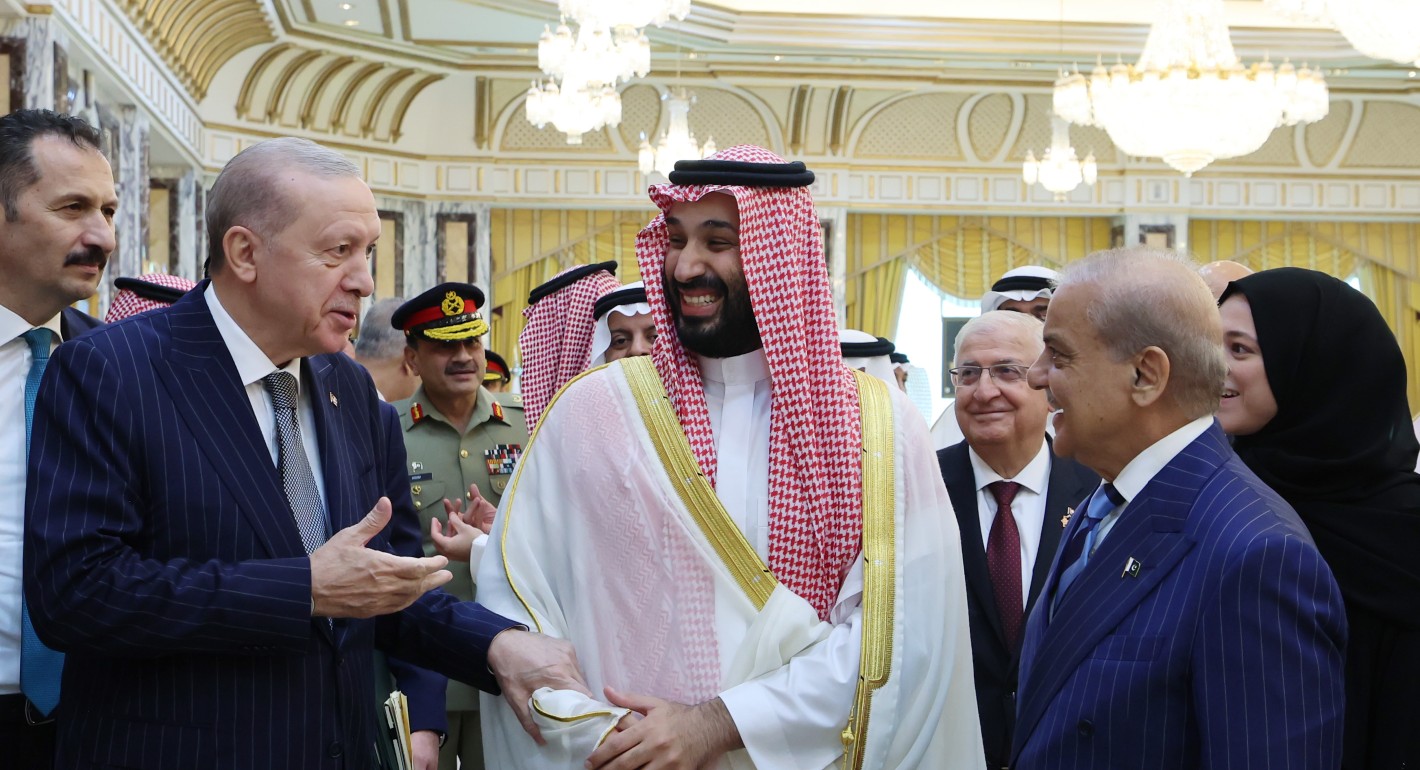
Why Pakistan, Saudi Arabia, and Turkey are joining forces on regional security.


Alper Coşkun, Amr Hamzawy
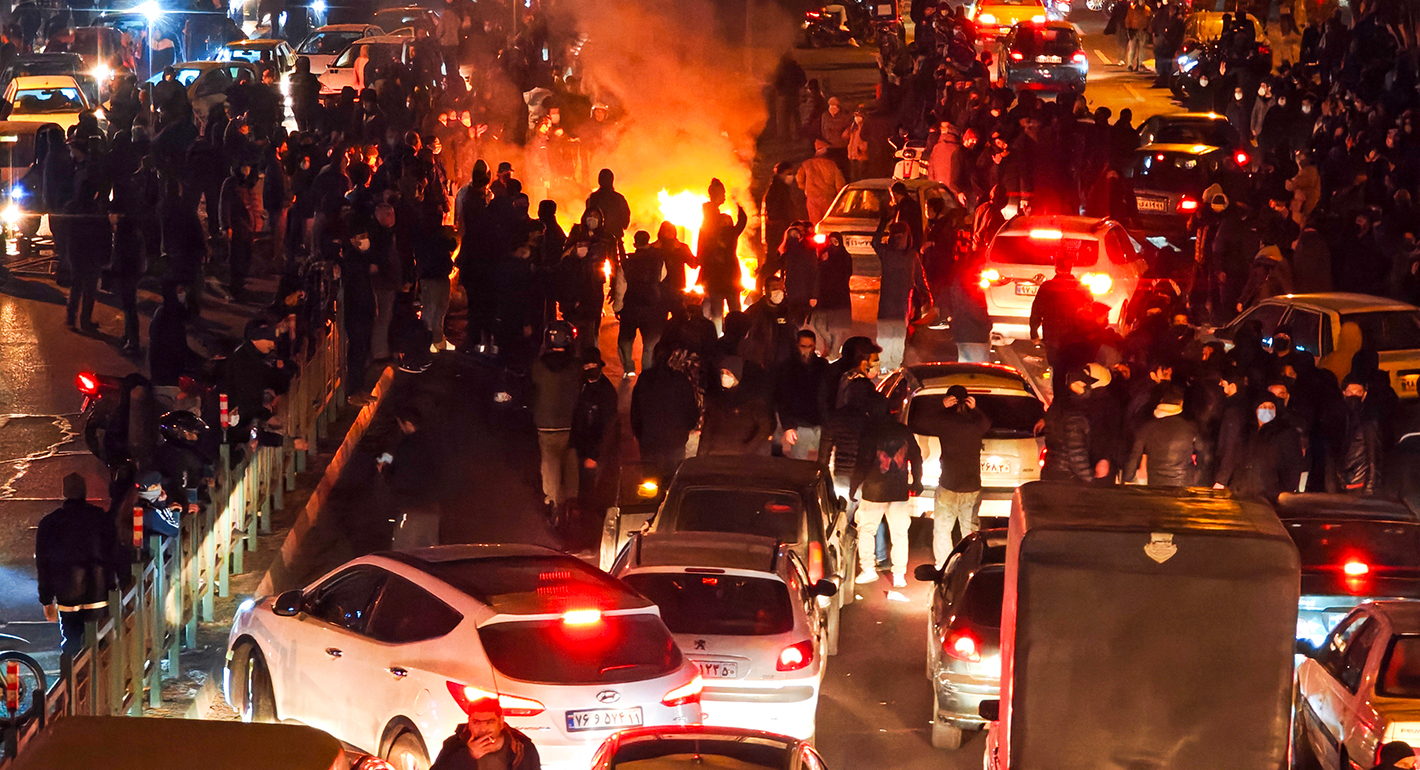
Protests in Iran follow a similar pattern: Economic grievances turn into political protests that spread nationwide. But increased state repression has begun to shift the arrangement.

Eric Lob

Putin’s conservative staffing policies and search for ever greater control have cemented parliament’s transformation into a bureaucratic appendage of the executive branch.

Andrey Pertsev
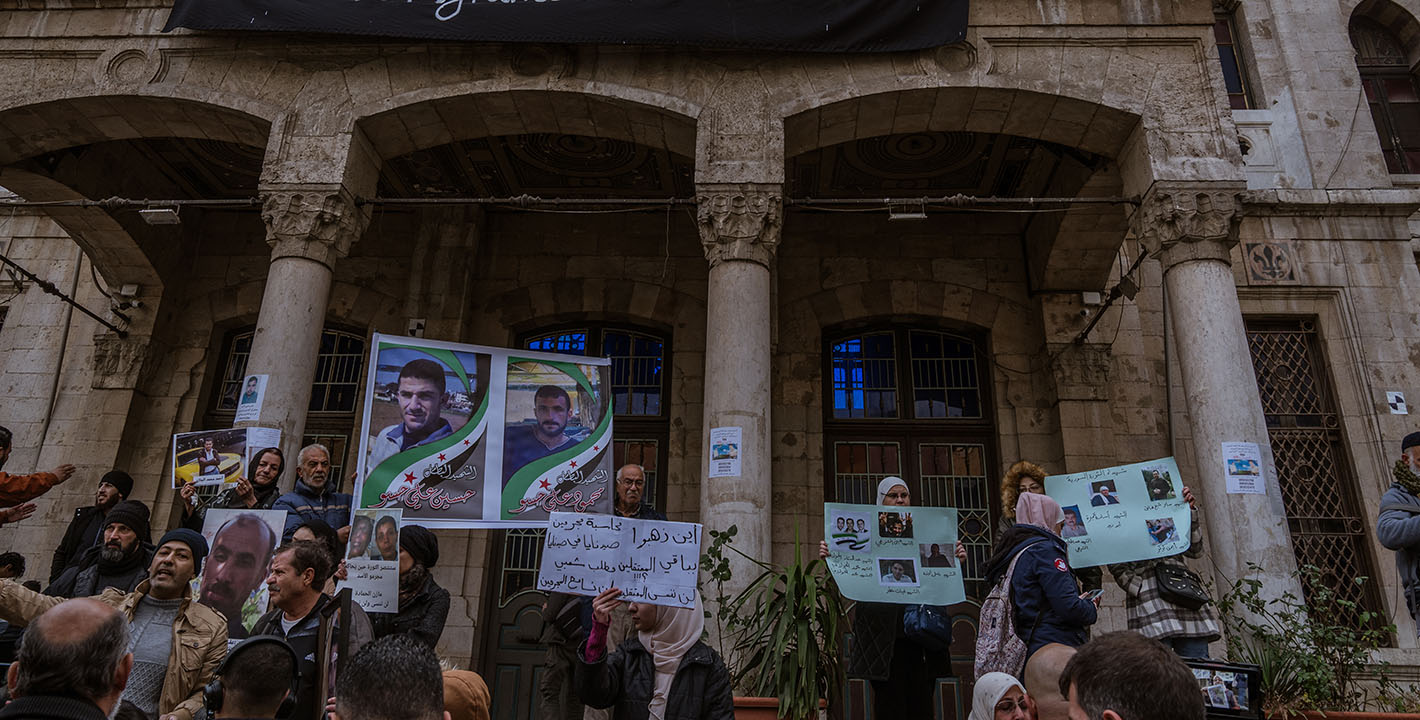
Reconciliation councils are emerging throughout the country to mediate in intracommunal disputes, many from the war years.
Natacha Danon