

Commentary
The books, podcasts, and films that explain the world it made.
Andrew Leber
{
  "authors": [
    "David Livingston",
    "Clark Miller",
    "Kate Gordon",
    "Lindene Patton",
    "Nancy Colleton"
  ],
  "type": "other",
  "centerAffiliationAll": "dc",
  "centers": [
    "Carnegie Endowment for International Peace"
  ],
  "collections": [],
  "englishNewsletterAll": "ctw",
  "nonEnglishNewsletterAll": "",
  "primaryCenter": "Carnegie Endowment for International Peace",
  "programAffiliation": "SCP",
  "programs": [
    "Sustainability, Climate, and Geopolitics"
  ],
  "projects": [],
  "regions": [
    "North America",
    "United States"
  ],
  "topics": [
    "Economy",
    "Climate Change"
  ]
}
Source: Getty
A discussion of how business can incorporate climate risks assessments and resiliency into its planning and investments in its supply chain, workforce, and infrastructure.
Source: Security and Sustainability Forum
SSF and Arizona State University’s Global Security Initiative had their fourth webinar in the five-part series on Global Climate Security. This webinar examined how business is valuing climate impacts. To view the earlier webinar videos, go to the Security and Sustainability Forum archives.
Independent of government planning and preparedness for resiliency, business has decisions to make in terms of infrastructure and supply chain dependability. The first is a local issue, but the second is a global one, especially for international companies. Concerns are likely different depending on location and the inputs to development of goods and services. The webinar focused on how business can incorporate climate risks assessments and resiliency into its planning and investments in its supply chain, workforce and infrastructure.
This webinar was originally hosted by the Security and Sustainability Forum.
Former Associate Fellow, Energy and Climate Program
Livingston was an associate fellow in Carnegie’s Energy and Climate Program, where his research focuses on emerging markets, technologies, and risks.
Clark Miller
Nonresident Scholar, Carnegie California
Kate Gordon is a nonresident scholar at Carnegie California.
Lindene Patton
Nancy Colleton
Carnegie does not take institutional positions on public policy issues; the views represented herein are those of the author(s) and do not necessarily reflect the views of Carnegie, its staff, or its trustees.

The books, podcasts, and films that explain the world it made.

Andrew Leber

U.S. trading partners in Asia are closely watching the dispute for signs of how it may affect their own interests.

Barbara Weisel
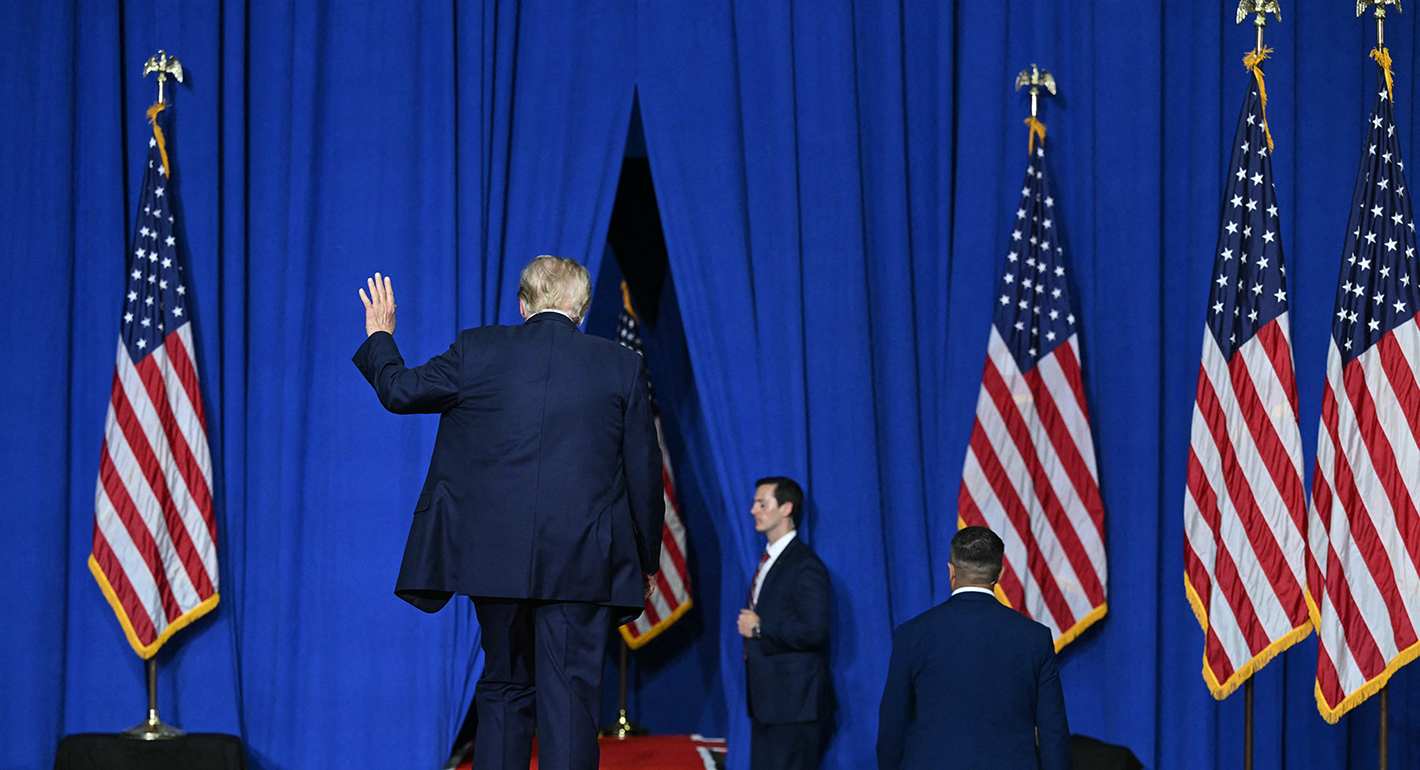
By abandoning past U.S. pro-democracy policies and adopting several lines of pro-autocratic action, the Trump administration has fundamentally repositioned the United States vis-à-vis democracy in the world.

Thomas Carothers
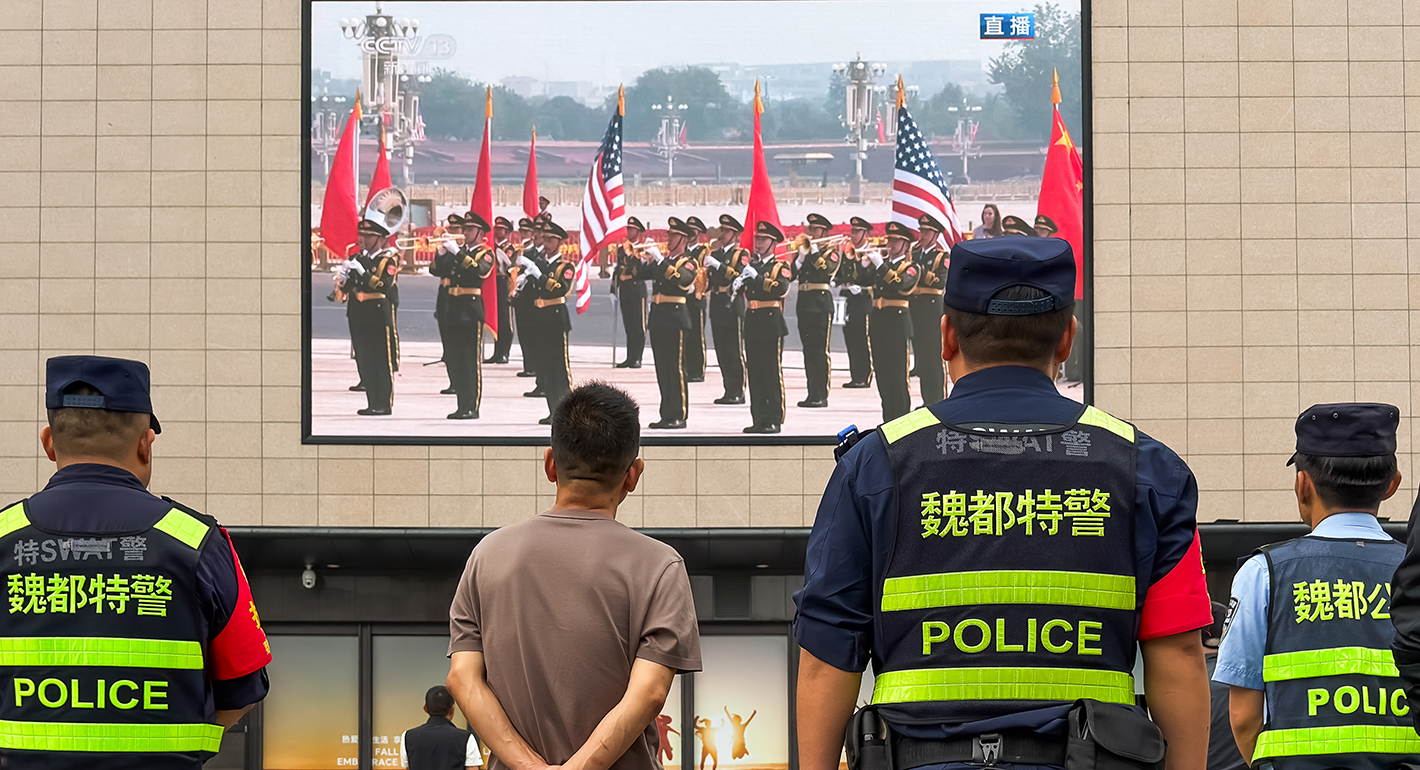
Chinese strategists are once again debating whether American power is declining and whether U.S. hegemony is experiencing irreversible decay.
Wu Xinbo

Congress should ask tough questions about the agreement’s more unique features and whether they advance U.S. interests or compromise them.

Jane Darby Menton