

Research
- +5
Alper Coşkun, Fatih Ceylan, Tacan İldem, …
{
  "authors": [
    "Sinan Ülgen"
  ],
  "type": "legacyinthemedia",
  "centerAffiliationAll": "dc",
  "centers": [
    "Carnegie Endowment for International Peace",
    "Carnegie Europe"
  ],
  "collections": [
    "Turkey’s Transformation"
  ],
  "englishNewsletterAll": "ctw",
  "nonEnglishNewsletterAll": "",
  "primaryCenter": "Carnegie Europe",
  "programAffiliation": "EP",
  "programs": [
    "Europe"
  ],
  "projects": [],
  "regions": [
    "Russia",
    "Europe",
    "Türkiye",
    "Middle East",
    "Iran"
  ],
  "topics": [
    "Climate Change",
    "Nuclear Policy",
    "Nuclear Energy"
  ]
}
Source: Getty
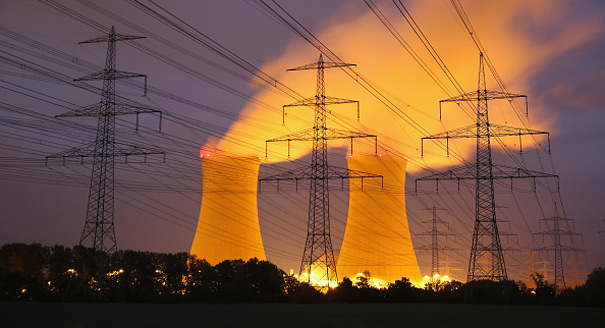
The fate of Turkish-Russian nuclear cooperation is unclear as the political relationship between the two countries may be entering a long-term downward spiral.
Source: Bulletin of the Atomic Scientists
For a long time, Turkey and Russia were able to prevent their deep differences on regional politics from poisoning their bilateral relationship. Their economic and energy collaboration advanced despite Russia’s annexation of Crimea in 2014 and its unwavering support for Syria’s Assad regime. This remarkable diplomatic achievement came to a violent end in November, when Turkey downed a Russian warplane that was violating its airspace. Since then, statements on both sides portend a much more confrontational relationship. Russian president Vladimir Putin wants an apology and compensation from the Turkish side, neither of which are forthcoming. As a result, Moscow has decided to retaliate with sanctions ranging from an import ban on Turkish products to travel restrictions on Russian tourists.
Still unknown is what impact this more antagonistic relationship will have on energy cooperation, and in particular on the prospects for Turkey’s first nuclear power plant in Akkuyu on the Mediterranean coast, which is being developed by the state-owned Russian company Rosatom. Russian authorities have already made statements on non-nuclear aspects of the two countries’ energy ties, indicating that Moscow will continue to supply natural gas to Turkey. Turkey gets 55 percent of its natural gas from Russia, with imports of close to 30 billion cubic meters per year, but at the same time Turkey is Russia’s second-largest natural-gas customer in Europe, creating a level of interdependency which would be difficult for either side to alter. At the same time, Moscow has decided to suspend the ambitious Turkish Stream project, launched in December, 2014, which would have built a pipeline through Turkey (with a potential yearly throughput of 63 billion cubic meters), replacing Ukraine as Russia’s favored natural gas conduit to Europe.Despite these decisions on other energy projects, Turkish and Russian authorities have refrained from opining about the future of the Akkuyu nuclear power plant, on which construction was scheduled to begin in 2016. This silence, though, should not be construed as an indication that the future of the project is secure. Rather, it is a reflection of the prevailing uncertainty about the consequences of a unilateral withdrawal.
The Akkuyu project features an investment model known as “build-own-operate,” or BOO, that is unusual in the nuclear-power world. Under this model, Russia is wholly liable for financing the construction and operation of the nuclear power plant. The Turkish treasury has no financial exposure. In return, the Russian operator has the right to recoup its investment by way of a guaranteed electricity-purchase agreement with Turkey at a pre-determined average price over 15 years.
Unlike more traditional nuclear power projects, in which the host state takes on direct or indirect financial liabilities, the build-own-operate model seems to grant Turkey a larger margin in which to maneuver should it want to cancel the project. The main reason Turkey might want to move in this direction would be if it believed that the newly antagonistic relationship with Moscow would preclude close safety and security cooperation with Rosatom. For instance, nuclear-facility builders must plan for the physical protection of a plant based on a threat assessment (known as the design basis threat). To what extent will the Turkish state be ready to share with Rosatom the national security analysis required to come up with the assessment? At the operational phase, how sound can security collaboration be between Turkish law enforcement and the Akkuyu plant’s management? How effective could dialogue be if a cyber attack targeted Turkey’s critical electricity infrastructure—including its nuclear power plant—especially given that Russia-based hackers have mounted sustained attacks on Turkish government web sites since the plane incident ? The unease caused by such questions could lead Turkish authorities to seek to annul the Akkuyu deal.
From Russia’s perspective, the Akkuyu project had particular significance as the first time it had facilitated the export of its reactors with the help of a BOO model. Since the Akkuyu deal was agreed in 2010, though, Russia has signed a contract with Egypt on the basis of similar commitments, and is pursuing opportunities in other countries. Meanwhile, the sharp drop in oil prices has soured fiscal balances and dented the amount the Russian state allocates to its nuclear industry, raising doubts about whether Russia can meet its nuclear power plant export commitments to potential new customers. So a withdrawal from the Akkuyu project would allow Russia to redirect much-needed funds to nuclear export commitments to more friendly countries.
It will be important for Russia to clarify the fate of the Akkuyu project. Indeed, because of its financial exposure, Moscow is under more pressure than Ankara to assess whether the project can actually be completed under these conditions. Yet it is unclear whether any clear and credible guarantees can be issued regarding the project in a context in which the political relationship may be entering a long-term downward spiral. Under current conditions, both Ankara and Moscow may have an incentive to end their cooperation, rather than accept risks that could be amplified by worsening political ties.
The main obstacle to denouncing the deal—for either party—is the threat of being liable for sizeable compensation. Interestingly, the Turkey-Russia Intergovernmental Agreement (link in Turkish) that provides the legal framework for the nuclear power project includes no direct compensation provisions. But it does incorporate provisions for the international arbitration of disputes. Turkey and Russia also have a bilateral agreement for the protection of mutual investments that could be used to initiate compensation claims.
The confrontational nature of the Turkey-Russia relationship will continue to threaten the feasibility of the Akkuyu nuclear power plant, but each side will likely refrain from unilateral measures that would trigger compensation claims. As a result, the project is likely to stall, with Turkey raising regulatory obstacles to deter licensing efforts, and Russia less willing to spend significant funds on a project clouded in uncertainty. Akkuyu’s fate will probably remain unclear until either both sides can reach an agreement on compensation, or there is a clear improvement in the political relationship, which at the moment doesn’t look likely.
This article was originally published by the Bulletin of the Atomic Scientists.

Senior Fellow, Carnegie Europe
Sinan Ülgen is a senior fellow at Carnegie Europe in Brussels, where his research focuses on Turkish foreign policy, transatlantic relations, international trade, economic security, and digital policy.
Recent Work

Alper Coşkun, Fatih Ceylan, Tacan İldem, …
Carnegie does not take institutional positions on public policy issues; the views represented herein are those of the author(s) and do not necessarily reflect the views of Carnegie, its staff, or its trustees.
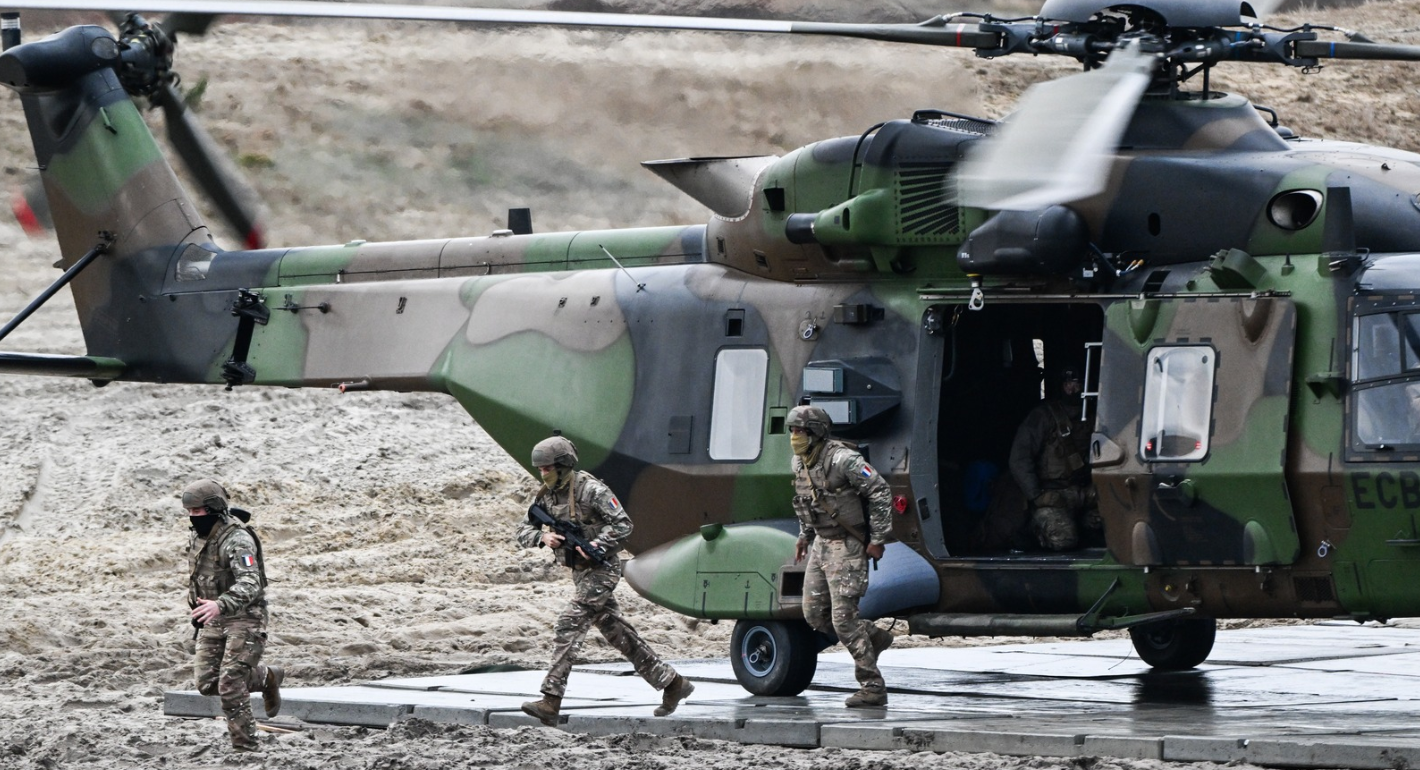
A trilateral summit in China was advertised as the new Yalta but yielded little more than a photo opportunity for Vladimir Putin. The real work was being done by the Europeans, quietly, in rural Poland.

Rym Momtaz
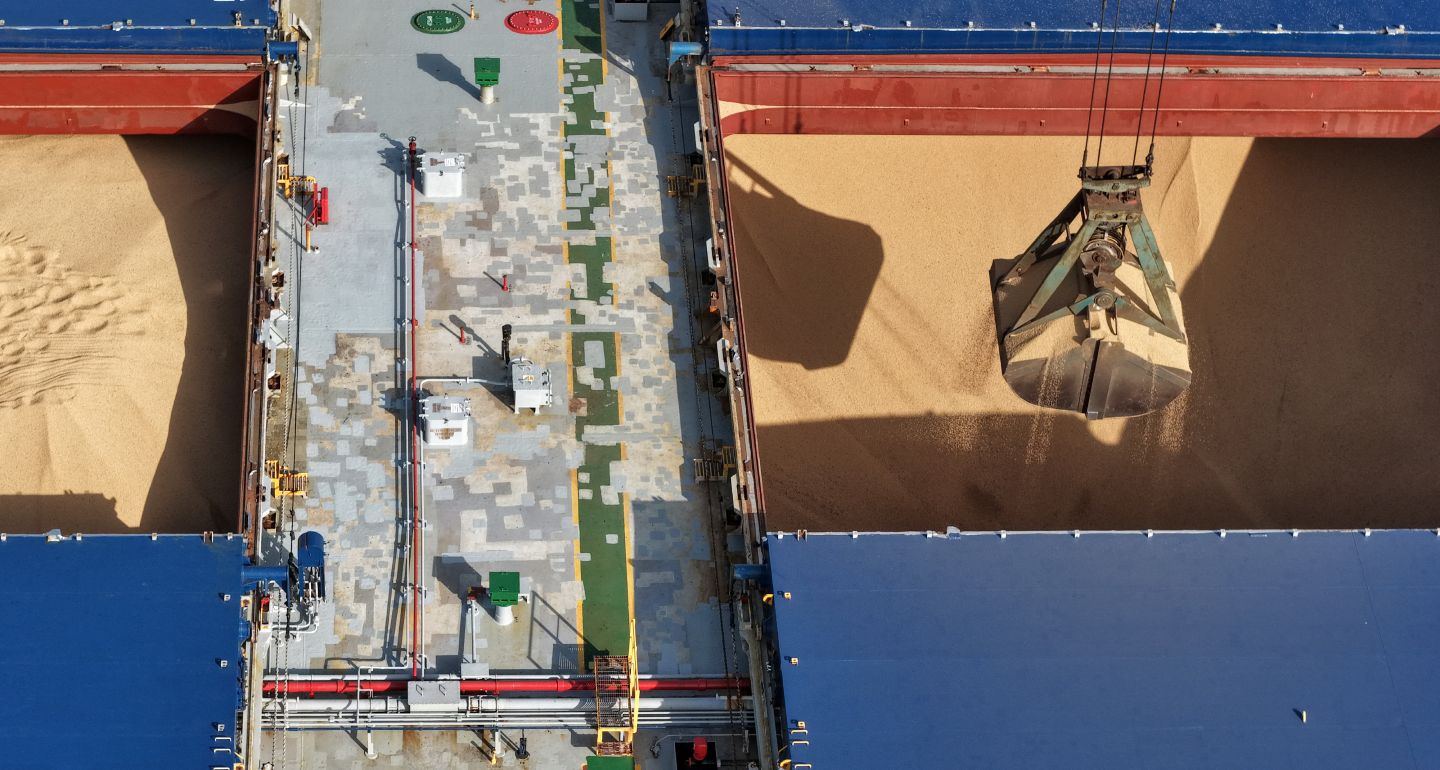
While the current surge in grain trading activity in the Caspian Sea is undeniably impressive, it is constrained by financial, infrastructure, geographic, military, and environmental factors.
Nikita Smagin
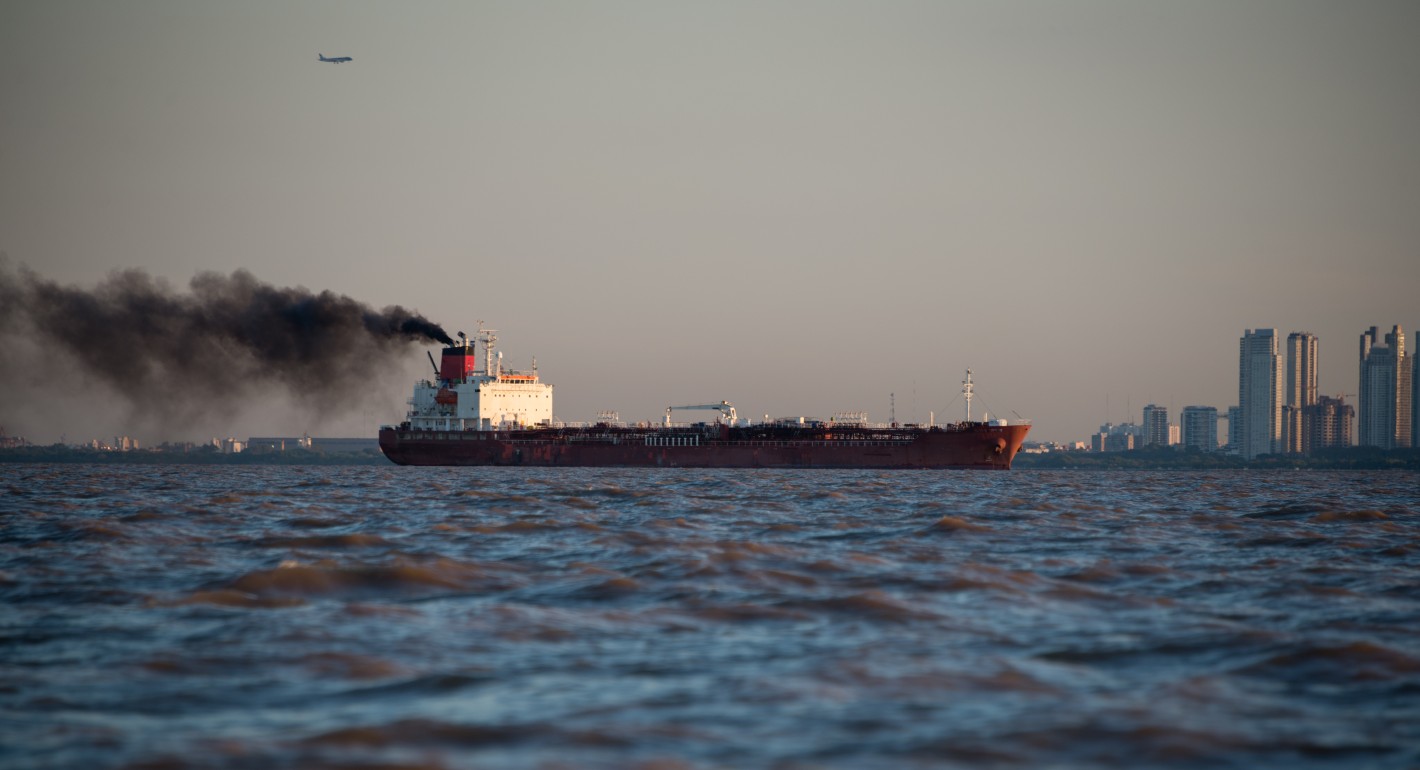
The Trump administration’s disruption attempts at the UN shipping agency are a test of multilateralism’s ability to defy the United States.

Theodore Zaritsky, Stewart Patrick
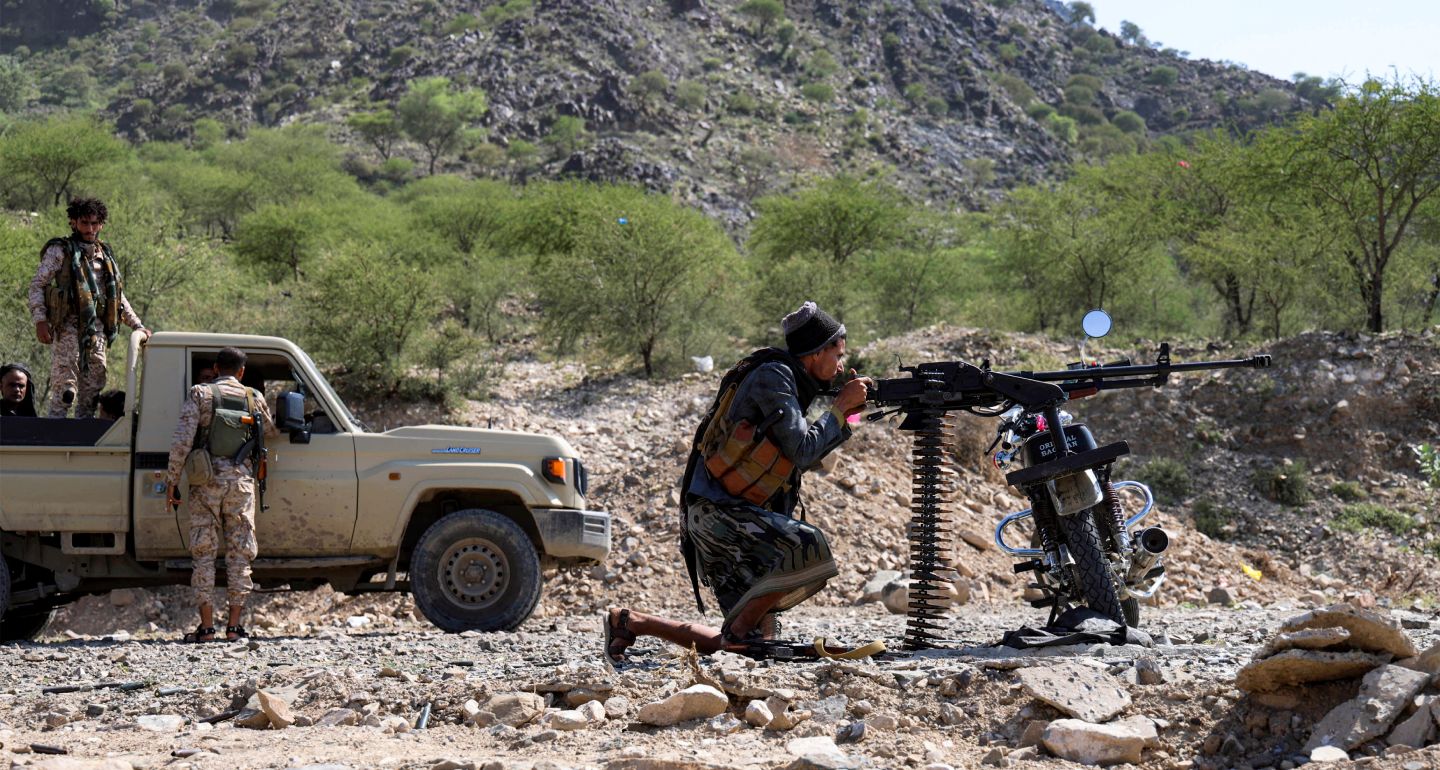
Russia officially endorses Yemen’s formal government while quietly providing military support to the Houthi rebels. However, recent escalation in Yemen has thrust Russia’s game into the spotlight—and risks endangering its relations with the Gulf states.

Ruslan Suleymanov
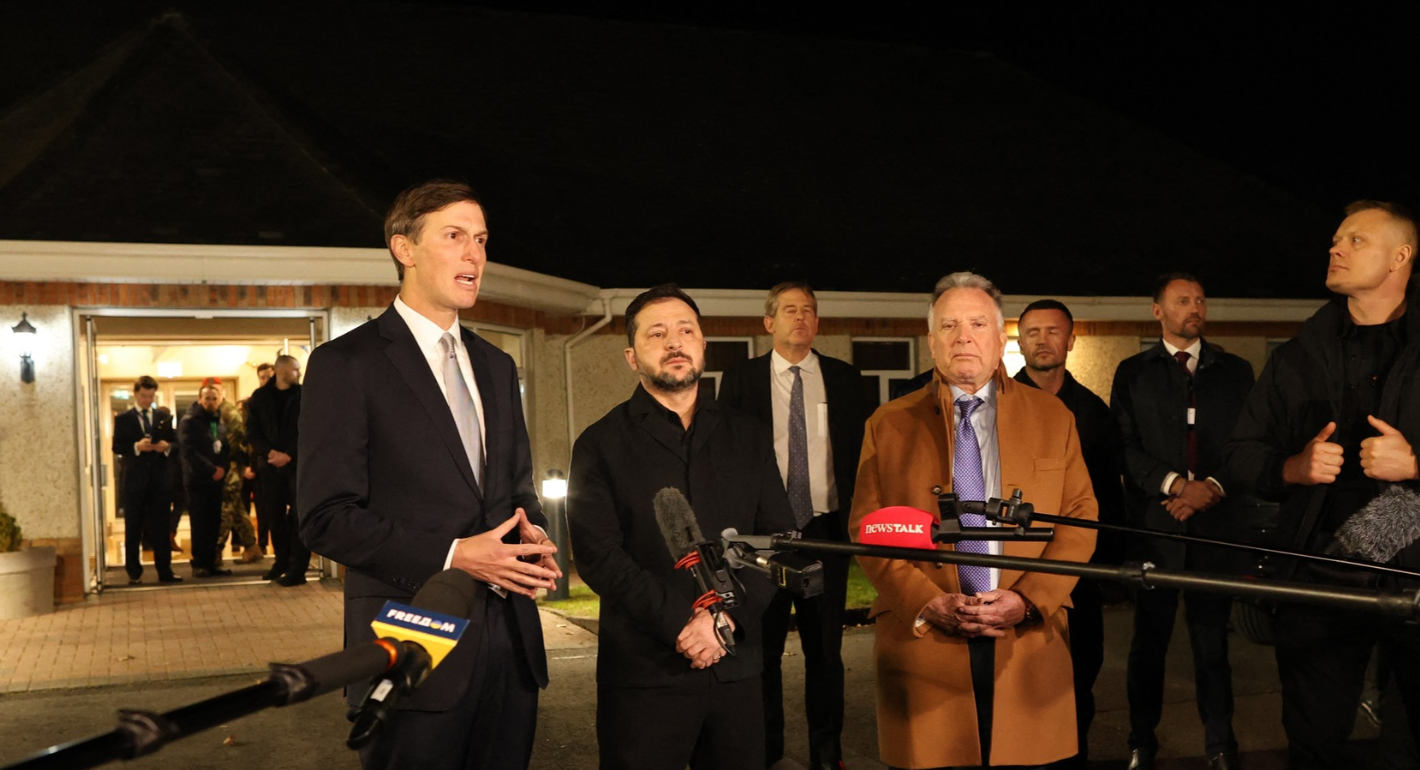
Russia’s maximalist demands are preventing any serious attempt at ending the war in Ukraine. To make peace a realistic prospect, Putin must recognize that diplomacy is a two-way street.
Kadri Liik